哲学家
Pythagoras
570 BC - 495 BC
ZH.WIKIPEDIA PAGE VIEWS (PV)
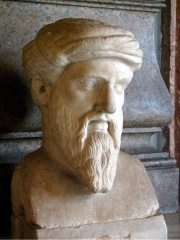
 Pythagoras
毕达哥拉斯(希臘語:Πυθαγόρας,前570年—前495年)是一名古希腊哲学家、数学家和音乐理论家,毕达哥拉斯主义的创立者。他認為數學可以解釋世界上的一切事物,對數字癡迷到幾近崇拜;同時認為一切真理都可以用比例、平方及直角三角形去反映和證實:譬如主張平方數"100"意味「公正」。畢達哥拉斯主義描述畢達哥拉斯和追隨者所持的秘教和形上學的思想學說的術語,他們都深受數學所影響,如數秘術和數字神秘主義的生命靈數、彩虹數字學、生命藍圖數字學。 在维基百科上阅读更多
His biography is available in 158 different languages on Wikipedia (up from 156 in 2024). Pythagoras is the 6th most popular 哲学家 (down from 5th in 2024), the 6th most popular biography from Greece (down from 5th in 2019) and the 4th most popular Greek 哲学家.
Pythagoras is most famous for the Pythagorean theorem, which states that in a right triangle, the square of the hypotenuse is equal to the sum of the squares of the other two sides.
Memorability Metrics
Page views of Pythagoras by language
Among 哲学家
Among 哲学家, Pythagoras ranks 6 out of 1,267. Before him are Gautama Buddha, Aristotle, Plato, Socrates, and Confucius. After him are Immanuel Kant, René Descartes, Avicenna, Laozi, Jean-Jacques Rousseau, and Baruch Spinoza.
Most Popular 哲学家 in Wikipedia
Go to all Rankings
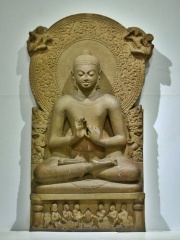
Gautama Buddha
566 BC - 452 BC
HPI: 99.48
Rank: 1
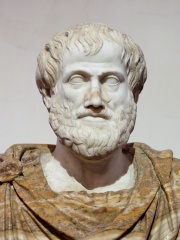
Aristotle
384 BC - 321 BC
HPI: 96.25
Rank: 2
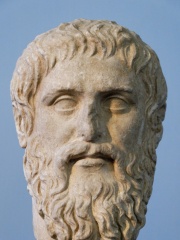
Plato
427 BC - 347 BC
HPI: 95.94
Rank: 3
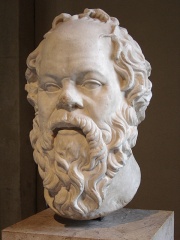
Socrates
470 BC - 399 BC
HPI: 94.90
Rank: 4

Confucius
551 BC - 479 BC
HPI: 93.57
Rank: 5
Pythagoras
570 BC - 495 BC
HPI: 93.36
Rank: 6
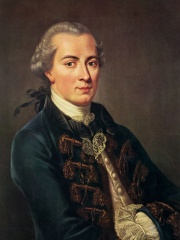
Immanuel Kant
1724 - 1804
HPI: 92.35
Rank: 7
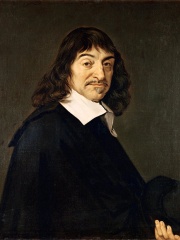
René Descartes
1596 - 1650
HPI: 92.12
Rank: 8
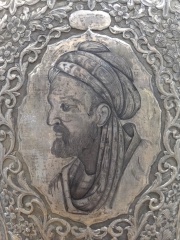
Avicenna
980 - 1037
HPI: 92.05
Rank: 9

Laozi
604 BC - 600 BC
HPI: 91.85
Rank: 10
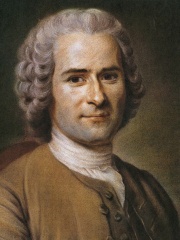
Jean-Jacques Rousseau
1712 - 1778
HPI: 91.27
Rank: 11
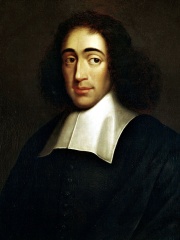
Baruch Spinoza
1632 - 1677
HPI: 90.63
Rank: 12

Contemporaries
Among people born in 570 BC, Pythagoras ranks 1. After him are Xenophanes, Anacreon, Theognis of Megara, and Hystaspes. Among people deceased in 495 BC, Pythagoras ranks 1. After him are Lucius Tarquinius Superbus, and Hystaspes.
Others Born in 570 BC
Go to all RankingsPythagoras
PHILOSOPHER
570 BC - 495 BC
HPI: 93.36
Rank: 1
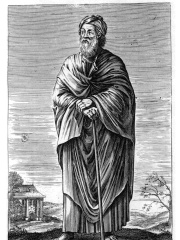
Xenophanes
PHILOSOPHER
570 BC - 475 BC
HPI: 80.90
Rank: 2
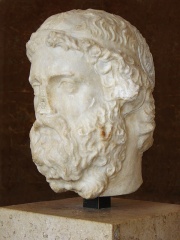
Anacreon
WRITER
570 BC - 485 BC
HPI: 77.55
Rank: 3
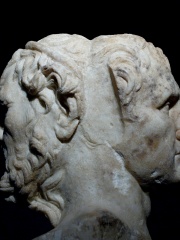
Theognis of Megara
WRITER
570 BC - 485 BC
HPI: 70.03
Rank: 4
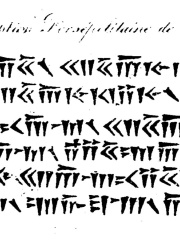
Hystaspes
POLITICIAN
570 BC - 495 BC
HPI: 68.31
Rank: 5
Others Deceased in 495 BC
Go to all RankingsPythagoras
PHILOSOPHER
570 BC - 495 BC
HPI: 93.36
Rank: 1
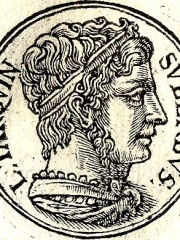
Lucius Tarquinius Superbus
POLITICIAN
600 BC - 495 BC
HPI: 82.80
Rank: 2
Hystaspes
POLITICIAN
570 BC - 495 BC
HPI: 68.31
Rank: 3
In Greece
Among people born in Greece, Pythagoras ranks 6 out of 1,024. Before him are Aristotle (-384), Plato (-427), Alexander the Great (-356), Homer (-800), and Socrates (-470). After him are Mustafa Kemal Atatürk (1881), Hippocrates (-460), Sophocles (-497), Democritus (-460), Epicurus (-341), and Solon (-638).
Others born in Greece
Go to all RankingsAristotle
PHILOSOPHER
384 BC - 321 BC
HPI: 96.25
Rank: 1
Plato
PHILOSOPHER
427 BC - 347 BC
HPI: 95.94
Rank: 2

Alexander the Great
MILITARY PERSONNEL
356 BC - 323 BC
HPI: 95.63
Rank: 3
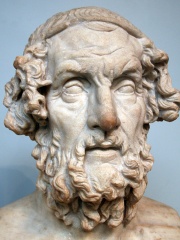
Homer
WRITER
800 BC - 750 BC
HPI: 95.41
Rank: 4
Socrates
PHILOSOPHER
470 BC - 399 BC
HPI: 94.90
Rank: 5
Pythagoras
PHILOSOPHER
570 BC - 495 BC
HPI: 93.36
Rank: 6
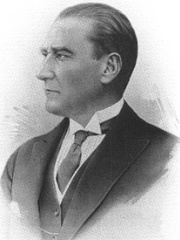
Mustafa Kemal Atatürk
POLITICIAN
1881 - 1938
HPI: 91.26
Rank: 7
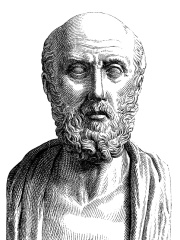
Hippocrates
PHYSICIAN
460 BC - 370 BC
HPI: 90.19
Rank: 8
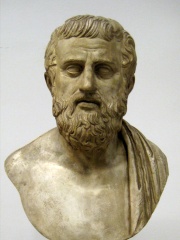
Sophocles
WRITER
497 BC - 406 BC
HPI: 89.32
Rank: 9
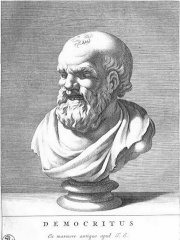
Democritus
PHILOSOPHER
460 BC - 360 BC
HPI: 86.85
Rank: 10
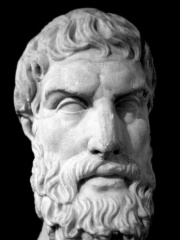
Epicurus
PHILOSOPHER
341 BC - 269 BC
HPI: 86.65
Rank: 11
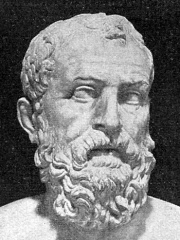
Solon
POLITICIAN
638 BC - 558 BC
HPI: 86.59
Rank: 12
Among 哲学家 In Greece
Among 哲学家 born in Greece, Pythagoras ranks 4. Before him are Aristotle (-384), Plato (-427), and Socrates (-470). After him are Democritus (-460), Epicurus (-341), Plutarch (46), Protagoras (-486), Gorgias (-483), Theophrastus (-371), Apollodorus of Athens (-180), and Antisthenes (-445).
Aristotle
384 BC - 321 BC
HPI: 96.25
Rank: 1
Plato
427 BC - 347 BC
HPI: 95.94
Rank: 2
Socrates
470 BC - 399 BC
HPI: 94.90
Rank: 3
Pythagoras
570 BC - 495 BC
HPI: 93.36
Rank: 4
Democritus
460 BC - 360 BC
HPI: 86.85
Rank: 5
Epicurus
341 BC - 269 BC
HPI: 86.65
Rank: 6
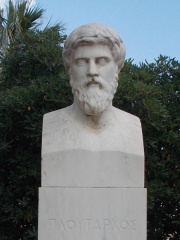
Plutarch
46 - 127
HPI: 83.51
Rank: 7

Protagoras
486 BC - 420 BC
HPI: 83.37
Rank: 8
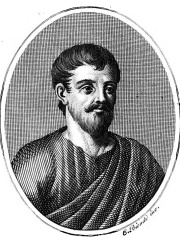
Gorgias
483 BC - 375 BC
HPI: 80.90
Rank: 9
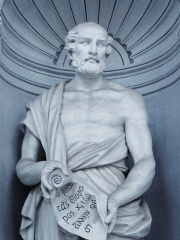
Theophrastus
371 BC - 287 BC
HPI: 80.19
Rank: 10

Apollodorus of Athens
180 BC - 110 BC
HPI: 78.45
Rank: 11
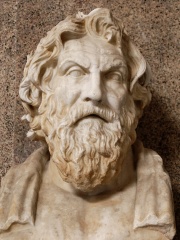
Antisthenes
445 BC - 365 BC
HPI: 78.34
Rank: 12