軍人
Timur
1336 - 1405
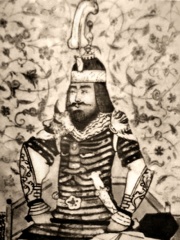
 Timur
Timur
ティムール(ペルシア語: تيمور Tīmūr/Taymūr, 1336年4月8日 - 1405年2月18日)は、チャガタイ・ハン国の軍事指導者で、ティムール朝の建国者(在位:1370年4月10日 - 1405年2月18日)。 中世アジアを代表する軍事的天才と評価され、中央アジアから西アジアにかけてかつてのモンゴル帝国の半分に匹敵する帝国を建設した。しばしば征服した都市で大規模な破壊と虐殺を行う一方、首都のサマルカンドと故郷のキシュ(現在のシャフリサブス歴史地区)で建設事業を行う二面性を持ち合わせていた。 ウィキペディアで詳細を読む
His biography is available in 139 different languages on Wikipedia (up from 135 in 2024). Timur is the 4th most popular 軍人 (down from 3rd in 2024), the 2nd most popular biography from Uzbekistan and the most popular Uzbekistani 軍人.
Timur was a 14th century conqueror who conquered much of Central Asia, Persia, and the Middle East. He is most famous for the capture of Baghdad in 1393.
Memorability Metrics
Page views of Timur by language
Among 軍人
Among 軍人, Timur ranks 4 out of 2,058. Before him are Genghis Khan, Alexander the Great, and Joan of Arc. After him are Charles de Gaulle, Chiang Kai-shek, Karl Dönitz, Bernard Montgomery, Adolf Eichmann, Charles XIV John of Sweden, Oda Nobunaga, and Erwin Rommel.
Most Popular 軍人 in Wikipedia
Go to all Rankings
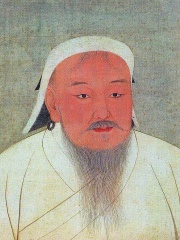
Genghis Khan
1162 - 1227
HPI: 98.43
Rank: 1
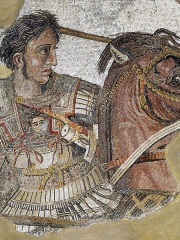
Alexander the Great
356 BC - 323 BC
HPI: 95.63
Rank: 2
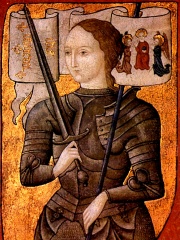
Joan of Arc
1412 - 1431
HPI: 91.02
Rank: 3
Timur
1336 - 1405
HPI: 90.74
Rank: 4
Charles de Gaulle
1890 - 1970
HPI: 86.70
Rank: 5
Chiang Kai-shek
1887 - 1975
HPI: 86.25
Rank: 6
Karl Dönitz
1891 - 1980
HPI: 84.90
Rank: 7
Bernard Montgomery
1887 - 1976
HPI: 84.19
Rank: 8
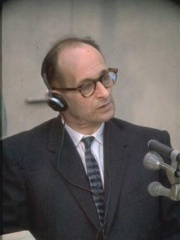
Adolf Eichmann
1906 - 1962
HPI: 83.12
Rank: 9
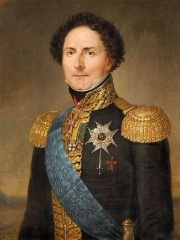
Charles XIV John of Sweden
1763 - 1844
HPI: 82.94
Rank: 10
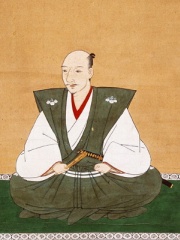
Oda Nobunaga
1534 - 1582
HPI: 82.89
Rank: 11
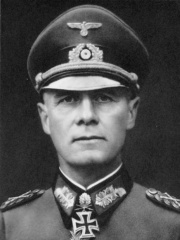
Erwin Rommel
1891 - 1944
HPI: 82.62
Rank: 12

Contemporaries
Among people born in 1336, Timur ranks 1. After him are Stefan Uroš V, Albert I, Duke of Bavaria, Philip, Duke of Orléans, Olivier V de Clisson, Balthasar, Landgrave of Thuringia, Hồ Quý Ly, and Harihara I. Among people deceased in 1405, Timur ranks 1. After him are Jean Froissart, Margaret III, Countess of Flanders, Princess Milica of Serbia, Saray Mulk Khanum, and Jefimija.
Others Born in 1336
Go to all RankingsTimur
MILITARY PERSONNEL
1336 - 1405
HPI: 90.74
Rank: 1
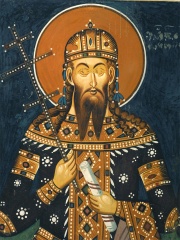
Stefan Uroš V
POLITICIAN
1336 - 1371
HPI: 69.38
Rank: 2
Albert I, Duke of Bavaria
POLITICIAN
1336 - 1404
HPI: 68.45
Rank: 3

Philip, Duke of Orléans
POLITICIAN
1336 - 1375
HPI: 67.28
Rank: 4
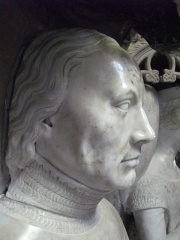
Olivier V de Clisson
MILITARY PERSONNEL
1336 - 1407
HPI: 60.29
Rank: 5
Balthasar, Landgrave of Thuringia
POLITICIAN
1336 - 1406
HPI: 59.75
Rank: 6

Hồ Quý Ly
POLITICIAN
1336 - 1407
HPI: 58.95
Rank: 7
Harihara I
POLITICIAN
1336 - 1356
HPI: 56.87
Rank: 8
Others Deceased in 1405
Go to all RankingsTimur
MILITARY PERSONNEL
1336 - 1405
HPI: 90.74
Rank: 1
Jean Froissart
WRITER
1337 - 1405
HPI: 70.18
Rank: 2
Margaret III, Countess of Flanders
POLITICIAN
1350 - 1405
HPI: 69.79
Rank: 3
Princess Milica of Serbia
POLITICIAN
1335 - 1405
HPI: 65.95
Rank: 4
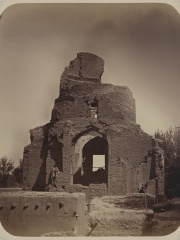
Saray Mulk Khanum
POLITICIAN
1341 - 1405
HPI: 65.38
Rank: 5
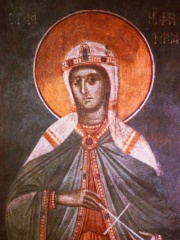
Jefimija
WRITER
1349 - 1405
HPI: 60.02
Rank: 6
In Uzbekistan
Among people born in Uzbekistan, Timur ranks 2 out of 190. Before him are Avicenna (980). After him are Muhammad al-Bukhari (810), Al-Biruni (973), Babur (1483), Islam Karimov (1938), Al-Tirmidhi (824), Shah Rukh (1377), Abu Mansur al-Maturidi (893), Baha-ud-Din Naqshband Bukhari (1327), Shavkat Mirziyoyev (1957), and Isma'il ibn Ahmad (849).
Others born in Uzbekistan
Go to all Rankings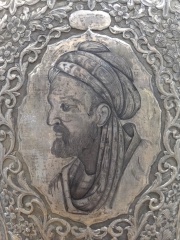
Avicenna
PHILOSOPHER
980 - 1037
HPI: 92.05
Rank: 1
Timur
MILITARY PERSONNEL
1336 - 1405
HPI: 90.74
Rank: 2
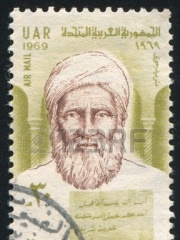
Muhammad al-Bukhari
RELIGIOUS FIGURE
810 - 870
HPI: 83.91
Rank: 3
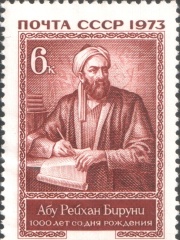
Al-Biruni
MATHEMATICIAN
973 - 1048
HPI: 83.73
Rank: 4
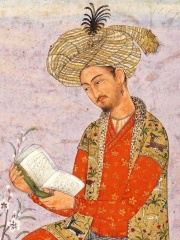
Babur
POLITICIAN
1483 - 1530
HPI: 81.60
Rank: 5
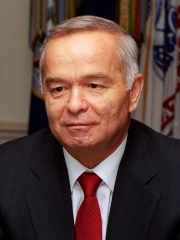
Islam Karimov
POLITICIAN
1938 - 2016
HPI: 76.96
Rank: 6

Al-Tirmidhi
RELIGIOUS FIGURE
824 - 892
HPI: 76.62
Rank: 7
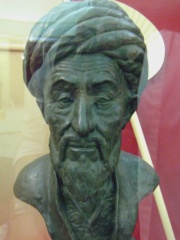
Shah Rukh
POLITICIAN
1377 - 1447
HPI: 74.37
Rank: 8
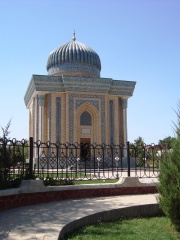
Abu Mansur al-Maturidi
RELIGIOUS FIGURE
893 - 944
HPI: 73.12
Rank: 9
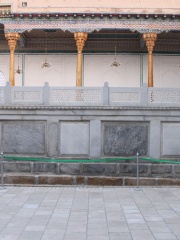
Baha-ud-Din Naqshband Bukhari
RELIGIOUS FIGURE
1327 - 1390
HPI: 73.10
Rank: 10
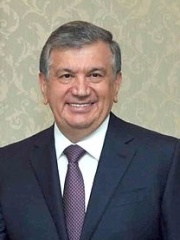
Shavkat Mirziyoyev
POLITICIAN
1957 - Present
HPI: 72.90
Rank: 11
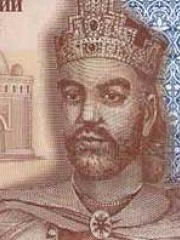
Isma'il ibn Ahmad
POLITICIAN
849 - 907
HPI: 71.47
Rank: 12
Among 軍人 In Uzbekistan
Among 軍人 born in Uzbekistan, Timur ranks 1. After him are Gennady Zhidko (1965), and Azatbek Omurbekov (1983).
Timur
1336 - 1405
HPI: 90.74
Rank: 1
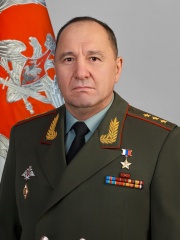
Gennady Zhidko
1965 - 2023
HPI: 56.21
Rank: 2
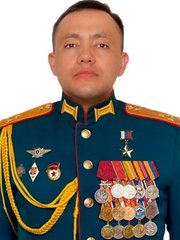
Azatbek Omurbekov
1983 - Present
HPI: 44.89
Rank: 3