政治家
Shah Rukh
1377 - 1447
JA.WIKIPEDIA PAGE VIEWS (PV)
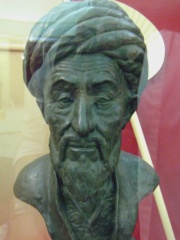
 Shah Rukh
彼の伝記はウィキペディアで38言語で利用可能です。Shah Rukhは、最も人気のある政治家の中で第1360位(2024年の第1662位から順位を上げ)、ウズベキスタン人物の伝記の中で第8位(2019年の第11位から順位を上げ)、また最も人気のあるウズベキスタン人政治家の中で第3位に位置しています。
Memorability Metrics
Page views of Shah Rukh by language
Among 政治家
Among 政治家, Shah Rukh ranks 1,360 out of 19,576. Before him are Calpurnia, Tabaré Vázquez, Jianwen Emperor, Francesco I Sforza, Arsinoe III of Egypt, and Sergey Kirov. After him are Bill Nelson, Alauddin Khalji, Peter I of Portugal, Leo V the Armenian, Georgy Lvov, and Mohammed Omar.
Most Popular 政治家 in Wikipedia
Go to all Rankings
Calpurnia
77 BC - Present
HPI: 74.39
Rank: 1,354
Tabaré Vázquez
1940 - 2020
HPI: 74.39
Rank: 1,355
Jianwen Emperor
1377 - 1402
HPI: 74.38
Rank: 1,356
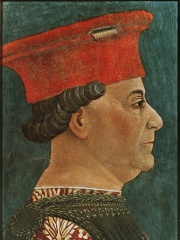
Francesco I Sforza
1401 - 1466
HPI: 74.38
Rank: 1,357
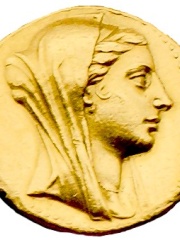
Arsinoe III of Egypt
246 BC - 204 BC
HPI: 74.37
Rank: 1,358
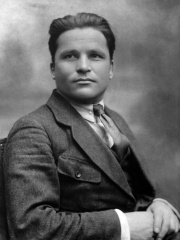
Sergey Kirov
1886 - 1934
HPI: 74.37
Rank: 1,359
Shah Rukh
1377 - 1447
HPI: 74.37
Rank: 1,360
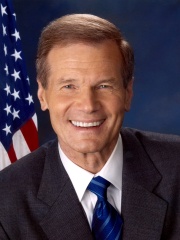
Bill Nelson
1942 - Present
HPI: 74.37
Rank: 1,361
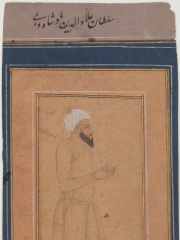
Alauddin Khalji
1266 - 1316
HPI: 74.36
Rank: 1,362
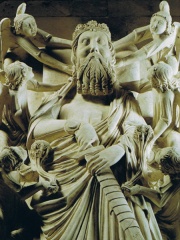
Peter I of Portugal
1320 - 1367
HPI: 74.36
Rank: 1,363
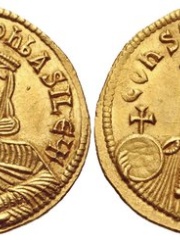
Leo V the Armenian
775 - 820
HPI: 74.36
Rank: 1,364
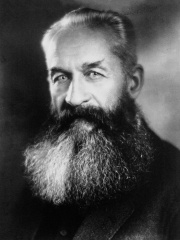
Georgy Lvov
1861 - 1925
HPI: 74.35
Rank: 1,365
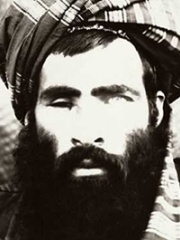
Mohammed Omar
1962 - 2013
HPI: 74.34
Rank: 1,366

Contemporaries
Among people born in 1377, Shah Rukh ranks 2. Before him is Jianwen Emperor. After him are Đurađ Branković, Ernest, Duke of Austria, Louis II of Anjou, Ladislaus of Naples, Süleyman Çelebi, Albert IV, Duke of Austria, Emperor Go-Komatsu, Afonso I, Duke of Braganza, Oswald von Wolkenstein, and Edward III, Duke of Bar. Among people deceased in 1447, Shah Rukh ranks 3. Before him are Pope Eugene IV, and Vlad II Dracul. After him are Filippo Maria Visconti, Humphrey, Duke of Gloucester, Masolino da Panicale, Mircea II of Wallachia, Colette of Corbie, Henry Beaufort, and Louis VII, Duke of Bavaria.
Others Born in 1377
Go to all RankingsJianwen Emperor
POLITICIAN
1377 - 1402
HPI: 74.38
Rank: 1
Shah Rukh
POLITICIAN
1377 - 1447
HPI: 74.37
Rank: 2
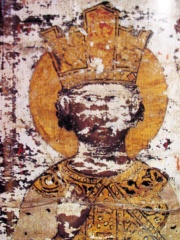
Đurađ Branković
POLITICIAN
1377 - 1456
HPI: 71.83
Rank: 3
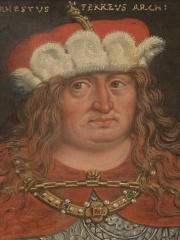
Ernest, Duke of Austria
POLITICIAN
1377 - 1424
HPI: 71.75
Rank: 4
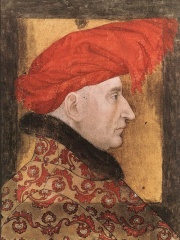
Louis II of Anjou
POLITICIAN
1377 - 1417
HPI: 70.88
Rank: 5
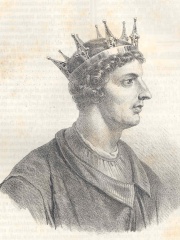
Ladislaus of Naples
POLITICIAN
1377 - 1414
HPI: 70.39
Rank: 6
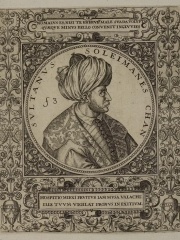
Süleyman Çelebi
POLITICIAN
1377 - 1411
HPI: 70.36
Rank: 7
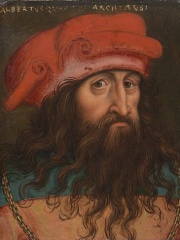
Albert IV, Duke of Austria
POLITICIAN
1377 - 1404
HPI: 70.27
Rank: 8
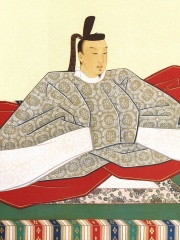
Emperor Go-Komatsu
POLITICIAN
1377 - 1433
HPI: 66.89
Rank: 9
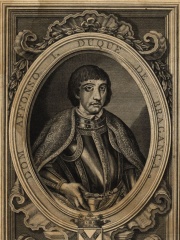
Afonso I, Duke of Braganza
POLITICIAN
1377 - 1461
HPI: 66.65
Rank: 10
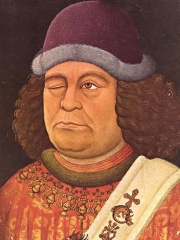
Oswald von Wolkenstein
WRITER
1377 - 1445
HPI: 63.69
Rank: 11

Edward III, Duke of Bar
NOBLEMAN
1377 - 1415
HPI: 59.97
Rank: 12
Others Deceased in 1447
Go to all Rankings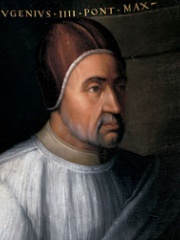
Pope Eugene IV
RELIGIOUS FIGURE
1383 - 1447
HPI: 80.91
Rank: 1
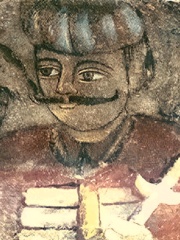
Vlad II Dracul
POLITICIAN
1395 - 1447
HPI: 75.27
Rank: 2
Shah Rukh
POLITICIAN
1377 - 1447
HPI: 74.37
Rank: 3
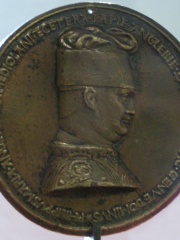
Filippo Maria Visconti
POLITICIAN
1392 - 1447
HPI: 70.53
Rank: 4
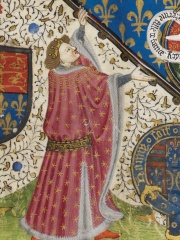
Humphrey, Duke of Gloucester
POLITICIAN
1390 - 1447
HPI: 70.42
Rank: 5
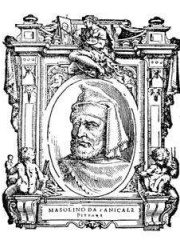
Masolino da Panicale
PAINTER
1383 - 1447
HPI: 69.85
Rank: 6

Mircea II of Wallachia
POLITICIAN
1422 - 1447
HPI: 69.33
Rank: 7
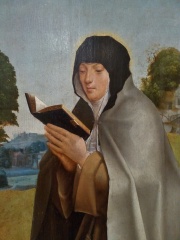
Colette of Corbie
RELIGIOUS FIGURE
1381 - 1447
HPI: 64.36
Rank: 8
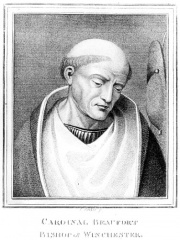
Henry Beaufort
POLITICIAN
1374 - 1447
HPI: 63.22
Rank: 9
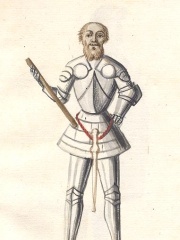
Louis VII, Duke of Bavaria
POLITICIAN
1368 - 1447
HPI: 63.11
Rank: 10
In ウズベキスタン
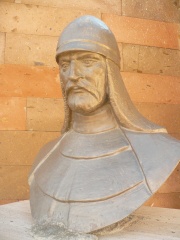
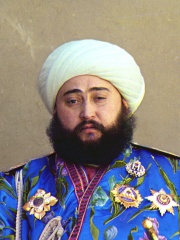
Among people born in ウズベキスタン, Shah Rukh ranks 8 out of NaN. Before him are Timur (1336), Muhammad al-Bukhari (810), Al-Biruni (973), Babur (1483), Islam Karimov (1938), and Al-Tirmidhi (824). After him are Abu Mansur al-Maturidi (893), Baha-ud-Din Naqshband Bukhari (1327), Shavkat Mirziyoyev (1957), Isma'il ibn Ahmad (849), Alp-Tegin (963), and Mohammed Alim Khan (1880).
Others born in ウズベキスタン
Go to all Rankings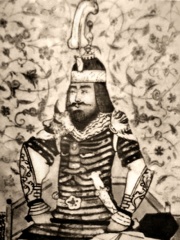
Timur
MILITARY PERSONNEL
1336 - 1405
HPI: 90.74
Rank: 2
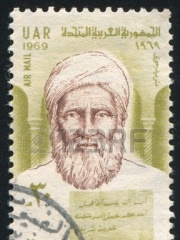
Muhammad al-Bukhari
RELIGIOUS FIGURE
810 - 870
HPI: 83.91
Rank: 3
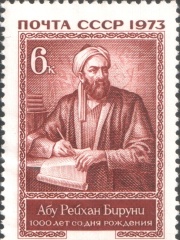
Al-Biruni
MATHEMATICIAN
973 - 1048
HPI: 83.73
Rank: 4
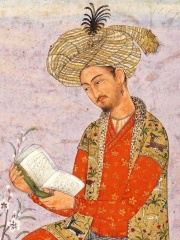
Babur
POLITICIAN
1483 - 1530
HPI: 81.60
Rank: 5
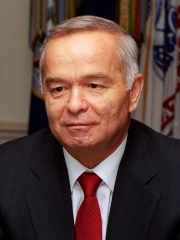
Islam Karimov
POLITICIAN
1938 - 2016
HPI: 76.96
Rank: 6
Al-Tirmidhi
RELIGIOUS FIGURE
824 - 892
HPI: 76.62
Rank: 7
Shah Rukh
POLITICIAN
1377 - 1447
HPI: 74.37
Rank: 8
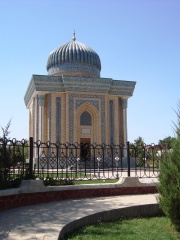
Abu Mansur al-Maturidi
RELIGIOUS FIGURE
893 - 944
HPI: 73.12
Rank: 9
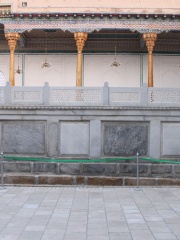
Baha-ud-Din Naqshband Bukhari
RELIGIOUS FIGURE
1327 - 1390
HPI: 73.10
Rank: 10
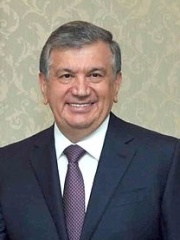
Shavkat Mirziyoyev
POLITICIAN
1957 - Present
HPI: 72.90
Rank: 11
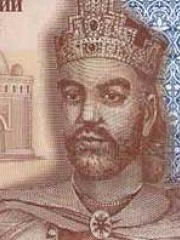
Isma'il ibn Ahmad
POLITICIAN
849 - 907
HPI: 71.47
Rank: 12
Alp-Tegin
POLITICIAN
963 - 963
HPI: 70.54
Rank: 13
Mohammed Alim Khan
POLITICIAN
1880 - 1944
HPI: 70.09
Rank: 14
Among 政治家 In ウズベキスタン
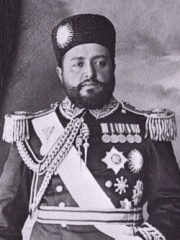
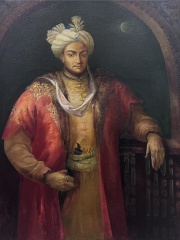
Among 政治家 born in ウズベキスタン, Shah Rukh ranks 3. Before him are Babur (1483), and Islam Karimov (1938). After him are Shavkat Mirziyoyev (1957), Isma'il ibn Ahmad (849), Alp-Tegin (963), Mohammed Alim Khan (1880), Habibullah Khan (1872), Abdal-Latif Mirza (1420), Yaqub Beg (1820), Abdullah Khan II (1533), and Abdulla Aripov (1962).
Babur
1483 - 1530
HPI: 81.60
Rank: 1
Islam Karimov
1938 - 2016
HPI: 76.96
Rank: 2
Shah Rukh
1377 - 1447
HPI: 74.37
Rank: 3
Shavkat Mirziyoyev
1957 - Present
HPI: 72.90
Rank: 4
Isma'il ibn Ahmad
849 - 907
HPI: 71.47
Rank: 5
Alp-Tegin
963 - 963
HPI: 70.54
Rank: 6
Mohammed Alim Khan
1880 - 1944
HPI: 70.09
Rank: 7
Habibullah Khan
1872 - 1919
HPI: 66.85
Rank: 8
Abdal-Latif Mirza
1420 - 1450
HPI: 66.47
Rank: 9
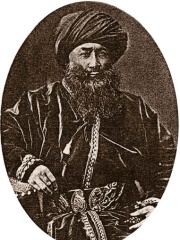
Yaqub Beg
1820 - 1877
HPI: 65.81
Rank: 10
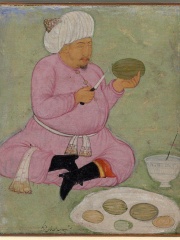
Abdullah Khan II
1533 - 1598
HPI: 65.22
Rank: 11
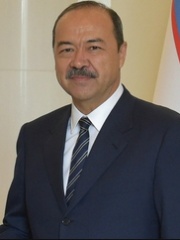
Abdulla Aripov
1962 - Present
HPI: 64.80
Rank: 12