军人
Timur
1336 - 1405
ZH.WIKIPEDIA PAGE VIEWS (PV)
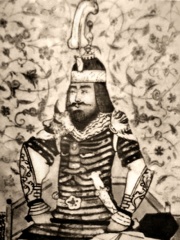
 Timur
Timur
帖木兒(波斯-阿拉伯文:تیمور, 1336年4月8日—1405年2月18日),突厥化蒙古人,或譯帖木耳,帖木兒汗國的創始埃米爾,為察合臺語「鐵」之意,出身於蒙古巴魯剌思氏部落,1362年起事時被打伤,從此跛腳,因此人称跛子帖木儿,另外帖木兒可操流利波斯語、突厥語及蒙古語。因為他娶了東察合台汗國可汗黑的儿火者的女儿为妻,所以又被稱為駙馬帖木儿。他打敗了西亞、南亞和中亞的其他國家,是帖木兒帝國的奠基人。 帖木兒背景多種族,頭蓋骨證明帖木兒是蒙古人混血,也是烏茲別克國家民族英雄。 在维基百科上阅读更多
他的传记在维基百科上提供 139 种语言版本(较 2024 年的 135 种增加)。Timur在最受欢迎的军人中排名第4位(较 2024 年的第3位下降),在乌兹别克斯坦人物传记中排名第2位,并在最受欢迎的乌兹别克斯坦军人中排名第1位。
Memorability Metrics
Page views of Timur by language
Among 军人
Among 军人, Timur ranks 4 out of 2,058. Before him are Genghis Khan, Alexander the Great, and Joan of Arc. After him are Charles de Gaulle, Chiang Kai-shek, Karl Dönitz, Bernard Montgomery, Adolf Eichmann, Charles XIV John of Sweden, Oda Nobunaga, and Erwin Rommel.
Most Popular 军人 in Wikipedia
Go to all Rankings
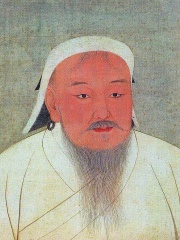
Genghis Khan
1162 - 1227
HPI: 98.43
Rank: 1
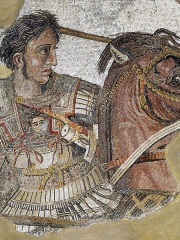
Alexander the Great
356 BC - 323 BC
HPI: 95.63
Rank: 2
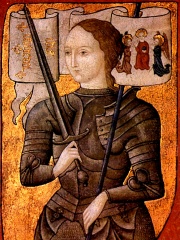
Joan of Arc
1412 - 1431
HPI: 91.02
Rank: 3
Timur
1336 - 1405
HPI: 90.74
Rank: 4
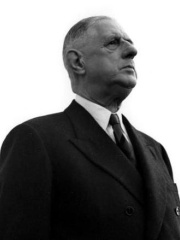
Charles de Gaulle
1890 - 1970
HPI: 86.70
Rank: 5
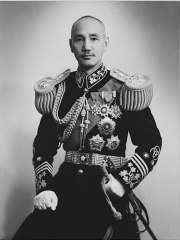
Chiang Kai-shek
1887 - 1975
HPI: 86.25
Rank: 6
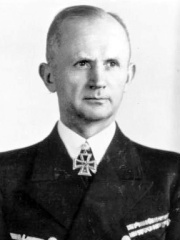
Karl Dönitz
1891 - 1980
HPI: 84.90
Rank: 7
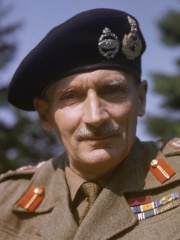
Bernard Montgomery
1887 - 1976
HPI: 84.19
Rank: 8

Adolf Eichmann
1906 - 1962
HPI: 83.12
Rank: 9
Charles XIV John of Sweden
1763 - 1844
HPI: 82.94
Rank: 10

Oda Nobunaga
1534 - 1582
HPI: 82.89
Rank: 11
Erwin Rommel
1891 - 1944
HPI: 82.62
Rank: 12

Contemporaries
Among people born in 1336, Timur ranks 1. After him are Stefan Uroš V, Albert I, Duke of Bavaria, Philip, Duke of Orléans, Olivier V de Clisson, Balthasar, Landgrave of Thuringia, Hồ Quý Ly, and Harihara I. Among people deceased in 1405, Timur ranks 1. After him are Jean Froissart, Margaret III, Countess of Flanders, Princess Milica of Serbia, Saray Mulk Khanum, and Jefimija.
Others Born in 1336
Go to all RankingsTimur
MILITARY PERSONNEL
1336 - 1405
HPI: 90.74
Rank: 1
Stefan Uroš V
POLITICIAN
1336 - 1371
HPI: 69.38
Rank: 2
Albert I, Duke of Bavaria
POLITICIAN
1336 - 1404
HPI: 68.45
Rank: 3

Philip, Duke of Orléans
POLITICIAN
1336 - 1375
HPI: 67.28
Rank: 4

Olivier V de Clisson
MILITARY PERSONNEL
1336 - 1407
HPI: 60.29
Rank: 5
Balthasar, Landgrave of Thuringia
POLITICIAN
1336 - 1406
HPI: 59.75
Rank: 6

Hồ Quý Ly
POLITICIAN
1336 - 1407
HPI: 58.95
Rank: 7
Harihara I
POLITICIAN
1336 - 1356
HPI: 56.87
Rank: 8
Others Deceased in 1405
Go to all RankingsTimur
MILITARY PERSONNEL
1336 - 1405
HPI: 90.74
Rank: 1
Jean Froissart
WRITER
1337 - 1405
HPI: 70.18
Rank: 2
Margaret III, Countess of Flanders
POLITICIAN
1350 - 1405
HPI: 69.79
Rank: 3

Princess Milica of Serbia
POLITICIAN
1335 - 1405
HPI: 65.95
Rank: 4

Saray Mulk Khanum
POLITICIAN
1341 - 1405
HPI: 65.38
Rank: 5
Jefimija
WRITER
1349 - 1405
HPI: 60.02
Rank: 6
In 乌兹别克斯坦
Among people born in 乌兹别克斯坦, Timur ranks 2 out of NaN. Before him are Avicenna (980). After him are Muhammad al-Bukhari (810), Al-Biruni (973), Babur (1483), Islam Karimov (1938), Al-Tirmidhi (824), Shah Rukh (1377), Abu Mansur al-Maturidi (893), Baha-ud-Din Naqshband Bukhari (1327), Shavkat Mirziyoyev (1957), and Isma'il ibn Ahmad (849).
Others born in 乌兹别克斯坦
Go to all Rankings
Avicenna
PHILOSOPHER
980 - 1037
HPI: 92.05
Rank: 1
Timur
MILITARY PERSONNEL
1336 - 1405
HPI: 90.74
Rank: 2
Muhammad al-Bukhari
RELIGIOUS FIGURE
810 - 870
HPI: 83.91
Rank: 3
Al-Biruni
MATHEMATICIAN
973 - 1048
HPI: 83.73
Rank: 4
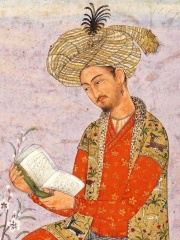
Babur
POLITICIAN
1483 - 1530
HPI: 81.60
Rank: 5
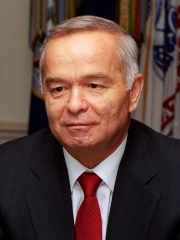
Islam Karimov
POLITICIAN
1938 - 2016
HPI: 76.96
Rank: 6

Al-Tirmidhi
RELIGIOUS FIGURE
824 - 892
HPI: 76.62
Rank: 7
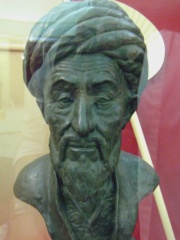
Shah Rukh
POLITICIAN
1377 - 1447
HPI: 74.37
Rank: 8
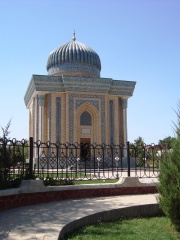
Abu Mansur al-Maturidi
RELIGIOUS FIGURE
893 - 944
HPI: 73.12
Rank: 9

Baha-ud-Din Naqshband Bukhari
RELIGIOUS FIGURE
1327 - 1390
HPI: 73.10
Rank: 10
Shavkat Mirziyoyev
POLITICIAN
1957 - Present
HPI: 72.90
Rank: 11
Isma'il ibn Ahmad
POLITICIAN
849 - 907
HPI: 71.47
Rank: 12
Among 军人 In 乌兹别克斯坦
Among 军人 born in 乌兹别克斯坦, Timur ranks 1. After him are Gennady Zhidko (1965), and Azatbek Omurbekov (1983).
Timur
1336 - 1405
HPI: 90.74
Rank: 1
Gennady Zhidko
1965 - 2023
HPI: 56.21
Rank: 2
Azatbek Omurbekov
1983 - Present
HPI: 44.89
Rank: 3