哲学者
Mencius
372 BC - 289 BC
JA.WIKIPEDIA PAGE VIEWS (PV)
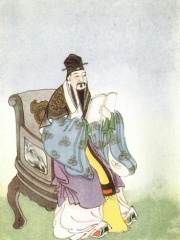
 Mencius
孟子(もうし、簡体字: 孟子、拼音: Mèngzǐ、紀元前372年3月12日 - 紀元前290年12月21日)は、中国戦国時代の儒学思想家。姓は孟、諱は軻(か)、字は子輿(しよ)と伝わる。「子」は先生という意味で尊称で、後世に亞聖(あせい)とも称される。孔子の孫である子思の門人に学業を受けたとされ、朱子学では孔子に次いで重要な人物とされる。 ウィキペディアで詳細を読む
His biography is available in 74 different languages on Wikipedia. Mencius is the 91st most popular 哲学者 (down from 83rd in 2024), the 27th most popular biography from China (up from 28th in 2019) and the 6th most popular Chinese 哲学者.
Mencius is most famous for his philosophy of human nature. He believed that humans are inherently good and that the mind is a blank slate.
Memorability Metrics
Page views of Mencius by language
Among 哲学者
Among 哲学者, Mencius ranks 91 out of 1,267. Before him are Theophrastus, Porphyry, Athanasius of Alexandria, Rudolf Christoph Eucken, Giovanni Pico della Mirandola, and Jürgen Habermas. After him are Johann Gottfried Herder, John of Damascus, Aristippus, George Berkeley, Pierre-Joseph Proudhon, and Carl von Clausewitz.
Most Popular 哲学者 in Wikipedia
Go to all Rankings
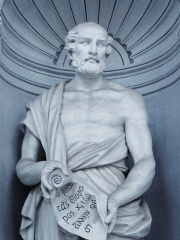
Theophrastus
371 BC - 287 BC
HPI: 80.19
Rank: 85
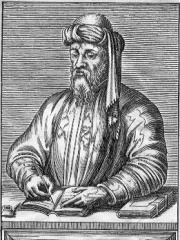
Porphyry
233 - 305
HPI: 80.06
Rank: 86
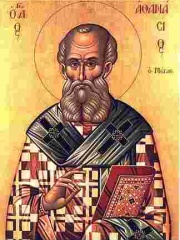
Athanasius of Alexandria
295 - 373
HPI: 79.92
Rank: 87
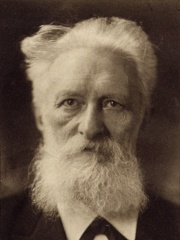
Rudolf Christoph Eucken
1846 - 1926
HPI: 79.85
Rank: 88
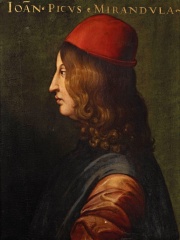
Giovanni Pico della Mirandola
1463 - 1494
HPI: 79.56
Rank: 89
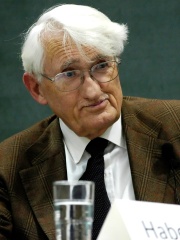
Jürgen Habermas
1929 - Present
HPI: 79.46
Rank: 90
Mencius
372 BC - 289 BC
HPI: 79.37
Rank: 91
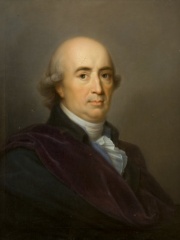
Johann Gottfried Herder
1744 - 1803
HPI: 79.32
Rank: 92
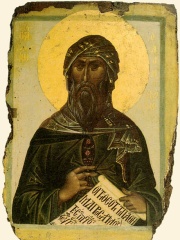
John of Damascus
676 - 749
HPI: 79.22
Rank: 93
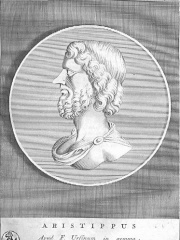
Aristippus
434 BC - 355 BC
HPI: 79.14
Rank: 94
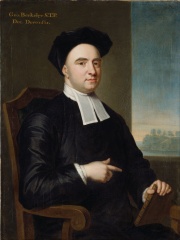
George Berkeley
1685 - 1753
HPI: 79.13
Rank: 95
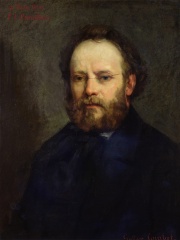
Pierre-Joseph Proudhon
1809 - 1865
HPI: 79.12
Rank: 96
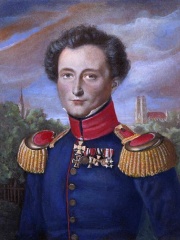
Carl von Clausewitz
1780 - 1831
HPI: 79.09
Rank: 97

Contemporaries
Among people born in 372 BC, Mencius ranks 1. After him is Alexis. Among people deceased in 289 BC, Mencius ranks 1. After him is Agathocles of Syracuse.
Others Born in 372 BC
Go to all Rankings
Others Deceased in 289 BC
Go to all RankingsMencius
PHILOSOPHER
372 BC - 289 BC
HPI: 79.37
Rank: 1
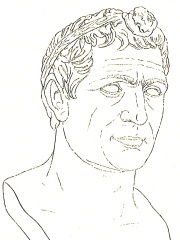
Agathocles of Syracuse
POLITICIAN
361 BC - 289 BC
HPI: 71.47
Rank: 2
In China
Among people born in China, Mencius ranks 27 out of 1,610. Before him are Hu Jintao (1942), Zhu Xi (1130), Empress Dowager Cixi (1835), Cao Cao (155), Temür Khan (1265), and Toghon Temür (1320). After him are Qianlong Emperor (1711), Kanishka (78), Cai Lun (48), Jiang Zemin (1926), Toshiro Mifune (1920), and Zhuge Liang (181).
Others born in China
Go to all Rankings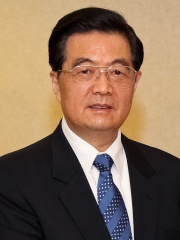
Hu Jintao
POLITICIAN
1942 - Present
HPI: 81.29
Rank: 21
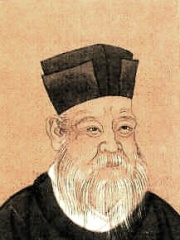
Zhu Xi
PHILOSOPHER
1130 - 1200
HPI: 81.27
Rank: 22
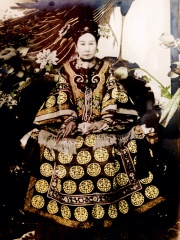
Empress Dowager Cixi
POLITICIAN
1835 - 1908
HPI: 80.65
Rank: 23
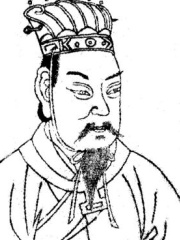
Cao Cao
MILITARY PERSONNEL
155 - 220
HPI: 80.54
Rank: 24
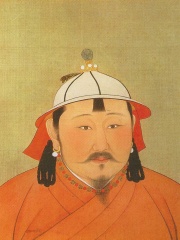
Temür Khan
POLITICIAN
1265 - 1307
HPI: 79.82
Rank: 25
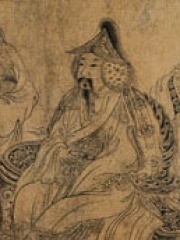
Toghon Temür
POLITICIAN
1320 - 1370
HPI: 79.46
Rank: 26
Mencius
PHILOSOPHER
372 BC - 289 BC
HPI: 79.37
Rank: 27
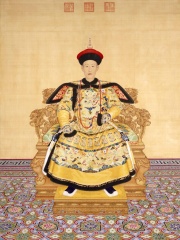
Qianlong Emperor
POLITICIAN
1711 - 1799
HPI: 79.27
Rank: 28
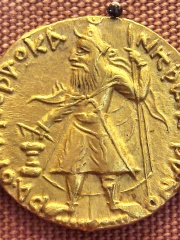
Kanishka
POLITICIAN
78 - 144
HPI: 79.23
Rank: 29
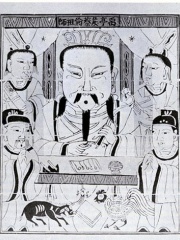
Cai Lun
INVENTOR
48 - 121
HPI: 79.13
Rank: 30
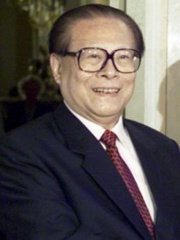
Jiang Zemin
POLITICIAN
1926 - 2022
HPI: 79.12
Rank: 31
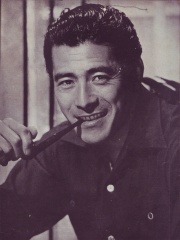
Toshiro Mifune
ACTOR
1920 - 1997
HPI: 79.11
Rank: 32
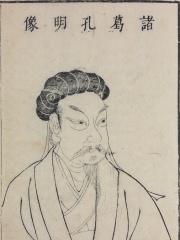
Zhuge Liang
ENGINEER
181 - 234
HPI: 79.02
Rank: 33
Among 哲学者 In China
Among 哲学者 born in China, Mencius ranks 6. Before him are Confucius (-551), Laozi (-604), Sun Tzu (-544), Zhuang Zhou (-369), and Zhu Xi (1130). After him are Mozi (-470), Han Fei (-280), Xun Kuang (-313), Milarepa (1052), Shen Kuo (1031), and Wang Yangming (1472).
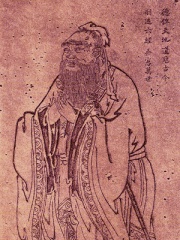
Confucius
551 BC - 479 BC
HPI: 93.57
Rank: 1
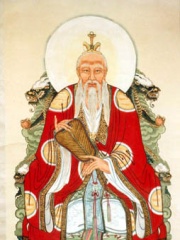
Laozi
604 BC - 600 BC
HPI: 91.85
Rank: 2
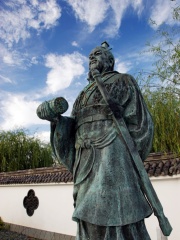
Sun Tzu
544 BC - 496 BC
HPI: 83.60
Rank: 3
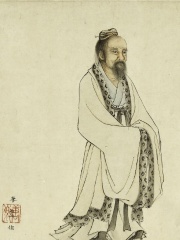
Zhuang Zhou
369 BC - 286 BC
HPI: 81.63
Rank: 4
Zhu Xi
1130 - 1200
HPI: 81.27
Rank: 5
Mencius
372 BC - 289 BC
HPI: 79.37
Rank: 6
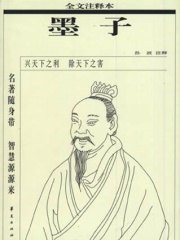
Mozi
470 BC - 391 BC
HPI: 76.56
Rank: 7
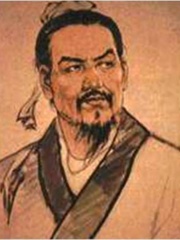
Han Fei
280 BC - 232 BC
HPI: 75.88
Rank: 8
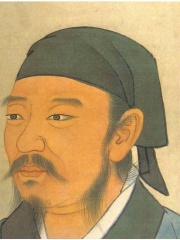
Xun Kuang
313 BC - 238 BC
HPI: 75.28
Rank: 9

Milarepa
1052 - 1135
HPI: 72.51
Rank: 10
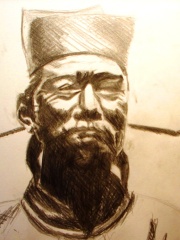
Shen Kuo
1031 - 1095
HPI: 72.33
Rank: 11
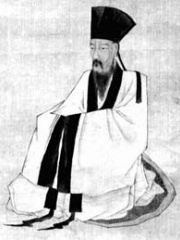
Wang Yangming
1472 - 1529
HPI: 70.74
Rank: 12