哲学者
Han Fei
280 BC - 232 BC
JA.WIKIPEDIA PAGE VIEWS (PV)
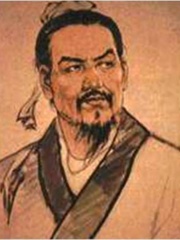
 Han Fei
韓 非(かん ぴ、拼音: Hán Fēi、紀元前280年? - 紀元前233年)は、中国戦国時代の思想家。『韓非子』の著者。法家の代表的人物。 ウィキペディアで詳細を読む
His biography is available in 58 different languages on Wikipedia (up from 57 in 2024). Han Fei is the 153rd most popular 哲学者 (up from 164th in 2024), the 56th most popular biography from China (up from 60th in 2019) and the 8th most popular Chinese 哲学者.
Han Fei is most famous for his philosophy of Legalism, which advocates strict adherence to the law and harsh punishment for those who disobey.
Memorability Metrics
Page views of Han Fei by language
Among 哲学者
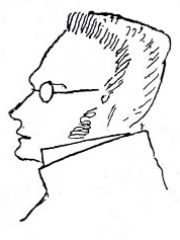
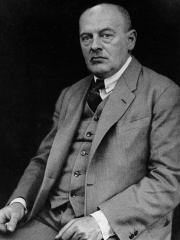
Among 哲学者, Han Fei ranks 153 out of 1,267. Before him are Alexander Gottlieb Baumgarten, Isocrates, Proclus, Buddhaghosa, Emanuel Swedenborg, and John Venn. After him are Louis Althusser, Friedrich Schleiermacher, György Lukács, Clement of Alexandria, Max Stirner, and Max Scheler.
Most Popular 哲学者 in Wikipedia
Go to all Rankings
Alexander Gottlieb Baumgarten
1714 - 1762
HPI: 76.20
Rank: 147
Isocrates
436 BC - 338 BC
HPI: 76.16
Rank: 148
Proclus
412 - 485
HPI: 76.09
Rank: 149

Buddhaghosa
401 - 500
HPI: 76.08
Rank: 150
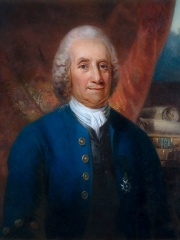
Emanuel Swedenborg
1688 - 1772
HPI: 76.06
Rank: 151
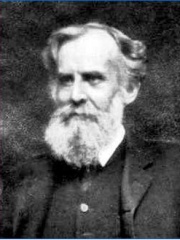
John Venn
1834 - 1923
HPI: 75.89
Rank: 152
Han Fei
280 BC - 232 BC
HPI: 75.88
Rank: 153

Louis Althusser
1918 - 1990
HPI: 75.82
Rank: 154
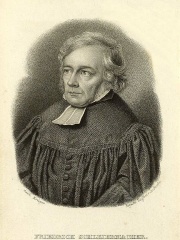
Friedrich Schleiermacher
1768 - 1834
HPI: 75.81
Rank: 155
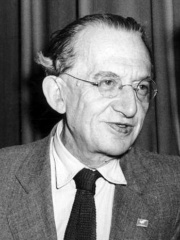
György Lukács
1885 - 1971
HPI: 75.73
Rank: 156

Clement of Alexandria
150 - 215
HPI: 75.69
Rank: 157
Max Stirner
1806 - 1856
HPI: 75.62
Rank: 158
Max Scheler
1874 - 1928
HPI: 75.62
Rank: 159

Contemporaries
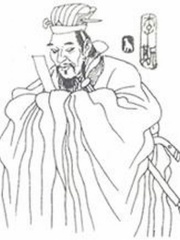
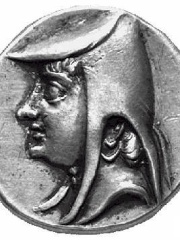
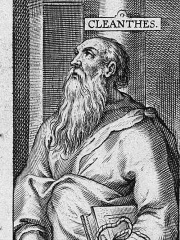
Among people born in 280 BC, Han Fei ranks 1. After him are Li Si, Livius Andronicus, Philo of Byzantium, Arsaces I of Parthia, Conon of Samos, Ariamnes of Cappadocia, Pyrrhus II of Epirus, Nicomedes, and Marcus Aemilius Lepidus. Among people deceased in 232 BC, Han Fei ranks 2. Before him is Ashoka. After him is Cleanthes.
Others Born in 280 BC
Go to all RankingsHan Fei
PHILOSOPHER
280 BC - 232 BC
HPI: 75.88
Rank: 1
Li Si
POLITICIAN
280 BC - 208 BC
HPI: 74.90
Rank: 2

Livius Andronicus
WRITER
280 BC - 200 BC
HPI: 73.96
Rank: 3

Philo of Byzantium
ENGINEER
280 BC - 220 BC
HPI: 69.80
Rank: 4
Arsaces I of Parthia
POLITICIAN
280 BC - 217 BC
HPI: 68.45
Rank: 5

Conon of Samos
MATHEMATICIAN
280 BC - 221 BC
HPI: 67.38
Rank: 6
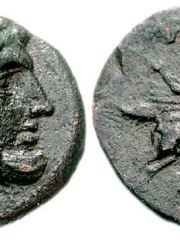
Ariamnes of Cappadocia
POLITICIAN
280 BC - 260 BC
HPI: 60.73
Rank: 7

Pyrrhus II of Epirus
POLITICIAN
280 BC - 234 BC
HPI: 59.23
Rank: 8

Nicomedes
MATHEMATICIAN
280 BC - 210 BC
HPI: 58.73
Rank: 9

Marcus Aemilius Lepidus
POLITICIAN
280 BC - 216 BC
HPI: 53.22
Rank: 10
Others Deceased in 232 BC
Go to all Rankings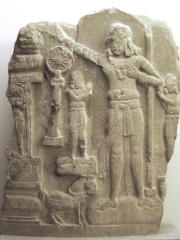
In China
Among people born in China, Han Fei ranks 56 out of 1,610. Before him are Mozi (-470), Hong Taiji (1592), Gao Xingjian (1940), Emperor Gaozu of Tang (566), Shunzhi Emperor (1638), and Li Ching-Yuen (1677). After him are Sun Quan (182), Yongzheng Emperor (1678), Guangxu Emperor (1871), Xun Kuang (-313), Liu Shaoqi (1898), and Sima Yi (179).
Others born in China
Go to all Rankings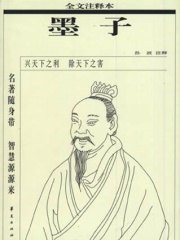
Mozi
PHILOSOPHER
470 BC - 391 BC
HPI: 76.56
Rank: 50
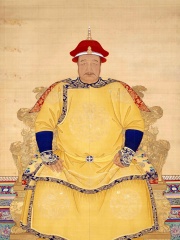
Hong Taiji
POLITICIAN
1592 - 1643
HPI: 76.49
Rank: 51
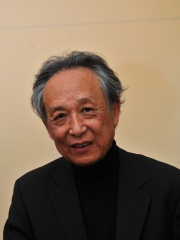
Gao Xingjian
WRITER
1940 - Present
HPI: 76.23
Rank: 52
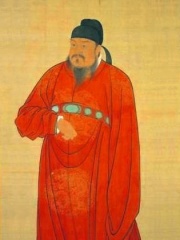
Emperor Gaozu of Tang
POLITICIAN
566 - 635
HPI: 76.08
Rank: 53
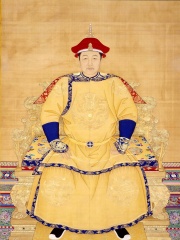
Shunzhi Emperor
POLITICIAN
1638 - 1661
HPI: 75.98
Rank: 54
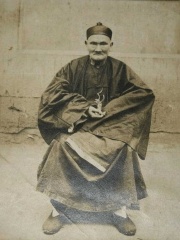
Li Ching-Yuen
PHYSICIAN
1677 - 1933
HPI: 75.98
Rank: 55
Han Fei
PHILOSOPHER
280 BC - 232 BC
HPI: 75.88
Rank: 56
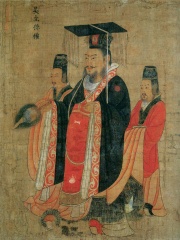
Sun Quan
POLITICIAN
182 - 252
HPI: 75.83
Rank: 57
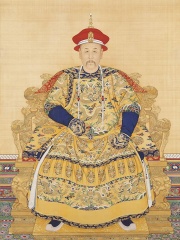
Yongzheng Emperor
POLITICIAN
1678 - 1735
HPI: 75.39
Rank: 58
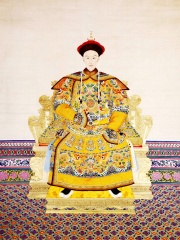
Guangxu Emperor
POLITICIAN
1871 - 1908
HPI: 75.30
Rank: 59
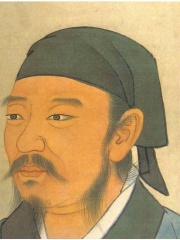
Xun Kuang
PHILOSOPHER
313 BC - 238 BC
HPI: 75.28
Rank: 60
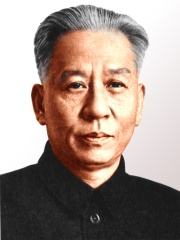
Liu Shaoqi
POLITICIAN
1898 - 1969
HPI: 75.28
Rank: 61
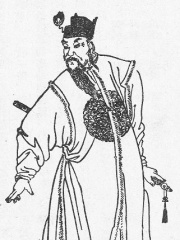
Sima Yi
POLITICIAN
179 - 251
HPI: 75.25
Rank: 62
Among 哲学者 In China
Among 哲学者 born in China, Han Fei ranks 8. Before him are Laozi (-604), Sun Tzu (-544), Zhuang Zhou (-369), Zhu Xi (1130), Mencius (-372), and Mozi (-470). After him are Xun Kuang (-313), Milarepa (1052), Shen Kuo (1031), Wang Yangming (1472), Han Yu (768), and Ban Zhao (45).
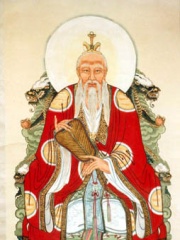
Laozi
604 BC - 600 BC
HPI: 91.85
Rank: 2
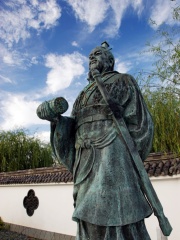
Sun Tzu
544 BC - 496 BC
HPI: 83.60
Rank: 3
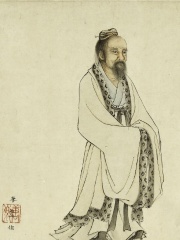
Zhuang Zhou
369 BC - 286 BC
HPI: 81.63
Rank: 4
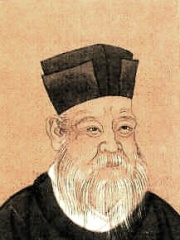
Zhu Xi
1130 - 1200
HPI: 81.27
Rank: 5
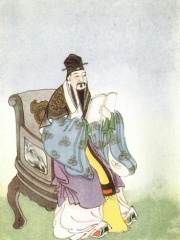
Mencius
372 BC - 289 BC
HPI: 79.37
Rank: 6
Mozi
470 BC - 391 BC
HPI: 76.56
Rank: 7
Han Fei
280 BC - 232 BC
HPI: 75.88
Rank: 8
Xun Kuang
313 BC - 238 BC
HPI: 75.28
Rank: 9

Milarepa
1052 - 1135
HPI: 72.51
Rank: 10
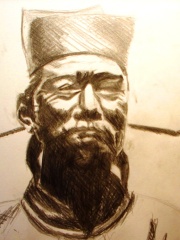
Shen Kuo
1031 - 1095
HPI: 72.33
Rank: 11
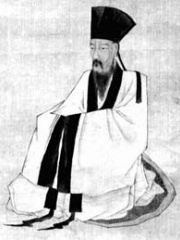
Wang Yangming
1472 - 1529
HPI: 70.74
Rank: 12
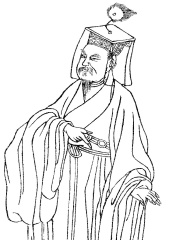
Han Yu
768 - 824
HPI: 69.83
Rank: 13

Ban Zhao
45 - 115
HPI: 68.55
Rank: 14