哲学家
Thomas More
1478 - 1535
ZH.WIKIPEDIA PAGE VIEWS (PV)
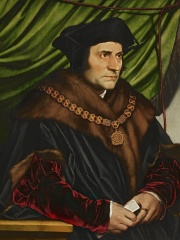
 Thomas More
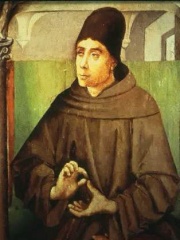
托马斯·莫尔爵士(英語:Sir Thomas More;1478年2月7日—1535年7月6日),英格兰政治人物、作家、哲学家与空想社会主义者,為北方文艺复兴的代表人物之一。1516年用拉丁文写成《乌托邦》一书,此书对以后社会主义思想的发展有很大影响,被认为是“社会主义发展史五百年的起点 ”。 1478年生于伦敦的法官家庭,曾当过律师、财政副大臣、蘭開斯特公爵領地事務大臣、下議院議長、大法官。1535年,因反对英格兰国王亨利八世在英国自创圣公宗並實施政教合一政策,被亨利八世处死。 在维基百科上阅读更多
他的传记在维基百科上提供 97 种语言版本。Thomas More在最受欢迎的哲学家中排名第63位(较 2024 年的第54位下降),在英国人物传记中排名第94位(较 2019 年的第53位下降),并在最受欢迎的英国哲学家中排名第5位。
Memorability Metrics
Page views of Thomas More by language
Among 哲学家
Among 哲学家, Thomas More ranks 63 out of 1,267. Before him are Plotinus, Karl Popper, Ramakrishna, Zeno of Elea, Zhuang Zhou, and Epictetus. After him are Johann Gottlieb Fichte, Zhu Xi, Antonio Gramsci, Zeno of Citium, Xenophanes, and Gorgias.
Most Popular 哲学家 in Wikipedia
Go to all Rankings
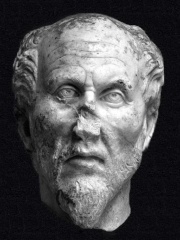
Plotinus
203 - 270
HPI: 82.09
Rank: 57
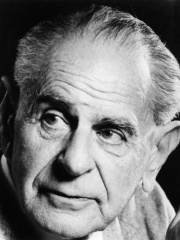
Karl Popper
1902 - 1994
HPI: 81.86
Rank: 58
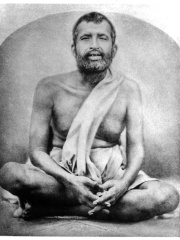
Ramakrishna
1836 - 1886
HPI: 81.84
Rank: 59
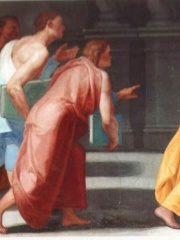
Zeno of Elea
490 BC - 425 BC
HPI: 81.64
Rank: 60
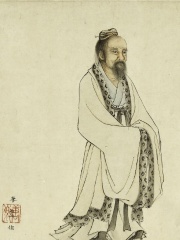
Zhuang Zhou
369 BC - 286 BC
HPI: 81.63
Rank: 61
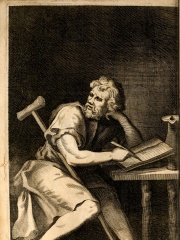
Epictetus
50 - 135
HPI: 81.53
Rank: 62
Thomas More
1478 - 1535
HPI: 81.52
Rank: 63
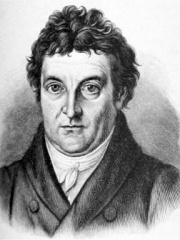
Johann Gottlieb Fichte
1762 - 1814
HPI: 81.40
Rank: 64
Zhu Xi
1130 - 1200
HPI: 81.27
Rank: 65
Antonio Gramsci
1891 - 1937
HPI: 80.94
Rank: 66
Zeno of Citium
334 BC - 263 BC
HPI: 80.94
Rank: 67
Xenophanes
570 BC - 475 BC
HPI: 80.90
Rank: 68
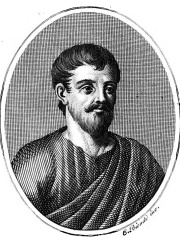
Gorgias
483 BC - 375 BC
HPI: 80.90
Rank: 69

Contemporaries
Among people born in 1478, Thomas More ranks 4. Before him are Pope Clement VII, Francisco Pizarro, and Hayreddin Barbarossa. After him are Philip I of Castile, Giorgione, Baldassare Castiglione, Jan Gossaert, John, Prince of Asturias, Pánfilo de Narváez, Sancha of Aragon, and Barbara Jagiellon. Among people deceased in 1535, Thomas More ranks 1. After him are Heinrich Cornelius Agrippa, Kamāl ud-Dīn Behzād, Francesco II Sforza, Lorenzo Costa, Catherine of Saxe-Lauenburg, Joachim I Nestor, Elector of Brandenburg, Ippolito de' Medici, John Fisher, Gustav Trolle, and Bartolomeo Tromboncino.
Others Born in 1478
Go to all Rankings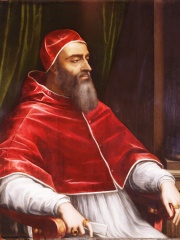
Pope Clement VII
RELIGIOUS FIGURE
1478 - 1534
HPI: 84.95
Rank: 1
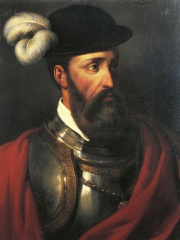
Francisco Pizarro
EXPLORER
1478 - 1541
HPI: 82.05
Rank: 2
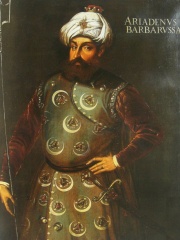
Hayreddin Barbarossa
PIRATE
1478 - 1546
HPI: 81.62
Rank: 3
Thomas More
PHILOSOPHER
1478 - 1535
HPI: 81.52
Rank: 4
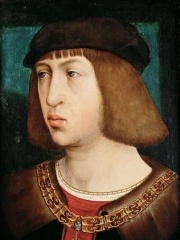
Philip I of Castile
POLITICIAN
1478 - 1506
HPI: 81.29
Rank: 5
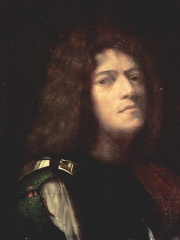
Giorgione
PAINTER
1478 - 1510
HPI: 79.60
Rank: 6
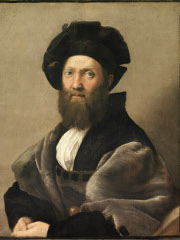
Baldassare Castiglione
WRITER
1478 - 1529
HPI: 73.29
Rank: 7
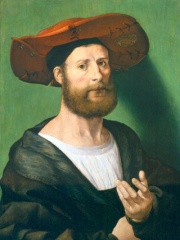
Jan Gossaert
PAINTER
1478 - 1532
HPI: 71.49
Rank: 8
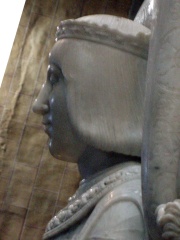
John, Prince of Asturias
POLITICIAN
1478 - 1497
HPI: 70.38
Rank: 9
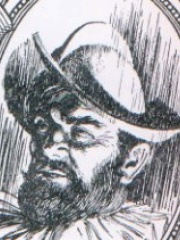
Pánfilo de Narváez
EXPLORER
1478 - 1528
HPI: 66.34
Rank: 10
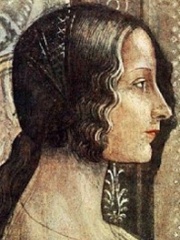
Sancha of Aragon
NOBLEMAN
1478 - 1506
HPI: 63.86
Rank: 11
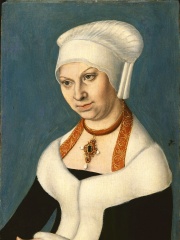
Barbara Jagiellon
POLITICIAN
1478 - 1534
HPI: 63.68
Rank: 12
Others Deceased in 1535
Go to all RankingsThomas More
PHILOSOPHER
1478 - 1535
HPI: 81.52
Rank: 1
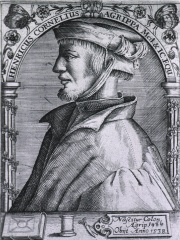
Heinrich Cornelius Agrippa
OCCULTIST
1486 - 1535
HPI: 73.53
Rank: 2
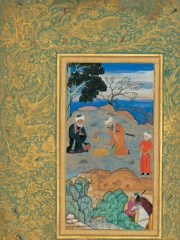
Kamāl ud-Dīn Behzād
PAINTER
1450 - 1535
HPI: 70.60
Rank: 3
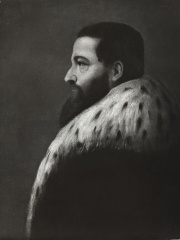
Francesco II Sforza
POLITICIAN
1495 - 1535
HPI: 69.56
Rank: 4
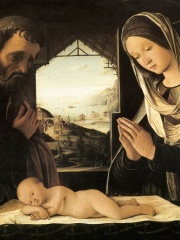
Lorenzo Costa
PAINTER
1460 - 1535
HPI: 69.47
Rank: 5
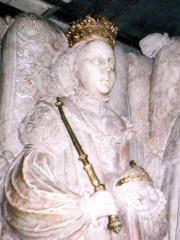
Catherine of Saxe-Lauenburg
POLITICIAN
1513 - 1535
HPI: 67.79
Rank: 6
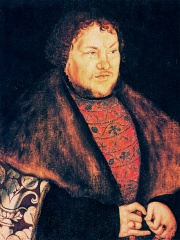
Joachim I Nestor, Elector of Brandenburg
POLITICIAN
1484 - 1535
HPI: 66.68
Rank: 7
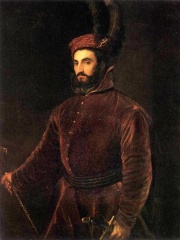
Ippolito de' Medici
RELIGIOUS FIGURE
1511 - 1535
HPI: 66.11
Rank: 8
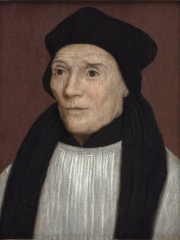
John Fisher
RELIGIOUS FIGURE
1469 - 1535
HPI: 65.73
Rank: 9
Gustav Trolle
RELIGIOUS FIGURE
1488 - 1535
HPI: 62.95
Rank: 10
Bartolomeo Tromboncino
COMPOSER
1470 - 1535
HPI: 61.07
Rank: 11
In 英国
Among people born in 英国, Thomas More ranks 94 out of NaN. Before him are Olav V of Norway (1903), Edward the Martyr (962), Virginia Woolf (1882), Francis Drake (1540), Charles Babbage (1791), and Princess Alice of Battenberg (1885). After him are Joseph Lister (1827), Queen Elizabeth The Queen Mother (1900), Sean Connery (1930), Edward Jenner (1749), William Wallace (1270), and Oliver Cromwell (1599).
Others born in 英国
Go to all Rankings
Olav V of Norway
POLITICIAN
1903 - 1991
HPI: 81.84
Rank: 88
Edward the Martyr
POLITICIAN
962 - 978
HPI: 81.82
Rank: 89
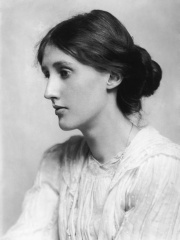
Virginia Woolf
WRITER
1882 - 1941
HPI: 81.81
Rank: 90
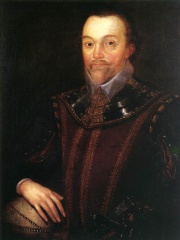
Francis Drake
EXPLORER
1540 - 1596
HPI: 81.71
Rank: 91
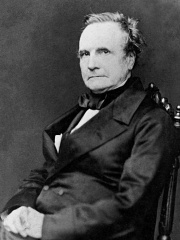
Charles Babbage
INVENTOR
1791 - 1871
HPI: 81.59
Rank: 92
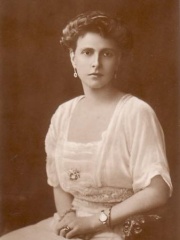
Princess Alice of Battenberg
NOBLEMAN
1885 - 1969
HPI: 81.55
Rank: 93
Thomas More
PHILOSOPHER
1478 - 1535
HPI: 81.52
Rank: 94
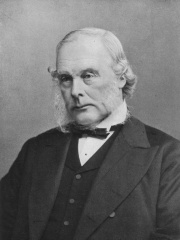
Joseph Lister
PHYSICIAN
1827 - 1912
HPI: 81.46
Rank: 95
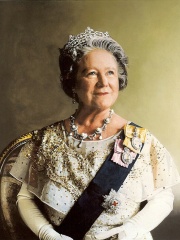
Queen Elizabeth The Queen Mother
NOBLEMAN
1900 - 2002
HPI: 81.23
Rank: 96
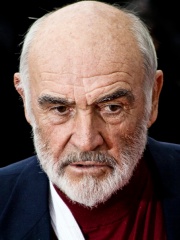
Sean Connery
ACTOR
1930 - 2020
HPI: 81.18
Rank: 97
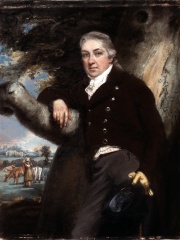
Edward Jenner
PHYSICIAN
1749 - 1823
HPI: 81.13
Rank: 98
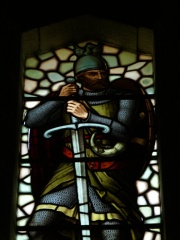
William Wallace
MILITARY PERSONNEL
1270 - 1305
HPI: 80.95
Rank: 99
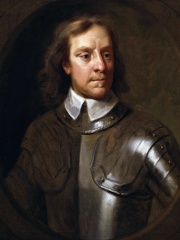
Oliver Cromwell
POLITICIAN
1599 - 1658
HPI: 80.90
Rank: 100
Among 哲学家 In 英国
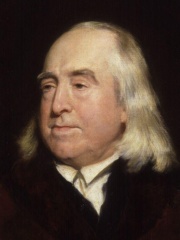
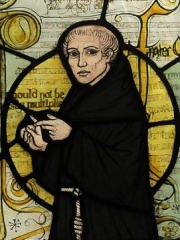
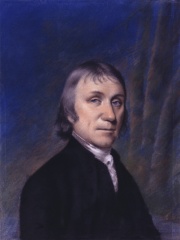
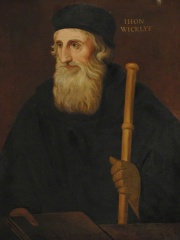
Among 哲学家 born in 英国, Thomas More ranks 5. Before him are Francis Bacon (1561), John Locke (1632), Thomas Hobbes (1588), and David Hume (1711). After him are Herbert Spencer (1820), Roger Bacon (1220), Jeremy Bentham (1748), William of Ockham (1285), Joseph Priestley (1733), John Wycliffe (1324), and Duns Scotus (1265).
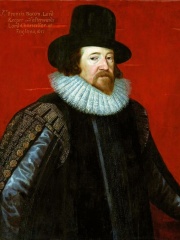
Francis Bacon
1561 - 1626
HPI: 90.32
Rank: 1
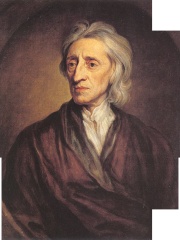
John Locke
1632 - 1704
HPI: 87.94
Rank: 2
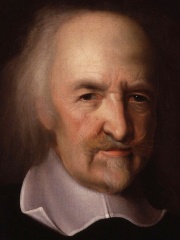
Thomas Hobbes
1588 - 1679
HPI: 85.75
Rank: 3
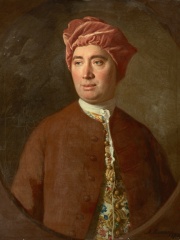
David Hume
1711 - 1776
HPI: 83.28
Rank: 4
Thomas More
1478 - 1535
HPI: 81.52
Rank: 5
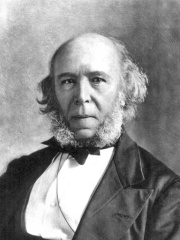
Herbert Spencer
1820 - 1903
HPI: 80.25
Rank: 6
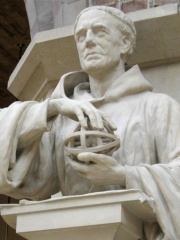
Roger Bacon
1220 - 1292
HPI: 78.55
Rank: 7
Jeremy Bentham
1748 - 1832
HPI: 78.36
Rank: 8
William of Ockham
1285 - 1347
HPI: 77.99
Rank: 9
Joseph Priestley
1733 - 1804
HPI: 76.90
Rank: 10
John Wycliffe
1324 - 1384
HPI: 76.81
Rank: 11
Duns Scotus
1265 - 1308
HPI: 76.64
Rank: 12