Философ
Epicurus
341 BC - 269 BC
RU.WIKIPEDIA PAGE VIEWS (PV)
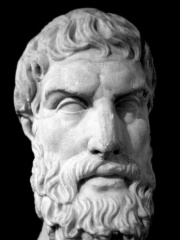
 Epicurus
Эпику́р (др.-греч. Ἐπίκουρος; 342/341 до н. э., Самос — 271/270 до н. э., Афины) — древнегреческий философ, основатель эпикуреизма в Афинах («Сад Эпикура»). Подробнее в Википедии
His biography is available in 95 different languages on Wikipedia (up from 94 in 2024). Epicurus is the 28th most popular философ (down from 23rd in 2024), the 11th most popular biography from Greece (up from 12th in 2019) and the 6th most popular Greek Философ.
Epicurus is most famous for his philosophy of hedonism, which is the idea that the greatest pleasure is the absence of pain. He also believed that the soul dies with the body, and that there is no afterlife.
Memorability Metrics
Page views of Epicurus by language
Among Философ
Among философ, Epicurus ranks 28 out of 1,267. Before him are Georg Wilhelm Friedrich Hegel, John Locke, Arthur Schopenhauer, Montesquieu, Democritus, and Seneca the Younger. After him are Averroes, Al-Ghazali, Thomas Hobbes, Friedrich Engels, Auguste Comte, and Martin Heidegger.
Most Popular Философ in Wikipedia
Go to all Rankings
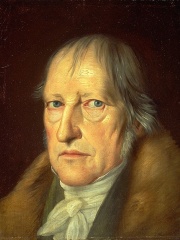
Georg Wilhelm Friedrich Hegel
1770 - 1831
HPI: 88.27
Rank: 22
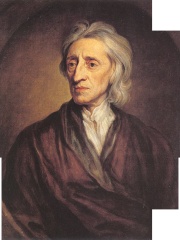
John Locke
1632 - 1704
HPI: 87.94
Rank: 23
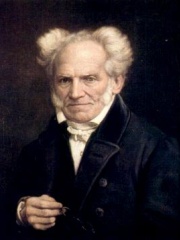
Arthur Schopenhauer
1788 - 1860
HPI: 87.55
Rank: 24
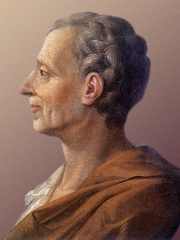
Montesquieu
1689 - 1755
HPI: 87.46
Rank: 25
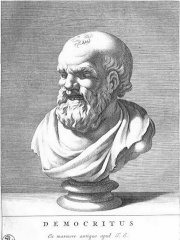
Democritus
460 BC - 360 BC
HPI: 86.85
Rank: 26
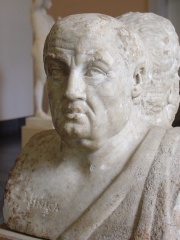
Seneca the Younger
4 BC - 65
HPI: 86.81
Rank: 27
Epicurus
341 BC - 269 BC
HPI: 86.65
Rank: 28
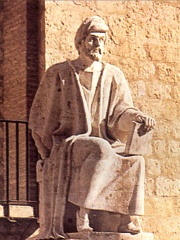
Averroes
1126 - 1198
HPI: 86.05
Rank: 29

Al-Ghazali
1058 - 1111
HPI: 85.99
Rank: 30
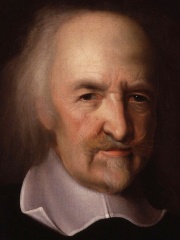
Thomas Hobbes
1588 - 1679
HPI: 85.75
Rank: 31
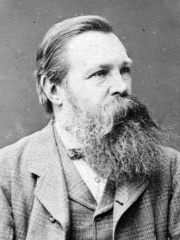
Friedrich Engels
1820 - 1895
HPI: 85.72
Rank: 32
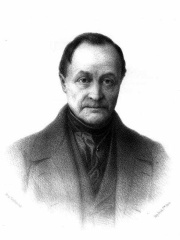
Auguste Comte
1798 - 1857
HPI: 85.43
Rank: 33
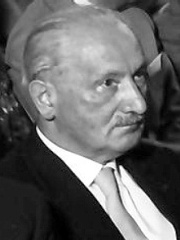
Martin Heidegger
1889 - 1976
HPI: 84.92
Rank: 34

Contemporaries
Among people born in 341 BC, Epicurus ranks 1. After him is Emperor Kōrei. Among people deceased in 269 BC, Epicurus ranks 1. After him is Strato of Lampsacus.
Others Born in 341 BC
Go to all RankingsEpicurus
PHILOSOPHER
341 BC - 269 BC
HPI: 86.65
Rank: 1
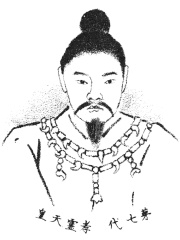
Emperor Kōrei
POLITICIAN
341 BC - 214 BC
HPI: 69.24
Rank: 2
Others Deceased in 269 BC
Go to all RankingsEpicurus
PHILOSOPHER
341 BC - 269 BC
HPI: 86.65
Rank: 1
Strato of Lampsacus
PHILOSOPHER
335 BC - 269 BC
HPI: 70.83
Rank: 2
In Greece
Among people born in Greece, Epicurus ranks 11 out of 1,024. Before him are Socrates (-470), Pythagoras (-570), Mustafa Kemal Atatürk (1881), Hippocrates (-460), Sophocles (-497), and Democritus (-460). After him are Solon (-638), Pericles (-494), Aristophanes (-448), El Greco (1541), Euripides (-480), and Saint Stephen (1).
Others born in Greece
Go to all Rankings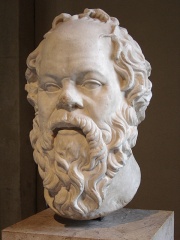
Socrates
PHILOSOPHER
470 BC - 399 BC
HPI: 94.90
Rank: 5
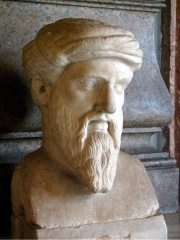
Pythagoras
PHILOSOPHER
570 BC - 495 BC
HPI: 93.36
Rank: 6
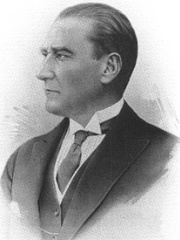
Mustafa Kemal Atatürk
POLITICIAN
1881 - 1938
HPI: 91.26
Rank: 7
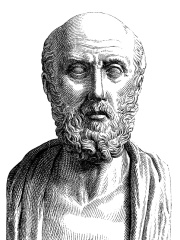
Hippocrates
PHYSICIAN
460 BC - 370 BC
HPI: 90.19
Rank: 8
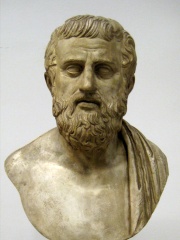
Sophocles
WRITER
497 BC - 406 BC
HPI: 89.32
Rank: 9
Democritus
PHILOSOPHER
460 BC - 360 BC
HPI: 86.85
Rank: 10
Epicurus
PHILOSOPHER
341 BC - 269 BC
HPI: 86.65
Rank: 11
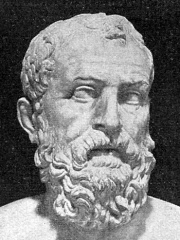
Solon
POLITICIAN
638 BC - 558 BC
HPI: 86.59
Rank: 12
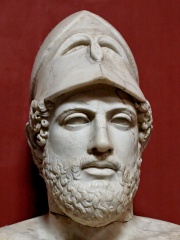
Pericles
POLITICIAN
494 BC - 429 BC
HPI: 86.36
Rank: 13
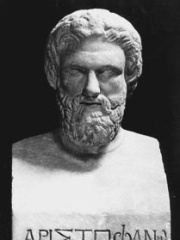
Aristophanes
WRITER
448 BC - 386 BC
HPI: 84.47
Rank: 14

El Greco
PAINTER
1541 - 1614
HPI: 84.26
Rank: 15
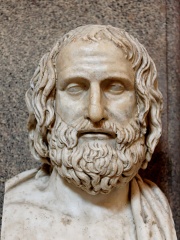
Euripides
WRITER
480 BC - 406 BC
HPI: 84.12
Rank: 16
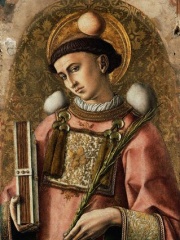
Saint Stephen
RELIGIOUS FIGURE
1 - 36
HPI: 84.00
Rank: 17
Among Философ In Greece
Among философ born in Greece, Epicurus ranks 6. Before him are Aristotle (-384), Plato (-427), Socrates (-470), Pythagoras (-570), and Democritus (-460). After him are Plutarch (46), Protagoras (-486), Gorgias (-483), Theophrastus (-371), Apollodorus of Athens (-180), and Antisthenes (-445).
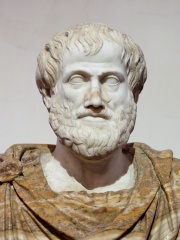
Aristotle
384 BC - 321 BC
HPI: 96.25
Rank: 1
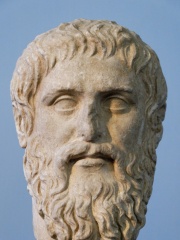
Plato
427 BC - 347 BC
HPI: 95.94
Rank: 2
Socrates
470 BC - 399 BC
HPI: 94.90
Rank: 3
Pythagoras
570 BC - 495 BC
HPI: 93.36
Rank: 4
Democritus
460 BC - 360 BC
HPI: 86.85
Rank: 5
Epicurus
341 BC - 269 BC
HPI: 86.65
Rank: 6
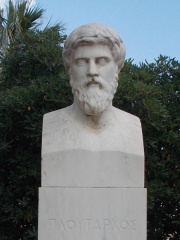
Plutarch
46 - 127
HPI: 83.51
Rank: 7

Protagoras
486 BC - 420 BC
HPI: 83.37
Rank: 8
Gorgias
483 BC - 375 BC
HPI: 80.90
Rank: 9
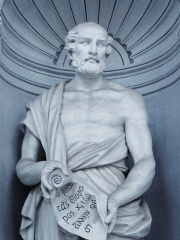
Theophrastus
371 BC - 287 BC
HPI: 80.19
Rank: 10

Apollodorus of Athens
180 BC - 110 BC
HPI: 78.45
Rank: 11
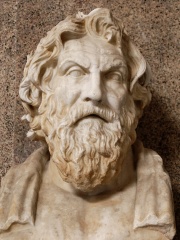
Antisthenes
445 BC - 365 BC
HPI: 78.34
Rank: 12




