Philosopher
Seneca the Younger
4 BC - 65
EN.WIKIPEDIA PAGE VIEWS (PV)
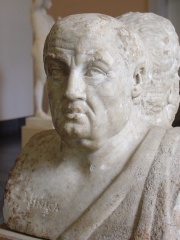
 Seneca the Younger
His biography is available in 97 different languages on Wikipedia (up from 96 in 2024). Seneca the Younger is the 27th most popular philosopher (down from 24th in 2024), the 7th most popular biography from Spain (down from 6th in 2019) and the most popular Spanish Philosopher.
Seneca the Younger is most famous for being a philosopher and tragedian. He was also a tutor to Nero, the emperor of Rome.
Memorability Metrics
Page views of Seneca the Younger by language
Among Philosophers
Among philosophers, Seneca the Younger ranks 27 out of 1,267. Before him are Erasmus, Georg Wilhelm Friedrich Hegel, John Locke, Arthur Schopenhauer, Montesquieu, and Democritus. After him are Epicurus, Averroes, Al-Ghazali, Thomas Hobbes, Friedrich Engels, and Auguste Comte.
Most Popular Philosophers in Wikipedia
Go to all Rankings
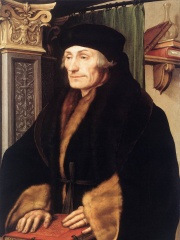
Erasmus
1466 - 1536
HPI: 88.33
Rank: 21
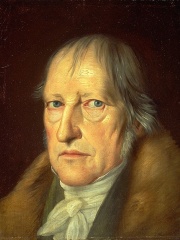
Georg Wilhelm Friedrich Hegel
1770 - 1831
HPI: 88.27
Rank: 22
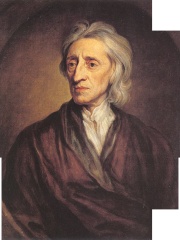
John Locke
1632 - 1704
HPI: 87.94
Rank: 23
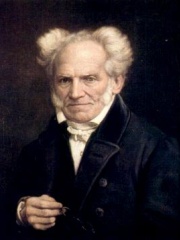
Arthur Schopenhauer
1788 - 1860
HPI: 87.55
Rank: 24
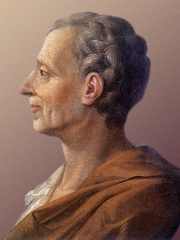
Montesquieu
1689 - 1755
HPI: 87.46
Rank: 25
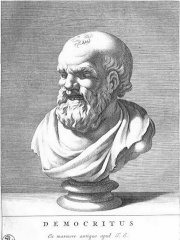
Democritus
460 BC - 360 BC
HPI: 86.85
Rank: 26
Seneca the Younger
4 BC - 65
HPI: 86.81
Rank: 27
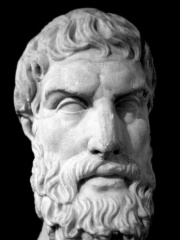
Epicurus
341 BC - 269 BC
HPI: 86.65
Rank: 28
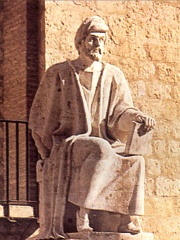
Averroes
1126 - 1198
HPI: 86.05
Rank: 29
Al-Ghazali
1058 - 1111
HPI: 85.99
Rank: 30
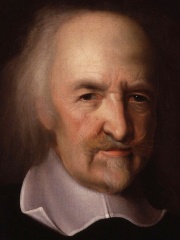
Thomas Hobbes
1588 - 1679
HPI: 85.75
Rank: 31
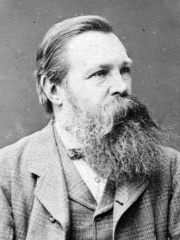
Friedrich Engels
1820 - 1895
HPI: 85.72
Rank: 32
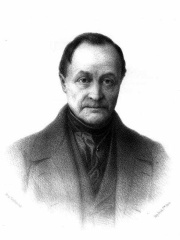
Auguste Comte
1798 - 1857
HPI: 85.43
Rank: 33

Contemporaries
Among people born in 4 BC, Seneca the Younger ranks 2. Before him is Jesus. After him is Philip the Tetrarch. Among people deceased in 65, Seneca the Younger ranks 1. After him are Poppaea Sabina, Simon Magus, Lucan, Lucius Junius Gallio Annaeanus, and Gaius Calpurnius Piso.
Others Born in 4 BC
Go to all Rankings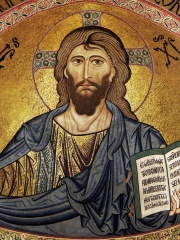
Jesus
RELIGIOUS FIGURE
4 BC - 33
HPI: 94.24
Rank: 1
Seneca the Younger
PHILOSOPHER
4 BC - 65
HPI: 86.81
Rank: 2

Philip the Tetrarch
POLITICIAN
4 BC - 34
HPI: 69.92
Rank: 3
Others Deceased in 65
Go to all RankingsSeneca the Younger
PHILOSOPHER
4 BC - 65
HPI: 86.81
Rank: 1
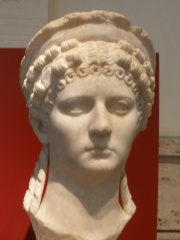
Poppaea Sabina
COMPANION
30 - 65
HPI: 72.57
Rank: 2
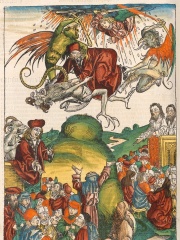
Simon Magus
RELIGIOUS FIGURE
50 - 65
HPI: 71.90
Rank: 3
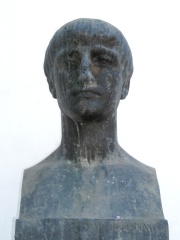
Lucan
WRITER
39 - 65
HPI: 70.35
Rank: 4

Lucius Junius Gallio Annaeanus
POLITICIAN
3 BC - 65
HPI: 69.99
Rank: 5

Gaius Calpurnius Piso
POLITICIAN
50 - 65
HPI: 69.52
Rank: 6
In Spain
Among people born in Spain, Seneca the Younger ranks 7 out of NaN. Before him are Pablo Picasso (1881), Salvador Dalí (1904), Miguel de Cervantes (1547), Francisco Goya (1746), Diego Velázquez (1599), and Antoni Gaudí (1852). After him are Averroes (1126), Trajan (53), Francisco Franco (1892), Hernán Cortés (1485), Pope Alexander VI (1431), and Philip II of Spain (1527).
Others born in Spain
Go to all Rankings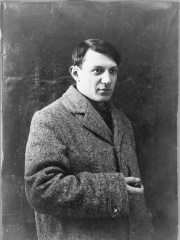
Pablo Picasso
PAINTER
1881 - 1973
HPI: 91.68
Rank: 1
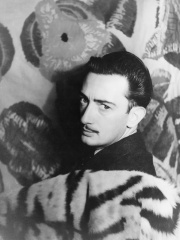
Salvador Dalí
PAINTER
1904 - 1989
HPI: 89.93
Rank: 2
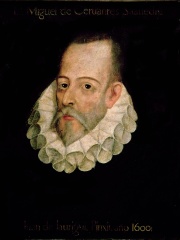
Miguel de Cervantes
WRITER
1547 - 1616
HPI: 87.60
Rank: 3
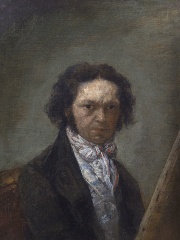
Francisco Goya
PAINTER
1746 - 1828
HPI: 87.42
Rank: 4
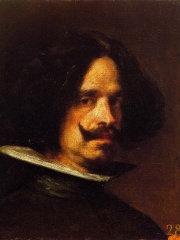
Diego Velázquez
PAINTER
1599 - 1660
HPI: 86.97
Rank: 5
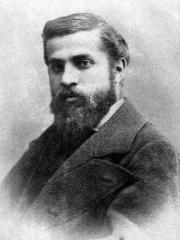
Antoni Gaudí
ARCHITECT
1852 - 1926
HPI: 86.92
Rank: 6
Seneca the Younger
PHILOSOPHER
4 BC - 65
HPI: 86.81
Rank: 7
Averroes
PHILOSOPHER
1126 - 1198
HPI: 86.05
Rank: 8
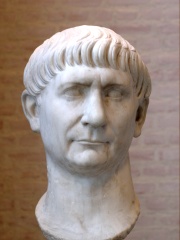
Trajan
POLITICIAN
53 - 117
HPI: 85.85
Rank: 9
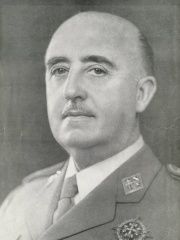
Francisco Franco
POLITICIAN
1892 - 1975
HPI: 85.72
Rank: 10
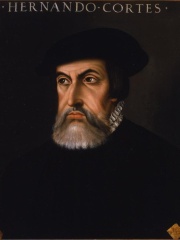
Hernán Cortés
EXPLORER
1485 - 1547
HPI: 85.59
Rank: 11
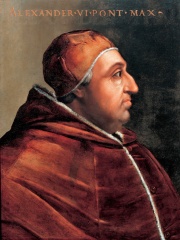
Pope Alexander VI
RELIGIOUS FIGURE
1431 - 1503
HPI: 85.46
Rank: 12
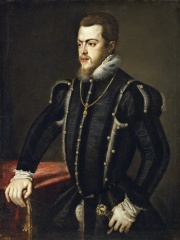
Philip II of Spain
POLITICIAN
1527 - 1598
HPI: 84.79
Rank: 13
Among Philosophers In Spain
Among philosophers born in Spain, Seneca the Younger ranks 1. After him are Averroes (1126), Ibn Arabi (1165), Ramon Llull (1232), Ibn Tufail (1110), José Ortega y Gasset (1883), Miguel de Unamuno (1864), Baltasar Gracián (1601), Solomon ibn Gabirol (1021), Francisco Suárez (1548), Abraham ibn Ezra (1089), and Arnaldus de Villa Nova (1240).
Seneca the Younger
4 BC - 65
HPI: 86.81
Rank: 1
Averroes
1126 - 1198
HPI: 86.05
Rank: 2
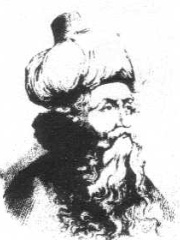
Ibn Arabi
1165 - 1240
HPI: 80.85
Rank: 3
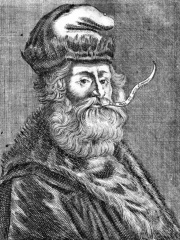
Ramon Llull
1232 - 1316
HPI: 77.38
Rank: 4
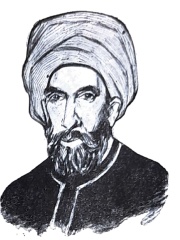
Ibn Tufail
1110 - 1185
HPI: 75.54
Rank: 5
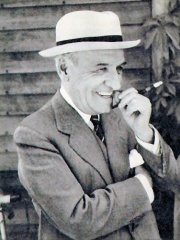
José Ortega y Gasset
1883 - 1955
HPI: 74.71
Rank: 6
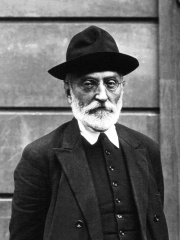
Miguel de Unamuno
1864 - 1936
HPI: 73.57
Rank: 7
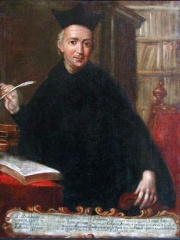
Baltasar Gracián
1601 - 1658
HPI: 73.52
Rank: 8
Solomon ibn Gabirol
1021 - 1058
HPI: 73.35
Rank: 9
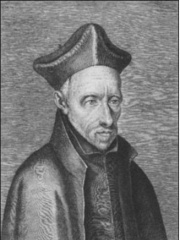
Francisco Suárez
1548 - 1617
HPI: 73.14
Rank: 10
Abraham ibn Ezra
1089 - 1167
HPI: 71.20
Rank: 11
Arnaldus de Villa Nova
1240 - 1311
HPI: 70.69
Rank: 12