Filósofo
Hippasus
600 BC - 500 BC
PT.WIKIPEDIA PAGE VIEWS (PV)
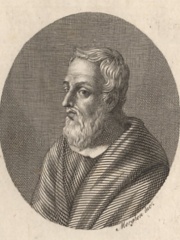
 Hippasus
Sua biografia está disponível em 41 idiomas na Wikipédia (aumento em relação a 40 em 2024). Hippasus é o 216º filósofo mais popular (caiu do 147º em 2024), a 613ª biografia mais popular da Itália (caiu do 348ª em 2019) e o 18º filósofo mais popular da Itália.
Memorability Metrics
Page views of Hippasus by language
Among Filósofos
Among filósofos, Hippasus ranks 216 out of 1,267. Before him are Georgi Plekhanov, Vasishtha, Julia Kristeva, Miguel de Unamuno, Orosius, and Baltasar Gracián. After him are G. E. M. Anscombe, Theano, Muhammad Abduh, Solomon ibn Gabirol, Benjamin Constant, and Xenocrates.
Most Popular Filósofos in Wikipedia
Go to all Rankings
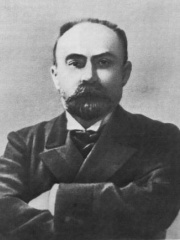
Georgi Plekhanov
1856 - 1918
HPI: 73.78
Rank: 210
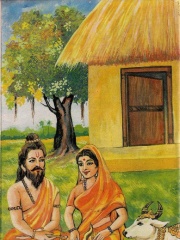
Vasishtha
2000 BC - 2000 BC
HPI: 73.76
Rank: 211

Julia Kristeva
1941 - Present
HPI: 73.68
Rank: 212
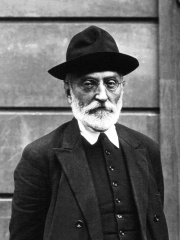
Miguel de Unamuno
1864 - 1936
HPI: 73.57
Rank: 213
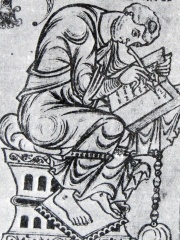
Orosius
375 - 420
HPI: 73.52
Rank: 214
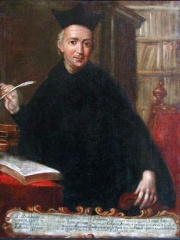
Baltasar Gracián
1601 - 1658
HPI: 73.52
Rank: 215
Hippasus
600 BC - 500 BC
HPI: 73.44
Rank: 216
G. E. M. Anscombe
1919 - 2001
HPI: 73.41
Rank: 217

Theano
600 BC - 600 BC
HPI: 73.38
Rank: 218
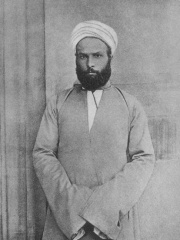
Muhammad Abduh
1849 - 1905
HPI: 73.35
Rank: 219
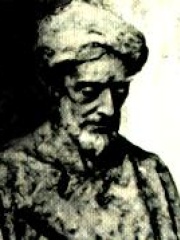
Solomon ibn Gabirol
1021 - 1058
HPI: 73.35
Rank: 220
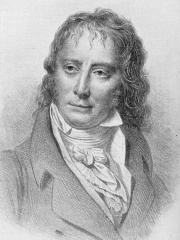
Benjamin Constant
1767 - 1830
HPI: 73.28
Rank: 221
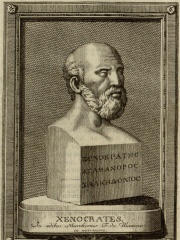
Xenocrates
396 BC - 314 BC
HPI: 73.16
Rank: 222

Contemporaries
Among people born in 600 BC, Hippasus ranks 16. Before him are Maya, Belshazzar, Mardonius, Gaius Marcius Coriolanus, Cambyses I, and Pheidippides. After him are Theano, Polycrates, Mahapajapati Gotami, Nahum, Bias of Priene, and Hippias. Among people deceased in 500 BC, Hippasus ranks 9. Before him are Ānanda, Polykleitos, Artemisia I of Caria, Gaius Marcius Coriolanus, Diogenes of Apollonia, and Myron. After him are Rāhula, Himilco, Xanthippus, Gorgo, Queen of Sparta, Obadiah, and Demaratus.
Others Born in 600 BC
Go to all Rankings
Maya
RELIGIOUS FIGURE
600 BC - 600 BC
HPI: 77.09
Rank: 10
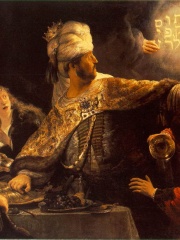
Belshazzar
RELIGIOUS FIGURE
600 BC - 600 BC
HPI: 75.54
Rank: 11

Mardonius
MILITARY PERSONNEL
600 BC - 479 BC
HPI: 75.10
Rank: 12
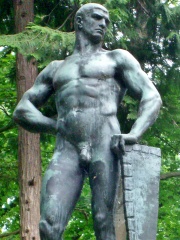
Gaius Marcius Coriolanus
POLITICIAN
600 BC - 500 BC
HPI: 74.23
Rank: 13
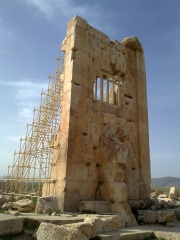
Cambyses I
POLITICIAN
600 BC - 559 BC
HPI: 73.84
Rank: 14
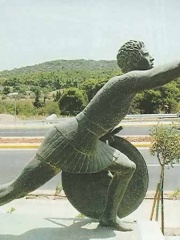
Pheidippides
SOCIAL ACTIVIST
600 BC - 490 BC
HPI: 73.68
Rank: 15
Hippasus
PHILOSOPHER
600 BC - 500 BC
HPI: 73.44
Rank: 16
Theano
PHILOSOPHER
600 BC - 600 BC
HPI: 73.38
Rank: 17
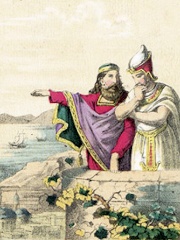
Polycrates
POLITICIAN
600 BC - 515 BC
HPI: 73.36
Rank: 18
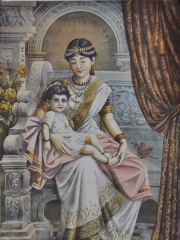
Mahapajapati Gotami
RELIGIOUS FIGURE
600 BC - 480 BC
HPI: 73.12
Rank: 19
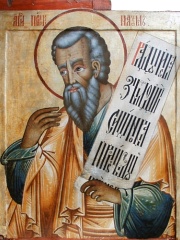
Nahum
POLITICIAN
600 BC - 700 BC
HPI: 72.86
Rank: 20
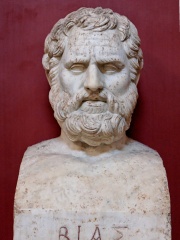
Bias of Priene
PHILOSOPHER
600 BC - 530 BC
HPI: 72.32
Rank: 21
Hippias
POLITICIAN
600 BC - 490 BC
HPI: 72.28
Rank: 22
Others Deceased in 500 BC
Go to all Rankings
Ānanda
RELIGIOUS FIGURE
600 BC - 500 BC
HPI: 78.77
Rank: 3
Polykleitos
SCULPTOR
450 BC - 500 BC
HPI: 76.82
Rank: 4
Artemisia I of Caria
POLITICIAN
500 BC - 500 BC
HPI: 74.58
Rank: 5
Gaius Marcius Coriolanus
POLITICIAN
600 BC - 500 BC
HPI: 74.23
Rank: 6

Diogenes of Apollonia
PHILOSOPHER
460 BC - 500 BC
HPI: 74.11
Rank: 7
Myron
SCULPTOR
500 BC - 500 BC
HPI: 74.09
Rank: 8
Hippasus
PHILOSOPHER
600 BC - 500 BC
HPI: 73.44
Rank: 9

Rāhula
RELIGIOUS FIGURE
534 BC - 500 BC
HPI: 71.96
Rank: 10

Himilco
EXPLORER
550 BC - 500 BC
HPI: 71.23
Rank: 11
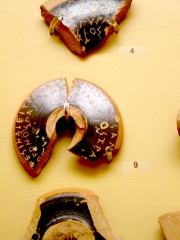
Xanthippus
POLITICIAN
590 BC - 500 BC
HPI: 70.34
Rank: 12
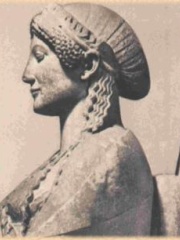
Gorgo, Queen of Sparta
COMPANION
506 BC - 500 BC
HPI: 70.31
Rank: 13
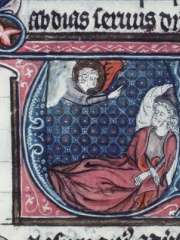
Obadiah
RELIGIOUS FIGURE
587 BC - 500 BC
HPI: 70.24
Rank: 14

Demaratus
POLITICIAN
600 BC - 500 BC
HPI: 67.99
Rank: 15
In Itália
Among people born in Itália, Hippasus ranks 613 out of NaN. Before him are Giuliano Gemma (1938), Alexander Farnese, Duke of Parma (1545), Fausto Cercignani (1941), Anastasia of Sirmium (281), Pinturicchio (1454), and Luca Signorelli (1450). After him are Lazzaro Spallanzani (1729), Dionysius I of Syracuse (-430), Julia the Elder (-39), Publius Clodius Pulcher (-90), Matilda of Tuscany (1046), and Giovanni Borgia, 2nd Duke of Gandia (1474).
Others born in Itália
Go to all Rankings
Giuliano Gemma
ACTOR
1938 - 2013
HPI: 73.52
Rank: 607
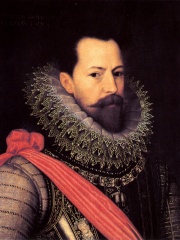
Alexander Farnese, Duke of Parma
POLITICIAN
1545 - 1592
HPI: 73.51
Rank: 608
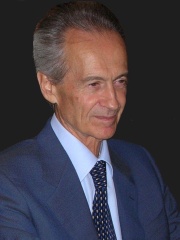
Fausto Cercignani
WRITER
1941 - Present
HPI: 73.47
Rank: 609
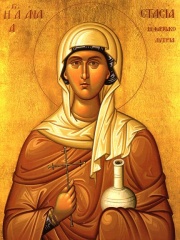
Anastasia of Sirmium
RELIGIOUS FIGURE
281 - 304
HPI: 73.46
Rank: 610
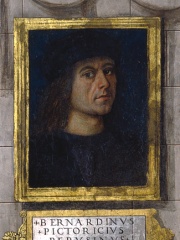
Pinturicchio
PAINTER
1454 - 1513
HPI: 73.46
Rank: 611
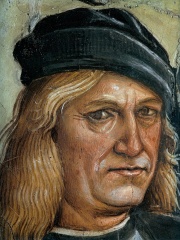
Luca Signorelli
ARTIST
1450 - 1523
HPI: 73.46
Rank: 612
Hippasus
PHILOSOPHER
600 BC - 500 BC
HPI: 73.44
Rank: 613
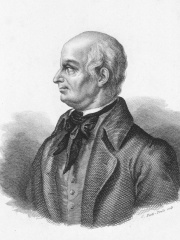
Lazzaro Spallanzani
BIOLOGIST
1729 - 1799
HPI: 73.44
Rank: 614
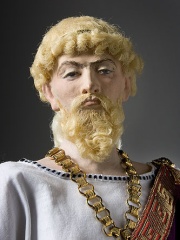
Dionysius I of Syracuse
POLITICIAN
430 BC - 366 BC
HPI: 73.43
Rank: 615
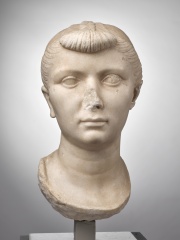
Julia the Elder
COMPANION
39 BC - 14
HPI: 73.42
Rank: 616
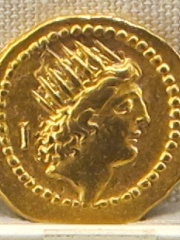
Publius Clodius Pulcher
POLITICIAN
90 BC - 52 BC
HPI: 73.41
Rank: 617
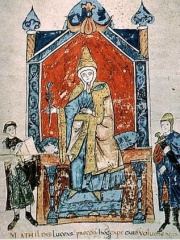
Matilda of Tuscany
MILITARY PERSONNEL
1046 - 1115
HPI: 73.40
Rank: 618
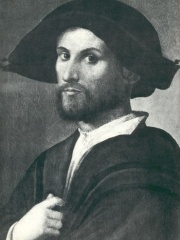
Giovanni Borgia, 2nd Duke of Gandia
NOBLEMAN
1474 - 1497
HPI: 73.39
Rank: 619
Among Filósofos In Itália
Among filósofos born in Itália, Hippasus ranks 18. Before him are Bonaventure (1221), Marsilio Ficino (1433), Giambattista Vico (1668), Tommaso Campanella (1568), Cesare Beccaria (1738), and Alcmaeon of Croton (-510). After him are Theano (-600), Julius Evola (1898), Benedetto Croce (1866), Giorgio Agamben (1942), Marsilius of Padua (1275), and Elena Cornaro Piscopia (1646).
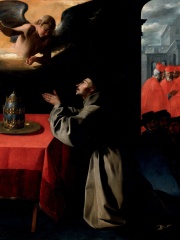
Bonaventure
1221 - 1274
HPI: 77.62
Rank: 12
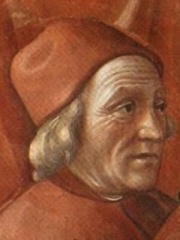
Marsilio Ficino
1433 - 1499
HPI: 77.16
Rank: 13
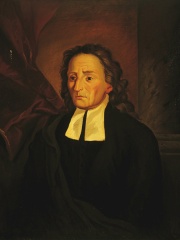
Giambattista Vico
1668 - 1744
HPI: 76.67
Rank: 14
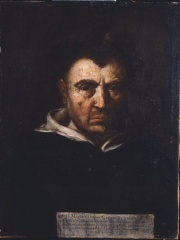
Tommaso Campanella
1568 - 1639
HPI: 76.67
Rank: 15
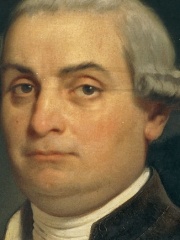
Cesare Beccaria
1738 - 1794
HPI: 74.89
Rank: 16
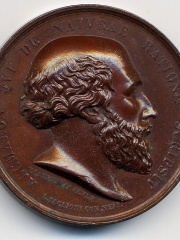
Alcmaeon of Croton
510 BC - 450 BC
HPI: 73.88
Rank: 17
Hippasus
600 BC - 500 BC
HPI: 73.44
Rank: 18
Theano
600 BC - 600 BC
HPI: 73.38
Rank: 19
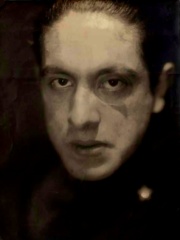
Julius Evola
1898 - 1974
HPI: 73.16
Rank: 20
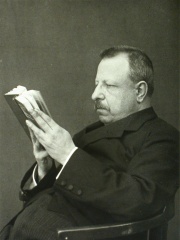
Benedetto Croce
1866 - 1952
HPI: 72.94
Rank: 21
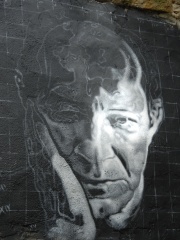
Giorgio Agamben
1942 - Present
HPI: 72.65
Rank: 22

Marsilius of Padua
1275 - 1342
HPI: 71.76
Rank: 23
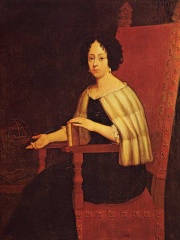
Elena Cornaro Piscopia
1646 - 1684
HPI: 70.48
Rank: 24