Filósofo
Chanakya
375 BC - 283 BC
PT.WIKIPEDIA PAGE VIEWS (PV)
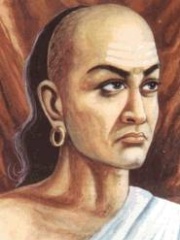
 Chanakya
Cautília, Kautília ou Kautilya (c. 370 a.C. – 283 a.C.), também chamado de Chanaquia (Chanakya) ou Vixenugupta, foi um estadista e filósofo indiano dos séculos IV e III a.C. que serviu como primeiro-ministro de Chandragupta Máuria (r. 322/321–298/297 a.C.), o fundador do Império Máuria. Ele foi fundamental para ajudar Chandragupta a derrubar a dinastia Nanda em Pataliputra, na região de Mágada. Leia mais na Wikipédia
Sua biografia está disponível em 121 idiomas na Wikipédia (aumento em relação a 115 em 2024). Chanakya é o 127º filósofo mais popular (caiu do 119º em 2024), a 10ª biografia mais popular do Paquistão (caiu do 3ª em 2019) e o filósofo mais popular do Paquistão.
Memorability Metrics
Page views of Chanakya by language
Among Filósofos
Among filósofos, Chanakya ranks 127 out of 1,267. Before him are Henri de Saint-Simon, Emmanuel Levinas, Ramon Llull, Willard Van Orman Quine, Hans-Georg Gadamer, and Marsilio Ficino. After him are Pyrrho, Anaximenes of Miletus, Simone Weil, Joseph Priestley, John Wycliffe, and Johann Friedrich Herbart.
Most Popular Filósofos in Wikipedia
Go to all Rankings
Henri de Saint-Simon
1760 - 1825
HPI: 77.38
Rank: 121
Emmanuel Levinas
1906 - 1995
HPI: 77.38
Rank: 122
Ramon Llull
1232 - 1316
HPI: 77.38
Rank: 123
Willard Van Orman Quine
1908 - 2000
HPI: 77.28
Rank: 124

Hans-Georg Gadamer
1900 - 2002
HPI: 77.23
Rank: 125
Marsilio Ficino
1433 - 1499
HPI: 77.16
Rank: 126
Chanakya
375 BC - 283 BC
HPI: 77.08
Rank: 127
Pyrrho
365 BC - 275 BC
HPI: 76.97
Rank: 128
Anaximenes of Miletus
585 BC - 525 BC
HPI: 76.96
Rank: 129

Simone Weil
1909 - 1943
HPI: 76.93
Rank: 130
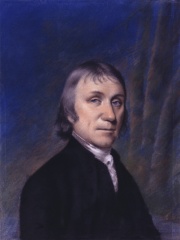
Joseph Priestley
1733 - 1804
HPI: 76.90
Rank: 131
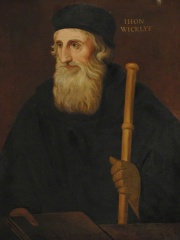
John Wycliffe
1324 - 1384
HPI: 76.81
Rank: 132
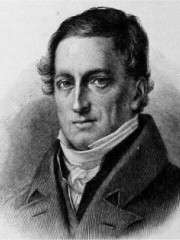
Johann Friedrich Herbart
1776 - 1841
HPI: 76.78
Rank: 133

Contemporaries
Among people born in 375 BC, Chanakya ranks 1. After him are Olympias, Menaechmus, and Aristobulus of Cassandreia. Among people deceased in 283 BC, Chanakya ranks 2. Before him is Ptolemy I Soter. After him are Demetrius I of Macedon, and Agathocles.
Others Born in 375 BC
Go to all RankingsChanakya
PHILOSOPHER
375 BC - 283 BC
HPI: 77.08
Rank: 1
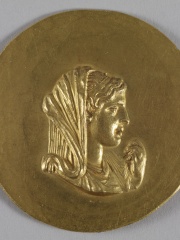
Olympias
COMPANION
375 BC - 316 BC
HPI: 76.86
Rank: 2

Menaechmus
MATHEMATICIAN
375 BC - 300 BC
HPI: 66.70
Rank: 3

Aristobulus of Cassandreia
ARCHITECT
375 BC - 301 BC
HPI: 63.69
Rank: 4
Others Deceased in 283 BC
Go to all Rankings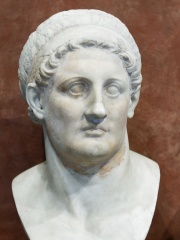
Ptolemy I Soter
MILITARY PERSONNEL
367 BC - 283 BC
HPI: 80.86
Rank: 1
Chanakya
PHILOSOPHER
375 BC - 283 BC
HPI: 77.08
Rank: 2
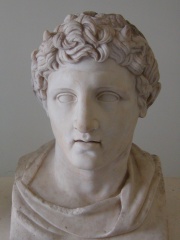
Demetrius I of Macedon
POLITICIAN
336 BC - 283 BC
HPI: 76.56
Rank: 3

Agathocles
POLITICIAN
400 BC - 283 BC
HPI: 60.40
Rank: 4
In Paquistão
Among people born in Paquistão, Chanakya ranks 10 out of NaN. Before him are Manmohan Singh (1932), Pāṇini (-500), Muhammad Iqbal (1877), Porus (-400), Nawaz Sharif (1949), and Shehbaz Sharif (1951). After him are I. K. Gujral (1919), Nusrat Fateh Ali Khan (1948), Pran (1920), Bacha Khan (1890), Shah Jahan (1592), and Bhagat Singh (1907).
Others born in Paquistão
Go to all Rankings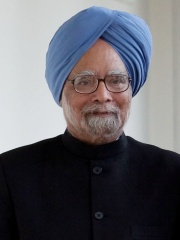
Manmohan Singh
POLITICIAN
1932 - 2024
HPI: 82.56
Rank: 4
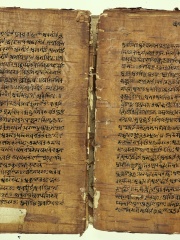
Pāṇini
LINGUIST
500 BC - 460 BC
HPI: 81.60
Rank: 5
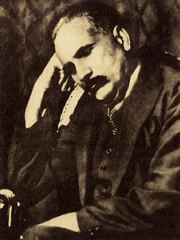
Muhammad Iqbal
WRITER
1877 - 1938
HPI: 80.65
Rank: 6
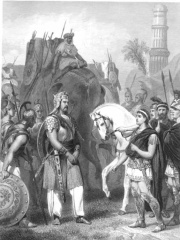
Porus
POLITICIAN
400 BC - 316 BC
HPI: 79.63
Rank: 7

Nawaz Sharif
POLITICIAN
1949 - Present
HPI: 79.46
Rank: 8
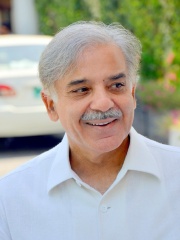
Shehbaz Sharif
POLITICIAN
1951 - Present
HPI: 78.79
Rank: 9
Chanakya
PHILOSOPHER
375 BC - 283 BC
HPI: 77.08
Rank: 10
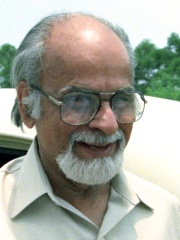
I. K. Gujral
POLITICIAN
1919 - 2012
HPI: 75.79
Rank: 11
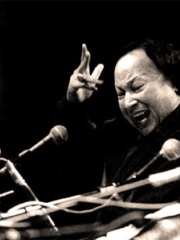
Nusrat Fateh Ali Khan
SINGER
1948 - 1997
HPI: 75.67
Rank: 12
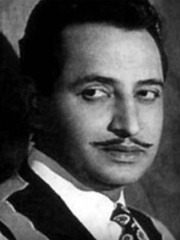
Pran
ACTOR
1920 - 2013
HPI: 75.64
Rank: 13
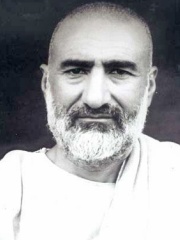
Bacha Khan
SOCIAL ACTIVIST
1890 - 1988
HPI: 75.37
Rank: 14
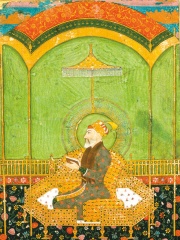
Shah Jahan
POLITICIAN
1592 - 1666
HPI: 75.28
Rank: 15
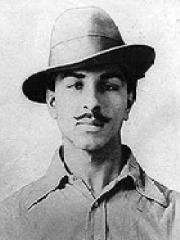
Bhagat Singh
SOCIAL ACTIVIST
1907 - 1931
HPI: 74.23
Rank: 16
Among Filósofos In Paquistão
Among filósofos born in Paquistão, Chanakya ranks 1. After him are Asanga (300), Fazlur Rahman Malik (1919), and Aitzaz Hasan (1999).
Chanakya
375 BC - 283 BC
HPI: 77.08
Rank: 1

Asanga
300 - 301
HPI: 69.93
Rank: 2

Fazlur Rahman Malik
1919 - 1988
HPI: 57.45
Rank: 3

Aitzaz Hasan
1999 - 2014
HPI: 29.84
Rank: 4