統計学者
Karl Pearson
1857 - 1936
JA.WIKIPEDIA PAGE VIEWS (PV)
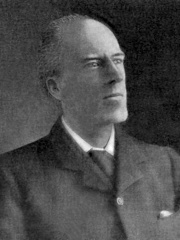
 Karl Pearson
カール・ピアソン(Karl Pearson, 1857年3月27日 - 1936年4月27日)はイギリスの数理統計学者、優生学者である。19世紀末からの研究により現代的数理統計学の基礎を築いた。 ウィキペディアで詳細を読む
彼の伝記はウィキペディアで51言語で利用可能です(2024年の49言語から増加)。Karl Pearsonは、最も人気のある統計学者の中で第5位(2024年の第3位から順位を下げ)、イギリス人物の伝記の中で第869位(2019年の第663位から順位を下げ)、また最も人気のあるイギリス人統計学者の中で第4位に位置しています。
Memorability Metrics
Page views of Karl Pearson by language
Among 統計学者
Among 統計学者, Karl Pearson ranks 5 out of 8. Before him are Francis Galton, Thomas Bayes, C. R. Rao, and Ronald Fisher. After him are Jerzy Neyman, Gertrude Mary Cox, and Joseph Kruskal.
Most Popular 統計学者 in Wikipedia
Go to all Rankings
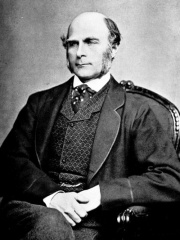
Francis Galton
1822 - 1911
HPI: 74.03
Rank: 1

Thomas Bayes
1702 - 1761
HPI: 70.42
Rank: 2
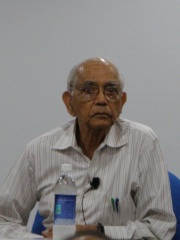
C. R. Rao
1920 - 2023
HPI: 70.33
Rank: 3
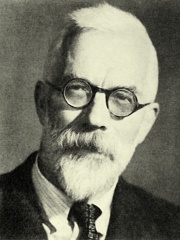
Ronald Fisher
1890 - 1962
HPI: 69.05
Rank: 4
Karl Pearson
1857 - 1936
HPI: 68.56
Rank: 5
Jerzy Neyman
1894 - 1981
HPI: 62.26
Rank: 6
Gertrude Mary Cox
1900 - 1978
HPI: 53.00
Rank: 7

Joseph Kruskal
1928 - 2010
HPI: 52.02
Rank: 8

Contemporaries
Among people born in 1857, Karl Pearson ranks 34. Before him are Georg Michaelis, Joseph Babinski, Thorstein Veblen, Aleksandr Lyapunov, Ida Tarbell, and A. E. Waite. After him are Cécile Chaminade, Infanta Maria Josepha of Portugal, George Gissing, Christian Michelsen, 12th Dalai Lama, and Otto von Below. Among people deceased in 1936, Karl Pearson ranks 42. Before him are Nikolai Ostrovsky, Edmund Allenby, 1st Viscount Allenby, Georgy Chicherin, Archduke Friedrich, Duke of Teschen, Robert E. Howard, and Heinrich Rickert. After him are Princess Victoria Melita of Saxe-Coburg and Gotha, Julius Schreck, Wilhelm Gustloff, Max Schreck, Zahra Khanom Tadj es-Saltaneh, and José Sanjurjo.
Others Born in 1857
Go to all Rankings
Georg Michaelis
POLITICIAN
1857 - 1936
HPI: 69.53
Rank: 28
Joseph Babinski
POLITICIAN
1857 - 1932
HPI: 69.35
Rank: 29
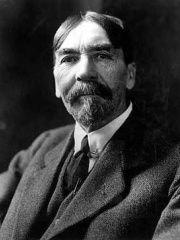
Thorstein Veblen
ECONOMIST
1857 - 1929
HPI: 69.27
Rank: 30
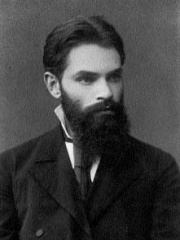
Aleksandr Lyapunov
MATHEMATICIAN
1857 - 1918
HPI: 68.73
Rank: 31
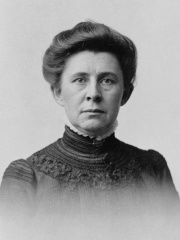
Ida Tarbell
WRITER
1857 - 1944
HPI: 68.67
Rank: 32
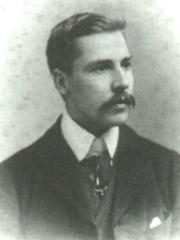
A. E. Waite
OCCULTIST
1857 - 1942
HPI: 68.64
Rank: 33
Karl Pearson
STATISTICIAN
1857 - 1936
HPI: 68.56
Rank: 34
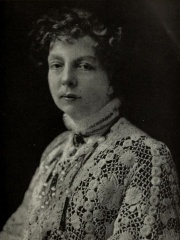
Cécile Chaminade
COMPOSER
1857 - 1944
HPI: 68.53
Rank: 35
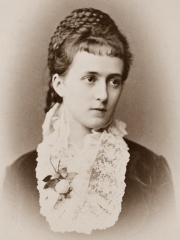
Infanta Maria Josepha of Portugal
POLITICIAN
1857 - 1943
HPI: 68.37
Rank: 36
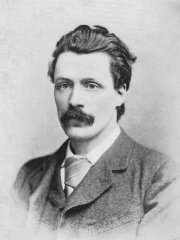
George Gissing
WRITER
1857 - 1903
HPI: 68.26
Rank: 37
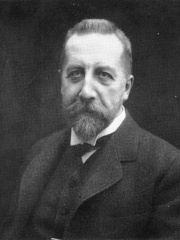
Christian Michelsen
POLITICIAN
1857 - 1925
HPI: 67.92
Rank: 38

12th Dalai Lama
POLITICIAN
1857 - 1875
HPI: 67.76
Rank: 39
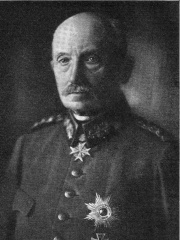
Otto von Below
MILITARY PERSONNEL
1857 - 1944
HPI: 67.24
Rank: 40
Others Deceased in 1936
Go to all Rankings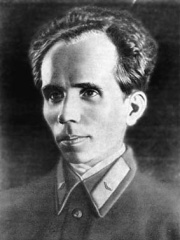
Nikolai Ostrovsky
WRITER
1904 - 1936
HPI: 69.30
Rank: 36
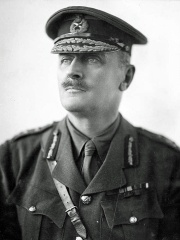
Edmund Allenby, 1st Viscount Allenby
MILITARY PERSONNEL
1861 - 1936
HPI: 69.13
Rank: 37
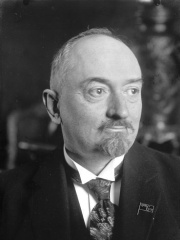
Georgy Chicherin
POLITICIAN
1872 - 1936
HPI: 68.90
Rank: 38
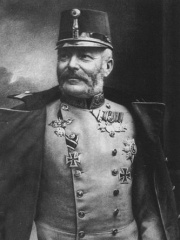
Archduke Friedrich, Duke of Teschen
POLITICIAN
1856 - 1936
HPI: 68.86
Rank: 39
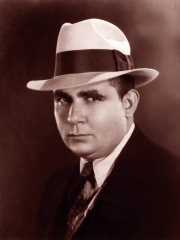
Robert E. Howard
WRITER
1906 - 1936
HPI: 68.86
Rank: 40
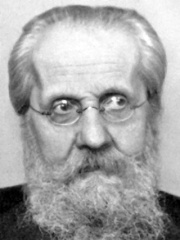
Heinrich Rickert
PHILOSOPHER
1863 - 1936
HPI: 68.77
Rank: 41
Karl Pearson
STATISTICIAN
1857 - 1936
HPI: 68.56
Rank: 42
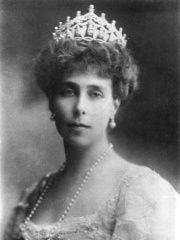
Princess Victoria Melita of Saxe-Coburg and Gotha
POLITICIAN
1876 - 1936
HPI: 68.41
Rank: 43
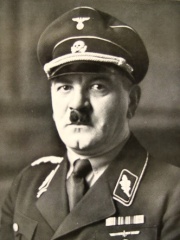
Julius Schreck
POLITICIAN
1898 - 1936
HPI: 68.30
Rank: 44
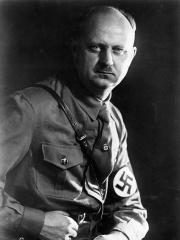
Wilhelm Gustloff
POLITICIAN
1895 - 1936
HPI: 67.98
Rank: 45
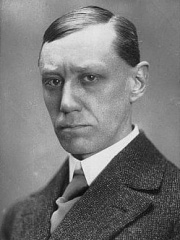
Max Schreck
ACTOR
1879 - 1936
HPI: 67.83
Rank: 46
Zahra Khanom Tadj es-Saltaneh
WRITER
1883 - 1936
HPI: 67.71
Rank: 47
José Sanjurjo
MILITARY PERSONNEL
1872 - 1936
HPI: 67.37
Rank: 48
In イギリス
Among people born in イギリス, Karl Pearson ranks 869 out of NaN. Before him are James Joseph Sylvester (1814), Mike Hawthorn (1929), Ælla of Northumbria (800), Brian Epstein (1934), Thandie Newton (1972), and Jude Law (1972). After him are Edward Plunkett, 18th Baron of Dunsany (1878), William Hyde Wollaston (1766), John Paul Jones (1946), Princess Muna al-Hussein (1941), Dionysios Kasdaglis (1872), and Catherine of Lancaster (1373).
Others born in イギリス
Go to all Rankings
James Joseph Sylvester
MATHEMATICIAN
1814 - 1897
HPI: 68.58
Rank: 863
Mike Hawthorn
RACING DRIVER
1929 - 1959
HPI: 68.57
Rank: 864
Ælla of Northumbria
POLITICIAN
800 - 867
HPI: 68.57
Rank: 865
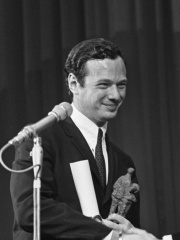
Brian Epstein
BUSINESSPERSON
1934 - 1967
HPI: 68.57
Rank: 866
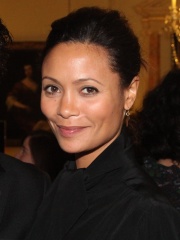
Thandie Newton
ACTOR
1972 - Present
HPI: 68.57
Rank: 867
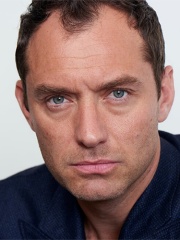
Jude Law
ACTOR
1972 - Present
HPI: 68.56
Rank: 868
Karl Pearson
STATISTICIAN
1857 - 1936
HPI: 68.56
Rank: 869
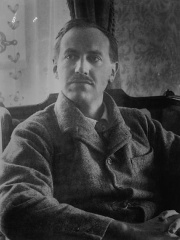
Edward Plunkett, 18th Baron of Dunsany
WRITER
1878 - 1957
HPI: 68.56
Rank: 870
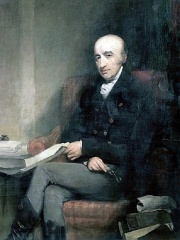
William Hyde Wollaston
CHEMIST
1766 - 1828
HPI: 68.56
Rank: 871

John Paul Jones
MUSICIAN
1946 - Present
HPI: 68.56
Rank: 872
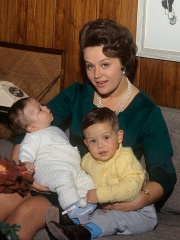
Princess Muna al-Hussein
POLITICIAN
1941 - Present
HPI: 68.55
Rank: 873
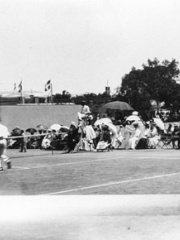
Dionysios Kasdaglis
POLITICIAN
1872 - 1931
HPI: 68.55
Rank: 874
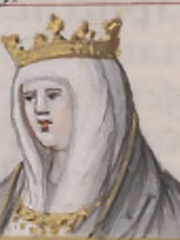
Catherine of Lancaster
COMPANION
1373 - 1418
HPI: 68.54
Rank: 875
Among 統計学者 In イギリス
Among 統計学者 born in イギリス, Karl Pearson ranks 4. Before him are Francis Galton (1822), Thomas Bayes (1702), and Ronald Fisher (1890).
Francis Galton
1822 - 1911
HPI: 74.03
Rank: 1
Thomas Bayes
1702 - 1761
HPI: 70.42
Rank: 2
Ronald Fisher
1890 - 1962
HPI: 69.05
Rank: 3
Karl Pearson
1857 - 1936
HPI: 68.56
Rank: 4