哲学者
Kabir
1440 - 1518
JA.WIKIPEDIA PAGE VIEWS (PV)
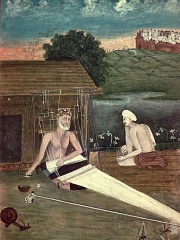
 Kabir
Kabir
カビール(Kabīr, Kabīra, ヒンディー語: कबीर, グルムキー文字: ਕਬੀਰ,ウルドゥー語: کبير 1440年-1518年)は、インドの宗教改革者。 ウィキペディアで詳細を読む
彼の伝記はウィキペディアで65言語で利用可能です(2024年の62言語から増加)。Kabirは、最も人気のある哲学者の中で第192位(2024年の第163位から順位を下げ)、インド人物の伝記の中で第55位(2019年の第36位から順位を下げ)、また最も人気のあるインド人哲学者の中で第10位に位置しています。
Memorability Metrics
Page views of Kabir by language
Among 哲学者
Among 哲学者, Kabir ranks 192 out of 1,267. Before him are Sextus Empiricus, José Ortega y Gasset, Bernard Bolzano, Gemistus Pletho, Pierre Gassendi, and Pierre Bayle. After him are Apollonius of Tyana, Ernest Renan, Nicolas Malebranche, John Rawls, Max Horkheimer, and Christian Wolff.
Most Popular 哲学者 in Wikipedia
Go to all Rankings
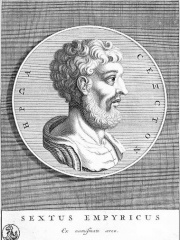
Sextus Empiricus
160 - 210
HPI: 74.77
Rank: 186
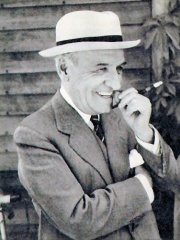
José Ortega y Gasset
1883 - 1955
HPI: 74.71
Rank: 187
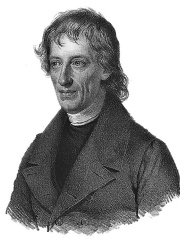
Bernard Bolzano
1781 - 1848
HPI: 74.68
Rank: 188
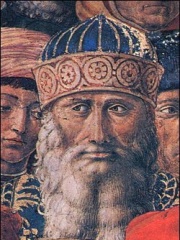
Gemistus Pletho
1355 - 1452
HPI: 74.66
Rank: 189
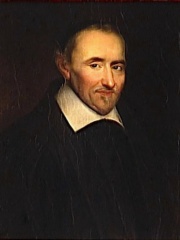
Pierre Gassendi
1592 - 1655
HPI: 74.64
Rank: 190
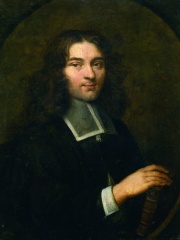
Pierre Bayle
1647 - 1706
HPI: 74.62
Rank: 191
Kabir
1440 - 1518
HPI: 74.51
Rank: 192
Apollonius of Tyana
15 - 100
HPI: 74.50
Rank: 193
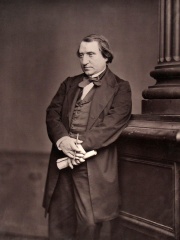
Ernest Renan
1823 - 1892
HPI: 74.49
Rank: 194
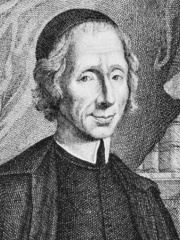
Nicolas Malebranche
1638 - 1715
HPI: 74.44
Rank: 195
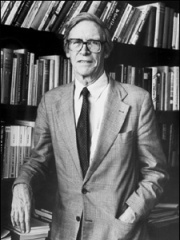
John Rawls
1921 - 2002
HPI: 74.33
Rank: 196
Max Horkheimer
1895 - 1973
HPI: 74.29
Rank: 197
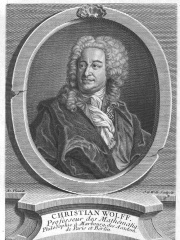
Christian Wolff
1679 - 1754
HPI: 74.23
Rank: 198

Contemporaries
Among people born in 1440, Kabir ranks 3. Before him are Ivan III of Russia, and Ladislaus the Posthumous. After him are Hugo van der Goes, Diogo Cão, Sten Sture the Elder, Hartmann Schedel, Antonio Vivarini, Gian Giacomo Trivulzio, Jorge Manrique, Bartolomé Bermejo, and Alain I of Albret. Among people deceased in 1518, Kabir ranks 1. After him are Oruç Reis, Vannozza dei Cattanei, Pierre de la Rue, Gian Giacomo Trivulzio, William IX, Marquis of Montferrat, and Loyset Compère.
Others Born in 1440
Go to all Rankings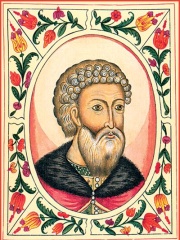
Ivan III of Russia
POLITICIAN
1440 - 1505
HPI: 75.83
Rank: 1
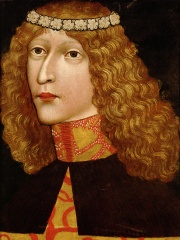
Ladislaus the Posthumous
POLITICIAN
1440 - 1457
HPI: 75.40
Rank: 2
Kabir
PHILOSOPHER
1440 - 1518
HPI: 74.51
Rank: 3
Hugo van der Goes
PAINTER
1440 - 1482
HPI: 72.83
Rank: 4
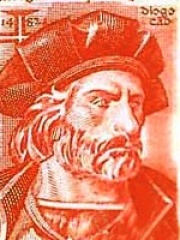
Diogo Cão
EXPLORER
1440 - 1486
HPI: 71.23
Rank: 5
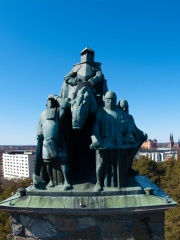
Sten Sture the Elder
POLITICIAN
1440 - 1503
HPI: 67.15
Rank: 6

Hartmann Schedel
WRITER
1440 - 1514
HPI: 65.73
Rank: 7
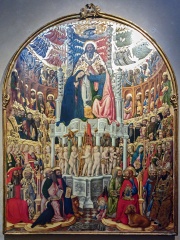
Antonio Vivarini
PAINTER
1440 - 1480
HPI: 64.11
Rank: 8
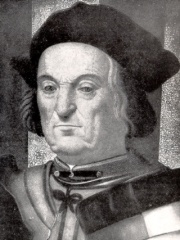
Gian Giacomo Trivulzio
POLITICIAN
1440 - 1518
HPI: 62.78
Rank: 9
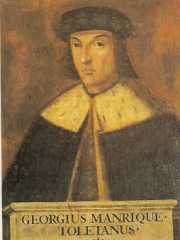
Jorge Manrique
WRITER
1440 - 1479
HPI: 62.53
Rank: 10
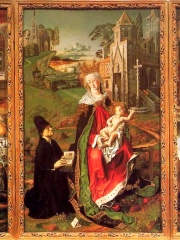
Bartolomé Bermejo
PAINTER
1440 - 1500
HPI: 62.23
Rank: 11
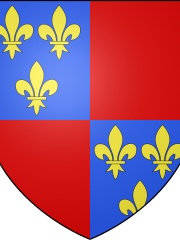
Alain I of Albret
POLITICIAN
1440 - 1522
HPI: 62.03
Rank: 12
Others Deceased in 1518
Go to all RankingsKabir
PHILOSOPHER
1440 - 1518
HPI: 74.51
Rank: 1
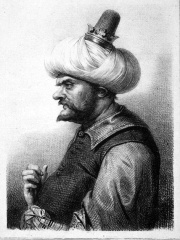
Oruç Reis
POLITICIAN
1473 - 1518
HPI: 72.43
Rank: 2
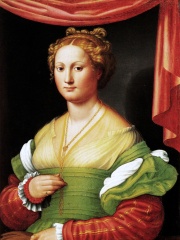
Vannozza dei Cattanei
POLITICIAN
1442 - 1518
HPI: 70.82
Rank: 3
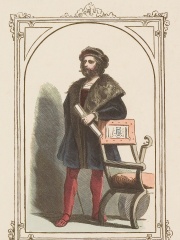
Pierre de la Rue
COMPOSER
1460 - 1518
HPI: 64.47
Rank: 4
Gian Giacomo Trivulzio
POLITICIAN
1440 - 1518
HPI: 62.78
Rank: 5
William IX, Marquis of Montferrat
POLITICIAN
1486 - 1518
HPI: 62.71
Rank: 6

Loyset Compère
COMPOSER
1440 - 1518
HPI: 59.71
Rank: 7
In インド
Among people born in インド, Kabir ranks 55 out of NaN. Before him are Raja Ravi Varma (1848), Aishwarya Rai (1973), Hyder Ali (1720), Ram Mohan Roy (1772), Sariputta (-568), and H. D. Deve Gowda (1933). After him are Ajatashatru (-500), Salman Rushdie (1947), Alauddin Khalji (1266), Ronald Ross (1857), C. V. Raman (1888), and P. V. Narasimha Rao (1921).
Others born in インド
Go to all Rankings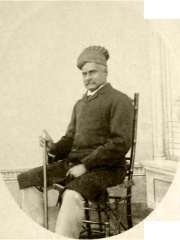
Raja Ravi Varma
PAINTER
1848 - 1906
HPI: 75.10
Rank: 49
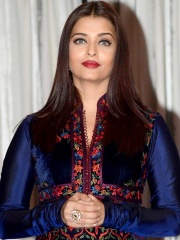
Aishwarya Rai
ACTOR
1973 - Present
HPI: 75.07
Rank: 50
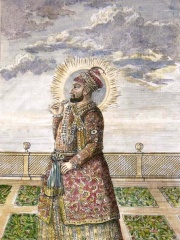
Hyder Ali
POLITICIAN
1720 - 1782
HPI: 75.03
Rank: 51
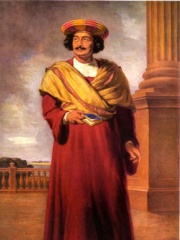
Ram Mohan Roy
PHILOSOPHER
1772 - 1833
HPI: 75.03
Rank: 52
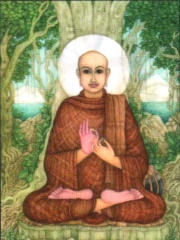
Sariputta
POLITICIAN
568 BC - 484 BC
HPI: 74.70
Rank: 53
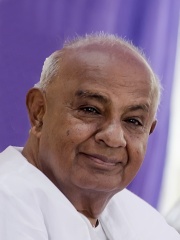
H. D. Deve Gowda
POLITICIAN
1933 - Present
HPI: 74.63
Rank: 54
Kabir
PHILOSOPHER
1440 - 1518
HPI: 74.51
Rank: 55
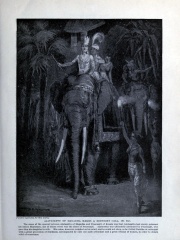
Ajatashatru
POLITICIAN
500 BC - 460 BC
HPI: 74.51
Rank: 56
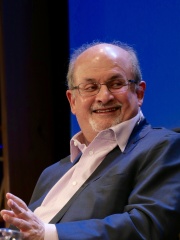
Salman Rushdie
WRITER
1947 - Present
HPI: 74.40
Rank: 57
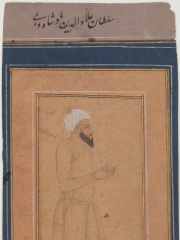
Alauddin Khalji
POLITICIAN
1266 - 1316
HPI: 74.36
Rank: 58
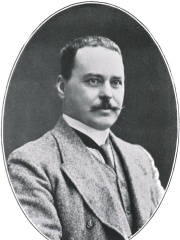
Ronald Ross
PHYSICIAN
1857 - 1932
HPI: 74.32
Rank: 59
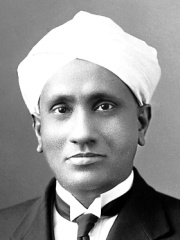
C. V. Raman
PHYSICIST
1888 - 1970
HPI: 74.29
Rank: 60
P. V. Narasimha Rao
POLITICIAN
1921 - 2004
HPI: 74.27
Rank: 61
Among 哲学者 In インド
Among 哲学者 born in インド, Kabir ranks 10. Before him are Nagarjuna (150), Padmasambhava (717), Buddhaghosa (401), Adi Shankara (788), Jiddu Krishnamurti (1895), and Ram Mohan Roy (1772). After him are Paramahansa Yogananda (1893), Aśvaghoṣa (80), Sri Aurobindo (1872), Ramana Maharshi (1879), Vyasa (-390), and Abul A'la Maududi (1903).
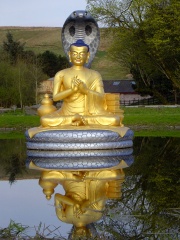
Nagarjuna
150 - 250
HPI: 80.71
Rank: 4

Padmasambhava
717 - 762
HPI: 78.07
Rank: 5
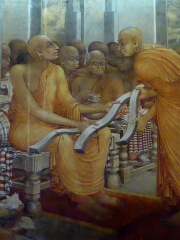
Buddhaghosa
401 - 500
HPI: 76.08
Rank: 6
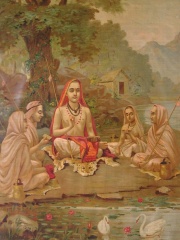
Adi Shankara
788 - 820
HPI: 75.37
Rank: 7
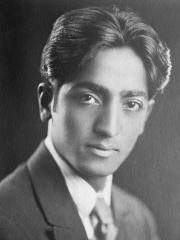
Jiddu Krishnamurti
1895 - 1986
HPI: 75.31
Rank: 8
Ram Mohan Roy
1772 - 1833
HPI: 75.03
Rank: 9
Kabir
1440 - 1518
HPI: 74.51
Rank: 10
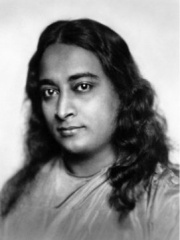
Paramahansa Yogananda
1893 - 1952
HPI: 71.62
Rank: 11
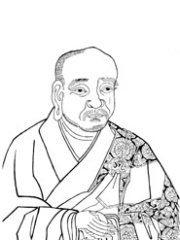
Aśvaghoṣa
80 - 150
HPI: 71.30
Rank: 12
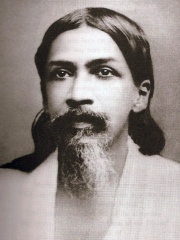
Sri Aurobindo
1872 - 1950
HPI: 71.21
Rank: 13
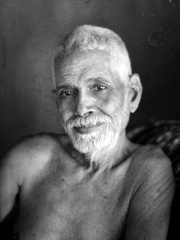
Ramana Maharshi
1879 - 1950
HPI: 71.16
Rank: 14
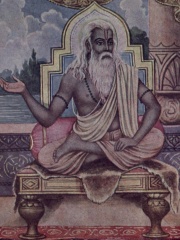
Vyasa
390 BC - 310 BC
HPI: 70.22
Rank: 15
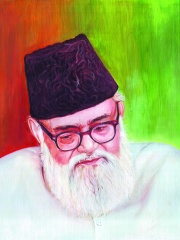
Abul A'la Maududi
1903 - 1979
HPI: 69.30
Rank: 16