Filosofo
Plato
427 BC - 347 BC
IT.WIKIPEDIA PAGE VIEWS (PV)
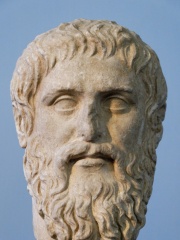
 Plato
Plato
Platone, pseudonimo di Aristocle, figlio di Aristone del demo di Collito e di Perictione (in greco antico: Πλάτων?, Plátōn, pronuncia: [plátɔːn]; Atene, 428/427 a.C. – Atene, 348/347 a.C.), è stato un filosofo, scrittore e politico greco antico. È considerato uno dei personaggi più influenti della storia, essendo colui che, insieme al suo maestro Socrate e al suo allievo Aristotele, ha posto le basi del pensiero filosofico occidentale. Leggi di più su Wikipedia
His biography is available in 217 different languages on Wikipedia (up from 210 in 2024). Plato is the 3rd most popular filosofo (down from 2nd in 2024), the 2nd most popular biography from Greece and the 2nd most popular Greek Filosofo.
Plato is most famous for his theory of Forms. Plato believed that the world we see is only a reflection of the true world of Forms.
Memorability Metrics
Page views of Plato by language
Among Filosofos
Among filosofos, Plato ranks 3 out of 1,267. Before him are Gautama Buddha, and Aristotle. After him are Socrates, Confucius, Pythagoras, Immanuel Kant, René Descartes, Avicenna, Laozi, Jean-Jacques Rousseau, and Baruch Spinoza.
Most Popular Filosofos in Wikipedia
Go to all Rankings
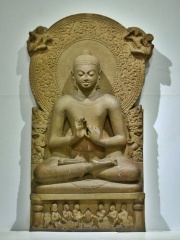
Gautama Buddha
566 BC - 452 BC
HPI: 99.48
Rank: 1
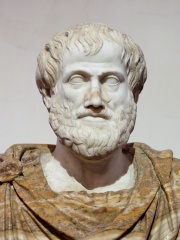
Aristotle
384 BC - 321 BC
HPI: 96.25
Rank: 2
Plato
427 BC - 347 BC
HPI: 95.94
Rank: 3
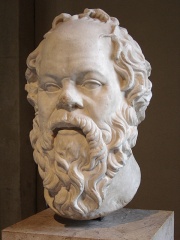
Socrates
470 BC - 399 BC
HPI: 94.90
Rank: 4
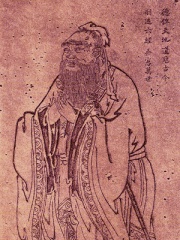
Confucius
551 BC - 479 BC
HPI: 93.57
Rank: 5
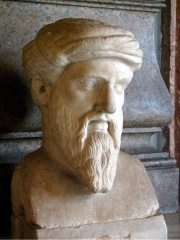
Pythagoras
570 BC - 495 BC
HPI: 93.36
Rank: 6
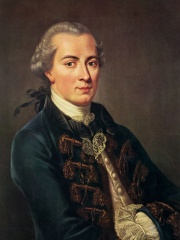
Immanuel Kant
1724 - 1804
HPI: 92.35
Rank: 7
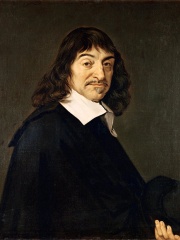
René Descartes
1596 - 1650
HPI: 92.12
Rank: 8
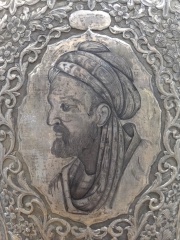
Avicenna
980 - 1037
HPI: 92.05
Rank: 9

Laozi
604 BC - 600 BC
HPI: 91.85
Rank: 10
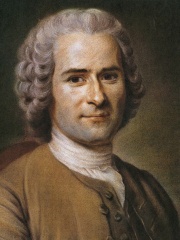
Jean-Jacques Rousseau
1712 - 1778
HPI: 91.27
Rank: 11
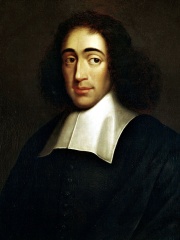
Baruch Spinoza
1632 - 1677
HPI: 90.63
Rank: 12

Contemporaries
Among people born in 427 BC, Plato ranks 1. After him is Emperor Kōan. Among people deceased in 347 BC, Plato ranks 1. After him is Archytas.
Others Born in 427 BC
Go to all RankingsPlato
PHILOSOPHER
427 BC - 347 BC
HPI: 95.94
Rank: 1
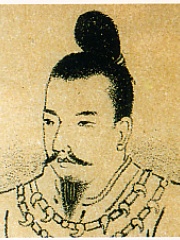
Emperor Kōan
POLITICIAN
427 BC - 291 BC
HPI: 69.88
Rank: 2
Others Deceased in 347 BC
Go to all Rankings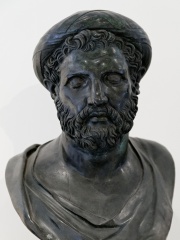
In Greece
Among people born in Greece, Plato ranks 2 out of 1,024. Before him are Aristotle (-384). After him are Alexander the Great (-356), Homer (-800), Socrates (-470), Pythagoras (-570), Mustafa Kemal Atatürk (1881), Hippocrates (-460), Sophocles (-497), Democritus (-460), Epicurus (-341), and Solon (-638).
Others born in Greece
Go to all RankingsAristotle
PHILOSOPHER
384 BC - 321 BC
HPI: 96.25
Rank: 1
Plato
PHILOSOPHER
427 BC - 347 BC
HPI: 95.94
Rank: 2
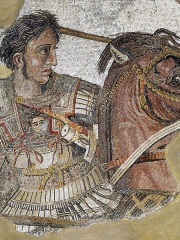
Alexander the Great
MILITARY PERSONNEL
356 BC - 323 BC
HPI: 95.63
Rank: 3
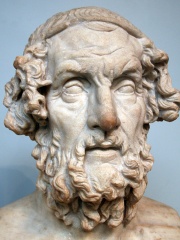
Homer
WRITER
800 BC - 750 BC
HPI: 95.41
Rank: 4
Socrates
PHILOSOPHER
470 BC - 399 BC
HPI: 94.90
Rank: 5
Pythagoras
PHILOSOPHER
570 BC - 495 BC
HPI: 93.36
Rank: 6
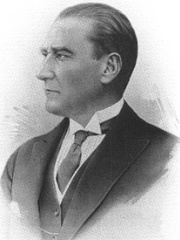
Mustafa Kemal Atatürk
POLITICIAN
1881 - 1938
HPI: 91.26
Rank: 7
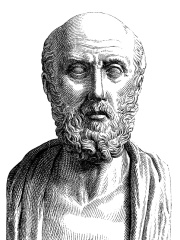
Hippocrates
PHYSICIAN
460 BC - 370 BC
HPI: 90.19
Rank: 8
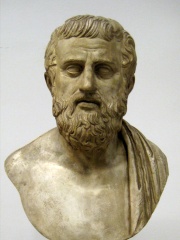
Sophocles
WRITER
497 BC - 406 BC
HPI: 89.32
Rank: 9
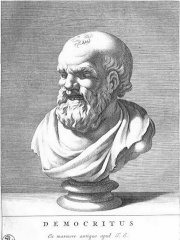
Democritus
PHILOSOPHER
460 BC - 360 BC
HPI: 86.85
Rank: 10
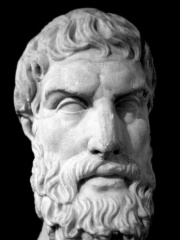
Epicurus
PHILOSOPHER
341 BC - 269 BC
HPI: 86.65
Rank: 11
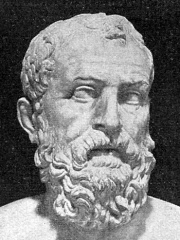
Solon
POLITICIAN
638 BC - 558 BC
HPI: 86.59
Rank: 12
Among Filosofos In Greece
Among filosofos born in Greece, Plato ranks 2. Before him are Aristotle (-384). After him are Socrates (-470), Pythagoras (-570), Democritus (-460), Epicurus (-341), Plutarch (46), Protagoras (-486), Gorgias (-483), Theophrastus (-371), Apollodorus of Athens (-180), and Antisthenes (-445).
Aristotle
384 BC - 321 BC
HPI: 96.25
Rank: 1
Plato
427 BC - 347 BC
HPI: 95.94
Rank: 2
Socrates
470 BC - 399 BC
HPI: 94.90
Rank: 3
Pythagoras
570 BC - 495 BC
HPI: 93.36
Rank: 4
Democritus
460 BC - 360 BC
HPI: 86.85
Rank: 5
Epicurus
341 BC - 269 BC
HPI: 86.65
Rank: 6
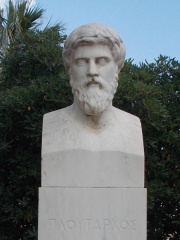
Plutarch
46 - 127
HPI: 83.51
Rank: 7
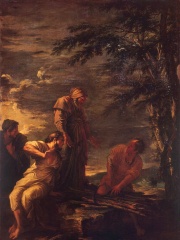
Protagoras
486 BC - 420 BC
HPI: 83.37
Rank: 8
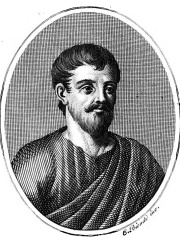
Gorgias
483 BC - 375 BC
HPI: 80.90
Rank: 9
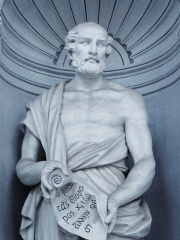
Theophrastus
371 BC - 287 BC
HPI: 80.19
Rank: 10

Apollodorus of Athens
180 BC - 110 BC
HPI: 78.45
Rank: 11
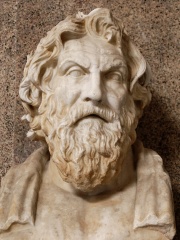
Antisthenes
445 BC - 365 BC
HPI: 78.34
Rank: 12