Filósofo
Plutarch
46 - 127
ES.WIKIPEDIA PAGE VIEWS (PV)
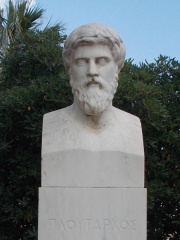
 Plutarch
Plutarco (en griego antiguo: Πλούταρχος, Plútarjos, en latín: Plutarchus), también conocido como Plutarco de Queronea o, tras serle concedida la ciudadanía romana, como Lucio Mestrio Plutarco (Lucius Mestrius Plutarchus, en griego: Λούκιος Μέστριος Πλούταρχος) (Queronea, c. 46 o 50-Delfos, c. 120), fue un historiador, biógrafo y filósofo moralista griego. Plutarco nació en Queronea (Beocia), durante el gobierno del emperador romano Claudio. Leer más en Wikipedia
His biography is available in 99 different languages on Wikipedia (up from 97 in 2024). Plutarch is the 45th most popular filósofo (down from 38th in 2024), the 21st most popular biography from Greece (down from 18th in 2019) and the 7th most popular Greek Filósofo.
Plutarch is most famous for his Parallel Lives, a series of biographies that compare the lives of famous Greeks and Romans.
Memorability Metrics
Page views of Plutarch by language
Among Filósofos
Among filósofos, Plutarch ranks 45 out of 1,267. Before him are Al-Farabi, Lucretius, Rajneesh, Michel de Montaigne, Sun Tzu, and Empedocles. After him are Anaximander, Protagoras, David Hume, Ludwig Wittgenstein, Anaxagoras, and John Amos Comenius.
Most Popular Filósofos in Wikipedia
Go to all Rankings

Al-Farabi
872 - 951
HPI: 84.23
Rank: 39

Lucretius
94 BC - 55 BC
HPI: 83.96
Rank: 40

Rajneesh
1931 - 1990
HPI: 83.75
Rank: 41
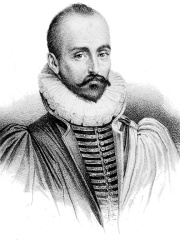
Michel de Montaigne
1533 - 1592
HPI: 83.66
Rank: 42

Sun Tzu
544 BC - 496 BC
HPI: 83.60
Rank: 43
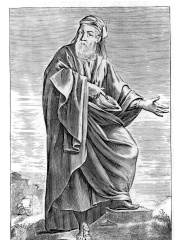
Empedocles
490 BC - 430 BC
HPI: 83.60
Rank: 44
Plutarch
46 - 127
HPI: 83.51
Rank: 45
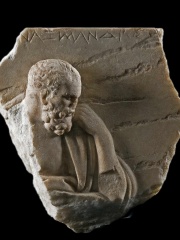
Anaximander
610 BC - 546 BC
HPI: 83.48
Rank: 46

Protagoras
486 BC - 420 BC
HPI: 83.37
Rank: 47
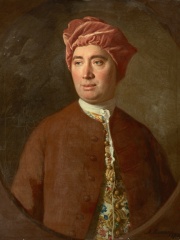
David Hume
1711 - 1776
HPI: 83.28
Rank: 48
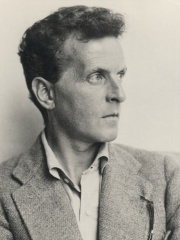
Ludwig Wittgenstein
1889 - 1951
HPI: 83.27
Rank: 49

Anaxagoras
500 BC - 428 BC
HPI: 82.89
Rank: 50
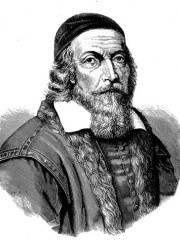
John Amos Comenius
1592 - 1670
HPI: 82.84
Rank: 51

Contemporaries
Among people born in 46, Plutarch ranks 1. Among people deceased in 127, Plutarch ranks 1.
Others Born in 46
Go to all RankingsOthers Deceased in 127
Go to all RankingsIn Greece
Among people born in Greece, Plutarch ranks 21 out of 1,024. Before him are El Greco (1541), Euripides (-480), Saint Stephen (1), Thucydides (-460), Aeschylus (-525), and Bayezid II (1447). After him are Protagoras (-486), Philip II of Macedon (-382), Kösem Sultan (1590), Sappho (-630), Phidias (-490), and Prince Philip, Duke of Edinburgh (1921).
Others born in Greece
Go to all Rankings
El Greco
PAINTER
1541 - 1614
HPI: 84.26
Rank: 15
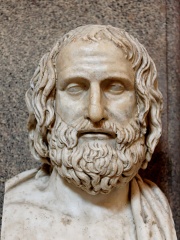
Euripides
WRITER
480 BC - 406 BC
HPI: 84.12
Rank: 16

Saint Stephen
RELIGIOUS FIGURE
1 - 36
HPI: 84.00
Rank: 17
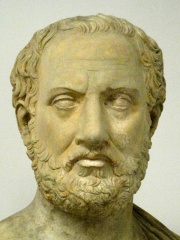
Thucydides
HISTORIAN
460 BC - 397 BC
HPI: 83.71
Rank: 18
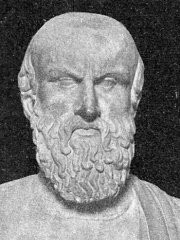
Aeschylus
WRITER
525 BC - 456 BC
HPI: 83.66
Rank: 19
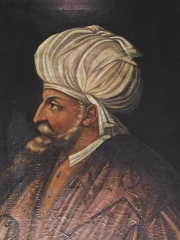
Bayezid II
POLITICIAN
1447 - 1512
HPI: 83.64
Rank: 20
Plutarch
PHILOSOPHER
46 - 127
HPI: 83.51
Rank: 21
Protagoras
PHILOSOPHER
486 BC - 420 BC
HPI: 83.37
Rank: 22
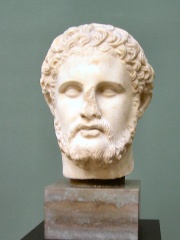
Philip II of Macedon
POLITICIAN
382 BC - 336 BC
HPI: 83.15
Rank: 23

Kösem Sultan
POLITICIAN
1590 - 1651
HPI: 83.07
Rank: 24
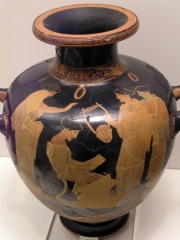
Sappho
WRITER
630 BC - 570 BC
HPI: 83.03
Rank: 25

Phidias
SCULPTOR
490 BC - 430 BC
HPI: 82.85
Rank: 26

Prince Philip, Duke of Edinburgh
NOBLEMAN
1921 - 2021
HPI: 82.77
Rank: 27
Among Filósofos In Greece
Among filósofos born in Greece, Plutarch ranks 7. Before him are Aristotle (-384), Plato (-427), Socrates (-470), Pythagoras (-570), Democritus (-460), and Epicurus (-341). After him are Protagoras (-486), Gorgias (-483), Theophrastus (-371), Apollodorus of Athens (-180), Antisthenes (-445), and Pyrrho (-365).
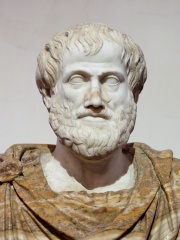
Aristotle
384 BC - 321 BC
HPI: 96.25
Rank: 1
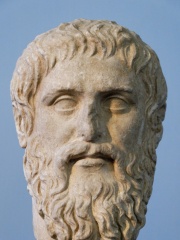
Plato
427 BC - 347 BC
HPI: 95.94
Rank: 2
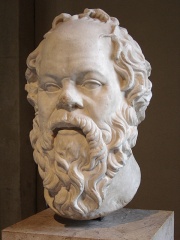
Socrates
470 BC - 399 BC
HPI: 94.90
Rank: 3
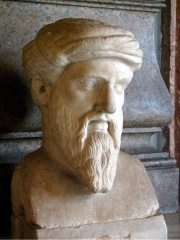
Pythagoras
570 BC - 495 BC
HPI: 93.36
Rank: 4
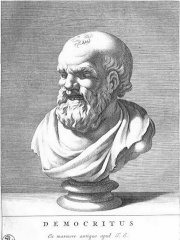
Democritus
460 BC - 360 BC
HPI: 86.85
Rank: 5
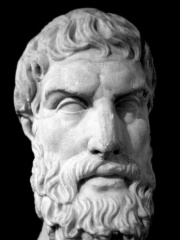
Epicurus
341 BC - 269 BC
HPI: 86.65
Rank: 6
Plutarch
46 - 127
HPI: 83.51
Rank: 7
Protagoras
486 BC - 420 BC
HPI: 83.37
Rank: 8
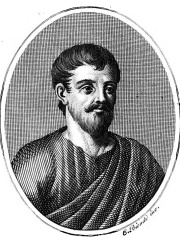
Gorgias
483 BC - 375 BC
HPI: 80.90
Rank: 9

Theophrastus
371 BC - 287 BC
HPI: 80.19
Rank: 10

Apollodorus of Athens
180 BC - 110 BC
HPI: 78.45
Rank: 11
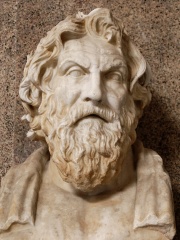
Antisthenes
445 BC - 365 BC
HPI: 78.34
Rank: 12
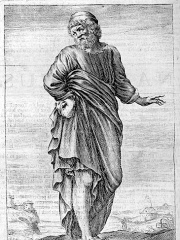
Pyrrho
365 BC - 275 BC
HPI: 76.97
Rank: 13