心理学家
Wilhelm Reich
1897 - 1957
ZH.WIKIPEDIA PAGE VIEWS (PV)
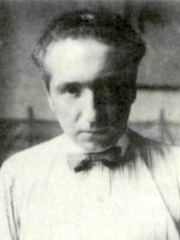
 Wilhelm Reich
威廉·赖希(德語:Wilhelm Reich;1897年3月24日—1957年11月3日),生于奥匈帝國杜布薩烏(現烏克蘭),美国心理学家,醫學博士,心理分析家,以提出極具爭議的理論而聞名,他主張性高潮會產生能量,認為性功能跟神經症有關。他属于法兰克福学派,是弗洛伊德馬克思主義的代表人物。 在维基百科上阅读更多
他的传记在维基百科上提供 55 种语言版本。Wilhelm Reich在最受欢迎的心理学家中排名第26位(较 2024 年的第21位下降),在乌克兰人物传记中排名第40位(较 2019 年的第33位下降),并在最受欢迎的乌克兰心理学家中排名第1位。
Memorability Metrics
Page views of Wilhelm Reich by language
Among 心理学家
Among 心理学家, Wilhelm Reich ranks 26 out of 235. Before him are John B. Watson, Daniel Kahneman, Irvin D. Yalom, B. F. Skinner, Edward Thorndike, and Melanie Klein. After him are Gustav Fechner, Hermann Ebbinghaus, Aaron T. Beck, Alfred Binet, Karen Horney, and Princess Marie Bonaparte.
Most Popular 心理学家 in Wikipedia
Go to all Rankings
John B. Watson
1878 - 1958
HPI: 75.34
Rank: 20
Daniel Kahneman
1934 - 2024
HPI: 75.25
Rank: 21
Irvin D. Yalom
1931 - Present
HPI: 75.24
Rank: 22
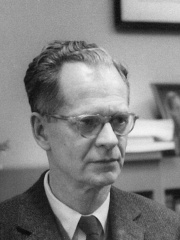
B. F. Skinner
1904 - 1990
HPI: 75.08
Rank: 23
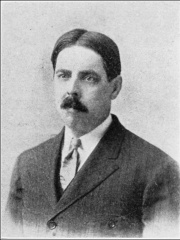
Edward Thorndike
1874 - 1949
HPI: 74.93
Rank: 24
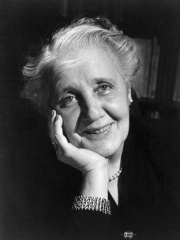
Melanie Klein
1882 - 1960
HPI: 74.73
Rank: 25
Wilhelm Reich
1897 - 1957
HPI: 74.70
Rank: 26
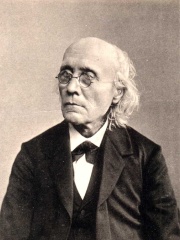
Gustav Fechner
1801 - 1887
HPI: 74.35
Rank: 27
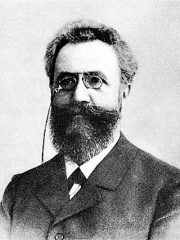
Hermann Ebbinghaus
1850 - 1909
HPI: 74.08
Rank: 28
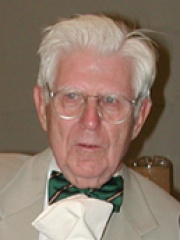
Aaron T. Beck
1921 - 2021
HPI: 73.89
Rank: 29
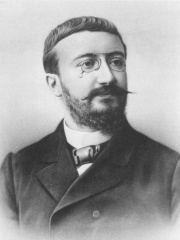
Alfred Binet
1857 - 1911
HPI: 73.71
Rank: 30
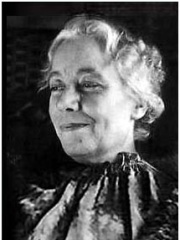
Karen Horney
1885 - 1952
HPI: 73.22
Rank: 31
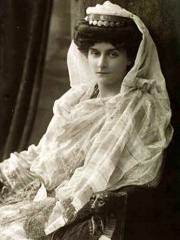
Princess Marie Bonaparte
1882 - 1962
HPI: 73.08
Rank: 32

Contemporaries
Among people born in 1897, Wilhelm Reich ranks 19. Before him are Paavo Nurmi, Ludwig Erhard, Yun Posun, Jiroemon Kimura, Anthony Eden, and Lucky Luciano. After him are Georges Bataille, Odd Hassel, Louis Aragon, Grand Duchess Tatiana Nikolaevna of Russia, Ferenc Szálasi, and Frank Capra. Among people deceased in 1957, Wilhelm Reich ranks 16. Before him are Nikos Kazantzakis, Constantin Brâncuși, Walther Bothe, Gerty Cori, Giuseppe Tomasi di Lampedusa, and Arturo Toscanini. After him are Gichin Funakoshi, Oliver Hardy, Heinrich Otto Wieland, Henry van de Velde, Gabriela Mistral, and Irving Langmuir.
Others Born in 1897
Go to all Rankings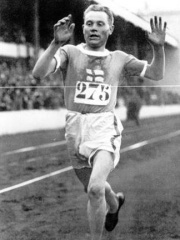
Paavo Nurmi
ATHLETE
1897 - 1973
HPI: 75.77
Rank: 13
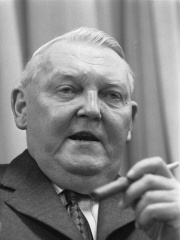
Ludwig Erhard
BUSINESSPERSON
1897 - 1977
HPI: 75.70
Rank: 14
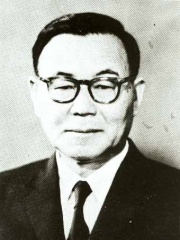
Yun Posun
POLITICIAN
1897 - 1990
HPI: 75.23
Rank: 15
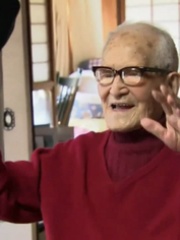
Jiroemon Kimura
POLITICIAN
1897 - 1897
HPI: 74.98
Rank: 16
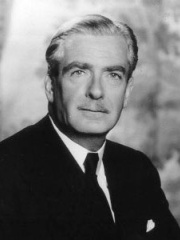
Anthony Eden
POLITICIAN
1897 - 1977
HPI: 74.87
Rank: 17
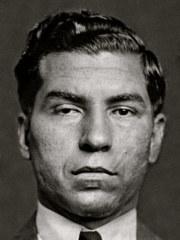
Lucky Luciano
MAFIOSO
1897 - 1962
HPI: 74.76
Rank: 18
Wilhelm Reich
PSYCHOLOGIST
1897 - 1957
HPI: 74.70
Rank: 19
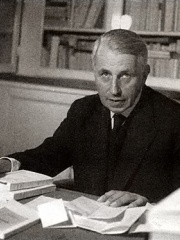
Georges Bataille
WRITER
1897 - 1962
HPI: 73.51
Rank: 20
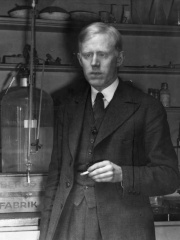
Odd Hassel
CHEMIST
1897 - 1981
HPI: 73.38
Rank: 21
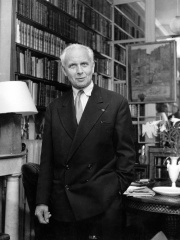
Louis Aragon
WRITER
1897 - 1982
HPI: 73.31
Rank: 22
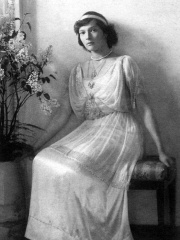
Grand Duchess Tatiana Nikolaevna of Russia
POLITICIAN
1897 - 1918
HPI: 73.29
Rank: 23
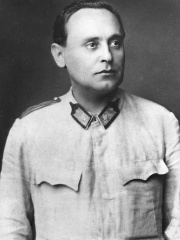
Ferenc Szálasi
POLITICIAN
1897 - 1946
HPI: 73.08
Rank: 24
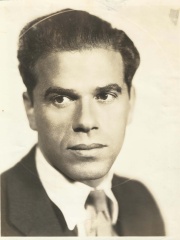
Frank Capra
FILM DIRECTOR
1897 - 1991
HPI: 72.77
Rank: 25
Others Deceased in 1957
Go to all Rankings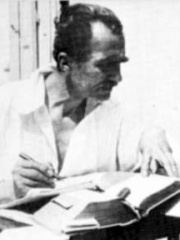
Nikos Kazantzakis
WRITER
1883 - 1957
HPI: 76.70
Rank: 10
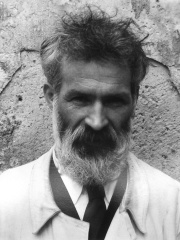
Constantin Brâncuși
SCULPTOR
1876 - 1957
HPI: 75.32
Rank: 11
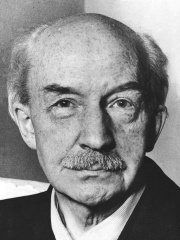
Walther Bothe
PHYSICIST
1891 - 1957
HPI: 75.26
Rank: 12
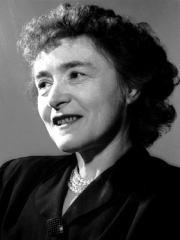
Gerty Cori
CHEMIST
1896 - 1957
HPI: 75.23
Rank: 13
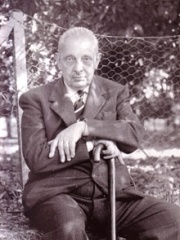
Giuseppe Tomasi di Lampedusa
WRITER
1896 - 1957
HPI: 74.75
Rank: 14
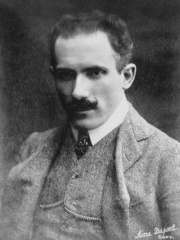
Arturo Toscanini
CONDUCTOR
1867 - 1957
HPI: 74.70
Rank: 15
Wilhelm Reich
PSYCHOLOGIST
1897 - 1957
HPI: 74.70
Rank: 16
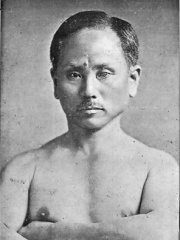
Gichin Funakoshi
MARTIAL ARTS
1868 - 1957
HPI: 74.41
Rank: 17
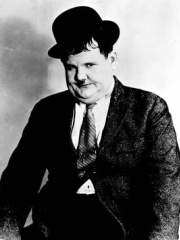
Oliver Hardy
ACTOR
1892 - 1957
HPI: 74.19
Rank: 18
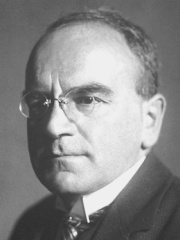
Heinrich Otto Wieland
CHEMIST
1877 - 1957
HPI: 73.85
Rank: 19
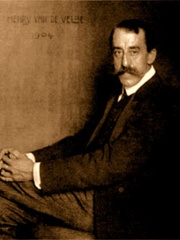
Henry van de Velde
ARCHITECT
1863 - 1957
HPI: 73.41
Rank: 20
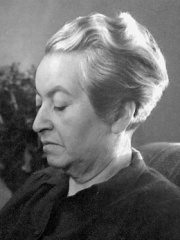
Gabriela Mistral
WRITER
1889 - 1957
HPI: 73.30
Rank: 21
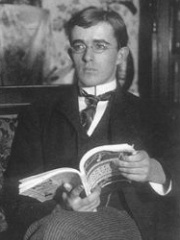
Irving Langmuir
CHEMIST
1881 - 1957
HPI: 73.16
Rank: 22
In 乌克兰
Among people born in 乌克兰, Wilhelm Reich ranks 40 out of NaN. Before him are Anne of Kiev (1025), Sviatoslav I of Kiev (942), Petro Poroshenko (1965), Lyudmila Pavlichenko (1916), Grigory Zinoviev (1883), and Ludwig von Mises (1881). After him are Simon Wiesenthal (1908), Trofim Lysenko (1898), Symon Petliura (1879), Leopold von Sacher-Masoch (1836), Igor Sikorsky (1889), and George Gamow (1904).
Others born in 乌克兰
Go to all Rankings
Anne of Kiev
COMPANION
1025 - 1075
HPI: 75.31
Rank: 34
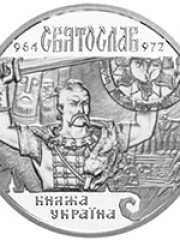
Sviatoslav I of Kiev
POLITICIAN
942 - 972
HPI: 75.25
Rank: 35
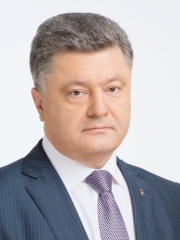
Petro Poroshenko
POLITICIAN
1965 - Present
HPI: 75.21
Rank: 36
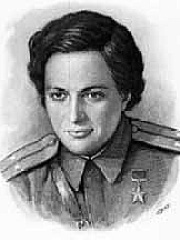
Lyudmila Pavlichenko
MILITARY PERSONNEL
1916 - 1974
HPI: 75.14
Rank: 37
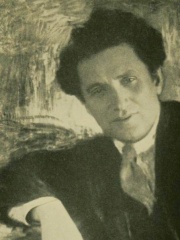
Grigory Zinoviev
POLITICIAN
1883 - 1936
HPI: 74.85
Rank: 38
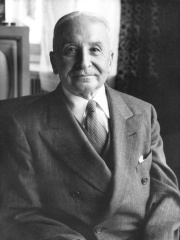
Ludwig von Mises
ECONOMIST
1881 - 1973
HPI: 74.80
Rank: 39
Wilhelm Reich
PSYCHOLOGIST
1897 - 1957
HPI: 74.70
Rank: 40
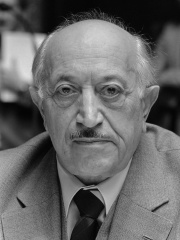
Simon Wiesenthal
SOCIAL ACTIVIST
1908 - 2005
HPI: 74.66
Rank: 41
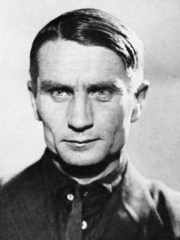
Trofim Lysenko
BIOLOGIST
1898 - 1976
HPI: 74.66
Rank: 42
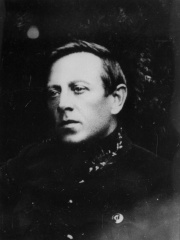
Symon Petliura
POLITICIAN
1879 - 1926
HPI: 74.48
Rank: 43
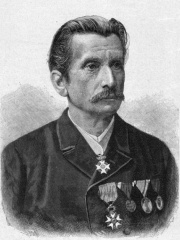
Leopold von Sacher-Masoch
WRITER
1836 - 1895
HPI: 74.47
Rank: 44
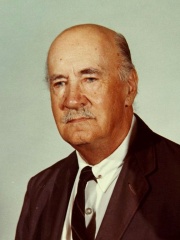
Igor Sikorsky
INVENTOR
1889 - 1972
HPI: 74.38
Rank: 45
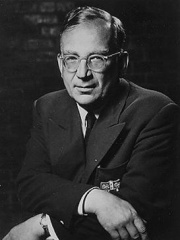
George Gamow
PHYSICIST
1904 - 1968
HPI: 74.33
Rank: 46
Among 心理学家 In 乌克兰
Among 心理学家 born in 乌克兰, Wilhelm Reich ranks 1. After him are Giacomo Rizzolatti (1937), and Anatol Rapoport (1911).
Wilhelm Reich
1897 - 1957
HPI: 74.70
Rank: 1
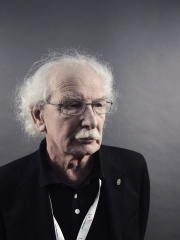
Giacomo Rizzolatti
1937 - Present
HPI: 59.30
Rank: 2
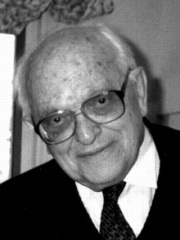
Anatol Rapoport
1911 - 2007
HPI: 54.39
Rank: 3