数学家
Wang Chong
27 - 97

 Wang Chong
王充(27年—約97年),字仲任,會稽郡上虞縣人(今浙江省紹興市上虞),東漢時的士人與思想家。王充年輕時曾到京城洛陽的太學學習,學成後多年出任地方州郡縣的屬吏,罷官後致力著述,撰有《論衡》一書傳世,以批評當時虛妄的迷信與偽說。王充相信天地乃由氣構成,萬物由氣所生,想法接近蓋天說而反駁渾天說。王充提出天道自然無為,無知覺無意志,反對儒家的天人感應說與災異論,治術上主張無為而治。 在维基百科上阅读更多
His biography is available in 37 different languages on Wikipedia. Wang Chong is the 172nd most popular 数学家 (down from 150th in 2024), the 254th most popular biography from China (up from 260th in 2019) and the 4th most popular Chinese 数学家.
Wang Chong was a Chinese historian who lived during the Eastern Han Dynasty. He is most famous for his book, "Lunheng" or "Discourses Weaving Together the Past and Present."
Memorability Metrics
Page views of Wang Chong by language
Among 数学家
Among 数学家, Wang Chong ranks 172 out of 1,004. Before him are James Joseph Sylvester, Menelaus of Alexandria, Jean Baptiste Joseph Delambre, Carl David Tolmé Runge, Joseph Bertrand, and Johannes Trithemius. After him are Jean-Pierre Serre, Vladimir Arnold, Mary Jackson, John Pell, Felix Hausdorff, and Giambattista della Porta.
Most Popular 数学家 in Wikipedia
Go to all Rankings
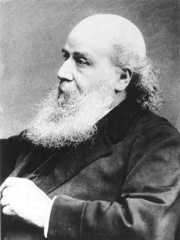
James Joseph Sylvester
1814 - 1897
HPI: 68.58
Rank: 166

Menelaus of Alexandria
70 - 140
HPI: 68.57
Rank: 167
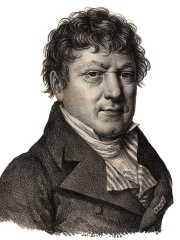
Jean Baptiste Joseph Delambre
1749 - 1822
HPI: 68.56
Rank: 168
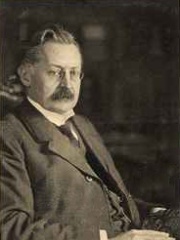
Carl David Tolmé Runge
1856 - 1927
HPI: 68.53
Rank: 169

Joseph Bertrand
1822 - 1900
HPI: 68.46
Rank: 170
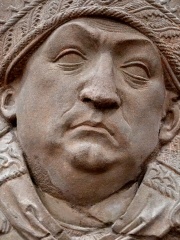
Johannes Trithemius
1462 - 1516
HPI: 68.46
Rank: 171
Wang Chong
27 - 97
HPI: 68.45
Rank: 172

Jean-Pierre Serre
1926 - Present
HPI: 68.44
Rank: 173

Vladimir Arnold
1937 - 2010
HPI: 68.43
Rank: 174
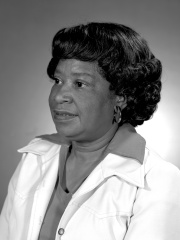
Mary Jackson
1921 - 2005
HPI: 68.42
Rank: 175
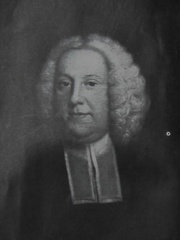
John Pell
1611 - 1685
HPI: 68.35
Rank: 176
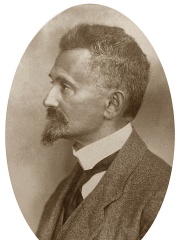
Felix Hausdorff
1868 - 1942
HPI: 68.33
Rank: 177
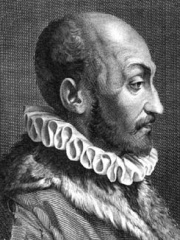
Giambattista della Porta
1535 - 1615
HPI: 68.27
Rank: 178

Contemporaries
Among people born in 27, Wang Chong ranks 2. Before him is Petronius. Among people deceased in 97, Wang Chong ranks 2. Before him is Saint Timothy. After him is Lucius Verginius Rufus.
Others Born in 27
Go to all Rankings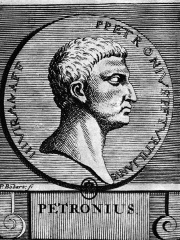
Others Deceased in 97
Go to all Rankings
Saint Timothy
RELIGIOUS FIGURE
17 - 97
HPI: 81.91
Rank: 1
Wang Chong
MATHEMATICIAN
27 - 97
HPI: 68.45
Rank: 2

Lucius Verginius Rufus
POLITICIAN
14 - 97
HPI: 63.96
Rank: 3
In China
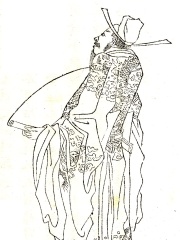
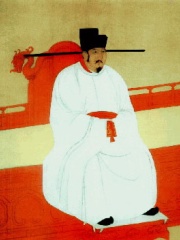
Among people born in China, Wang Chong ranks 254 out of 1,610. Before him are Sima Guang (1019), Ban Zhao (45), Di Renjie (630), Emperor Yingzong of Song (1032), Guan Zhong (-720), and Dong Biwu (1886). After him are Xi Zhongxun (1913), Wei Yan (200), 3rd Dalai Lama (1543), Ouyang Xiu (1007), Zhang Zuolin (1875), and Emperor Ai of Tang (892).
Others born in China
Go to all Rankings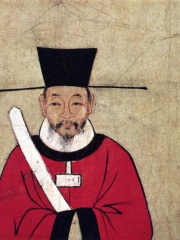
Sima Guang
POLITICIAN
1019 - 1086
HPI: 68.57
Rank: 248

Ban Zhao
PHILOSOPHER
45 - 115
HPI: 68.55
Rank: 249
Di Renjie
POLITICIAN
630 - 700
HPI: 68.54
Rank: 250
Emperor Yingzong of Song
POLITICIAN
1032 - 1067
HPI: 68.49
Rank: 251
Guan Zhong
PHILOSOPHER
720 BC - 645 BC
HPI: 68.47
Rank: 252
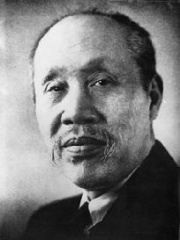
Dong Biwu
POLITICIAN
1886 - 1975
HPI: 68.46
Rank: 253
Wang Chong
MATHEMATICIAN
27 - 97
HPI: 68.45
Rank: 254

Xi Zhongxun
POLITICIAN
1913 - 2002
HPI: 68.41
Rank: 255
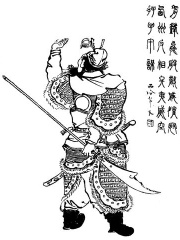
Wei Yan
POLITICIAN
200 - 234
HPI: 68.33
Rank: 256

3rd Dalai Lama
POLITICIAN
1543 - 1588
HPI: 68.20
Rank: 257
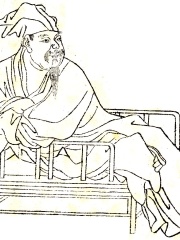
Ouyang Xiu
WRITER
1007 - 1072
HPI: 68.15
Rank: 258
Zhang Zuolin
POLITICIAN
1875 - 1928
HPI: 68.14
Rank: 259

Emperor Ai of Tang
POLITICIAN
892 - 908
HPI: 68.10
Rank: 260
Among 数学家 In China
Among 数学家 born in China, Wang Chong ranks 4. Before him are Zhang Heng (78), Liu Hui (225), and Zu Chongzhi (429). After him are Xu Guangqi (1562), Shing-Tung Yau (1949), Guo Shoujing (1231), Yi Xing (683), Liu Xin (-50), Shiing-Shen Chern (1911), Zhu Shijie (1249), and Qin Jiushao (1201).
Zhang Heng
78 - 139
HPI: 73.62
Rank: 1
Liu Hui
225 - 295
HPI: 69.90
Rank: 2

Zu Chongzhi
429 - 500
HPI: 69.57
Rank: 3
Wang Chong
27 - 97
HPI: 68.45
Rank: 4
Xu Guangqi
1562 - 1633
HPI: 66.30
Rank: 5

Shing-Tung Yau
1949 - Present
HPI: 64.73
Rank: 6
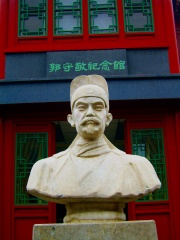
Guo Shoujing
1231 - 1316
HPI: 64.09
Rank: 7
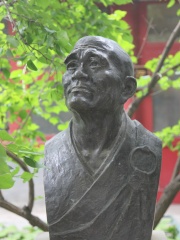
Yi Xing
683 - 727
HPI: 63.66
Rank: 8

Liu Xin
50 BC - 23
HPI: 63.40
Rank: 9
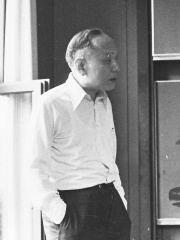
Shiing-Shen Chern
1911 - 2004
HPI: 63.11
Rank: 10
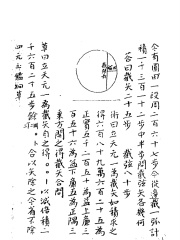
Zhu Shijie
1249 - 1314
HPI: 63.07
Rank: 11
Qin Jiushao
1201 - 1261
HPI: 62.34
Rank: 12