哲学家
Philo
15 BC - 45
ZH.WIKIPEDIA PAGE VIEWS (PV)
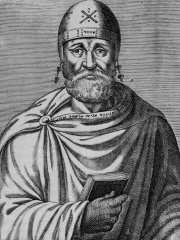
 Philo
Philo
斐洛(拉丁語:Philo,古希臘語:Φίλων,希伯來語:יְדִידְיָה,前20年—50年)是生於亞歷山卓的犹太裔哲学家和政治家。斐洛是嘗試將宗教信仰與哲學理性相結合的第一人,故在哲學史和宗教史上有獨特地位,更被視為希臘化時期猶太教哲學的代表人物和基督教神學的先驅。他的哲學對猶太教和其後的基督教發展有極深遠影響。 在维基百科上阅读更多
His biography is available in 57 different languages on Wikipedia (up from 56 in 2024). Philo is the 138th most popular 哲学家 (down from 126th in 2024), the 52nd most popular biography from Egypt (down from 47th in 2019) and the 4th most popular Egyptian 哲学家.
Philo was a Jewish philosopher who lived in Alexandria, Egypt during the 1st century CE. He is most famous for his allegorical interpretations of the Hebrew Bible.
Memorability Metrics
Page views of Philo by language
Among 哲学家
Among 哲学家, Philo ranks 138 out of 1,267. Before him are John Wycliffe, Johann Friedrich Herbart, Martin Buber, Zygmunt Bauman, Giambattista Vico, and Tommaso Campanella. After him are Charles Fourier, Duns Scotus, Baron d'Holbach, Mozi, Kanada, and Wilhelm Dilthey.
Most Popular 哲学家 in Wikipedia
Go to all Rankings

John Wycliffe
1324 - 1384
HPI: 76.81
Rank: 132
Johann Friedrich Herbart
1776 - 1841
HPI: 76.78
Rank: 133
Martin Buber
1878 - 1965
HPI: 76.75
Rank: 134

Zygmunt Bauman
1925 - 2017
HPI: 76.74
Rank: 135
Giambattista Vico
1668 - 1744
HPI: 76.67
Rank: 136

Tommaso Campanella
1568 - 1639
HPI: 76.67
Rank: 137
Philo
15 BC - 45
HPI: 76.66
Rank: 138
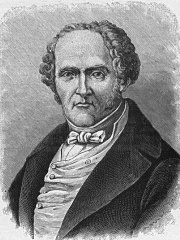
Charles Fourier
1772 - 1837
HPI: 76.65
Rank: 139

Duns Scotus
1265 - 1308
HPI: 76.64
Rank: 140
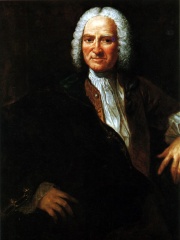
Baron d'Holbach
1723 - 1789
HPI: 76.63
Rank: 141

Mozi
470 BC - 391 BC
HPI: 76.56
Rank: 142

Kanada
200 BC - 160 BC
HPI: 76.49
Rank: 143
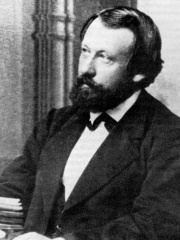
Wilhelm Dilthey
1833 - 1911
HPI: 76.39
Rank: 144

Contemporaries
Among people born in 15 BC, Philo ranks 2. Before him is Germanicus. After him is Polemon II of Pontus. Among people deceased in 45, Philo ranks 1. After him is Apion.
Others Born in 15 BC
Go to all Rankings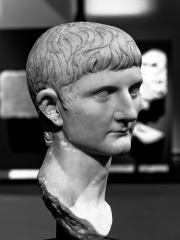
Germanicus
MILITARY PERSONNEL
15 BC - 19
HPI: 77.73
Rank: 1
Philo
PHILOSOPHER
15 BC - 45
HPI: 76.66
Rank: 2
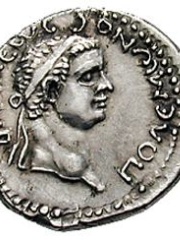
Polemon II of Pontus
POLITICIAN
15 BC - 74
HPI: 57.40
Rank: 3
Others Deceased in 45
Go to all Rankings
In Egypt
Among people born in Egypt, Philo ranks 52 out of 642. Before him are Ramesses I (-1300), Ankhesenamun (-1347), Ptolemy XIII Theos Philopator (-62), Cyril of Alexandria (376), Smenkhkare (-1400), and Boutros Boutros-Ghali (1922). After him are Ahmose I (-1560), Sneferu (-2700), Thutmose I (-1600), Pope Alexander I of Alexandria (250), Eli Cohen (1924), and Cleopatra III of Egypt (-161).
Others born in Egypt
Go to all Rankings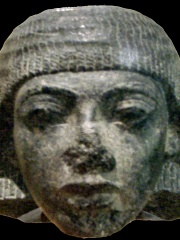
Ramesses I
NOBLEMAN
1300 BC - 1290 BC
HPI: 77.57
Rank: 46

Ankhesenamun
COMPANION
1347 BC - 1400 BC
HPI: 77.52
Rank: 47

Ptolemy XIII Theos Philopator
POLITICIAN
62 BC - 47 BC
HPI: 77.30
Rank: 48

Cyril of Alexandria
PHYSICIAN
376 - 444
HPI: 76.98
Rank: 49

Smenkhkare
POLITICIAN
1400 BC - 1334 BC
HPI: 76.75
Rank: 50

Boutros Boutros-Ghali
DIPLOMAT
1922 - 2016
HPI: 76.72
Rank: 51
Philo
PHILOSOPHER
15 BC - 45
HPI: 76.66
Rank: 52
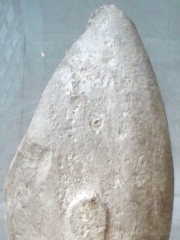
Ahmose I
POLITICIAN
1560 BC - 1525 BC
HPI: 76.62
Rank: 53
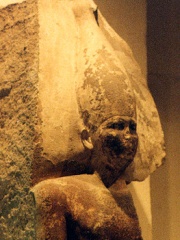
Sneferu
POLITICIAN
2700 BC - 2609 BC
HPI: 76.53
Rank: 54
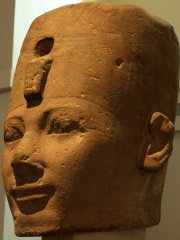
Thutmose I
POLITICIAN
1600 BC - 1493 BC
HPI: 76.46
Rank: 55

Pope Alexander I of Alexandria
RELIGIOUS FIGURE
250 - 326
HPI: 76.40
Rank: 56
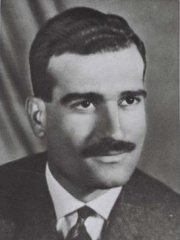
Eli Cohen
MILITARY PERSONNEL
1924 - 1965
HPI: 76.32
Rank: 57
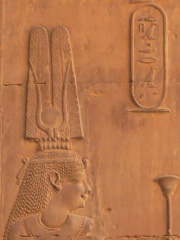
Cleopatra III of Egypt
POLITICIAN
161 BC - 101 BC
HPI: 76.20
Rank: 58
Among 哲学家 In Egypt
Among 哲学家 born in Egypt, Philo ranks 4. Before him are Origen (185), Plotinus (203), and Athanasius of Alexandria (295). After him are Sextus Empiricus (160), Muhammad Abduh (1849), Ammonius Saccas (175), John Philoponus (490), Saadia Gaon (882), Dhul-Nun al-Misri (796), Valentinus (100), and Ammonius Hermiae (440).

Origen
185 - 254
HPI: 84.46
Rank: 1
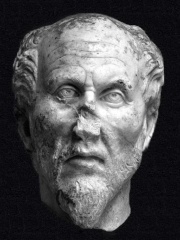
Plotinus
203 - 270
HPI: 82.09
Rank: 2
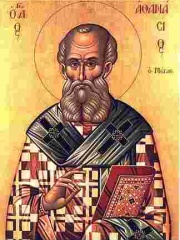
Athanasius of Alexandria
295 - 373
HPI: 79.92
Rank: 3
Philo
15 BC - 45
HPI: 76.66
Rank: 4
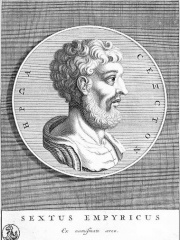
Sextus Empiricus
160 - 210
HPI: 74.77
Rank: 5
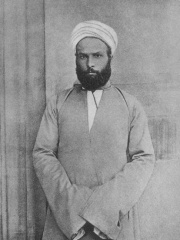
Muhammad Abduh
1849 - 1905
HPI: 73.35
Rank: 6

Ammonius Saccas
175 - 242
HPI: 71.27
Rank: 7

John Philoponus
490 - 570
HPI: 69.25
Rank: 8

Saadia Gaon
882 - 942
HPI: 68.42
Rank: 9

Dhul-Nun al-Misri
796 - 859
HPI: 67.23
Rank: 10

Valentinus
100 - 160
HPI: 66.01
Rank: 11
Ammonius Hermiae
440 - 523
HPI: 65.51
Rank: 12