哲学家
Martin Heidegger
1889 - 1976
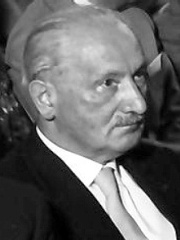
 Martin Heidegger
马丁·海德格尔(德語:Martin Heidegger,1889年9月26日—1976年5月26日),德國哲學家,海德格對於存在、時間、技術、語言和真理等問題有著獨特的見解。代表作有《存在與時間》、《形而上學導論》等。在現象學、存在主義、解構主義、詮釋學、後現代主義、政治理論、心理學及神學有舉足輕重的影響。 在维基百科上阅读更多
他的传记在维基百科上提供 113 种语言版本(较 2024 年的 105 种增加)。Martin Heidegger在最受欢迎的哲学家中排名第34位(较 2024 年的第36位上升),在德国人物传记中排名第37位(较 2019 年的第31位下降),并在最受欢迎的德国哲学家中排名第4位。
Memorability Metrics
Page views of Martin Heidegger by language
Among 哲学家
Among 哲学家, Martin Heidegger ranks 34 out of 1,267. Before him are Epicurus, Averroes, Al-Ghazali, Thomas Hobbes, Friedrich Engels, and Auguste Comte. After him are Maria Montessori, Parmenides, Søren Kierkegaard, Origen, Al-Farabi, and Lucretius.
Most Popular 哲学家 in Wikipedia
Go to all Rankings
Epicurus
341 BC - 269 BC
HPI: 86.65
Rank: 28
Averroes
1126 - 1198
HPI: 86.05
Rank: 29
Al-Ghazali
1058 - 1111
HPI: 85.99
Rank: 30
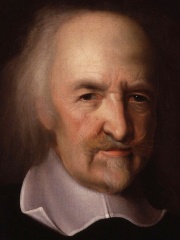
Thomas Hobbes
1588 - 1679
HPI: 85.75
Rank: 31
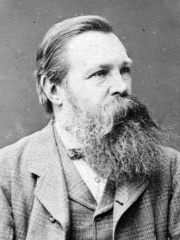
Friedrich Engels
1820 - 1895
HPI: 85.72
Rank: 32
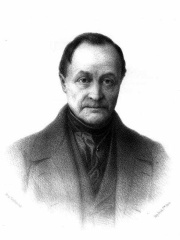
Auguste Comte
1798 - 1857
HPI: 85.43
Rank: 33
Martin Heidegger
1889 - 1976
HPI: 84.92
Rank: 34
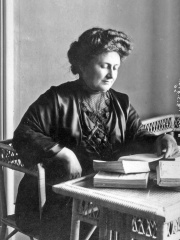
Maria Montessori
1870 - 1952
HPI: 84.59
Rank: 35
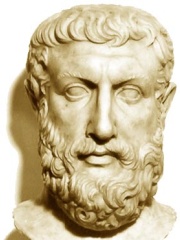
Parmenides
501 BC - 470 BC
HPI: 84.47
Rank: 36
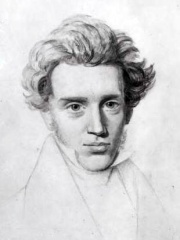
Søren Kierkegaard
1813 - 1855
HPI: 84.47
Rank: 37

Origen
185 - 254
HPI: 84.46
Rank: 38
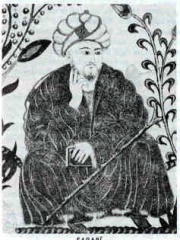
Al-Farabi
872 - 951
HPI: 84.23
Rank: 39
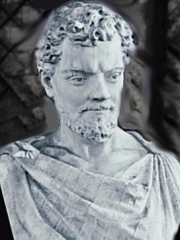
Lucretius
94 BC - 55 BC
HPI: 83.96
Rank: 40

Contemporaries
Among people born in 1889, Martin Heidegger ranks 3. Before him are Adolf Hitler, and Charlie Chaplin. After him are Ludwig Wittgenstein, António de Oliveira Salazar, Jean Cocteau, Edgar Adrian, Jawaharlal Nehru, Edwin Hubble, Philip Noel-Baker, Paul Karrer, and Ante Pavelić. Among people deceased in 1976, Martin Heidegger ranks 3. Before him are Mao Zedong, and Agatha Christie. After him are Bernard Montgomery, Werner Heisenberg, Howard Hughes, Alvar Aalto, Luchino Visconti, Zhou Enlai, Max Ernst, Jean Gabin, and Fritz Lang.
Others Born in 1889
Go to all Rankings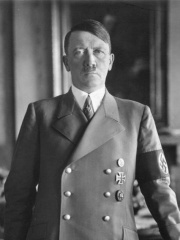
Adolf Hitler
POLITICIAN
1889 - 1945
HPI: 94.99
Rank: 1
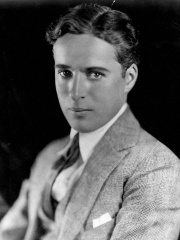
Charlie Chaplin
ACTOR
1889 - 1977
HPI: 89.85
Rank: 2
Martin Heidegger
PHILOSOPHER
1889 - 1976
HPI: 84.92
Rank: 3
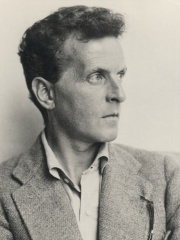
Ludwig Wittgenstein
PHILOSOPHER
1889 - 1951
HPI: 83.27
Rank: 4
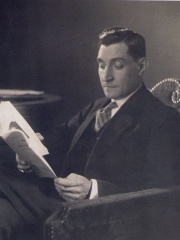
António de Oliveira Salazar
POLITICIAN
1889 - 1970
HPI: 81.59
Rank: 5
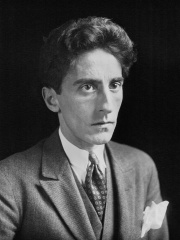
Jean Cocteau
WRITER
1889 - 1963
HPI: 80.33
Rank: 6
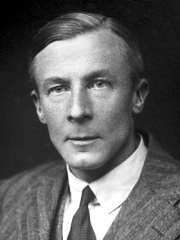
Edgar Adrian
PHYSICIAN
1889 - 1977
HPI: 80.05
Rank: 7
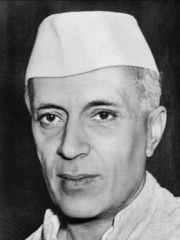
Jawaharlal Nehru
POLITICIAN
1889 - 1964
HPI: 78.99
Rank: 8
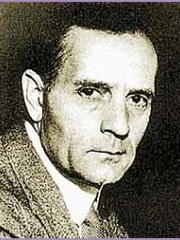
Edwin Hubble
ASTRONOMER
1889 - 1953
HPI: 78.45
Rank: 9
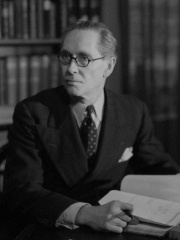
Philip Noel-Baker
POLITICIAN
1889 - 1982
HPI: 78.25
Rank: 10
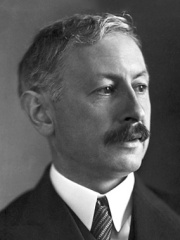
Paul Karrer
CHEMIST
1889 - 1971
HPI: 77.10
Rank: 11
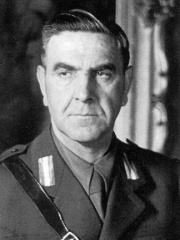
Ante Pavelić
POLITICIAN
1889 - 1959
HPI: 76.53
Rank: 12
Others Deceased in 1976
Go to all Rankings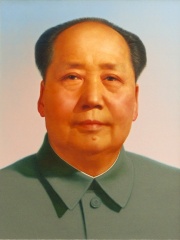
Mao Zedong
POLITICIAN
1893 - 1976
HPI: 88.70
Rank: 1
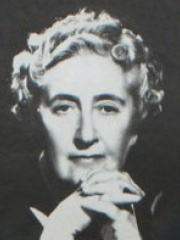
Agatha Christie
WRITER
1890 - 1976
HPI: 85.80
Rank: 2
Martin Heidegger
PHILOSOPHER
1889 - 1976
HPI: 84.92
Rank: 3
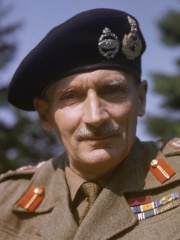
Bernard Montgomery
MILITARY PERSONNEL
1887 - 1976
HPI: 84.19
Rank: 4
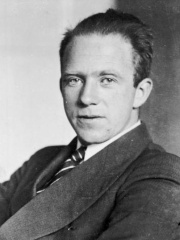
Werner Heisenberg
PHYSICIST
1901 - 1976
HPI: 83.50
Rank: 5
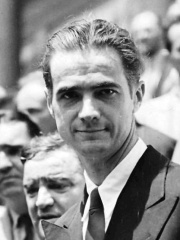
Howard Hughes
BUSINESSPERSON
1905 - 1976
HPI: 83.19
Rank: 6

Alvar Aalto
ARCHITECT
1898 - 1976
HPI: 81.52
Rank: 7
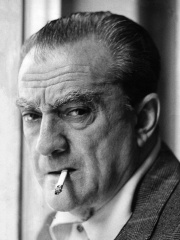
Luchino Visconti
FILM DIRECTOR
1906 - 1976
HPI: 78.42
Rank: 8
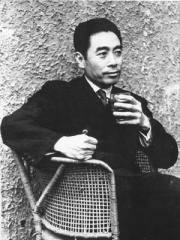
Zhou Enlai
POLITICIAN
1898 - 1976
HPI: 78.26
Rank: 9
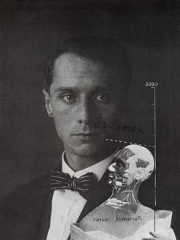
Max Ernst
PAINTER
1891 - 1976
HPI: 77.62
Rank: 10
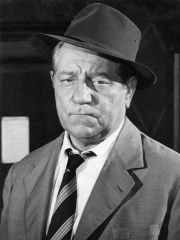
Jean Gabin
ACTOR
1904 - 1976
HPI: 76.22
Rank: 11
Fritz Lang
FILM DIRECTOR
1890 - 1976
HPI: 76.12
Rank: 12
In 德国
Among people born in 德国, Martin Heidegger ranks 37 out of NaN. Before him are Max Planck (1858), Bernhard Riemann (1826), Anne Frank (1929), Sigismund, Holy Roman Emperor (1368), Hermann Hesse (1877), and Otto I, Holy Roman Emperor (912). After him are Karl Dönitz (1891), Heinrich Himmler (1900), Friedrich Schiller (1759), Robert Schumann (1810), Josef Mengele (1911), and Prince Albert of Saxe-Coburg and Gotha (1819).
Others born in 德国
Go to all Rankings
Max Planck
PHYSICIST
1858 - 1947
HPI: 85.41
Rank: 31
Bernhard Riemann
MATHEMATICIAN
1826 - 1866
HPI: 85.32
Rank: 32

Anne Frank
WRITER
1929 - 1945
HPI: 85.31
Rank: 33
Sigismund, Holy Roman Emperor
POLITICIAN
1368 - 1437
HPI: 85.25
Rank: 34
Hermann Hesse
WRITER
1877 - 1962
HPI: 85.13
Rank: 35
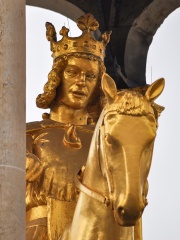
Otto I, Holy Roman Emperor
POLITICIAN
912 - 973
HPI: 84.97
Rank: 36
Martin Heidegger
PHILOSOPHER
1889 - 1976
HPI: 84.92
Rank: 37
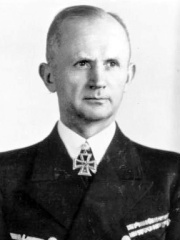
Karl Dönitz
MILITARY PERSONNEL
1891 - 1980
HPI: 84.90
Rank: 38
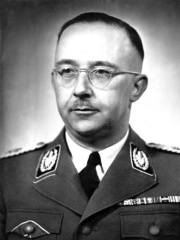
Heinrich Himmler
POLITICIAN
1900 - 1945
HPI: 84.86
Rank: 39
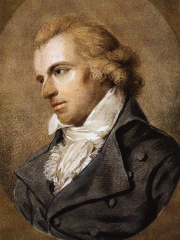
Friedrich Schiller
WRITER
1759 - 1805
HPI: 84.57
Rank: 40
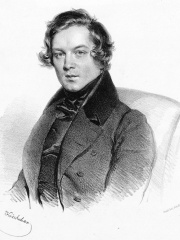
Robert Schumann
COMPOSER
1810 - 1856
HPI: 84.50
Rank: 41
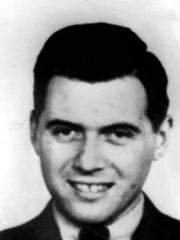
Josef Mengele
PHYSICIAN
1911 - 1979
HPI: 84.33
Rank: 42
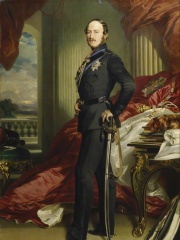
Prince Albert of Saxe-Coburg and Gotha
NOBLEMAN
1819 - 1861
HPI: 84.15
Rank: 43
Among 哲学家 In 德国
Among 哲学家 born in 德国, Martin Heidegger ranks 4. Before him are Friedrich Nietzsche (1844), Georg Wilhelm Friedrich Hegel (1770), and Friedrich Engels (1820). After him are Hannah Arendt (1906), Johann Gottlieb Fichte (1762), Nicholas of Cusa (1401), Friedrich Wilhelm Joseph Schelling (1775), Karl Jaspers (1883), Ludwig Feuerbach (1804), Rudolf Christoph Eucken (1846), and Jürgen Habermas (1929).
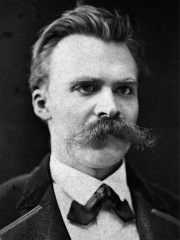
Friedrich Nietzsche
1844 - 1900
HPI: 90.17
Rank: 1
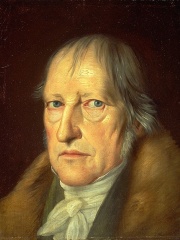
Georg Wilhelm Friedrich Hegel
1770 - 1831
HPI: 88.27
Rank: 2
Friedrich Engels
1820 - 1895
HPI: 85.72
Rank: 3
Martin Heidegger
1889 - 1976
HPI: 84.92
Rank: 4
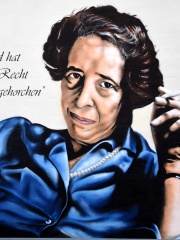
Hannah Arendt
1906 - 1975
HPI: 82.29
Rank: 5
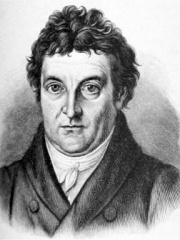
Johann Gottlieb Fichte
1762 - 1814
HPI: 81.40
Rank: 6

Nicholas of Cusa
1401 - 1464
HPI: 80.39
Rank: 7
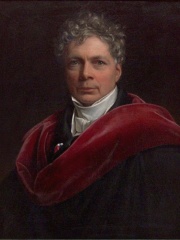
Friedrich Wilhelm Joseph Schelling
1775 - 1854
HPI: 80.32
Rank: 8
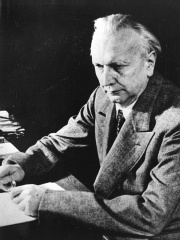
Karl Jaspers
1883 - 1969
HPI: 80.28
Rank: 9
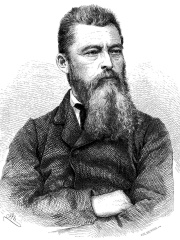
Ludwig Feuerbach
1804 - 1872
HPI: 80.22
Rank: 10
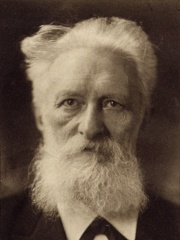
Rudolf Christoph Eucken
1846 - 1926
HPI: 79.85
Rank: 11
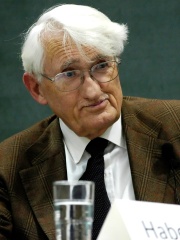
Jürgen Habermas
1929 - Present
HPI: 79.46
Rank: 12