哲学家
Lucretius
94 BC - 55 BC
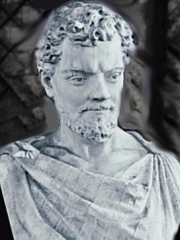
 Lucretius
提图斯·盧克萊修·卡鲁斯(拉丁語:Titus Lucretius Carus,前99年—前55年),罗马共和国末期的詩人和哲學家,以哲理長詩《物性論》(De Rerum Natura)著称于世,44歲時自殺身亡。 在维基百科上阅读更多
His biography is available in 81 different languages on Wikipedia (up from 80 in 2024). Lucretius is the 40th most popular 哲学家 (up from 49th in 2024), the 75th most popular biography from Italy (down from 56th in 2019) and the 5th most popular Italian 哲学家.
Lucretius is most famous for his poem "De Rerum Natura" which is a long didactic poem about the nature of the universe and the development of life.
Memorability Metrics
Page views of Lucretius by language
Among 哲学家
Among 哲学家, Lucretius ranks 40 out of 1,267. Before him are Martin Heidegger, Maria Montessori, Parmenides, Søren Kierkegaard, Origen, and Al-Farabi. After him are Rajneesh, Michel de Montaigne, Sun Tzu, Empedocles, Plutarch, and Anaximander.
Most Popular 哲学家 in Wikipedia
Go to all Rankings
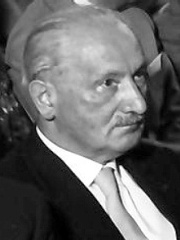
Martin Heidegger
1889 - 1976
HPI: 84.92
Rank: 34
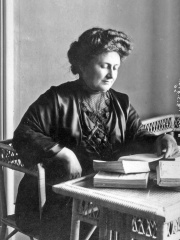
Maria Montessori
1870 - 1952
HPI: 84.59
Rank: 35
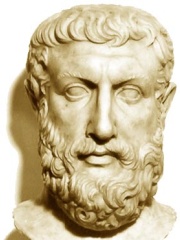
Parmenides
501 BC - 470 BC
HPI: 84.47
Rank: 36
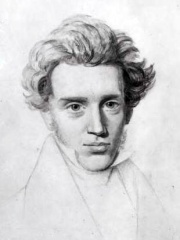
Søren Kierkegaard
1813 - 1855
HPI: 84.47
Rank: 37
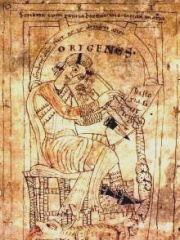
Origen
185 - 254
HPI: 84.46
Rank: 38
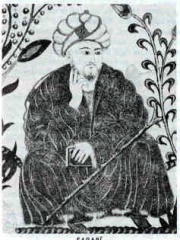
Al-Farabi
872 - 951
HPI: 84.23
Rank: 39
Lucretius
94 BC - 55 BC
HPI: 83.96
Rank: 40

Rajneesh
1931 - 1990
HPI: 83.75
Rank: 41
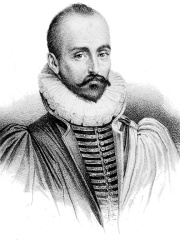
Michel de Montaigne
1533 - 1592
HPI: 83.66
Rank: 42
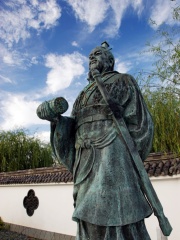
Sun Tzu
544 BC - 496 BC
HPI: 83.60
Rank: 43
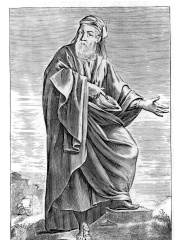
Empedocles
490 BC - 430 BC
HPI: 83.60
Rank: 44
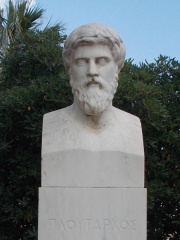
Plutarch
46 - 127
HPI: 83.51
Rank: 45
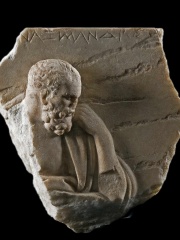
Anaximander
610 BC - 546 BC
HPI: 83.48
Rank: 46

Contemporaries
Among people born in 94 BC, Lucretius ranks 1. After him are Emperor Zhao of Han, Clodia Pulchra, Publius Servilius Vatia Isauricus, and Marcus Claudius Marcellus. Among people deceased in 55 BC, Lucretius ranks 1. After him are Tigranes the Great, Berenice IV of Egypt, and Quintus Caecilius Metellus Nepos.
Others Born in 94 BC
Go to all RankingsLucretius
PHILOSOPHER
94 BC - 55 BC
HPI: 83.96
Rank: 1
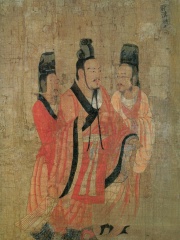
Emperor Zhao of Han
POLITICIAN
94 BC - 74 BC
HPI: 67.80
Rank: 2
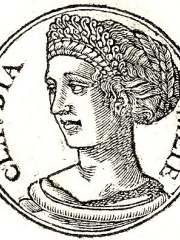
Clodia Pulchra
WRITER
94 BC - 45 BC
HPI: 66.06
Rank: 3

Publius Servilius Vatia Isauricus
POLITICIAN
94 BC - 100 BC
HPI: 64.44
Rank: 4

Marcus Claudius Marcellus
POLITICIAN
94 BC - 45 BC
HPI: 60.04
Rank: 5
Others Deceased in 55 BC
Go to all RankingsLucretius
PHILOSOPHER
94 BC - 55 BC
HPI: 83.96
Rank: 1
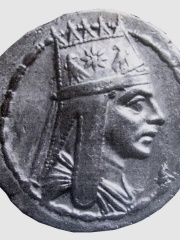
Tigranes the Great
POLITICIAN
140 BC - 55 BC
HPI: 77.29
Rank: 2
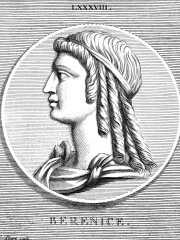
Berenice IV of Egypt
POLITICIAN
77 BC - 55 BC
HPI: 72.89
Rank: 3
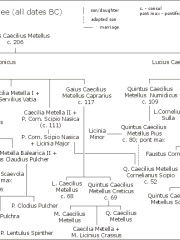
Quintus Caecilius Metellus Nepos
POLITICIAN
135 BC - 55 BC
HPI: 63.70
Rank: 4
In Italy
Among people born in Italy, Lucretius ranks 75 out of 5,161. Before him are Pope Leo XII (1760), Joseph-Louis Lagrange (1736), Lorenzo de' Medici (1449), Titus (41), Mark Antony (-83), and Saint Lucy (283). After him are Catherine de' Medici (1519), Pope Pius VIII (1761), Vespasian (9), Gioachino Rossini (1792), Domitian (51), and Pope Urban VIII (1568).
Others born in Italy
Go to all Rankings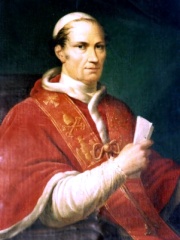
Pope Leo XII
RELIGIOUS FIGURE
1760 - 1829
HPI: 84.18
Rank: 69
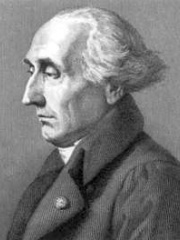
Joseph-Louis Lagrange
MATHEMATICIAN
1736 - 1813
HPI: 84.17
Rank: 70
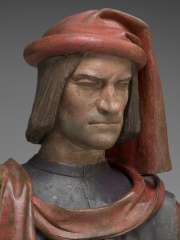
Lorenzo de' Medici
POLITICIAN
1449 - 1492
HPI: 84.14
Rank: 71
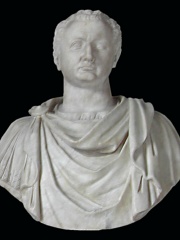
Titus
POLITICIAN
41 - 81
HPI: 84.07
Rank: 72
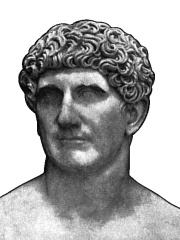
Mark Antony
POLITICIAN
83 BC - 30 BC
HPI: 83.97
Rank: 73
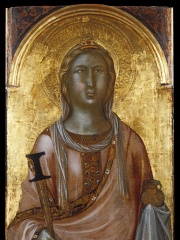
Saint Lucy
RELIGIOUS FIGURE
283 - 304
HPI: 83.96
Rank: 74
Lucretius
PHILOSOPHER
94 BC - 55 BC
HPI: 83.96
Rank: 75
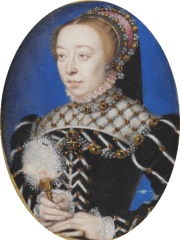
Catherine de' Medici
COMPANION
1519 - 1589
HPI: 83.94
Rank: 76
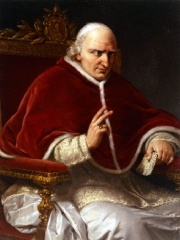
Pope Pius VIII
RELIGIOUS FIGURE
1761 - 1830
HPI: 83.92
Rank: 77
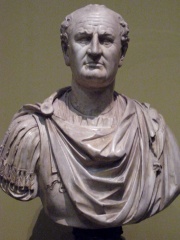
Vespasian
POLITICIAN
9 - 79
HPI: 83.91
Rank: 78
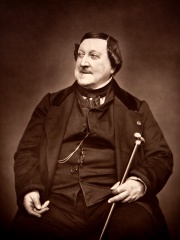
Gioachino Rossini
COMPOSER
1792 - 1868
HPI: 83.90
Rank: 79
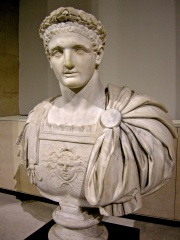
Domitian
POLITICIAN
51 - 96
HPI: 83.71
Rank: 80
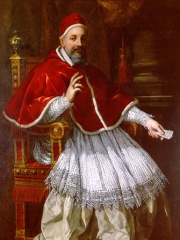
Pope Urban VIII
RELIGIOUS FIGURE
1568 - 1644
HPI: 83.69
Rank: 81
Among 哲学家 In Italy
Among 哲学家 born in Italy, Lucretius ranks 5. Before him are Niccolò Machiavelli (1469), Thomas Aquinas (1225), Maria Montessori (1870), and Parmenides (-501). After him are Empedocles (-490), Zeno of Elea (-490), Antonio Gramsci (1891), Pliny the Elder (23), Giovanni Pico della Mirandola (1463), Boethius (480), and Bonaventure (1221).
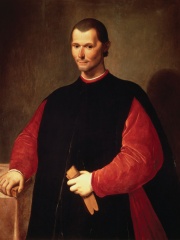
Niccolò Machiavelli
1469 - 1527
HPI: 90.45
Rank: 1
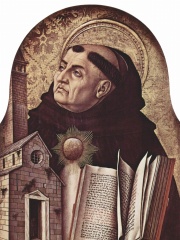
Thomas Aquinas
1225 - 1274
HPI: 88.70
Rank: 2
Maria Montessori
1870 - 1952
HPI: 84.59
Rank: 3
Parmenides
501 BC - 470 BC
HPI: 84.47
Rank: 4
Lucretius
94 BC - 55 BC
HPI: 83.96
Rank: 5
Empedocles
490 BC - 430 BC
HPI: 83.60
Rank: 6
Zeno of Elea
490 BC - 425 BC
HPI: 81.64
Rank: 7
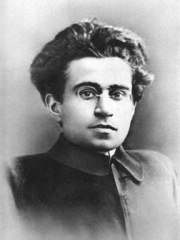
Antonio Gramsci
1891 - 1937
HPI: 80.94
Rank: 8
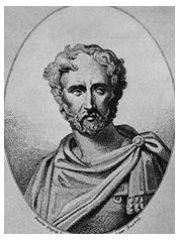
Pliny the Elder
23 - 79
HPI: 80.68
Rank: 9
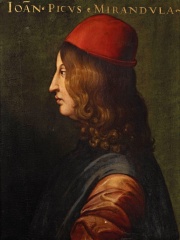
Giovanni Pico della Mirandola
1463 - 1494
HPI: 79.56
Rank: 10
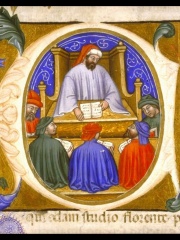
Boethius
480 - 525
HPI: 78.53
Rank: 11
Bonaventure
1221 - 1274
HPI: 77.62
Rank: 12