数学家
John Napier
1550 - 1617
ZH.WIKIPEDIA PAGE VIEWS (PV)
 John Napier
Memorability Metrics
Page views of John Napier by language
Among 数学家
Among 数学家, John Napier ranks 40 out of 1,004. Before him are Niels Henrik Abel, Brahmagupta, Pope Sylvester II, Georg Cantor, Apollonius of Perga, and Augustin-Louis Cauchy. After him are Sir George Stokes, 1st Baronet, Eudoxus of Cnidus, Johann Bernoulli, Maria Gaetana Agnesi, Al-Battani, and Gottlob Frege.
Most Popular 数学家 in Wikipedia
Go to all Rankings
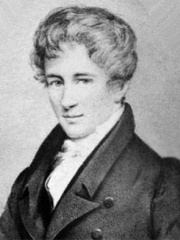
Niels Henrik Abel
1802 - 1829
HPI: 79.17
Rank: 34
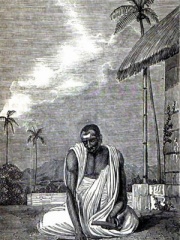
Brahmagupta
598 - 670
HPI: 78.74
Rank: 35
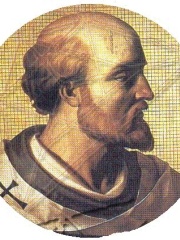
Pope Sylvester II
938 - 1003
HPI: 78.50
Rank: 36
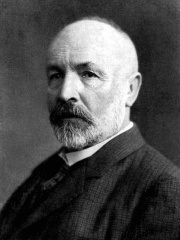
Georg Cantor
1845 - 1918
HPI: 78.44
Rank: 37
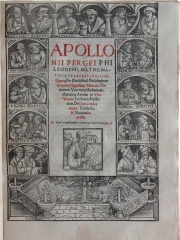
Apollonius of Perga
262 BC - 190 BC
HPI: 78.39
Rank: 38
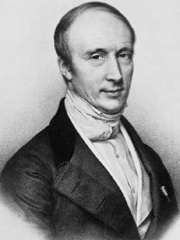
Augustin-Louis Cauchy
1789 - 1857
HPI: 78.11
Rank: 39
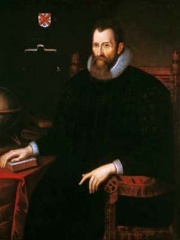
John Napier
1550 - 1617
HPI: 77.92
Rank: 40
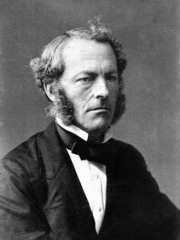
Sir George Stokes, 1st Baronet
1819 - 1903
HPI: 77.65
Rank: 41

Eudoxus of Cnidus
408 BC - 355 BC
HPI: 77.62
Rank: 42
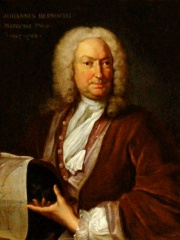
Johann Bernoulli
1667 - 1748
HPI: 77.25
Rank: 43
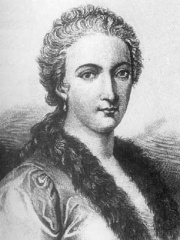
Maria Gaetana Agnesi
1718 - 1799
HPI: 76.89
Rank: 44
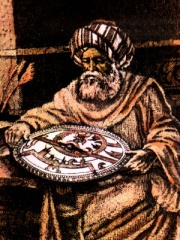
Al-Battani
858 - 929
HPI: 76.82
Rank: 45

Gottlob Frege
1848 - 1925
HPI: 76.81
Rank: 46

Contemporaries
Among people born in 1550, John Napier ranks 4. Before him are Charles IX of France, Safiye Sultan, and Willem Barentsz. After him are Charles IX of Sweden, John Davis, Do-Aklin, Henry I, Duke of Guise, Camillus de Lellis, Edward de Vere, 17th Earl of Oxford, Jang-geum, and Stanislaus Kostka. Among people deceased in 1617, John Napier ranks 3. Before him are Pocahontas, and Ahmed I. After him are Francisco Suárez, Rose of Lima, Hendrik Goltzius, Emperor Go-Yōzei, Dorothea of Denmark, Duchess of Brunswick-Lüneburg, David Fabricius, Concino Concini, 4th Dalai Lama, and Fausto Veranzio.
Others Born in 1550
Go to all Rankings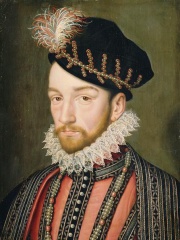
Charles IX of France
POLITICIAN
1550 - 1574
HPI: 80.43
Rank: 1

Safiye Sultan
POLITICIAN
1550 - 1619
HPI: 79.14
Rank: 2

Willem Barentsz
EXPLORER
1550 - 1597
HPI: 78.49
Rank: 3
John Napier
MATHEMATICIAN
1550 - 1617
HPI: 77.92
Rank: 4
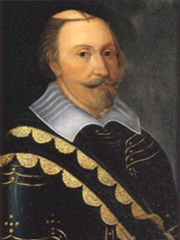
Charles IX of Sweden
POLITICIAN
1550 - 1611
HPI: 76.69
Rank: 5
John Davis
EXPLORER
1550 - 1605
HPI: 74.69
Rank: 6
Do-Aklin
POLITICIAN
1550 - 1700
HPI: 73.60
Rank: 7
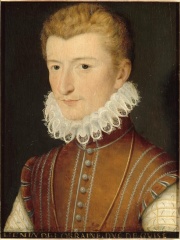
Henry I, Duke of Guise
POLITICIAN
1550 - 1588
HPI: 73.07
Rank: 8

Camillus de Lellis
RELIGIOUS FIGURE
1550 - 1614
HPI: 72.26
Rank: 9
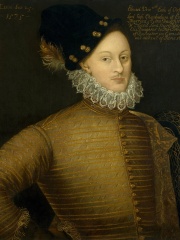
Edward de Vere, 17th Earl of Oxford
POLITICIAN
1550 - 1604
HPI: 69.79
Rank: 10

Jang-geum
PHYSICIAN
1550 - 1550
HPI: 69.42
Rank: 11

Stanislaus Kostka
RELIGIOUS FIGURE
1550 - 1568
HPI: 68.12
Rank: 12
Others Deceased in 1617
Go to all Rankings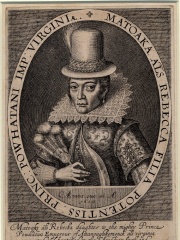
Pocahontas
DIPLOMAT
1595 - 1617
HPI: 85.50
Rank: 1
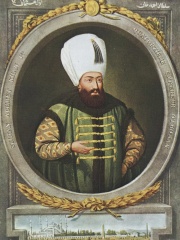
Ahmed I
POLITICIAN
1590 - 1617
HPI: 84.23
Rank: 2
John Napier
MATHEMATICIAN
1550 - 1617
HPI: 77.92
Rank: 3
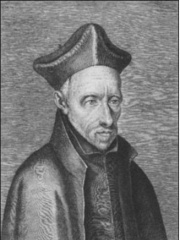
Francisco Suárez
PHILOSOPHER
1548 - 1617
HPI: 73.14
Rank: 4

Rose of Lima
RELIGIOUS FIGURE
1586 - 1617
HPI: 72.88
Rank: 5

Hendrik Goltzius
PAINTER
1558 - 1617
HPI: 71.81
Rank: 6

Emperor Go-Yōzei
POLITICIAN
1571 - 1617
HPI: 70.16
Rank: 7

Dorothea of Denmark, Duchess of Brunswick-Lüneburg
POLITICIAN
1546 - 1617
HPI: 69.17
Rank: 8
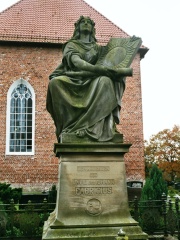
David Fabricius
ASTRONOMER
1564 - 1617
HPI: 68.47
Rank: 9
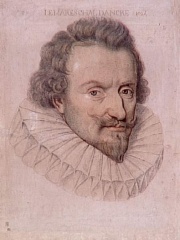
Concino Concini
POLITICIAN
1575 - 1617
HPI: 67.71
Rank: 10

4th Dalai Lama
POLITICIAN
1589 - 1617
HPI: 66.17
Rank: 11
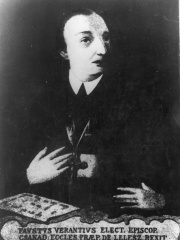
Fausto Veranzio
INVENTOR
1551 - 1617
HPI: 62.76
Rank: 12
In 英国
Among people born in 英国, John Napier ranks 195 out of NaN. Before him are George Harrison (1943), Charles Glover Barkla (1877), William of Ockham (1285), Ernest Augustus, King of Hanover (1771), Maggie Smith (1934), and Victoria, Princess Royal (1840). After him are Paul Dirac (1902), Robert Robinson (1886), Blackbeard (1680), Ian McKellen (1939), Eric Clapton (1945), and Cat Stevens (1948).
Others born in 英国
Go to all Rankings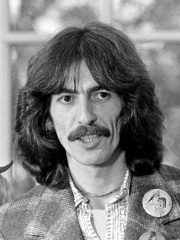
George Harrison
MUSICIAN
1943 - 2001
HPI: 78.02
Rank: 189
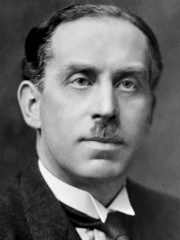
Charles Glover Barkla
PHYSICIST
1877 - 1944
HPI: 78.02
Rank: 190
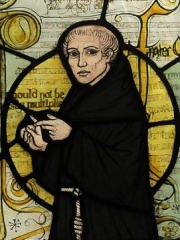
William of Ockham
PHILOSOPHER
1285 - 1347
HPI: 77.99
Rank: 191
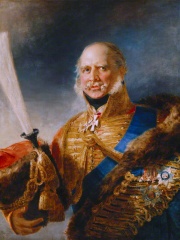
Ernest Augustus, King of Hanover
POLITICIAN
1771 - 1851
HPI: 77.97
Rank: 192

Maggie Smith
ACTOR
1934 - 2024
HPI: 77.94
Rank: 193
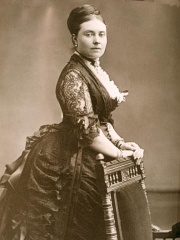
Victoria, Princess Royal
COMPANION
1840 - 1901
HPI: 77.93
Rank: 194
John Napier
MATHEMATICIAN
1550 - 1617
HPI: 77.92
Rank: 195
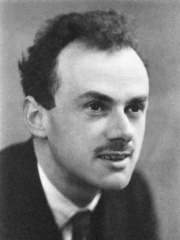
Paul Dirac
PHYSICIST
1902 - 1984
HPI: 77.91
Rank: 196
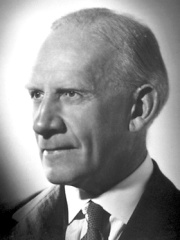
Robert Robinson
CHEMIST
1886 - 1975
HPI: 77.85
Rank: 197
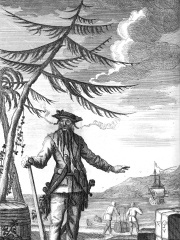
Blackbeard
PIRATE
1680 - 1718
HPI: 77.83
Rank: 198

Ian McKellen
ACTOR
1939 - Present
HPI: 77.80
Rank: 199

Eric Clapton
MUSICIAN
1945 - Present
HPI: 77.76
Rank: 200

Cat Stevens
MUSICIAN
1948 - Present
HPI: 77.66
Rank: 201
Among 数学家 In 英国
Among 数学家 born in 英国, John Napier ranks 3. Before him are Ada Lovelace (1815), and Bertrand Russell (1872). After him are George Boole (1815), Alfred North Whitehead (1861), John Couch Adams (1819), Thomas Harriot (1560), Frank P. Ramsey (1903), Joan Clarke (1917), John Wallis (1616), George Green (1793), and William Oughtred (1574).
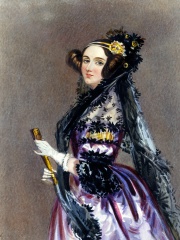
Ada Lovelace
1815 - 1852
HPI: 87.83
Rank: 1
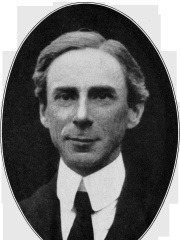
Bertrand Russell
1872 - 1970
HPI: 82.69
Rank: 2
John Napier
1550 - 1617
HPI: 77.92
Rank: 3
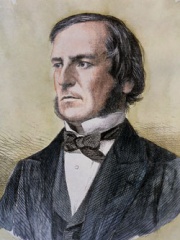
George Boole
1815 - 1864
HPI: 76.22
Rank: 4
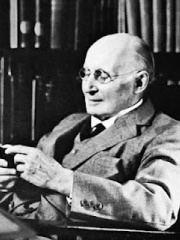
Alfred North Whitehead
1861 - 1947
HPI: 73.62
Rank: 5
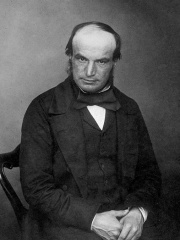
John Couch Adams
1819 - 1892
HPI: 73.12
Rank: 6
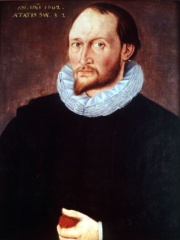
Thomas Harriot
1560 - 1621
HPI: 73.03
Rank: 7
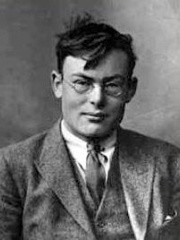
Frank P. Ramsey
1903 - 1930
HPI: 72.55
Rank: 8

Joan Clarke
1917 - 1996
HPI: 72.55
Rank: 9
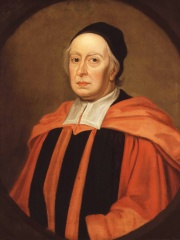
John Wallis
1616 - 1703
HPI: 72.15
Rank: 10

George Green
1793 - 1841
HPI: 71.13
Rank: 11
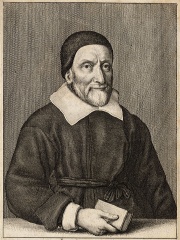
William Oughtred
1574 - 1660
HPI: 71.03
Rank: 12