Mathematician
Apollonius of Perga
262 BC - 190 BC
EN.WIKIPEDIA PAGE VIEWS (PV)
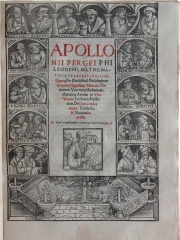
 Apollonius of Perga
His biography is available in 68 different languages on Wikipedia (up from 65 in 2024). Apollonius of Perga is the 38th most popular mathematician (down from 28th in 2024), the 74th most popular biography from Türkiye (down from 58th in 2019) and the most popular Turkish Mathematician.
Apollonius of Perga is most famous for his work on conic sections. He is also credited with inventing the terms "parabola," "ellipse," and "hyperbola."
Memorability Metrics
Page views of Apollonius of Perga by language
Among Mathematicians
Among mathematicians, Apollonius of Perga ranks 38 out of 1,004. Before him are Kurt Gödel, Luca Pacioli, Niels Henrik Abel, Brahmagupta, Pope Sylvester II, and Georg Cantor. After him are Augustin-Louis Cauchy, John Napier, Sir George Stokes, 1st Baronet, Eudoxus of Cnidus, Johann Bernoulli, and Maria Gaetana Agnesi.
Most Popular Mathematicians in Wikipedia
Go to all Rankings
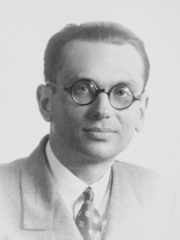
Kurt Gödel
1906 - 1978
HPI: 79.53
Rank: 32

Luca Pacioli
1445 - 1517
HPI: 79.39
Rank: 33
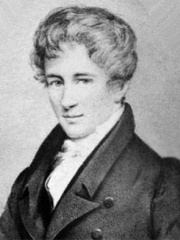
Niels Henrik Abel
1802 - 1829
HPI: 79.17
Rank: 34
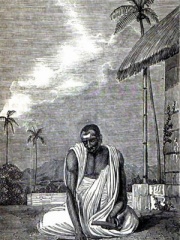
Brahmagupta
598 - 670
HPI: 78.74
Rank: 35
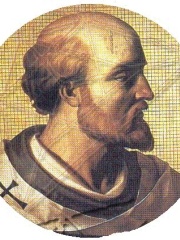
Pope Sylvester II
938 - 1003
HPI: 78.50
Rank: 36
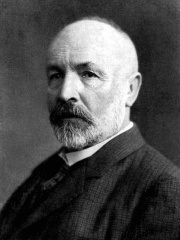
Georg Cantor
1845 - 1918
HPI: 78.44
Rank: 37
Apollonius of Perga
262 BC - 190 BC
HPI: 78.39
Rank: 38
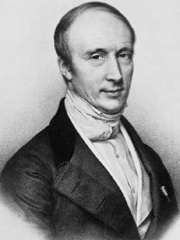
Augustin-Louis Cauchy
1789 - 1857
HPI: 78.11
Rank: 39

John Napier
1550 - 1617
HPI: 77.92
Rank: 40
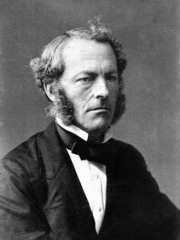
Sir George Stokes, 1st Baronet
1819 - 1903
HPI: 77.65
Rank: 41

Eudoxus of Cnidus
408 BC - 355 BC
HPI: 77.62
Rank: 42

Johann Bernoulli
1667 - 1748
HPI: 77.25
Rank: 43
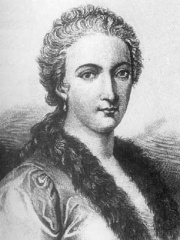
Maria Gaetana Agnesi
1718 - 1799
HPI: 76.89
Rank: 44

Contemporaries
Among people born in 262 BC, Apollonius of Perga ranks 1. After him is Areus II. Among people deceased in 190 BC, Apollonius of Perga ranks 1.
Others Born in 262 BC
Go to all RankingsApollonius of Perga
MATHEMATICIAN
262 BC - 190 BC
HPI: 78.39
Rank: 1
Areus II
POLITICIAN
262 BC - 254 BC
HPI: 59.39
Rank: 2
Others Deceased in 190 BC
Go to all RankingsIn Türkiye
Among people born in Türkiye, Apollonius of Perga ranks 74 out of NaN. Before him are Ahmed II (1643), Abdulmejid I (1823), Abdul Hamid I (1725), Mustafa II (1664), Şehzade Bayezid (1525), and Theodora Porphyrogenita (984). After him are Orhan Pamuk (1952), Priam (null), Selim III (1761), Mahmud I (1696), Şehzade Mehmed (1522), and Abdullah Öcalan (1949).
Others born in Türkiye
Go to all Rankings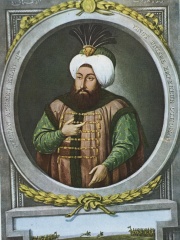
Ahmed II
POLITICIAN
1643 - 1695
HPI: 79.09
Rank: 68
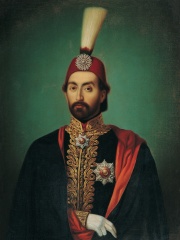
Abdulmejid I
POLITICIAN
1823 - 1861
HPI: 78.90
Rank: 69
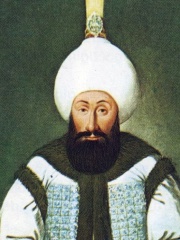
Abdul Hamid I
POLITICIAN
1725 - 1789
HPI: 78.74
Rank: 70
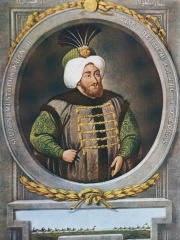
Mustafa II
POLITICIAN
1664 - 1703
HPI: 78.73
Rank: 71

Şehzade Bayezid
POLITICIAN
1525 - 1561
HPI: 78.57
Rank: 72
Theodora Porphyrogenita
POLITICIAN
984 - 1056
HPI: 78.43
Rank: 73
Apollonius of Perga
MATHEMATICIAN
262 BC - 190 BC
HPI: 78.39
Rank: 74

Orhan Pamuk
WRITER
1952 - Present
HPI: 78.34
Rank: 75
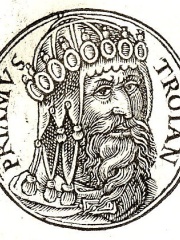
Priam
POLITICIAN
HPI: 78.33
Rank: 76
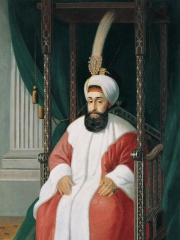
Selim III
POLITICIAN
1761 - 1808
HPI: 78.33
Rank: 77
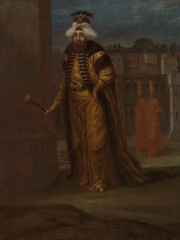
Mahmud I
POLITICIAN
1696 - 1754
HPI: 78.30
Rank: 78

Şehzade Mehmed
NOBLEMAN
1522 - 1543
HPI: 78.23
Rank: 79

Abdullah Öcalan
EXTREMIST
1949 - Present
HPI: 78.23
Rank: 80
Among Mathematicians In Türkiye
Among mathematicians born in Türkiye, Apollonius of Perga ranks 1. After him are Eudoxus of Cnidus (-408), Al-Battani (858), Thābit ibn Qurra (836), Anthemius of Tralles (474), Autolycus of Pitane (-360), Simplicius of Cilicia (490), Menaechmus (-375), Callippus (-370), Theon of Smyrna (70), Theodosius of Bithynia (-160), and Suzan Kahramaner (1913).
Apollonius of Perga
262 BC - 190 BC
HPI: 78.39
Rank: 1
Eudoxus of Cnidus
408 BC - 355 BC
HPI: 77.62
Rank: 2
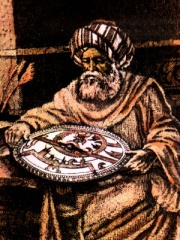
Al-Battani
858 - 929
HPI: 76.82
Rank: 3

Thābit ibn Qurra
836 - 901
HPI: 73.63
Rank: 4

Anthemius of Tralles
474 - 534
HPI: 71.67
Rank: 5
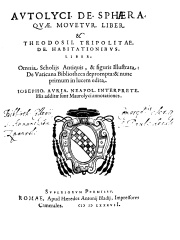
Autolycus of Pitane
360 BC - 290 BC
HPI: 68.73
Rank: 6

Simplicius of Cilicia
490 - 560
HPI: 68.13
Rank: 7

Menaechmus
375 BC - 300 BC
HPI: 66.70
Rank: 8

Callippus
370 BC - 300 BC
HPI: 66.43
Rank: 9

Theon of Smyrna
70 - 135
HPI: 62.34
Rank: 10

Theodosius of Bithynia
160 BC - 100 BC
HPI: 59.91
Rank: 11
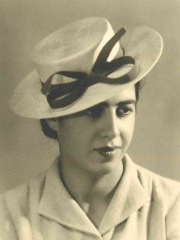
Suzan Kahramaner
1913 - 2006
HPI: 53.55
Rank: 12