数学家
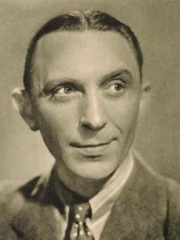
Fritz Noether
1884 - 1941
 Fritz Noether
Memorability Metrics
Page views of Fritz Noether by language
Among 数学家
Among 数学家, Fritz Noether ranks 720 out of 1,004. Before him are Hans Carl Friedrich von Mangoldt, Jacques Tits, Alexander Ostrowski, Alexander Esenin-Volpin, Carl Neumann, and Heinz Prüfer. After him are Eugene Dynkin, John Cairncross, Wu Wenjun, David Cox, Pingala, and Max Newman.
Most Popular 数学家 in Wikipedia
Go to all Rankings
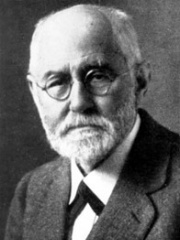
Hans Carl Friedrich von Mangoldt
1854 - 1925
HPI: 57.03
Rank: 714
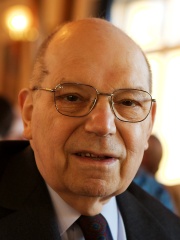
Jacques Tits
1930 - 2021
HPI: 57.01
Rank: 715
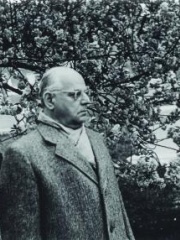
Alexander Ostrowski
1893 - 1986
HPI: 56.94
Rank: 716

Alexander Esenin-Volpin
1924 - 2016
HPI: 56.92
Rank: 717
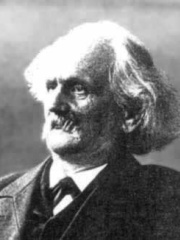
Carl Neumann
1832 - 1925
HPI: 56.91
Rank: 718
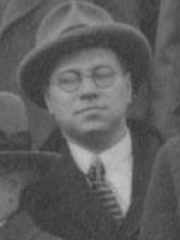
Heinz Prüfer
1896 - 1934
HPI: 56.90
Rank: 719
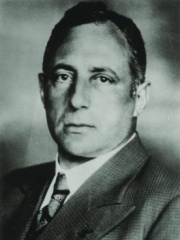
Fritz Noether
1884 - 1941
HPI: 56.87
Rank: 720
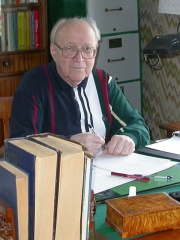
Eugene Dynkin
1924 - 2014
HPI: 56.87
Rank: 721
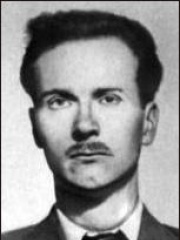
John Cairncross
1913 - 1995
HPI: 56.81
Rank: 722
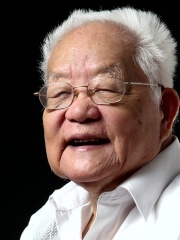
Wu Wenjun
1919 - 2017
HPI: 56.80
Rank: 723
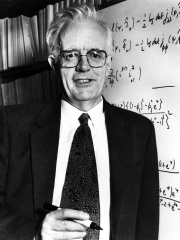
David Cox
1924 - 2022
HPI: 56.75
Rank: 724

Pingala
150 BC - Present
HPI: 56.74
Rank: 725
Max Newman
1897 - 1984
HPI: 56.67
Rank: 726

Contemporaries
Among people born in 1884, Fritz Noether ranks 173. Before him are David Curtiss Munson, Pontus Hanson, Mia May, John Hutchinson, Fred Yates, and Dobri Bozhilov. After him are Yrjö Saarela, Ture Rangström, Jean-Richard Bloch, Andrés Martínez Trueba, Dewi Sartika, and Ludwik Hirszfeld. Among people deceased in 1941, Fritz Noether ranks 153. Before him are Sueo Ōe, Tadeusz Boy-Żeleński, Nikolai Gastello, Penelope Delta, Lev Dovator, and Frederick Moloney. After him are Émile Nelligan, Hermann Wilker, Paul von Hintze, Tom Phillips, Verner Järvinen, and Franz Bartl.
Others Born in 1884
Go to all Rankings
David Curtiss Munson
ATHLETE
1884 - 1953
HPI: 57.29
Rank: 167
Pontus Hanson
SWIMMER
1884 - 1962
HPI: 57.25
Rank: 168
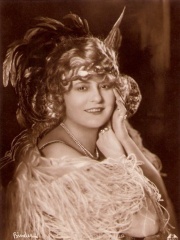
Mia May
ACTOR
1884 - 1980
HPI: 57.20
Rank: 169
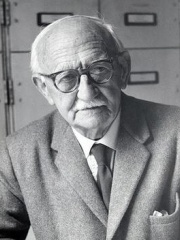
John Hutchinson
BIOLOGIST
1884 - 1972
HPI: 57.11
Rank: 170
Fred Yates
CHESS PLAYER
1884 - 1932
HPI: 56.96
Rank: 171
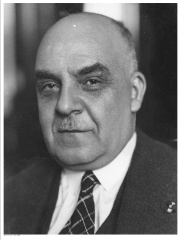
Dobri Bozhilov
POLITICIAN
1884 - 1945
HPI: 56.95
Rank: 172
Fritz Noether
MATHEMATICIAN
1884 - 1941
HPI: 56.87
Rank: 173
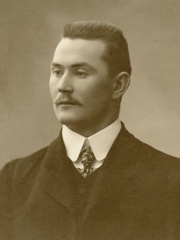
Yrjö Saarela
WRESTLER
1884 - 1951
HPI: 56.85
Rank: 174
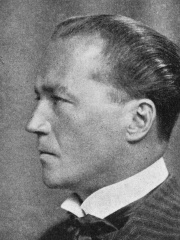
Ture Rangström
COMPOSER
1884 - 1947
HPI: 56.78
Rank: 175
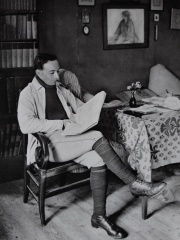
Jean-Richard Bloch
WRITER
1884 - 1947
HPI: 56.66
Rank: 176

Andrés Martínez Trueba
POLITICIAN
1884 - 1959
HPI: 56.64
Rank: 177
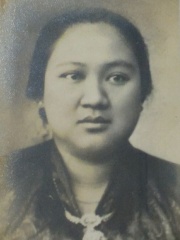
Dewi Sartika
SOCIAL ACTIVIST
1884 - 1947
HPI: 56.57
Rank: 178
Ludwik Hirszfeld
BIOLOGIST
1884 - 1954
HPI: 56.56
Rank: 179
Others Deceased in 1941
Go to all Rankings
Sueo Ōe
ATHLETE
1914 - 1941
HPI: 57.08
Rank: 147
Tadeusz Boy-Żeleński
WRITER
1874 - 1941
HPI: 57.06
Rank: 148
Nikolai Gastello
PILOT
1907 - 1941
HPI: 57.04
Rank: 149

Penelope Delta
WRITER
1874 - 1941
HPI: 57.02
Rank: 150
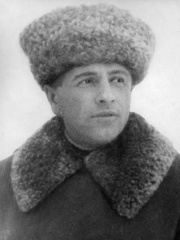
Lev Dovator
POLITICIAN
1903 - 1941
HPI: 57.02
Rank: 151

Frederick Moloney
ATHLETE
1882 - 1941
HPI: 56.91
Rank: 152
Fritz Noether
MATHEMATICIAN
1884 - 1941
HPI: 56.87
Rank: 153
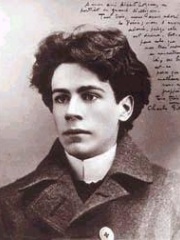
Émile Nelligan
WRITER
1879 - 1941
HPI: 56.82
Rank: 154
Hermann Wilker
ATHLETE
1874 - 1941
HPI: 56.74
Rank: 155
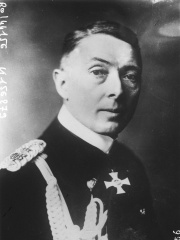
Paul von Hintze
POLITICIAN
1864 - 1941
HPI: 56.72
Rank: 156
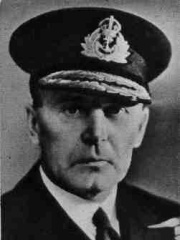
Tom Phillips
MILITARY PERSONNEL
1888 - 1941
HPI: 56.68
Rank: 157
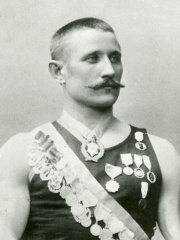
Verner Järvinen
ATHLETE
1870 - 1941
HPI: 56.66
Rank: 158

Franz Bartl
POLITICIAN
1915 - 1941
HPI: 56.58
Rank: 159
In 德国
Among people born in 德国, Fritz Noether ranks 4,405 out of NaN. Before him are Rita Kühne (1947), Heinz Prüfer (1896), Peter Gay (1923), Uschi Glas (1944), Karl Moritz Schumann (1851), and Philip, Duke of Palatinate-Neuburg (1503). After him are Hans-Emil Schuster (1934), Heinrich Gelzer (1847), Hans Günter Winkler (1926), Camilla Horn (1903), Ernst Hartwig (1851), and Theo Lingen (1903).
Others born in 德国
Go to all Rankings
Rita Kühne
ATHLETE
1947 - Present
HPI: 56.90
Rank: 4,399
Heinz Prüfer
MATHEMATICIAN
1896 - 1934
HPI: 56.90
Rank: 4,400
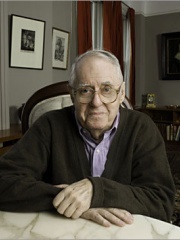
Peter Gay
HISTORIAN
1923 - 2015
HPI: 56.89
Rank: 4,401
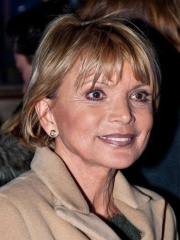
Uschi Glas
ACTOR
1944 - Present
HPI: 56.89
Rank: 4,402
Karl Moritz Schumann
BIOLOGIST
1851 - 1904
HPI: 56.89
Rank: 4,403
Philip, Duke of Palatinate-Neuburg
POLITICIAN
1503 - 1548
HPI: 56.88
Rank: 4,404
Fritz Noether
MATHEMATICIAN
1884 - 1941
HPI: 56.87
Rank: 4,405

Hans-Emil Schuster
ASTRONOMER
1934 - 2024
HPI: 56.87
Rank: 4,406

Heinrich Gelzer
HISTORIAN
1847 - 1906
HPI: 56.87
Rank: 4,407
Hans Günter Winkler
ATHLETE
1926 - 2018
HPI: 56.87
Rank: 4,408

Camilla Horn
ACTOR
1903 - 1996
HPI: 56.86
Rank: 4,409
Ernst Hartwig
ASTRONOMER
1851 - 1923
HPI: 56.86
Rank: 4,410
Theo Lingen
ACTOR
1903 - 1978
HPI: 56.86
Rank: 4,411
Among 数学家 In 德国
Among 数学家 born in 德国, Fritz Noether ranks 83. Before him are Johann Schreck (1576), Johann Karl Burckhardt (1773), Karl Georg Christian von Staudt (1798), Emil Julius Gumbel (1891), Hans Carl Friedrich von Mangoldt (1854), and Heinz Prüfer (1896). After him are Wilhelm Killing (1847), Leonard Nelson (1882), Carl Hindenburg (1741), Johann Faulhaber (1580), Christoph Gudermann (1798), and Wendelin Werner (1968).
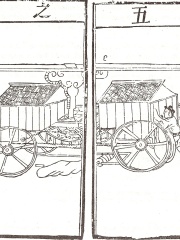
Johann Schreck
1576 - 1630
HPI: 57.84
Rank: 77
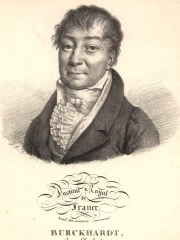
Johann Karl Burckhardt
1773 - 1825
HPI: 57.63
Rank: 78
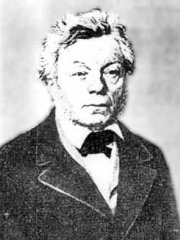
Karl Georg Christian von Staudt
1798 - 1867
HPI: 57.40
Rank: 79

Emil Julius Gumbel
1891 - 1966
HPI: 57.19
Rank: 80
Hans Carl Friedrich von Mangoldt
1854 - 1925
HPI: 57.03
Rank: 81
Heinz Prüfer
1896 - 1934
HPI: 56.90
Rank: 82
Fritz Noether
1884 - 1941
HPI: 56.87
Rank: 83
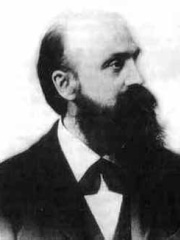
Wilhelm Killing
1847 - 1923
HPI: 56.37
Rank: 84
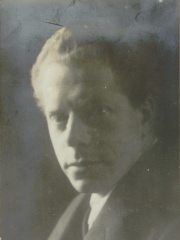
Leonard Nelson
1882 - 1927
HPI: 56.20
Rank: 85

Carl Hindenburg
1741 - 1808
HPI: 56.15
Rank: 86
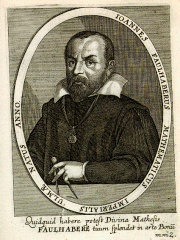
Johann Faulhaber
1580 - 1635
HPI: 56.07
Rank: 87

Christoph Gudermann
1798 - 1852
HPI: 55.69
Rank: 88
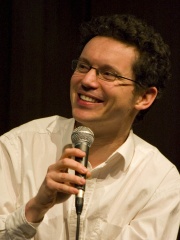
Wendelin Werner
1968 - Present
HPI: 55.45
Rank: 89