政治家
Caligula
12 - 41
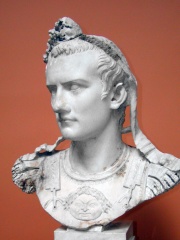
 Caligula
蓋烏斯·尤利烏斯·凱撒·奧古斯都·日耳曼尼庫斯(拉丁語:Gaius Julius Caesar Augustus Germanicus,12年8月31日—41年1月24日),羅馬帝國第三任皇帝,後世史學家常稱其為卡利古拉(拉丁語:Caligula)。卡利古拉是他自童年起的外號,意為「小軍靴」,源於他嬰兒時代隨其父日耳曼尼庫斯屯駐日爾曼前線時士兵為他穿上的兒童款軍靴。 卡利古拉被認為是羅馬帝國早期的典型暴君。他建立恐怖統治,神化皇權,行事荒唐。 在维基百科上阅读更多
His biography is available in 115 different languages on Wikipedia (up from 111 in 2024). Caligula is the 99th most popular 政治家 (down from 80th in 2024), the 39th most popular biography from Italy (down from 30th in 2019) and the 11th most popular Italian 政治家.
Caligula was the emperor of Rome from 37 to 41 AD. He is most famous for his cruelty and insatiable desire for power.
Memorability Metrics
Page views of Caligula by language
Among 政治家
Among 政治家, Caligula ranks 99 out of 19,576. Before him are Josip Broz Tito, Pericles, Ronald Reagan, Queen Victoria, Mary II of England, and Geta. After him are Leon Trotsky, Caracalla, George Washington, John F. Kennedy, Joe Biden, and Julian.
Most Popular 政治家 in Wikipedia
Go to all Rankings
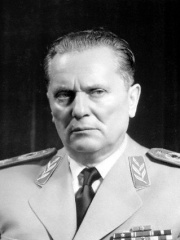
Josip Broz Tito
1892 - 1980
HPI: 86.53
Rank: 93
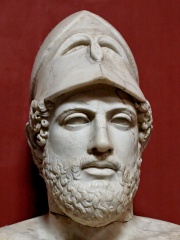
Pericles
494 BC - 429 BC
HPI: 86.36
Rank: 94

Ronald Reagan
1911 - 2004
HPI: 86.36
Rank: 95
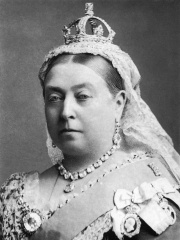
Queen Victoria
1819 - 1901
HPI: 86.29
Rank: 96
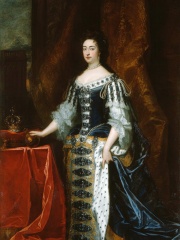
Mary II of England
1662 - 1694
HPI: 86.29
Rank: 97
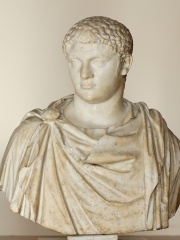
Geta
189 - 211
HPI: 86.28
Rank: 98
Caligula
12 - 41
HPI: 86.28
Rank: 99
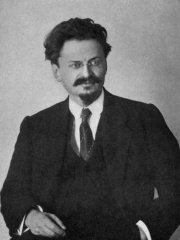
Leon Trotsky
1879 - 1940
HPI: 86.25
Rank: 100
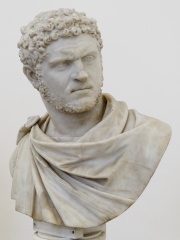
Caracalla
188 - 217
HPI: 86.14
Rank: 101
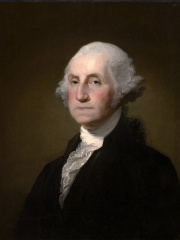
George Washington
1732 - 1799
HPI: 86.03
Rank: 102

John F. Kennedy
1917 - 1963
HPI: 86.01
Rank: 103

Joe Biden
1942 - Present
HPI: 86.00
Rank: 104
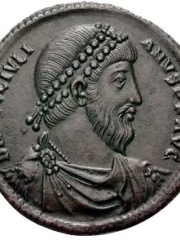
Julian
331 - 363
HPI: 85.95
Rank: 105

Contemporaries
Among people born in 12, Caligula ranks 1. After him is Quintus Veranius. Among people deceased in 41, Caligula ranks 1. After him are Cassius Chaerea, Milonia Caesonia, Julia Drusilla, Lucius Cassius Longinus, and Cunobeline.
Others Born in 12
Go to all Rankings
Others Deceased in 41
Go to all RankingsCaligula
POLITICIAN
12 - 41
HPI: 86.28
Rank: 1

Cassius Chaerea
POLITICIAN
12 BC - 41
HPI: 68.55
Rank: 2
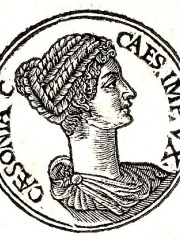
Milonia Caesonia
POLITICIAN
7 - 41
HPI: 68.50
Rank: 3
Julia Drusilla
COMPANION
39 - 41
HPI: 65.95
Rank: 4

Lucius Cassius Longinus
POLITICIAN
50 BC - 41
HPI: 63.73
Rank: 5
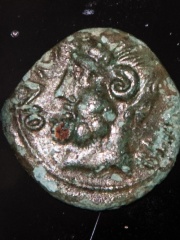
Cunobeline
POLITICIAN
100 BC - 41
HPI: 60.67
Rank: 6
In Italy
Among people born in Italy, Caligula ranks 39 out of 5,161. Before him are Francis II, Holy Roman Emperor (1768), Ovid (-43), Pope Pius XI (1857), Petrarch (1304), Amerigo Vespucci (1454), and Geta (189). After him are Pope Pius X (1835), Pope Clement I (40), Giovanni Boccaccio (1313), Pope Benedict XV (1854), Giacomo Puccini (1858), and Alessandro Volta (1745).
Others born in Italy
Go to all Rankings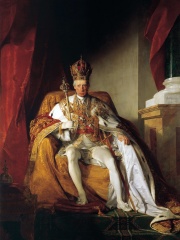
Francis II, Holy Roman Emperor
POLITICIAN
1768 - 1835
HPI: 87.05
Rank: 33
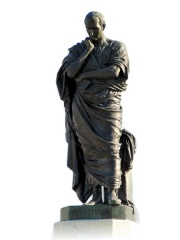
Ovid
WRITER
43 BC - 17
HPI: 86.87
Rank: 34
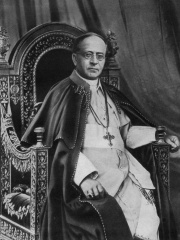
Pope Pius XI
RELIGIOUS FIGURE
1857 - 1939
HPI: 86.66
Rank: 35
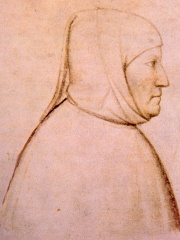
Petrarch
WRITER
1304 - 1374
HPI: 86.60
Rank: 36
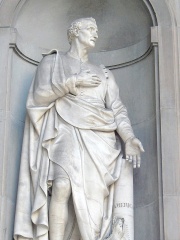
Amerigo Vespucci
EXPLORER
1454 - 1512
HPI: 86.55
Rank: 37
Geta
POLITICIAN
189 - 211
HPI: 86.28
Rank: 38
Caligula
POLITICIAN
12 - 41
HPI: 86.28
Rank: 39
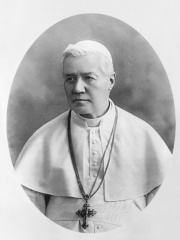
Pope Pius X
RELIGIOUS FIGURE
1835 - 1914
HPI: 86.02
Rank: 40
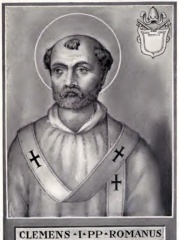
Pope Clement I
RELIGIOUS FIGURE
40 - 99
HPI: 86.00
Rank: 41
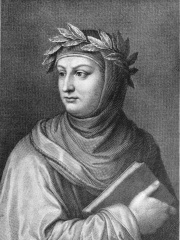
Giovanni Boccaccio
WRITER
1313 - 1375
HPI: 85.98
Rank: 42
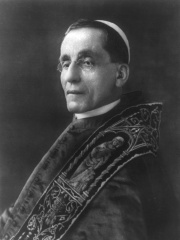
Pope Benedict XV
RELIGIOUS FIGURE
1854 - 1922
HPI: 85.96
Rank: 43
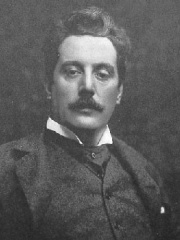
Giacomo Puccini
COMPOSER
1858 - 1924
HPI: 85.72
Rank: 44
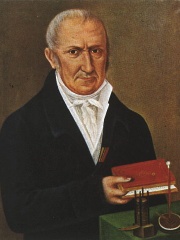
Alessandro Volta
PHYSICIST
1745 - 1827
HPI: 85.34
Rank: 45
Among 政治家 In Italy
Among 政治家 born in Italy, Caligula ranks 11. Before him are Cicero (-106), Pompey (-106), Marcus Aurelius (121), Nero (37), Francis II, Holy Roman Emperor (1768), and Geta (189). After him are Brutus the Younger (-85), Tiberius (-42), Sulla (-138), Pontius Pilate (-12), Silvio Berlusconi (1936), and Lorenzo de' Medici (1449).
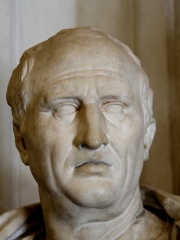
Cicero
106 BC - 43 BC
HPI: 88.19
Rank: 5
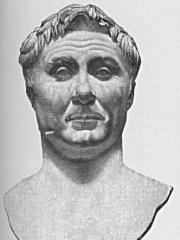
Pompey
106 BC - 48 BC
HPI: 87.68
Rank: 6
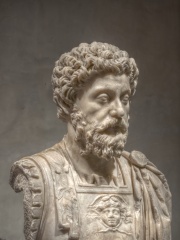
Marcus Aurelius
121 - 180
HPI: 87.41
Rank: 7
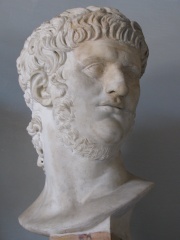
Nero
37 - 68
HPI: 87.19
Rank: 8
Francis II, Holy Roman Emperor
1768 - 1835
HPI: 87.05
Rank: 9
Geta
189 - 211
HPI: 86.28
Rank: 10
Caligula
12 - 41
HPI: 86.28
Rank: 11
Brutus the Younger
85 BC - 42 BC
HPI: 85.32
Rank: 12
Tiberius
42 BC - 37
HPI: 84.83
Rank: 13
Sulla
138 BC - 78 BC
HPI: 84.65
Rank: 14
Pontius Pilate
12 BC - 38
HPI: 84.56
Rank: 15
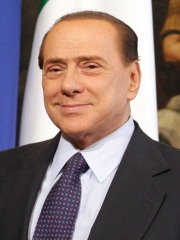
Silvio Berlusconi
1936 - 2023
HPI: 84.19
Rank: 16
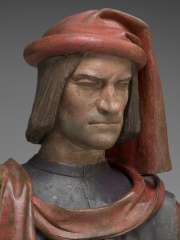
Lorenzo de' Medici
1449 - 1492
HPI: 84.14
Rank: 17