Философ
Chrysippus
281 BC - 208 BC
RU.WIKIPEDIA PAGE VIEWS (PV)
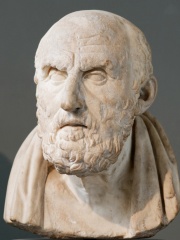
 Chrysippus
Хрисипп из Сол (вар. — Хризипп, др.-греч. Χρύσιππος ὁ Σολεύς; 281/278 до н. э., Солы (или Тарс) в Киликии — 208/205 до н. Подробнее в Википедии
His biography is available in 48 different languages on Wikipedia (up from 46 in 2024). Chrysippus is the 146th most popular философ (up from 161st in 2024), the 128th most popular biography from Türkiye (down from 123rd in 2019) and the 12th most popular Turkish Философ.
Chrysippus is most famous for his work on Stoicism. He was a student of Zeno, the founder of Stoicism, and he wrote a number of books on the subject.
Memorability Metrics
Page views of Chrysippus by language
Among Философ
Among философ, Chrysippus ranks 146 out of 1,267. Before him are Duns Scotus, Baron d'Holbach, Mozi, Kanada, Wilhelm Dilthey, and Edith Stein. After him are Alexander Gottlieb Baumgarten, Isocrates, Proclus, Buddhaghosa, Emanuel Swedenborg, and John Venn.
Most Popular Философ in Wikipedia
Go to all Rankings
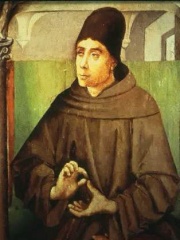
Duns Scotus
1265 - 1308
HPI: 76.64
Rank: 140
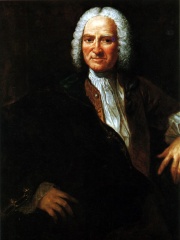
Baron d'Holbach
1723 - 1789
HPI: 76.63
Rank: 141
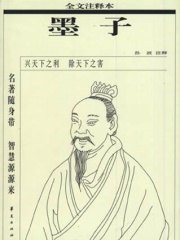
Mozi
470 BC - 391 BC
HPI: 76.56
Rank: 142

Kanada
200 BC - 160 BC
HPI: 76.49
Rank: 143
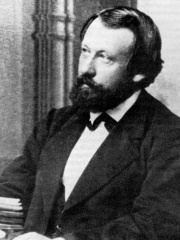
Wilhelm Dilthey
1833 - 1911
HPI: 76.39
Rank: 144
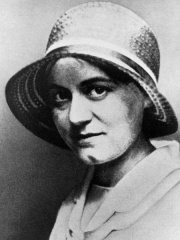
Edith Stein
1891 - 1942
HPI: 76.33
Rank: 145
Chrysippus
281 BC - 208 BC
HPI: 76.28
Rank: 146
Alexander Gottlieb Baumgarten
1714 - 1762
HPI: 76.20
Rank: 147
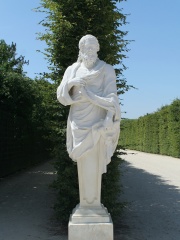
Isocrates
436 BC - 338 BC
HPI: 76.16
Rank: 148
Proclus
412 - 485
HPI: 76.09
Rank: 149

Buddhaghosa
401 - 500
HPI: 76.08
Rank: 150
Emanuel Swedenborg
1688 - 1772
HPI: 76.06
Rank: 151
John Venn
1834 - 1923
HPI: 75.89
Rank: 152

Contemporaries
Among people born in 281 BC, Chrysippus ranks 1. After him are King Zhuangxiang of Qin, and Sanghamitta. Among people deceased in 208 BC, Chrysippus ranks 1. After him are Li Si, Marcus Claudius Marcellus, and Chen Sheng.
Others Born in 281 BC
Go to all RankingsChrysippus
PHILOSOPHER
281 BC - 208 BC
HPI: 76.28
Rank: 1

King Zhuangxiang of Qin
POLITICIAN
281 BC - 247 BC
HPI: 70.91
Rank: 2

Sanghamitta
POLITICIAN
281 BC - 202 BC
HPI: 68.90
Rank: 3
Others Deceased in 208 BC
Go to all RankingsChrysippus
PHILOSOPHER
281 BC - 208 BC
HPI: 76.28
Rank: 1

Li Si
POLITICIAN
280 BC - 208 BC
HPI: 74.90
Rank: 2
Marcus Claudius Marcellus
MILITARY PERSONNEL
268 BC - 208 BC
HPI: 70.50
Rank: 3

Chen Sheng
SOCIAL ACTIVIST
250 BC - 208 BC
HPI: 64.37
Rank: 4
In Türkiye
Among people born in Türkiye, Chrysippus ranks 128 out of 1,347. Before him are Theodora (815), Pausanias (110), Zeno (425), Rachel (-3500), Enver Pasha (1881), and Mustafa IV (1779). After him are Julius Nepos (430), Anna Komnene (1083), İsmet İnönü (1884), Fethullah Gülen (1941), Cassius Dio (155), and Proclus (412).
Others born in Türkiye
Go to all Rankings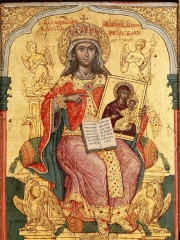
Theodora
RELIGIOUS FIGURE
815 - 867
HPI: 76.61
Rank: 122
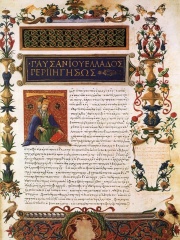
Pausanias
GEOGRAPHER
110 - 180
HPI: 76.58
Rank: 123
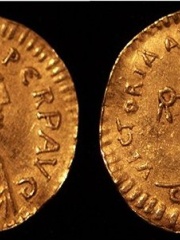
Zeno
POLITICIAN
425 - 491
HPI: 76.57
Rank: 124

Rachel
RELIGIOUS FIGURE
3500 BC - 1553 BC
HPI: 76.38
Rank: 125
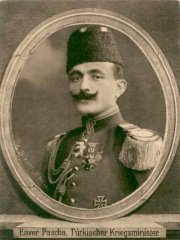
Enver Pasha
POLITICIAN
1881 - 1922
HPI: 76.30
Rank: 126
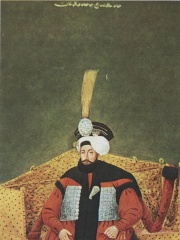
Mustafa IV
POLITICIAN
1779 - 1808
HPI: 76.29
Rank: 127
Chrysippus
PHILOSOPHER
281 BC - 208 BC
HPI: 76.28
Rank: 128
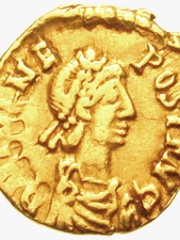
Julius Nepos
POLITICIAN
430 - 480
HPI: 76.23
Rank: 129
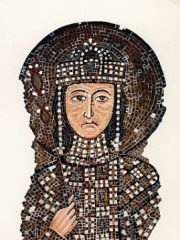
Anna Komnene
WRITER
1083 - 1153
HPI: 76.22
Rank: 130
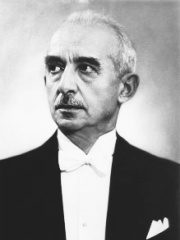
İsmet İnönü
POLITICIAN
1884 - 1973
HPI: 76.20
Rank: 131

Fethullah Gülen
RELIGIOUS FIGURE
1941 - 2024
HPI: 76.15
Rank: 132
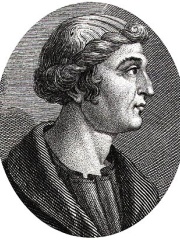
Cassius Dio
HISTORIAN
155 - 235
HPI: 76.14
Rank: 133
Proclus
PHILOSOPHER
412 - 485
HPI: 76.09
Rank: 134
Among Философ In Türkiye
Among философ born in Türkiye, Chrysippus ranks 12. Before him are Epictetus (50), Xenophanes (-570), Leucippus (-500), Gregory of Nazianzus (329), Ibn Taymiyyah (1263), and Anaximenes of Miletus (-585). After him are Proclus (412), Posidonius (-135), Gemistus Pletho (1355), Apollonius of Tyana (15), Xenocrates (-396), and Michael Psellos (1018).

Epictetus
50 - 135
HPI: 81.53
Rank: 6
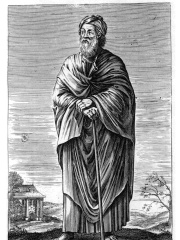
Xenophanes
570 BC - 475 BC
HPI: 80.90
Rank: 7

Leucippus
500 BC - 500 BC
HPI: 80.59
Rank: 8
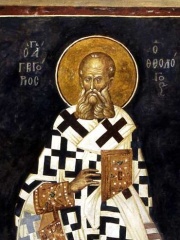
Gregory of Nazianzus
329 - 389
HPI: 80.37
Rank: 9

Ibn Taymiyyah
1263 - 1328
HPI: 77.67
Rank: 10
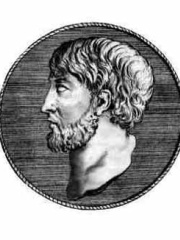
Anaximenes of Miletus
585 BC - 525 BC
HPI: 76.96
Rank: 11
Chrysippus
281 BC - 208 BC
HPI: 76.28
Rank: 12
Proclus
412 - 485
HPI: 76.09
Rank: 13
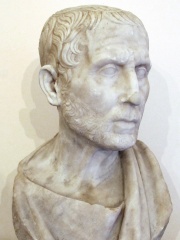
Posidonius
135 BC - 51 BC
HPI: 75.13
Rank: 14
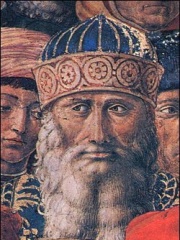
Gemistus Pletho
1355 - 1452
HPI: 74.66
Rank: 15
Apollonius of Tyana
15 - 100
HPI: 74.50
Rank: 16
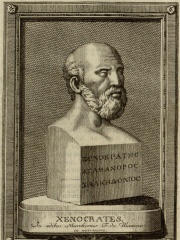
Xenocrates
396 BC - 314 BC
HPI: 73.16
Rank: 17
Michael Psellos
1018 - 1078
HPI: 72.64
Rank: 18