Filósofo
Benedetto Croce
1866 - 1952
PT.WIKIPEDIA PAGE VIEWS (PV)
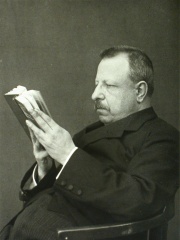
 Benedetto Croce
Sua biografia está disponível em 63 idiomas na Wikipédia. Benedetto Croce é o 229º filósofo mais popular (caiu do 214º em 2024), a 660ª biografia mais popular da Itália (caiu do 564ª em 2019) e o 21º filósofo mais popular da Itália.
Memorability Metrics
Page views of Benedetto Croce by language
Among Filósofos
Among filósofos, Benedetto Croce ranks 229 out of 1,267. Before him are Julius Evola, Francisco Suárez, Paulo Freire, Joseph de Maistre, Ernst Bloch, and Gaston Bachelard. After him are Al-Ash'ari, Iamblichus, Carneades, Marshall McLuhan, Friedrich Heinrich Jacobi, and Paul Feyerabend.
Most Popular Filósofos in Wikipedia
Go to all Rankings
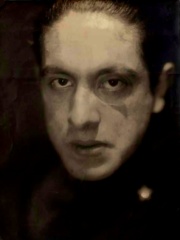
Julius Evola
1898 - 1974
HPI: 73.16
Rank: 223
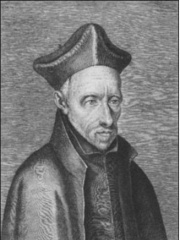
Francisco Suárez
1548 - 1617
HPI: 73.14
Rank: 224
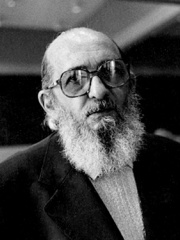
Paulo Freire
1921 - 1997
HPI: 73.10
Rank: 225
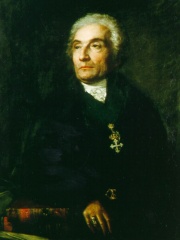
Joseph de Maistre
1753 - 1821
HPI: 73.09
Rank: 226
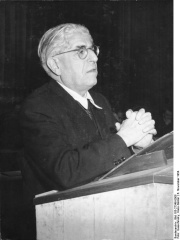
Ernst Bloch
1885 - 1977
HPI: 73.08
Rank: 227
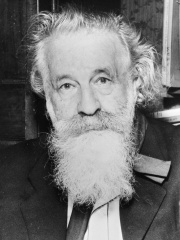
Gaston Bachelard
1884 - 1962
HPI: 72.94
Rank: 228
Benedetto Croce
1866 - 1952
HPI: 72.94
Rank: 229
Al-Ash'ari
873 - 936
HPI: 72.85
Rank: 230
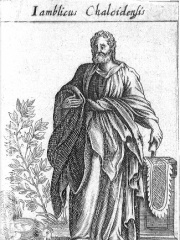
Iamblichus
245 - 330
HPI: 72.85
Rank: 231
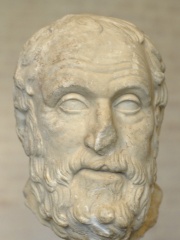
Carneades
214 BC - 129 BC
HPI: 72.79
Rank: 232
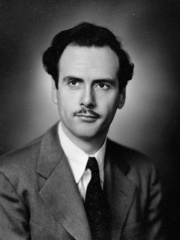
Marshall McLuhan
1911 - 1980
HPI: 72.78
Rank: 233
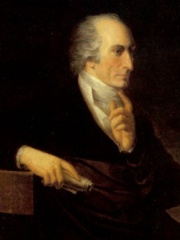
Friedrich Heinrich Jacobi
1743 - 1819
HPI: 72.77
Rank: 234
Paul Feyerabend
1924 - 1994
HPI: 72.75
Rank: 235

Contemporaries
Among people born in 1866, Benedetto Croce ranks 10. Before him are Sun Yat-sen, Erik Satie, George Gurdjieff, Thomas Hunt Morgan, Alfred Werner, and Charles Nicolle. After him are Jacinto Benavente, Giovanni Agnelli, Beatrix Potter, Hans von Seeckt, Aleksandr Ulyanov, and Aby Warburg. Among people deceased in 1952, Benedetto Croce ranks 11. Before him are John Dewey, Alexandra Kollontai, Chaim Weizmann, Wilm Hosenfeld, Paul Éluard, and Karen Horney. After him are Sven Hedin, Elena of Montenegro, Walter Schellenberg, Khorloogiin Choibalsan, Paramahansa Yogananda, and Vittorio Emanuele Orlando.
Others Born in 1866
Go to all Rankings
Sun Yat-sen
POLITICIAN
1866 - 1925
HPI: 82.77
Rank: 4
Erik Satie
COMPOSER
1866 - 1925
HPI: 78.54
Rank: 5
George Gurdjieff
PHILOSOPHER
1866 - 1949
HPI: 78.45
Rank: 6
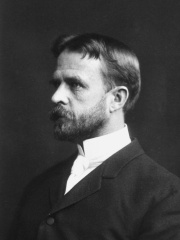
Thomas Hunt Morgan
BIOLOGIST
1866 - 1945
HPI: 76.71
Rank: 7
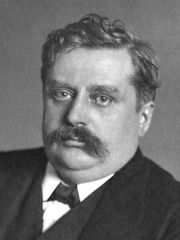
Alfred Werner
CHEMIST
1866 - 1919
HPI: 76.62
Rank: 8
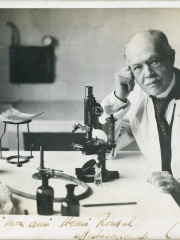
Charles Nicolle
PHYSICIAN
1866 - 1936
HPI: 73.90
Rank: 9
Benedetto Croce
PHILOSOPHER
1866 - 1952
HPI: 72.94
Rank: 10
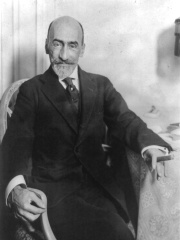
Jacinto Benavente
WRITER
1866 - 1954
HPI: 72.42
Rank: 11
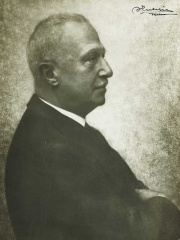
Giovanni Agnelli
BUSINESSPERSON
1866 - 1945
HPI: 72.02
Rank: 12
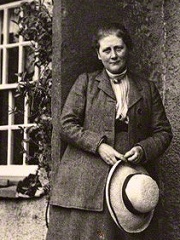
Beatrix Potter
WRITER
1866 - 1943
HPI: 71.97
Rank: 13
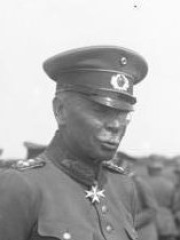
Hans von Seeckt
MILITARY PERSONNEL
1866 - 1936
HPI: 71.32
Rank: 14
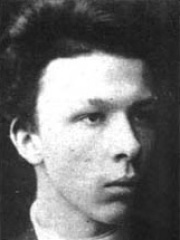
Aleksandr Ulyanov
SOCIAL ACTIVIST
1866 - 1887
HPI: 71.08
Rank: 15
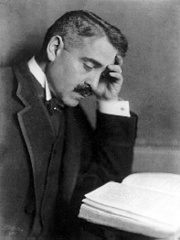
Aby Warburg
HISTORIAN
1866 - 1929
HPI: 71.01
Rank: 16
Others Deceased in 1952
Go to all Rankings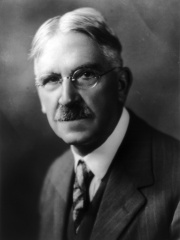
John Dewey
PSYCHOLOGIST
1859 - 1952
HPI: 78.90
Rank: 5
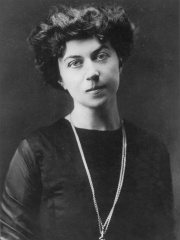
Alexandra Kollontai
DIPLOMAT
1872 - 1952
HPI: 76.62
Rank: 6
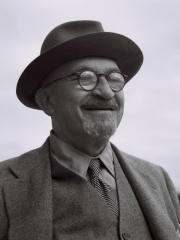
Chaim Weizmann
POLITICIAN
1874 - 1952
HPI: 75.25
Rank: 7
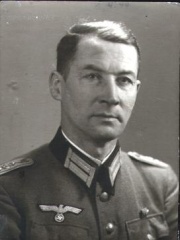
Wilm Hosenfeld
POLITICIAN
1895 - 1952
HPI: 74.95
Rank: 8
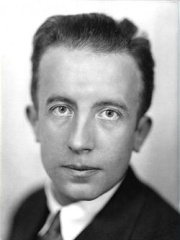
Paul Éluard
WRITER
1895 - 1952
HPI: 74.18
Rank: 9
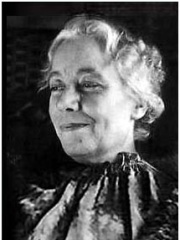
Karen Horney
PSYCHOLOGIST
1885 - 1952
HPI: 73.22
Rank: 10
Benedetto Croce
PHILOSOPHER
1866 - 1952
HPI: 72.94
Rank: 11
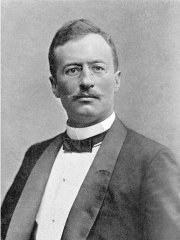
Sven Hedin
EXPLORER
1865 - 1952
HPI: 72.34
Rank: 12
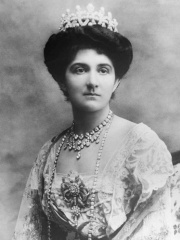
Elena of Montenegro
COMPANION
1871 - 1952
HPI: 72.19
Rank: 13
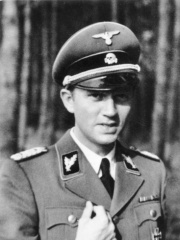
Walter Schellenberg
POLITICIAN
1910 - 1952
HPI: 72.14
Rank: 14
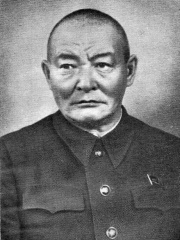
Khorloogiin Choibalsan
POLITICIAN
1895 - 1952
HPI: 71.97
Rank: 15
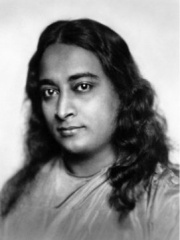
Paramahansa Yogananda
PHILOSOPHER
1893 - 1952
HPI: 71.62
Rank: 16
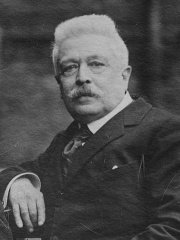
Vittorio Emanuele Orlando
POLITICIAN
1860 - 1952
HPI: 71.44
Rank: 17
In Itália
Among people born in Itália, Benedetto Croce ranks 660 out of NaN. Before him are Filippo Inzaghi (1973), Hiero II of Syracuse (-308), Giorgia Meloni (1977), Catherine Cornaro (1454), Leonardo Bruni (1370), and Maria Luisa of Parma (1751). After him are Raffaella Carrà (1943), Benozzo Gozzoli (1420), Berengar I of Italy (850), Archduke Rudolf of Austria (1788), Fra Bartolomeo (1472), and Giulio Romano (1499).
Others born in Itália
Go to all Rankings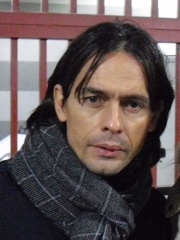
Filippo Inzaghi
SOCCER PLAYER
1973 - Present
HPI: 73.00
Rank: 654
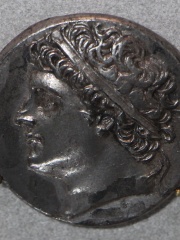
Hiero II of Syracuse
POLITICIAN
308 BC - 215 BC
HPI: 73.00
Rank: 655
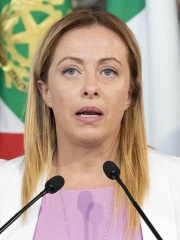
Giorgia Meloni
POLITICIAN
1977 - Present
HPI: 72.99
Rank: 656
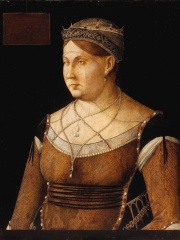
Catherine Cornaro
POLITICIAN
1454 - 1510
HPI: 72.97
Rank: 657
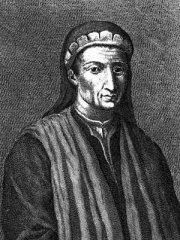
Leonardo Bruni
HISTORIAN
1370 - 1444
HPI: 72.96
Rank: 658
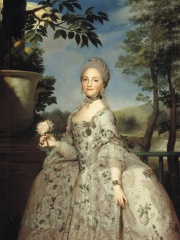
Maria Luisa of Parma
COMPANION
1751 - 1819
HPI: 72.95
Rank: 659
Benedetto Croce
PHILOSOPHER
1866 - 1952
HPI: 72.94
Rank: 660
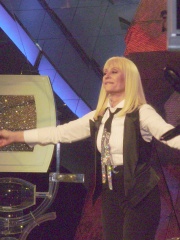
Raffaella Carrà
ACTOR
1943 - 2021
HPI: 72.90
Rank: 661
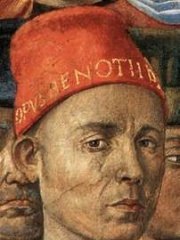
Benozzo Gozzoli
PAINTER
1420 - 1497
HPI: 72.88
Rank: 662
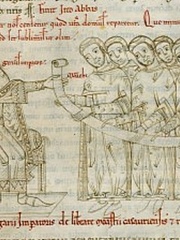
Berengar I of Italy
POLITICIAN
850 - 924
HPI: 72.87
Rank: 663
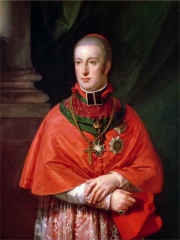
Archduke Rudolf of Austria
RELIGIOUS FIGURE
1788 - 1831
HPI: 72.87
Rank: 664
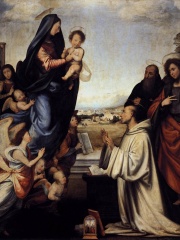
Fra Bartolomeo
PAINTER
1472 - 1517
HPI: 72.87
Rank: 665
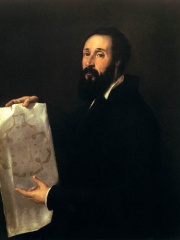
Giulio Romano
PAINTER
1499 - 1546
HPI: 72.84
Rank: 666
Among Filósofos In Itália
Among filósofos born in Itália, Benedetto Croce ranks 21. Before him are Tommaso Campanella (1568), Cesare Beccaria (1738), Alcmaeon of Croton (-510), Hippasus (-600), Theano (-600), and Julius Evola (1898). After him are Giorgio Agamben (1942), Marsilius of Padua (1275), Elena Cornaro Piscopia (1646), Pietro Pomponazzi (1462), Giovanni Gentile (1875), and Antonio Negri (1933).
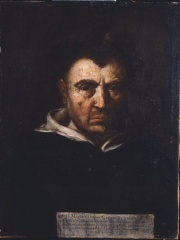
Tommaso Campanella
1568 - 1639
HPI: 76.67
Rank: 15
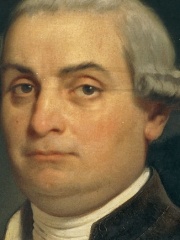
Cesare Beccaria
1738 - 1794
HPI: 74.89
Rank: 16
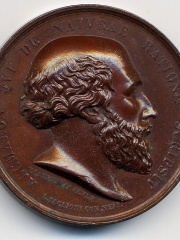
Alcmaeon of Croton
510 BC - 450 BC
HPI: 73.88
Rank: 17
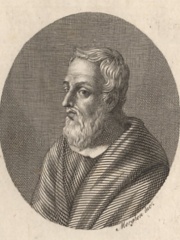
Hippasus
600 BC - 500 BC
HPI: 73.44
Rank: 18

Theano
600 BC - 600 BC
HPI: 73.38
Rank: 19
Julius Evola
1898 - 1974
HPI: 73.16
Rank: 20
Benedetto Croce
1866 - 1952
HPI: 72.94
Rank: 21
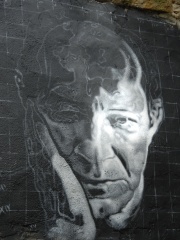
Giorgio Agamben
1942 - Present
HPI: 72.65
Rank: 22

Marsilius of Padua
1275 - 1342
HPI: 71.76
Rank: 23
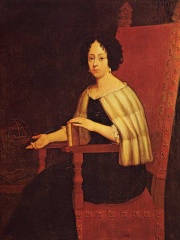
Elena Cornaro Piscopia
1646 - 1684
HPI: 70.48
Rank: 24
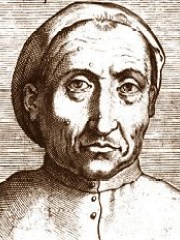
Pietro Pomponazzi
1462 - 1525
HPI: 70.27
Rank: 25
Giovanni Gentile
1875 - 1944
HPI: 69.95
Rank: 26
Antonio Negri
1933 - 2023
HPI: 69.41
Rank: 27