Politician
Theodor Stolojan
1943 - today
EN.WIKIPEDIA PAGE VIEWS (PV)
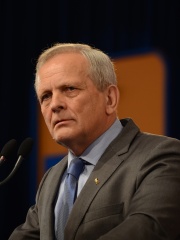

 Theodor Stolojan
His biography is available in 28 different languages on Wikipedia. Theodor Stolojan is the 12,110th most popular politician (up from 12,554th in 2024), the 257th most popular biography from Romania (up from 276th in 2019) and the 96th most popular Romanian Politician.
Memorability Metrics
Page views of Theodor Stolojan by language
Among Politicians
Among politicians, Theodor Stolojan ranks 12,110 out of 19,576. Before him are Georg Heinrich von Görtz, Aníbal Pinto, Sergei Stanishev, Huseyn Shaheed Suhrawardy, Bernardino Caballero, and Doryssus. After him are Gabriel Boric, Else Krüger, Luis Ángel González Macchi, Sancho, Count of Provence, Paullus Fabius Maximus, and Princess Johanna Charlotte of Anhalt-Dessau.
Most Popular Politicians in Wikipedia
Go to all Rankings
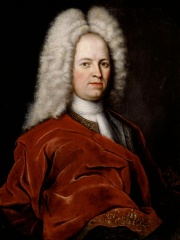
Georg Heinrich von Görtz
1668 - 1719
HPI: 59.20
Rank: 12,110
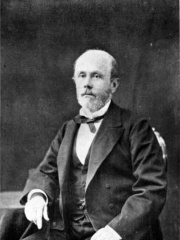
Aníbal Pinto
1825 - 1884
HPI: 59.20
Rank: 12,111
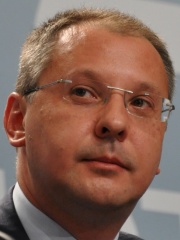
Sergei Stanishev
1966 - Present
HPI: 59.20
Rank: 12,112
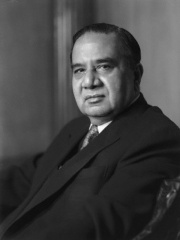
Huseyn Shaheed Suhrawardy
1892 - 1963
HPI: 59.20
Rank: 12,113
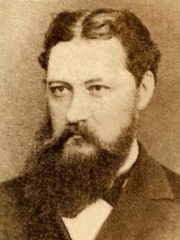
Bernardino Caballero
1839 - 1912
HPI: 59.20
Rank: 12,114

Doryssus
HPI: 59.20
Rank: 12,115
Theodor Stolojan
1943 - Present
HPI: 59.20
Rank: 12,116
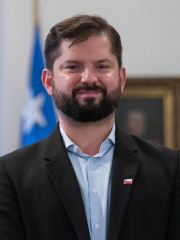
Gabriel Boric
1986 - Present
HPI: 59.20
Rank: 12,117
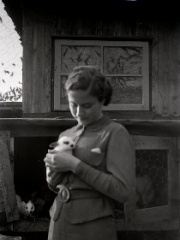
Else Krüger
1915 - 2005
HPI: 59.19
Rank: 12,118
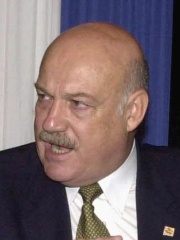
Luis Ángel González Macchi
1947 - Present
HPI: 59.19
Rank: 12,119
Sancho, Count of Provence
1161 - 1223
HPI: 59.19
Rank: 12,120

Paullus Fabius Maximus
40 BC - 14
HPI: 59.19
Rank: 12,121
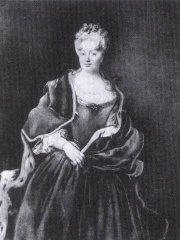
Princess Johanna Charlotte of Anhalt-Dessau
1682 - 1750
HPI: 59.19
Rank: 12,122

Contemporaries
Among people born in 1943, Theodor Stolojan ranks 322. Before him are Donald Johanson, James L. Elliot, Patrick D'Rozario, Manuel Velázquez, Muhammad al-Sadr, and Michel Ocelot. After him are Ramón Grosso, Bjørn Wirkola, Michael Byrne, Tariq Ali, František Veselý, and Larry Clark.
Others Born in 1943
Go to all Rankings
Donald Johanson
ARCHAEOLOGIST
1943 - Present
HPI: 59.37
Rank: 316

James L. Elliot
ASTRONOMER
1943 - 2011
HPI: 59.37
Rank: 317
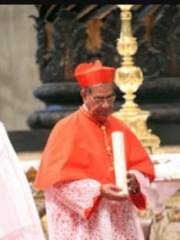
Patrick D'Rozario
RELIGIOUS FIGURE
1943 - Present
HPI: 59.35
Rank: 318
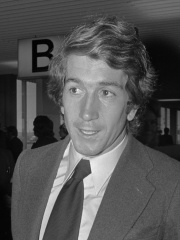
Manuel Velázquez
SOCCER PLAYER
1943 - 2016
HPI: 59.31
Rank: 319
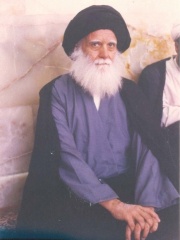
Muhammad al-Sadr
RELIGIOUS FIGURE
1943 - 1999
HPI: 59.29
Rank: 320

Michel Ocelot
WRITER
1943 - Present
HPI: 59.28
Rank: 321
Theodor Stolojan
POLITICIAN
1943 - Present
HPI: 59.20
Rank: 322
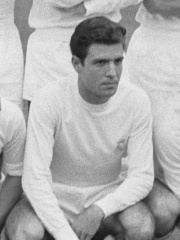
Ramón Grosso
SOCCER PLAYER
1943 - 2002
HPI: 59.19
Rank: 323
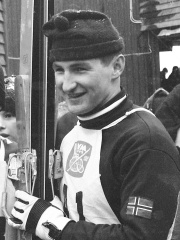
Bjørn Wirkola
SKIER
1943 - Present
HPI: 59.18
Rank: 324

Michael Byrne
ACTOR
1943 - Present
HPI: 59.17
Rank: 325
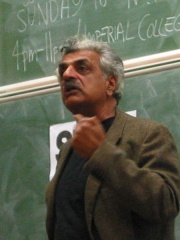
Tariq Ali
WRITER
1943 - Present
HPI: 59.15
Rank: 326
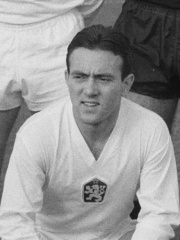
František Veselý
SOCCER PLAYER
1943 - 2009
HPI: 59.09
Rank: 327
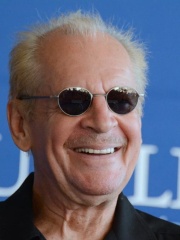
Larry Clark
FILM DIRECTOR
1943 - Present
HPI: 59.09
Rank: 328
In Romania
Among people born in Romania, Theodor Stolojan ranks 257 out of NaN. Before him are Ivan Patzaichin (1949), Elek Schwartz (1908), Nikolai Spathari (1636), Ágnes Esterházy (1891), Ion G. Duca (1879), and Nicolae Ciucă (1967). After him are Franz Nopcsa von Felső-Szilvás (1877), Bertalan Székely (1835), Prince Arsen of Yugoslavia (1859), Nicolae Rădescu (1874), Dan Petrescu (1967), and Miklós Bánffy (1873).
Others born in Romania
Go to all Rankings
Ivan Patzaichin
ATHLETE
1949 - 2021
HPI: 59.40
Rank: 251
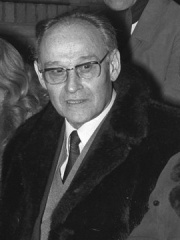
Elek Schwartz
SOCCER PLAYER
1908 - 2000
HPI: 59.34
Rank: 252
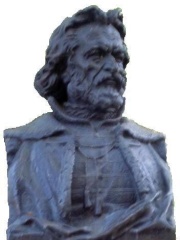
Nikolai Spathari
EXPLORER
1636 - 1708
HPI: 59.33
Rank: 253
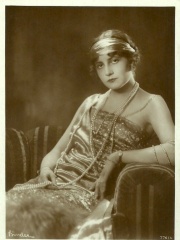
Ágnes Esterházy
ACTOR
1891 - 1956
HPI: 59.30
Rank: 254
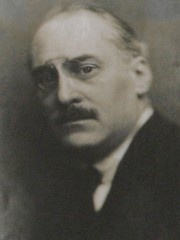
Ion G. Duca
POLITICIAN
1879 - 1933
HPI: 59.25
Rank: 255
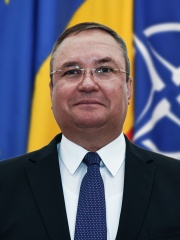
Nicolae Ciucă
POLITICIAN
1967 - Present
HPI: 59.23
Rank: 256
Theodor Stolojan
POLITICIAN
1943 - Present
HPI: 59.20
Rank: 257
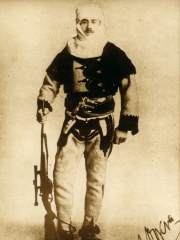
Franz Nopcsa von Felső-Szilvás
BIOLOGIST
1877 - 1933
HPI: 59.17
Rank: 258
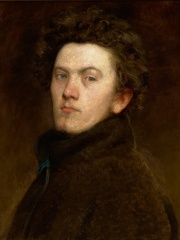
Bertalan Székely
PAINTER
1835 - 1910
HPI: 59.16
Rank: 259
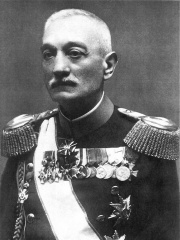
Prince Arsen of Yugoslavia
MILITARY PERSONNEL
1859 - 1938
HPI: 59.07
Rank: 260
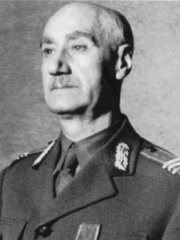
Nicolae Rădescu
POLITICIAN
1874 - 1953
HPI: 59.05
Rank: 261

Dan Petrescu
COACH
1967 - Present
HPI: 59.05
Rank: 262
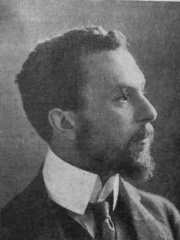
Miklós Bánffy
POLITICIAN
1873 - 1950
HPI: 59.04
Rank: 263
Among Politicians In Romania
Among politicians born in Romania, Theodor Stolojan ranks 96. Before him are Kálmán Tisza (1830), Matei Basarab (1580), Nicolae Titulescu (1882), Titu Maiorescu (1840), Ion G. Duca (1879), and Nicolae Ciucă (1967). After him are Nicolae Rădescu (1874), Miklós Bánffy (1873), Dimitrie Sturdza (1833), Nicolae Bălcescu (1819), György Klapka (1820), and Dimitrie Ghica (1816).
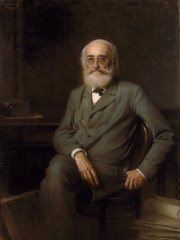
Kálmán Tisza
1830 - 1902
HPI: 60.18
Rank: 90

Matei Basarab
1580 - 1654
HPI: 59.78
Rank: 91
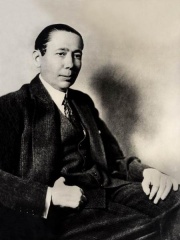
Nicolae Titulescu
1882 - 1941
HPI: 59.48
Rank: 92
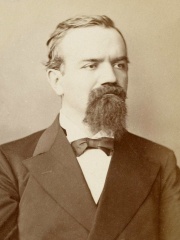
Titu Maiorescu
1840 - 1917
HPI: 59.44
Rank: 93
Ion G. Duca
1879 - 1933
HPI: 59.25
Rank: 94
Nicolae Ciucă
1967 - Present
HPI: 59.23
Rank: 95
Theodor Stolojan
1943 - Present
HPI: 59.20
Rank: 96
Nicolae Rădescu
1874 - 1953
HPI: 59.05
Rank: 97
Miklós Bánffy
1873 - 1950
HPI: 59.04
Rank: 98
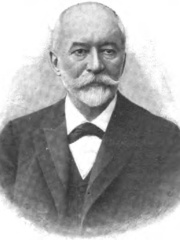
Dimitrie Sturdza
1833 - 1914
HPI: 58.88
Rank: 99
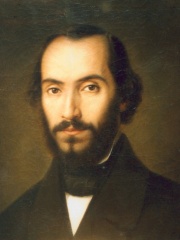
Nicolae Bălcescu
1819 - 1852
HPI: 58.87
Rank: 100
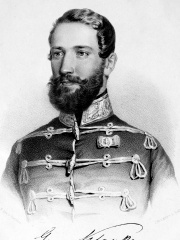
György Klapka
1820 - 1892
HPI: 58.81
Rank: 101
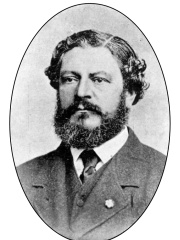
Dimitrie Ghica
1816 - 1897
HPI: 58.80
Rank: 102