Filozof
Al-Kindi
801 - 866
PL.WIKIPEDIA PAGE VIEWS (PV)
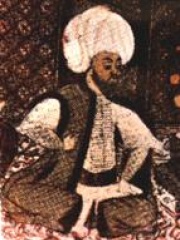
 Al-Kindi
Al-Kindi (Jusuf Jakub ibn Ishak al-Kindi, ur. ok. 801 w Kufie, zm. ok. Czytaj więcej w Wikipedii
Jego biografia jest dostępna w 72 różnych językach w Wikipedii. Al-Kindi jest 76. najpopularniejszym filozof (spadek z 66. w 2024 roku), 9. najpopularniejszą biografią Irak (wzrost z 11. w 2019 roku) oraz najpopularniejszym filozof Irak.
Memorability Metrics
Page views of Al-Kindi by language
Among Filozofs
Among filozofs, Al-Kindi ranks 76 out of 1,267. Before him are Ibn Arabi, Nagarjuna, Pliny the Elder, Peter Abelard, Leucippus, and Edmund Husserl. After him are Nicholas of Cusa, Rudolf Steiner, Gregory of Nazianzus, Friedrich Wilhelm Joseph Schelling, Karl Jaspers, and Roland Barthes.
Most Popular Filozofs in Wikipedia
Go to all Rankings
Ibn Arabi
1165 - 1240
HPI: 80.85
Rank: 70

Nagarjuna
150 - 250
HPI: 80.71
Rank: 71
Pliny the Elder
23 - 79
HPI: 80.68
Rank: 72
Peter Abelard
1079 - 1142
HPI: 80.63
Rank: 73

Leucippus
500 BC - 500 BC
HPI: 80.59
Rank: 74
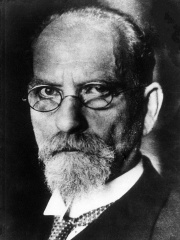
Edmund Husserl
1859 - 1938
HPI: 80.57
Rank: 75
Al-Kindi
801 - 866
HPI: 80.39
Rank: 76

Nicholas of Cusa
1401 - 1464
HPI: 80.39
Rank: 77
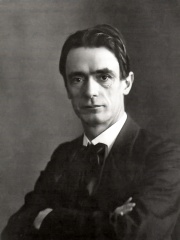
Rudolf Steiner
1861 - 1925
HPI: 80.38
Rank: 78
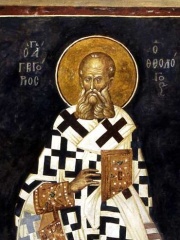
Gregory of Nazianzus
329 - 389
HPI: 80.37
Rank: 79

Friedrich Wilhelm Joseph Schelling
1775 - 1854
HPI: 80.32
Rank: 80
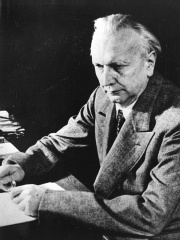
Karl Jaspers
1883 - 1969
HPI: 80.28
Rank: 81
Roland Barthes
1915 - 1980
HPI: 80.26
Rank: 82

Contemporaries
Among people born in 801, Al-Kindi ranks 1. After him are Ansgar, Ya'qubi, Malcolm I of Scotland, Huang Chao, Theodora, Constantine II of Scotland, Leo Phokas the Elder, Enravota, Zoe Zaoutzaina, Eudokia Dekapolitissa, and Grímur Kamban. Among people deceased in 866, Al-Kindi ranks 1. After him are Robert the Strong, Liudolf, Duke of Saxony, Al-Musta'in, Bardas, Linji Yixuan, Ordoño I of Asturias, Charles the Child, Eberhard of Friuli, and Ranulf I of Aquitaine.
Others Born in 801
Go to all RankingsAl-Kindi
PHILOSOPHER
801 - 866
HPI: 80.39
Rank: 1

Ansgar
RELIGIOUS FIGURE
801 - 865
HPI: 72.27
Rank: 2

Ya'qubi
GEOGRAPHER
801 - 898
HPI: 71.21
Rank: 3
Malcolm I of Scotland
POLITICIAN
801 - 954
HPI: 67.21
Rank: 4

Huang Chao
POLITICIAN
801 - 884
HPI: 65.51
Rank: 5

Theodora
COMPANION
801 - 922
HPI: 64.88
Rank: 6
Constantine II of Scotland
POLITICIAN
801 - 952
HPI: 64.32
Rank: 7

Leo Phokas the Elder
MILITARY PERSONNEL
801 - 901
HPI: 60.14
Rank: 8
Enravota
RELIGIOUS FIGURE
801 - 833
HPI: 59.46
Rank: 9

Zoe Zaoutzaina
POLITICIAN
801 - 899
HPI: 58.70
Rank: 10
Eudokia Dekapolitissa
POLITICIAN
801 - 801
HPI: 55.70
Rank: 11
Grímur Kamban
EXPLORER
801 - 899
HPI: 55.66
Rank: 12
Others Deceased in 866
Go to all RankingsAl-Kindi
PHILOSOPHER
801 - 866
HPI: 80.39
Rank: 1
Robert the Strong
NOBLEMAN
900 - 866
HPI: 71.63
Rank: 2

Liudolf, Duke of Saxony
POLITICIAN
805 - 866
HPI: 68.76
Rank: 3
Al-Musta'in
POLITICIAN
836 - 866
HPI: 67.52
Rank: 4

Bardas
POLITICIAN
816 - 866
HPI: 67.48
Rank: 5
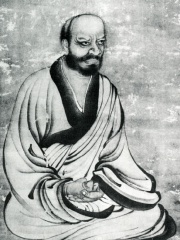
Linji Yixuan
PHILOSOPHER
850 - 866
HPI: 67.20
Rank: 6
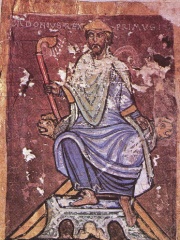
Ordoño I of Asturias
POLITICIAN
821 - 866
HPI: 66.97
Rank: 7

Charles the Child
POLITICIAN
847 - 866
HPI: 64.62
Rank: 8

Eberhard of Friuli
POLITICIAN
810 - 866
HPI: 60.50
Rank: 9

Ranulf I of Aquitaine
POLITICIAN
820 - 866
HPI: 58.25
Rank: 10
In Irak
Among people born in Irak, Al-Kindi ranks 9 out of NaN. Before him are Hammurabi (-1810), Saddam Hussein (1937), Nebuchadnezzar II (-630), Abu Hanifa (698), Ibn al-Haytham (965), and Möngke Khan (1209). After him are Ashurbanipal (-685), Sarah (-1803), Rabia of Basra (710), Al-Masudi (896), Sargon of Akkad (-2300), and Fuzûlî (1494).
Others born in Irak
Go to all Rankings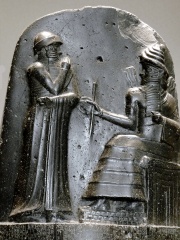
Hammurabi
POLITICIAN
1810 BC - 1750 BC
HPI: 86.84
Rank: 3
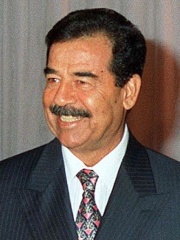
Saddam Hussein
POLITICIAN
1937 - 2006
HPI: 85.93
Rank: 4
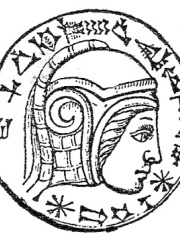
Nebuchadnezzar II
POLITICIAN
630 BC - 562 BC
HPI: 85.35
Rank: 5
Abu Hanifa
RELIGIOUS FIGURE
698 - 767
HPI: 83.39
Rank: 6
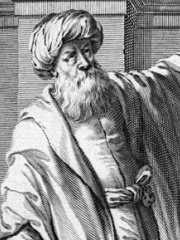
Ibn al-Haytham
PHYSICIST
965 - 1039
HPI: 82.42
Rank: 7
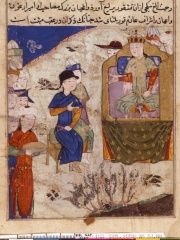
Möngke Khan
POLITICIAN
1209 - 1259
HPI: 82.42
Rank: 8
Al-Kindi
PHILOSOPHER
801 - 866
HPI: 80.39
Rank: 9
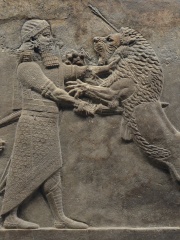
Ashurbanipal
POLITICIAN
685 BC - 627 BC
HPI: 80.19
Rank: 10

Sarah
RELIGIOUS FIGURE
1803 BC - 1676 BC
HPI: 79.84
Rank: 11

Rabia of Basra
RELIGIOUS FIGURE
710 - 801
HPI: 78.81
Rank: 12
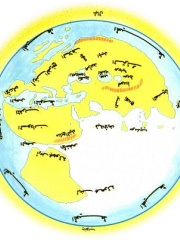
Al-Masudi
WRITER
896 - 956
HPI: 78.74
Rank: 13
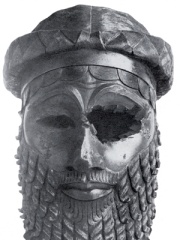
Sargon of Akkad
POLITICIAN
2300 BC - 2215 BC
HPI: 78.68
Rank: 14
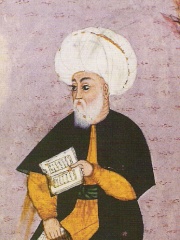
Fuzûlî
WRITER
1494 - 1556
HPI: 78.46
Rank: 15
Among Filozofs In Irak
Among filozofs born in Irak, Al-Kindi ranks 1. After him are Al-Ash'ari (873), Al-Jahiz (775), Abu Yusuf (731), Hunayn ibn Ishaq (809), Diogenes of Babylon (-240), Abu'l-Barakāt al-Baghdādī (1080), Abu Sulayman Sijistani (932), Ibn Abi'l-Hadid (1190), and Jamil Sidqi al-Zahawi (1863).
Al-Kindi
801 - 866
HPI: 80.39
Rank: 1
Al-Ash'ari
873 - 936
HPI: 72.85
Rank: 2
Al-Jahiz
775 - 868
HPI: 72.52
Rank: 3

Abu Yusuf
731 - 798
HPI: 70.34
Rank: 4
Hunayn ibn Ishaq
809 - 873
HPI: 69.59
Rank: 5
Diogenes of Babylon
240 BC - 150 BC
HPI: 64.30
Rank: 6

Abu'l-Barakāt al-Baghdādī
1080 - 1165
HPI: 63.32
Rank: 7

Abu Sulayman Sijistani
932 - 1000
HPI: 60.03
Rank: 8

Ibn Abi'l-Hadid
1190 - 1258
HPI: 59.06
Rank: 9
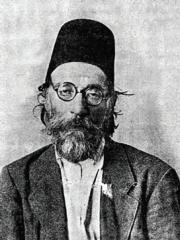
Jamil Sidqi al-Zahawi
1863 - 1936
HPI: 57.67
Rank: 10