Wiskundige
Philolaus
470 BC - 390 BC
NL.WIKIPEDIA PAGE VIEWS (PV)
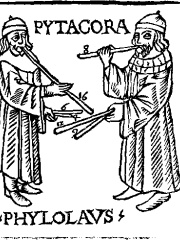
 Philolaus
Zijn biografie is beschikbaar in 46 verschillende talen op Wikipedia (afgenomen van 47 in 2024). Philolaus staat op plaats 58 onder de meest populaire wiskundige (gedaald van plaats 53 in 2024), plaats 464 onder de meest populaire biografieën uit Italië (gedaald van plaats 420 in 2019) en op plaats 9 onder de populairste wiskundige uit Italië.
Memorability Metrics
Page views of Philolaus by language
Among Wiskundiges
Among wiskundiges, Philolaus ranks 58 out of 1,004. Before him are Archytas, August Ferdinand Möbius, Josef Stefan, Sophie Germain, Friedrich Bessel, and Charles Sanders Peirce. After him are Karl Weierstrass, Sofia Kovalevskaya, Marin Mersenne, Émilie du Châtelet, Ludolph van Ceulen, and Girard Desargues.
Most Popular Wiskundiges in Wikipedia
Go to all Rankings
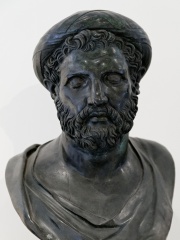
Archytas
428 BC - 347 BC
HPI: 75.95
Rank: 52
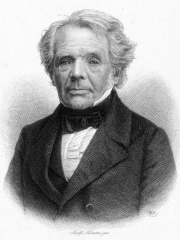
August Ferdinand Möbius
1790 - 1868
HPI: 75.81
Rank: 53
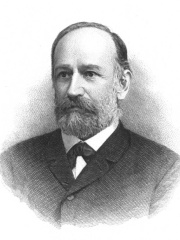
Josef Stefan
1835 - 1893
HPI: 75.70
Rank: 54
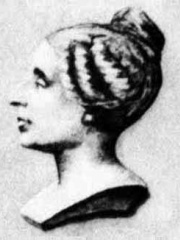
Sophie Germain
1776 - 1831
HPI: 75.67
Rank: 55
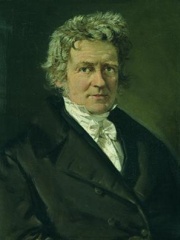
Friedrich Bessel
1784 - 1846
HPI: 75.63
Rank: 56
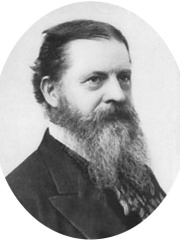
Charles Sanders Peirce
1839 - 1914
HPI: 75.56
Rank: 57
Philolaus
470 BC - 390 BC
HPI: 75.48
Rank: 58
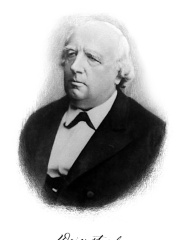
Karl Weierstrass
1815 - 1897
HPI: 75.41
Rank: 59
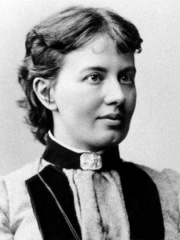
Sofia Kovalevskaya
1850 - 1891
HPI: 75.24
Rank: 60
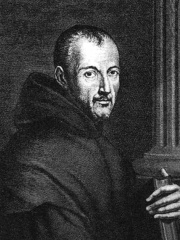
Marin Mersenne
1588 - 1648
HPI: 75.06
Rank: 61
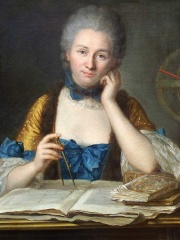
Émilie du Châtelet
1706 - 1749
HPI: 74.82
Rank: 62
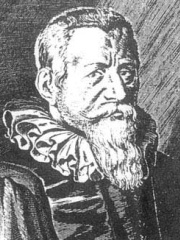
Ludolph van Ceulen
1540 - 1610
HPI: 74.79
Rank: 63
Girard Desargues
1591 - 1661
HPI: 74.70
Rank: 64

Contemporaries
Among people born in 470 BC, Philolaus ranks 4. Before him are Socrates, Aspasia, and Mozi. After him are Melissus of Samos, Callicrates, Hippocrates of Chios, Achilles Painter, and Teres I. Among people deceased in 390 BC, Philolaus ranks 2. Before him is Brennus. After him are Conon, and Amadocus I.
Others Born in 470 BC
Go to all Rankings
Socrates
PHILOSOPHER
470 BC - 399 BC
HPI: 94.90
Rank: 1
Aspasia
COMPANION
470 BC - 400 BC
HPI: 82.17
Rank: 2
Mozi
PHILOSOPHER
470 BC - 391 BC
HPI: 76.56
Rank: 3
Philolaus
MATHEMATICIAN
470 BC - 390 BC
HPI: 75.48
Rank: 4
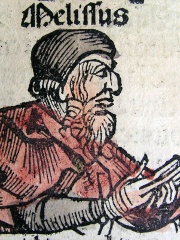
Melissus of Samos
PHILOSOPHER
470 BC - 430 BC
HPI: 75.38
Rank: 5
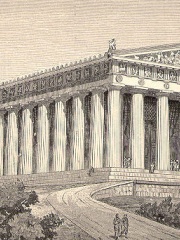
Callicrates
ARCHITECT
470 BC - 420 BC
HPI: 71.98
Rank: 6
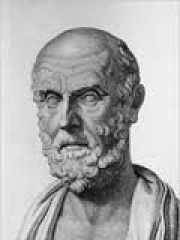
Hippocrates of Chios
MATHEMATICIAN
470 BC - 410 BC
HPI: 70.74
Rank: 7
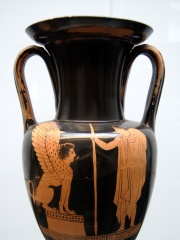
Achilles Painter
PAINTER
470 BC - 425 BC
HPI: 61.86
Rank: 8
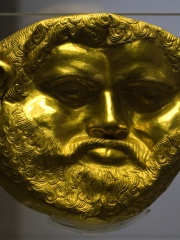
Teres I
POLITICIAN
470 BC - 445 BC
HPI: 58.41
Rank: 9
Others Deceased in 390 BC
Go to all Rankings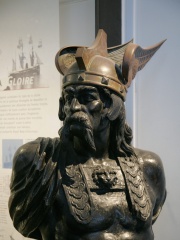
Brennus
POLITICIAN
500 BC - 390 BC
HPI: 75.70
Rank: 1
Philolaus
MATHEMATICIAN
470 BC - 390 BC
HPI: 75.48
Rank: 2

Conon
MILITARY PERSONNEL
401 BC - 390 BC
HPI: 64.94
Rank: 3

Amadocus I
POLITICIAN
450 BC - 390 BC
HPI: 58.26
Rank: 4
In Italië
Among people born in Italië, Philolaus ranks 464 out of NaN. Before him are Pope John XVII (950), Pope Conon (630), Albano Carrisi (1943), Pope Alexander II (1010), Pope Stephen III (720), and Pope John XIV (1000). After him are Roger II of Sicily (1095), Pope Marinus II (932), Pontormo (1494), Guccio Gucci (1881), Pope Benedict VI (900), and Pope Stephen VI (850).
Others born in Italië
Go to all Rankings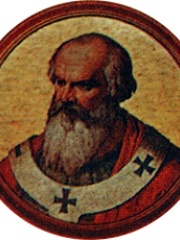
Pope John XVII
RELIGIOUS FIGURE
950 - 1003
HPI: 75.52
Rank: 458
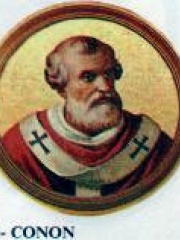
Pope Conon
RELIGIOUS FIGURE
630 - 687
HPI: 75.51
Rank: 459
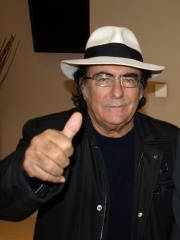
Albano Carrisi
SINGER
1943 - Present
HPI: 75.50
Rank: 460
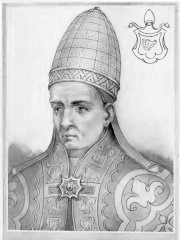
Pope Alexander II
RELIGIOUS FIGURE
1010 - 1073
HPI: 75.49
Rank: 461
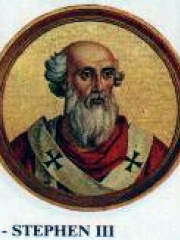
Pope Stephen III
RELIGIOUS FIGURE
720 - 772
HPI: 75.49
Rank: 462
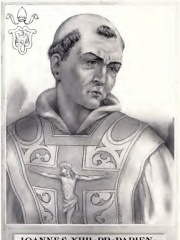
Pope John XIV
RELIGIOUS FIGURE
1000 - 984
HPI: 75.49
Rank: 463
Philolaus
MATHEMATICIAN
470 BC - 390 BC
HPI: 75.48
Rank: 464
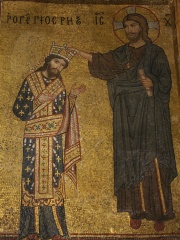
Roger II of Sicily
POLITICIAN
1095 - 1154
HPI: 75.47
Rank: 465
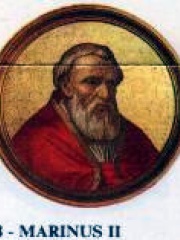
Pope Marinus II
RELIGIOUS FIGURE
932 - 946
HPI: 75.45
Rank: 466
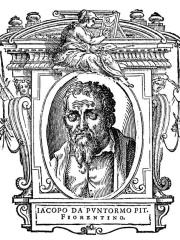
Pontormo
PAINTER
1494 - 1557
HPI: 75.43
Rank: 467
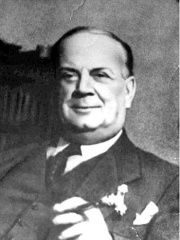
Guccio Gucci
BUSINESSPERSON
1881 - 1953
HPI: 75.42
Rank: 468
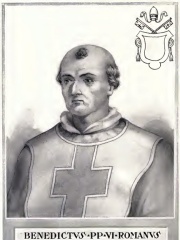
Pope Benedict VI
RELIGIOUS FIGURE
900 - 974
HPI: 75.42
Rank: 469
Pope Stephen VI
RELIGIOUS FIGURE
850 - 897
HPI: 75.41
Rank: 470
Among Wiskundiges In Italië
Among wiskundiges born in Italië, Philolaus ranks 9. Before him are Joseph-Louis Lagrange (1736), Gerolamo Cardano (1501), Luca Pacioli (1445), Maria Gaetana Agnesi (1718), Niccolò Fontana Tartaglia (1499), and Archytas (-428). After him are Giuseppe Peano (1858), Bonaventura Cavalieri (1598), Lodovico Ferrari (1522), Vincenzo Viviani (1622), Aloysius Lilius (1510), and Scipione del Ferro (1465).
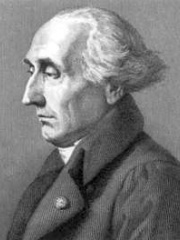
Joseph-Louis Lagrange
1736 - 1813
HPI: 84.17
Rank: 3
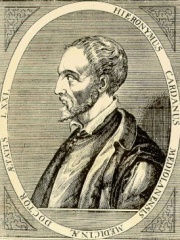
Gerolamo Cardano
1501 - 1576
HPI: 79.79
Rank: 4
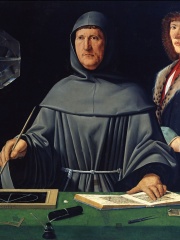
Luca Pacioli
1445 - 1517
HPI: 79.39
Rank: 5
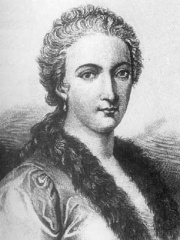
Maria Gaetana Agnesi
1718 - 1799
HPI: 76.89
Rank: 6
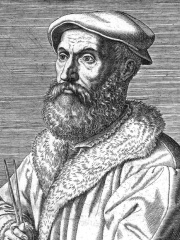
Niccolò Fontana Tartaglia
1499 - 1557
HPI: 76.65
Rank: 7
Archytas
428 BC - 347 BC
HPI: 75.95
Rank: 8
Philolaus
470 BC - 390 BC
HPI: 75.48
Rank: 9
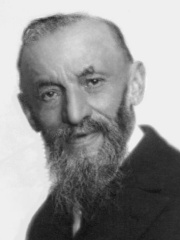
Giuseppe Peano
1858 - 1932
HPI: 74.06
Rank: 10
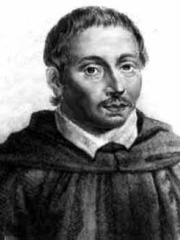
Bonaventura Cavalieri
1598 - 1647
HPI: 73.59
Rank: 11
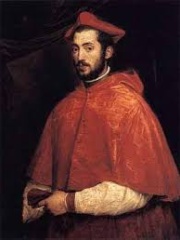
Lodovico Ferrari
1522 - 1565
HPI: 70.38
Rank: 12
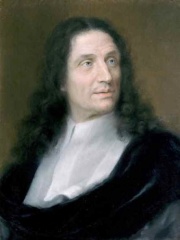
Vincenzo Viviani
1622 - 1703
HPI: 69.00
Rank: 13
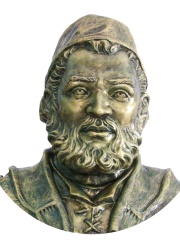
Aloysius Lilius
1510 - 1576
HPI: 68.80
Rank: 14

Scipione del Ferro
1465 - 1526
HPI: 68.70
Rank: 15