哲学者
Vallabha
1479 - 1531
 Vallabha
Memorability Metrics
Page views of Vallabha by language
Among 哲学者
Among 哲学者, Vallabha ranks 695 out of 1,267. Before him are Johann Bernhard Basedow, Mechthild of Magdeburg, P. F. Strawson, Hakuin Ekaku, Hermann von Keyserling, and Fulbert of Chartres. After him are C. I. Lewis, Diodorus Cronus, Rudolph Goclenius, Kuno Fischer, Gongsun Long, and Karl Vogt.
Most Popular 哲学者 in Wikipedia
Go to all Rankings
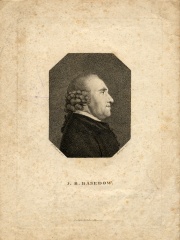
Johann Bernhard Basedow
1723 - 1790
HPI: 63.31
Rank: 689
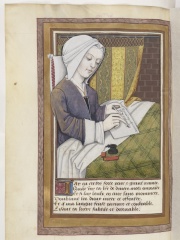
Mechthild of Magdeburg
1207 - 1282
HPI: 63.30
Rank: 690
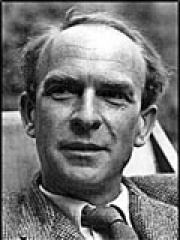
P. F. Strawson
1919 - 2006
HPI: 63.27
Rank: 691

Hakuin Ekaku
1686 - 1769
HPI: 63.26
Rank: 692
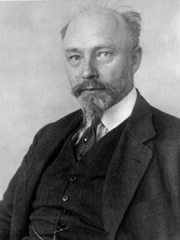
Hermann von Keyserling
1880 - 1946
HPI: 63.26
Rank: 693
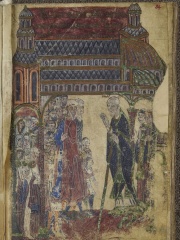
Fulbert of Chartres
960 - 1028
HPI: 63.25
Rank: 694
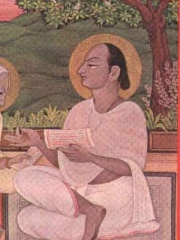
Vallabha
1479 - 1531
HPI: 63.23
Rank: 695

C. I. Lewis
1883 - 1964
HPI: 63.21
Rank: 696

Diodorus Cronus
400 BC - 300 BC
HPI: 63.18
Rank: 697
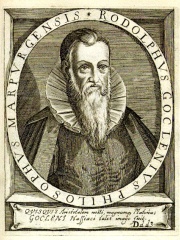
Rudolph Goclenius
1547 - 1628
HPI: 63.17
Rank: 698
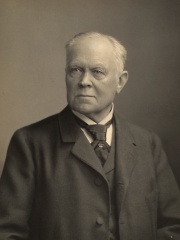
Kuno Fischer
1824 - 1907
HPI: 63.16
Rank: 699

Gongsun Long
325 BC - 250 BC
HPI: 63.16
Rank: 700
Karl Vogt
1817 - 1895
HPI: 63.15
Rank: 701

Contemporaries
Among people born in 1479, Vallabha ranks 9. Before him are Lisa del Giocondo, Vasili III of Russia, Giuliano de' Medici, Duke of Nemours, Diego Columbus, Peter Henlein, and Ippolito d'Este. After him are Francisco de Montejo, Guru Amar Das, Catherine of York, Philip I, Margrave of Baden, and Henry V, Duke of Mecklenburg. Among people deceased in 1531, Vallabha ranks 7. Before him are Huldrych Zwingli, Louise of Savoy, Tilman Riemenschneider, Hans Burgkmair, Johannes Oecolampadius, and Vincenzo Catena. After him are Pedro Arias Dávila, Gerónimo de Aguilar, and George I, Duke of Pomerania.
Others Born in 1479
Go to all Rankings
Lisa del Giocondo
PAINTER
1479 - 1542
HPI: 76.02
Rank: 3
Vasili III of Russia
POLITICIAN
1479 - 1533
HPI: 73.15
Rank: 4
Giuliano de' Medici, Duke of Nemours
POLITICIAN
1479 - 1516
HPI: 73.12
Rank: 5
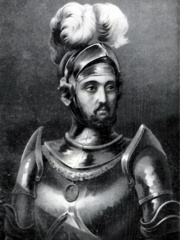
Diego Columbus
EXPLORER
1479 - 1527
HPI: 68.73
Rank: 6
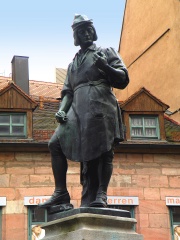
Peter Henlein
INVENTOR
1479 - 1542
HPI: 64.48
Rank: 7
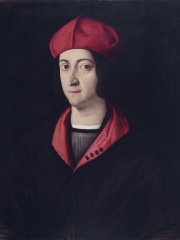
Ippolito d'Este
RELIGIOUS FIGURE
1479 - 1520
HPI: 63.80
Rank: 8
Vallabha
PHILOSOPHER
1479 - 1531
HPI: 63.23
Rank: 9
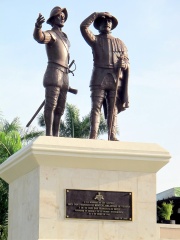
Francisco de Montejo
EXPLORER
1479 - 1553
HPI: 63.07
Rank: 10
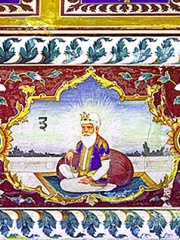
Guru Amar Das
RELIGIOUS FIGURE
1479 - 1574
HPI: 62.70
Rank: 11
Catherine of York
POLITICIAN
1479 - 1527
HPI: 60.56
Rank: 12

Philip I, Margrave of Baden
POLITICIAN
1479 - 1533
HPI: 60.37
Rank: 13
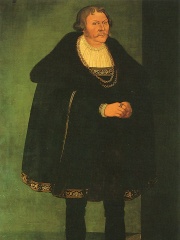
Henry V, Duke of Mecklenburg
POLITICIAN
1479 - 1552
HPI: 59.82
Rank: 14
Others Deceased in 1531
Go to all Rankings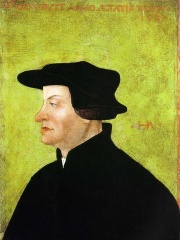
Huldrych Zwingli
RELIGIOUS FIGURE
1484 - 1531
HPI: 81.35
Rank: 1
Louise of Savoy
POLITICIAN
1476 - 1531
HPI: 70.55
Rank: 2
Tilman Riemenschneider
SCULPTOR
1460 - 1531
HPI: 66.73
Rank: 3
Hans Burgkmair
PAINTER
1473 - 1531
HPI: 64.69
Rank: 4
Johannes Oecolampadius
RELIGIOUS FIGURE
1482 - 1531
HPI: 64.13
Rank: 5
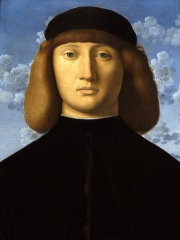
Vincenzo Catena
PAINTER
1470 - 1531
HPI: 63.24
Rank: 6
Vallabha
PHILOSOPHER
1479 - 1531
HPI: 63.23
Rank: 7
Pedro Arias Dávila
EXPLORER
1443 - 1531
HPI: 62.95
Rank: 8

Gerónimo de Aguilar
EXPLORER
1489 - 1531
HPI: 62.59
Rank: 9
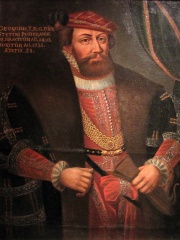
George I, Duke of Pomerania
NOBLEMAN
1493 - 1531
HPI: 60.24
Rank: 10
In インド
Among people born in インド, Vallabha ranks 288 out of NaN. Before him are Suniel Shetty (1961), Chandra Shekhar Azad (1906), Joseph Coutts (1945), Syama Prasad Mukherjee (1901), Guru Tegh Bahadur (1621), and John Abraham (1972). After him are Morarji Desai (1896), The Great Gama (1878), Meher Baba (1894), Chand Bibi (1550), Afzal-ud-Daulah (1827), and Prabhas (1979).
Others born in インド
Go to all Rankings
Suniel Shetty
ACTOR
1961 - Present
HPI: 63.38
Rank: 282
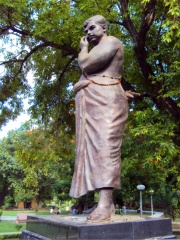
Chandra Shekhar Azad
POLITICIAN
1906 - 1931
HPI: 63.37
Rank: 283
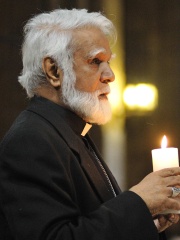
Joseph Coutts
RELIGIOUS FIGURE
1945 - Present
HPI: 63.30
Rank: 284
Syama Prasad Mukherjee
POLITICIAN
1901 - 1953
HPI: 63.30
Rank: 285
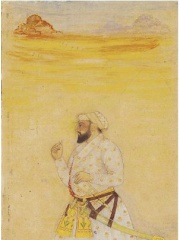
Guru Tegh Bahadur
POLITICIAN
1621 - 1675
HPI: 63.24
Rank: 286
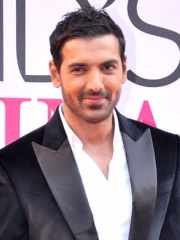
John Abraham
ACTOR
1972 - Present
HPI: 63.24
Rank: 287
Vallabha
PHILOSOPHER
1479 - 1531
HPI: 63.23
Rank: 288
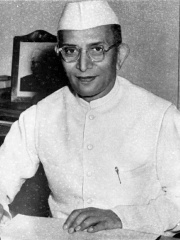
Morarji Desai
POLITICIAN
1896 - 1995
HPI: 63.20
Rank: 289
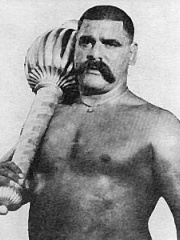
The Great Gama
WRESTLER
1878 - 1960
HPI: 63.12
Rank: 290
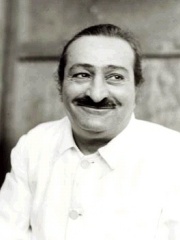
Meher Baba
RELIGIOUS FIGURE
1894 - 1969
HPI: 63.11
Rank: 291
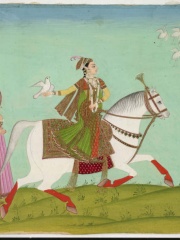
Chand Bibi
POLITICIAN
1550 - 1599
HPI: 63.09
Rank: 292
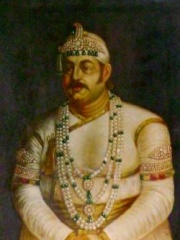
Afzal-ud-Daulah
POLITICIAN
1827 - 1869
HPI: 63.08
Rank: 293

Prabhas
ACTOR
1979 - Present
HPI: 63.07
Rank: 294
Among 哲学者 In インド
Among 哲学者 born in インド, Vallabha ranks 30. Before him are Sivananda Saraswati (1887), Ahmad Sirhindi (1564), Vinayak Damodar Savarkar (1883), Dignāga (480), Hemachandra (1089), and Ravidas (1450). After him are Thiruvalluvar (350), Nisargadatta Maharaj (1897), Narayana Guru (1855), Eknath (1533), Rishabhanatha (null), and Kumārila Bhaṭṭa (700).
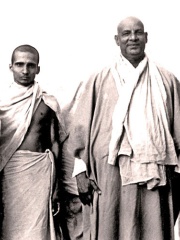
Sivananda Saraswati
1887 - 1963
HPI: 65.75
Rank: 24

Ahmad Sirhindi
1564 - 1624
HPI: 65.65
Rank: 25
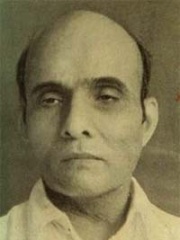
Vinayak Damodar Savarkar
1883 - 1966
HPI: 65.41
Rank: 26

Dignāga
480 - 540
HPI: 64.39
Rank: 27

Hemachandra
1089 - 1172
HPI: 64.00
Rank: 28
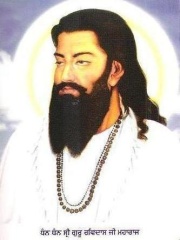
Ravidas
1450 - 1520
HPI: 63.85
Rank: 29
Vallabha
1479 - 1531
HPI: 63.23
Rank: 30
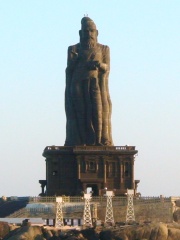
Thiruvalluvar
350 - 351
HPI: 62.34
Rank: 31
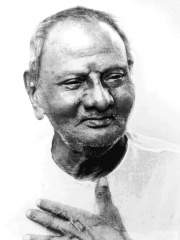
Nisargadatta Maharaj
1897 - 1981
HPI: 62.04
Rank: 32
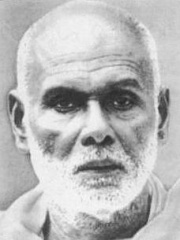
Narayana Guru
1855 - 1928
HPI: 61.88
Rank: 33
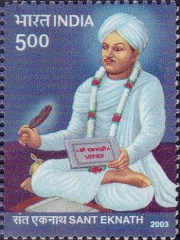
Eknath
1533 - 1599
HPI: 61.83
Rank: 34
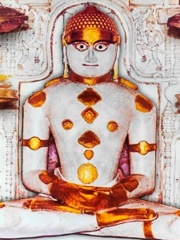
Rishabhanatha
HPI: 61.40
Rank: 35

Kumārila Bhaṭṭa
700 - 700
HPI: 61.09
Rank: 36