天文学者
Ulugh Beg
1394 - 1449
JA.WIKIPEDIA PAGE VIEWS (PV)
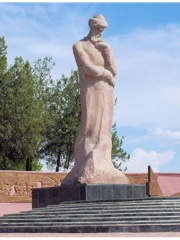
 Ulugh Beg
ウルグ・ベク(ペルシア語: میرزا محمد طارق بن شاہرخ الغبیگ Mīrzā Muhammad Tāraghay bin Shāhrukh Uluġ Beg、漢籍:兀魯伯 1394年3月22日 - 1449年10月27日)は、ティムール朝の第4代君主(在位: 1447年 - 1449年)。ティムールの四男シャー・ルフの長男。幼名はムハンマド・タラガイ(Muhammad Tāraghay)。 文人・学者の保護者となったウルグ・ベクは自身も優れた天文学者・数学者・文人であり、統治者としての事績よりも学者としての事績を高く評価されている。 ウィキペディアで詳細を読む
彼の伝記はウィキペディアで73言語で利用可能です(2024年の72言語から増加)。Ulugh Begは、最も人気のある天文学者の中で第13位(2024年の第9位から順位を下げ)、イラン人物の伝記の中で第18位、また最も人気のあるイラン人天文学者の中で第1位に位置しています。
Memorability Metrics
Page views of Ulugh Beg by language
Among 天文学者
Among 天文学者, Ulugh Beg ranks 13 out of 644. Before him are Tycho Brahe, Anders Celsius, Heinrich Wilhelm Matthias Olbers, William Herschel, Aristarchus of Samos, and Hipparchus. After him are Ja'far al-Sadiq, Edwin Hubble, Giovanni Domenico Cassini, Nicolas-Louis de Lacaille, Ole Rømer, and Joseph Hooton Taylor Jr..
Most Popular 天文学者 in Wikipedia
Go to all Rankings
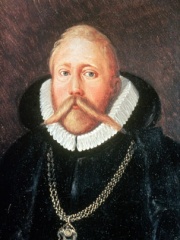
Tycho Brahe
1546 - 1601
HPI: 83.46
Rank: 7
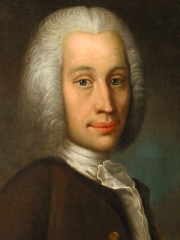
Anders Celsius
1701 - 1744
HPI: 83.19
Rank: 8
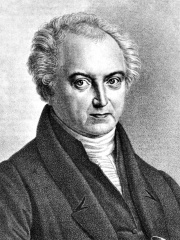
Heinrich Wilhelm Matthias Olbers
1758 - 1840
HPI: 80.29
Rank: 9
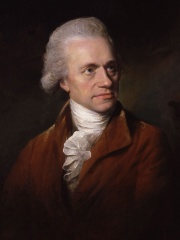
William Herschel
1738 - 1822
HPI: 80.07
Rank: 10
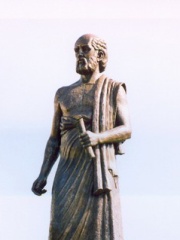
Aristarchus of Samos
311 BC - 230 BC
HPI: 79.89
Rank: 11
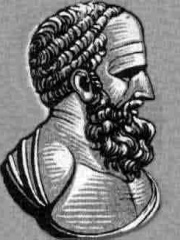
Hipparchus
190 BC - 120 BC
HPI: 79.75
Rank: 12
Ulugh Beg
1394 - 1449
HPI: 79.20
Rank: 13

Ja'far al-Sadiq
702 - 765
HPI: 79.09
Rank: 14
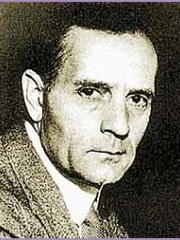
Edwin Hubble
1889 - 1953
HPI: 78.45
Rank: 15
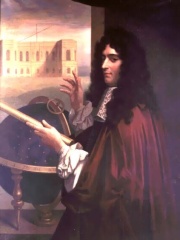
Giovanni Domenico Cassini
1625 - 1712
HPI: 78.44
Rank: 16
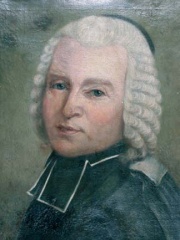
Nicolas-Louis de Lacaille
1713 - 1762
HPI: 78.29
Rank: 17
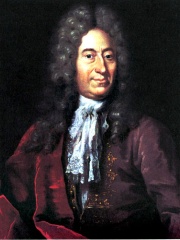
Ole Rømer
1644 - 1710
HPI: 77.72
Rank: 18

Joseph Hooton Taylor Jr.
1941 - Present
HPI: 77.51
Rank: 19

Contemporaries
Among people born in 1394, Ulugh Beg ranks 3. Before him are Johannes Gutenberg, and Prince Henry the Navigator. After him are Charles, Duke of Orléans, James I of Scotland, Cymburgis of Masovia, Sidi Boushaki, Philippa of England, Ikkyū, Basil Valentine, Ashikaga Yoshinori, and Antonio Beccadelli. Among people deceased in 1449, Ulugh Beg ranks 1. After him are Ibn Hajar al-‘Asqalani, Hüma Hatun, Peter, Duke of Coimbra, Emine Hatun, Louis IV, Elector Palatine, and Konrad von Erlichshausen.
Others Born in 1394
Go to all Rankings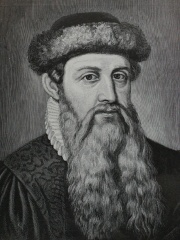
Johannes Gutenberg
INVENTOR
1394 - 1468
HPI: 90.58
Rank: 1
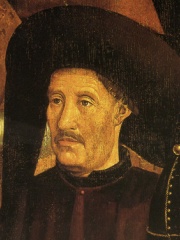
Prince Henry the Navigator
EXPLORER
1394 - 1460
HPI: 84.33
Rank: 2
Ulugh Beg
ASTRONOMER
1394 - 1449
HPI: 79.20
Rank: 3
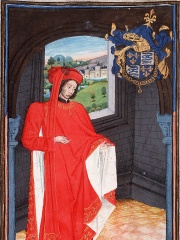
Charles, Duke of Orléans
WRITER
1394 - 1465
HPI: 73.21
Rank: 4
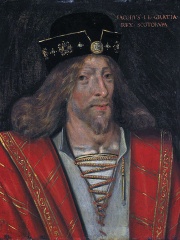
James I of Scotland
POLITICIAN
1394 - 1437
HPI: 71.94
Rank: 5
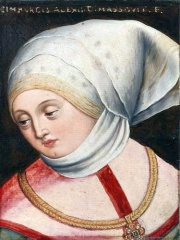
Cymburgis of Masovia
NOBLEMAN
1394 - 1429
HPI: 69.01
Rank: 6

Sidi Boushaki
RELIGIOUS FIGURE
1394 - 1453
HPI: 67.32
Rank: 7

Philippa of England
POLITICIAN
1394 - 1430
HPI: 66.62
Rank: 8

Ikkyū
RELIGIOUS FIGURE
1394 - 1481
HPI: 65.93
Rank: 9

Basil Valentine
WRITER
1394 - 1450
HPI: 63.32
Rank: 10
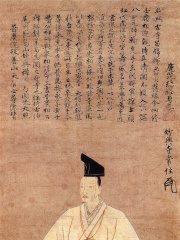
Ashikaga Yoshinori
POLITICIAN
1394 - 1441
HPI: 61.77
Rank: 11
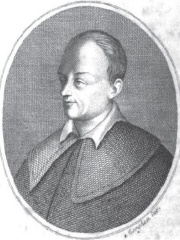
Antonio Beccadelli
WRITER
1394 - 1471
HPI: 58.62
Rank: 12
Others Deceased in 1449
Go to all RankingsUlugh Beg
ASTRONOMER
1394 - 1449
HPI: 79.20
Rank: 1

Ibn Hajar al-‘Asqalani
HISTORIAN
1372 - 1449
HPI: 70.98
Rank: 2
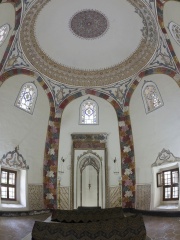
Hüma Hatun
POLITICIAN
1400 - 1449
HPI: 68.17
Rank: 3
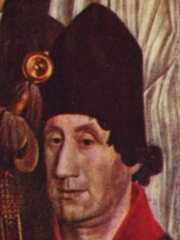
Peter, Duke of Coimbra
POLITICIAN
1392 - 1449
HPI: 65.84
Rank: 4

Emine Hatun
POLITICIAN
1398 - 1449
HPI: 65.30
Rank: 5

Louis IV, Elector Palatine
POLITICIAN
1424 - 1449
HPI: 63.14
Rank: 6
Konrad von Erlichshausen
POLITICIAN
1390 - 1449
HPI: 59.01
Rank: 7
In イラン
Among people born in イラン, Ulugh Beg ranks 18 out of NaN. Before him are Ali Khamenei (1939), Bahá'u'lláh (1817), Esther (-600), Hafez (1325), Ismail I (1487), and Abdul Qadir Gilani (1078). After him are Muhammad ibn Zakariya al-Razi (865), Hassan-i Sabbah (1050), Cambyses II (-550), Al-Tabari (839), Bodhidharma (483), and Malik-Shah I (1055).
Others born in イラン
Go to all Rankings
Ali Khamenei
POLITICIAN
1939 - Present
HPI: 81.36
Rank: 12
Bahá'u'lláh
RELIGIOUS FIGURE
1817 - 1892
HPI: 81.34
Rank: 13
Esther
RELIGIOUS FIGURE
600 BC - 500 BC
HPI: 81.25
Rank: 14

Hafez
WRITER
1325 - 1389
HPI: 80.96
Rank: 15
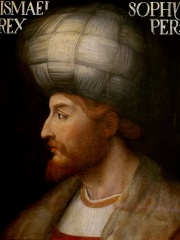
Ismail I
WRITER
1487 - 1524
HPI: 80.93
Rank: 16

Abdul Qadir Gilani
RELIGIOUS FIGURE
1078 - 1166
HPI: 79.64
Rank: 17
Ulugh Beg
ASTRONOMER
1394 - 1449
HPI: 79.20
Rank: 18
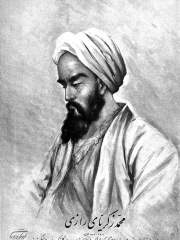
Muhammad ibn Zakariya al-Razi
PHYSICIAN
865 - 925
HPI: 79.17
Rank: 19
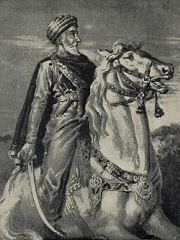
Hassan-i Sabbah
RELIGIOUS FIGURE
1050 - 1124
HPI: 79.08
Rank: 20
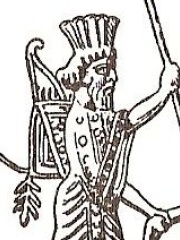
Cambyses II
POLITICIAN
550 BC - 522 BC
HPI: 78.72
Rank: 21

Al-Tabari
PHILOSOPHER
839 - 923
HPI: 78.71
Rank: 22

Bodhidharma
PHILOSOPHER
483 - 540
HPI: 78.17
Rank: 23
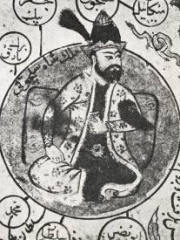
Malik-Shah I
POLITICIAN
1055 - 1092
HPI: 78.06
Rank: 24
Among 天文学者 In イラン
Among 天文学者 born in イラン, Ulugh Beg ranks 1. After him are Abd al-Rahman al-Sufi (903), Jamshīd al-Kāshī (1380), Abu Hanifa Dinawari (815), and Alenush Terian (1921).
Ulugh Beg
1394 - 1449
HPI: 79.20
Rank: 1
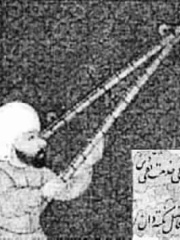
Abd al-Rahman al-Sufi
903 - 986
HPI: 75.12
Rank: 2
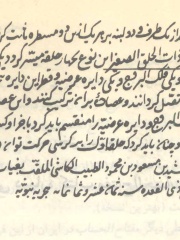
Jamshīd al-Kāshī
1380 - 1429
HPI: 71.12
Rank: 3

Abu Hanifa Dinawari
815 - 896
HPI: 68.56
Rank: 4
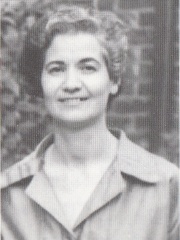
Alenush Terian
1921 - 2011
HPI: 58.49
Rank: 5