言語学者
Max Müller
1823 - 1900
JA.WIKIPEDIA PAGE VIEWS (PV)
 Max Müller
Memorability Metrics
Page views of Max Müller by language
Among 言語学者
Among 言語学者, Max Müller ranks 6 out of 214. Before him are Ferdinand de Saussure, Edgar de Wahl, Pāṇini, Patanjali, and Noam Chomsky. After him are William James Sidis, Noah Webster, Mahmud al-Kashgari, Roman Jakobson, Mesrop Mashtots, and Rasmus Rask.
Most Popular 言語学者 in Wikipedia
Go to all Rankings
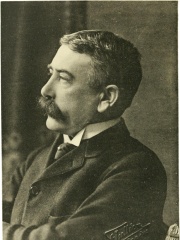
Ferdinand de Saussure
1857 - 1913
HPI: 82.09
Rank: 1
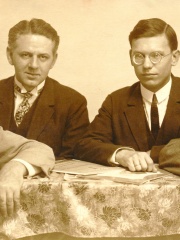
Edgar de Wahl
1867 - 1948
HPI: 81.92
Rank: 2
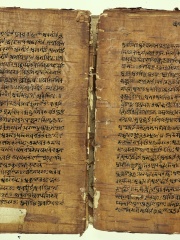
Pāṇini
500 BC - 460 BC
HPI: 81.60
Rank: 3

Patanjali
200 BC - 150 BC
HPI: 80.61
Rank: 4
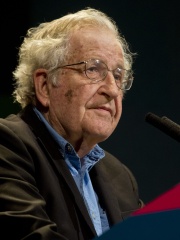
Noam Chomsky
1928 - Present
HPI: 79.50
Rank: 5
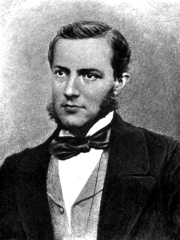
Max Müller
1823 - 1900
HPI: 79.01
Rank: 6
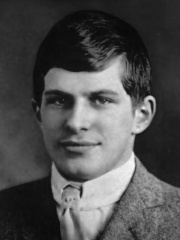
William James Sidis
1898 - 1944
HPI: 78.04
Rank: 7
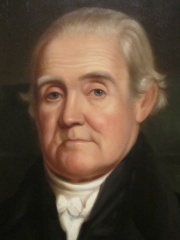
Noah Webster
1758 - 1843
HPI: 77.96
Rank: 8
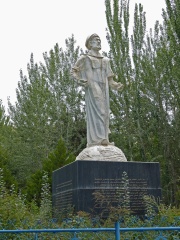
Mahmud al-Kashgari
1029 - 1101
HPI: 77.39
Rank: 9
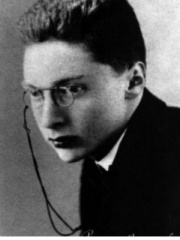
Roman Jakobson
1896 - 1982
HPI: 76.47
Rank: 10
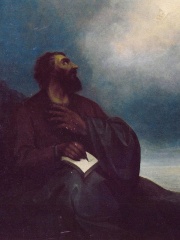
Mesrop Mashtots
361 - 440
HPI: 75.17
Rank: 11
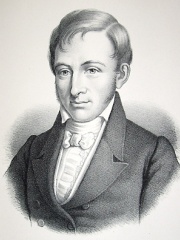
Rasmus Rask
1787 - 1832
HPI: 75.04
Rank: 12

Contemporaries
Among people born in 1823, Max Müller ranks 1. After him are Abdulmejid I, Phineas Gage, Alfred Russel Wallace, Gyula Andrássy, Ernest Renan, Sándor Petőfi, Prince Alexander of Hesse and by Rhine, Leopold Kronecker, Édouard Lalo, Alexandre Cabanel, and Li Hongzhang. Among people deceased in 1900, Max Müller ranks 5. Before him are Friedrich Nietzsche, Oscar Wilde, Gottlieb Daimler, and Wilhelm Steinitz. After him are Umberto I of Italy, Ivan Aivazovsky, John Ruskin, Vladimir Solovyov, Étienne Lenoir, Alfred, Duke of Saxe-Coburg and Gotha, and John Sherman.
Others Born in 1823
Go to all RankingsMax Müller
LINGUIST
1823 - 1900
HPI: 79.01
Rank: 1
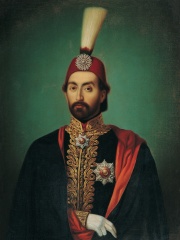
Abdulmejid I
POLITICIAN
1823 - 1861
HPI: 78.90
Rank: 2

Phineas Gage
CELEBRITY
1823 - 1860
HPI: 78.34
Rank: 3
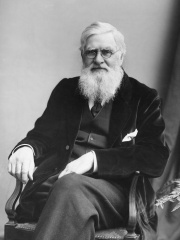
Alfred Russel Wallace
BIOLOGIST
1823 - 1913
HPI: 77.41
Rank: 4
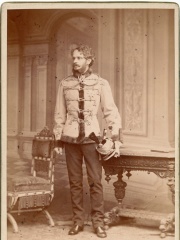
Gyula Andrássy
POLITICIAN
1823 - 1890
HPI: 75.56
Rank: 5
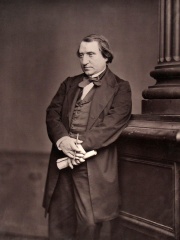
Ernest Renan
PHILOSOPHER
1823 - 1892
HPI: 74.49
Rank: 6
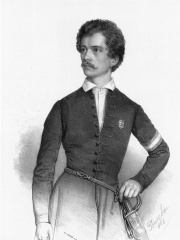
Sándor Petőfi
WRITER
1823 - 1849
HPI: 73.87
Rank: 7
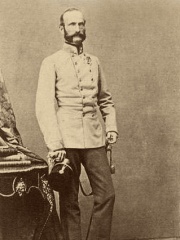
Prince Alexander of Hesse and by Rhine
POLITICIAN
1823 - 1888
HPI: 72.90
Rank: 8
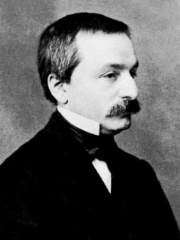
Leopold Kronecker
MATHEMATICIAN
1823 - 1891
HPI: 72.71
Rank: 9
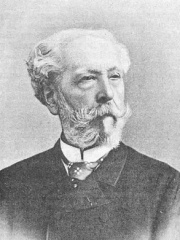
Édouard Lalo
COMPOSER
1823 - 1892
HPI: 72.66
Rank: 10
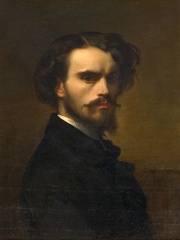
Alexandre Cabanel
PAINTER
1823 - 1889
HPI: 70.81
Rank: 11

Li Hongzhang
POLITICIAN
1823 - 1901
HPI: 70.31
Rank: 12
Others Deceased in 1900
Go to all Rankings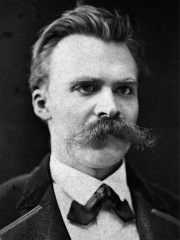
Friedrich Nietzsche
PHILOSOPHER
1844 - 1900
HPI: 90.17
Rank: 1
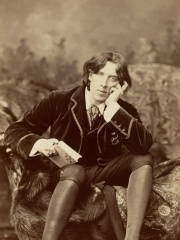
Oscar Wilde
WRITER
1854 - 1900
HPI: 83.95
Rank: 2
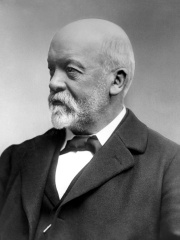
Gottlieb Daimler
ENGINEER
1834 - 1900
HPI: 79.99
Rank: 3
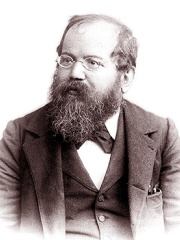
Wilhelm Steinitz
CHESS PLAYER
1836 - 1900
HPI: 79.31
Rank: 4
Max Müller
LINGUIST
1823 - 1900
HPI: 79.01
Rank: 5
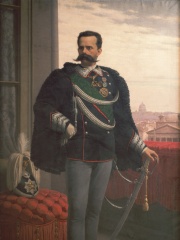
Umberto I of Italy
POLITICIAN
1844 - 1900
HPI: 77.44
Rank: 6
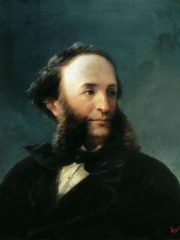
Ivan Aivazovsky
PAINTER
1817 - 1900
HPI: 75.82
Rank: 7
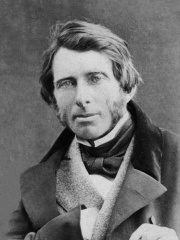
John Ruskin
CRITIC
1819 - 1900
HPI: 72.96
Rank: 8
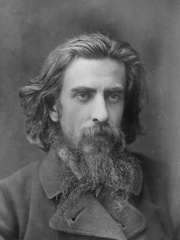
Vladimir Solovyov
PHILOSOPHER
1853 - 1900
HPI: 71.62
Rank: 9
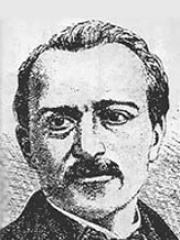
Étienne Lenoir
INVENTOR
1822 - 1900
HPI: 71.18
Rank: 10
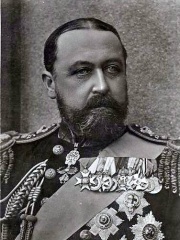
Alfred, Duke of Saxe-Coburg and Gotha
POLITICIAN
1844 - 1900
HPI: 70.64
Rank: 11
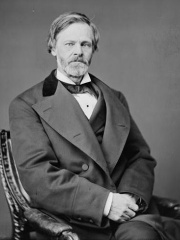
John Sherman
POLITICIAN
1823 - 1900
HPI: 69.94
Rank: 12
In ドイツ
Among people born in ドイツ, Max Müller ranks 137 out of NaN. Before him are August Kekulé (1829), Carl Maria von Weber (1786), Frederick III, German Emperor (1831), Carl von Clausewitz (1780), Novalis (1772), and Heinrich Böll (1917). After him are Erik Erikson (1902), Henry the Fowler (876), Otto III, Holy Roman Emperor (980), Adolf Windaus (1876), Leopold I of Belgium (1790), and Ernst Chain (1906).
Others born in ドイツ
Go to all Rankings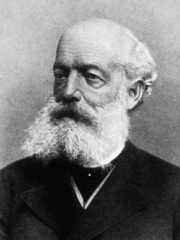
August Kekulé
CHEMIST
1829 - 1896
HPI: 79.36
Rank: 131
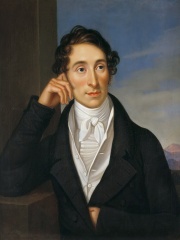
Carl Maria von Weber
COMPOSER
1786 - 1826
HPI: 79.23
Rank: 132
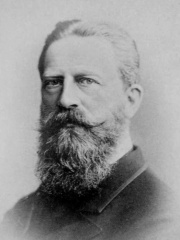
Frederick III, German Emperor
POLITICIAN
1831 - 1888
HPI: 79.16
Rank: 133
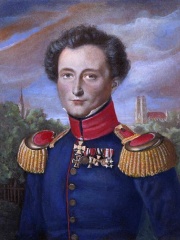
Carl von Clausewitz
PHILOSOPHER
1780 - 1831
HPI: 79.09
Rank: 134
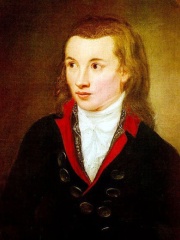
Novalis
WRITER
1772 - 1801
HPI: 79.08
Rank: 135
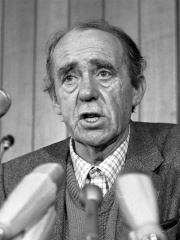
Heinrich Böll
WRITER
1917 - 1985
HPI: 79.08
Rank: 136
Max Müller
LINGUIST
1823 - 1900
HPI: 79.01
Rank: 137
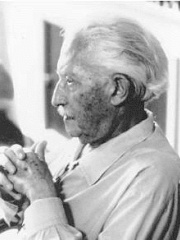
Erik Erikson
PSYCHOLOGIST
1902 - 1994
HPI: 78.99
Rank: 138
Henry the Fowler
POLITICIAN
876 - 936
HPI: 78.94
Rank: 139

Otto III, Holy Roman Emperor
POLITICIAN
980 - 1002
HPI: 78.91
Rank: 140
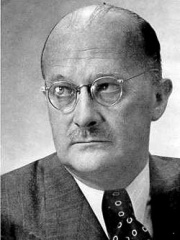
Adolf Windaus
CHEMIST
1876 - 1959
HPI: 78.89
Rank: 141
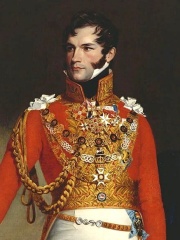
Leopold I of Belgium
POLITICIAN
1790 - 1865
HPI: 78.85
Rank: 142
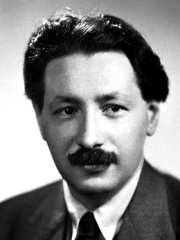
Ernst Chain
CHEMIST
1906 - 1979
HPI: 78.79
Rank: 143
Among 言語学者 In ドイツ
Among 言語学者 born in ドイツ, Max Müller ranks 1. After him are Franz Bopp (1791), Jost Gippert (1956), August Schleicher (1821), Johann Martin Schleyer (1831), Johann Christoph Adelung (1732), Georg Friedrich Grotefend (1775), Friedrich August Wolf (1759), Michel Bréal (1832), Vasily Radlov (1837), Hermann Paul (1846), and Hugo Schuchardt (1842).
Max Müller
1823 - 1900
HPI: 79.01
Rank: 1
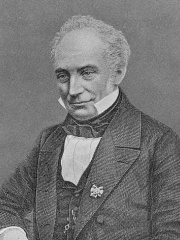
Franz Bopp
1791 - 1867
HPI: 73.31
Rank: 2

Jost Gippert
1956 - Present
HPI: 72.21
Rank: 3
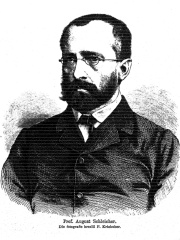
August Schleicher
1821 - 1868
HPI: 71.80
Rank: 4
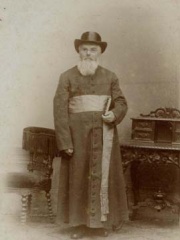
Johann Martin Schleyer
1831 - 1912
HPI: 69.72
Rank: 5
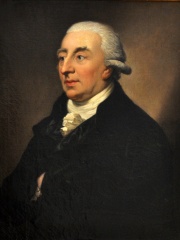
Johann Christoph Adelung
1732 - 1806
HPI: 68.86
Rank: 6
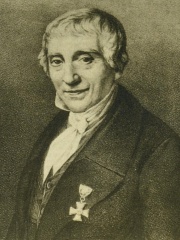
Georg Friedrich Grotefend
1775 - 1853
HPI: 67.37
Rank: 7
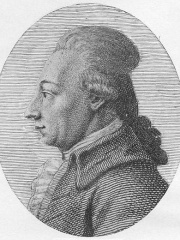
Friedrich August Wolf
1759 - 1824
HPI: 66.35
Rank: 8
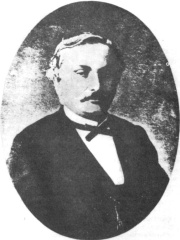
Michel Bréal
1832 - 1915
HPI: 66.28
Rank: 9
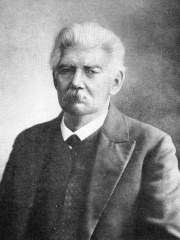
Vasily Radlov
1837 - 1918
HPI: 66.24
Rank: 10
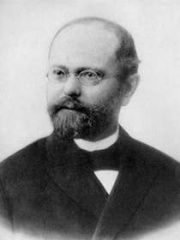
Hermann Paul
1846 - 1921
HPI: 64.69
Rank: 11

Hugo Schuchardt
1842 - 1927
HPI: 64.18
Rank: 12