政治家
Empress Gi
1315 - 1369
JA.WIKIPEDIA PAGE VIEWS (PV)
 Empress Gi
Memorability Metrics
Page views of Empress Gi by language
Among 政治家
Among 政治家, Empress Gi ranks 1,056 out of 19,576. Before her are Gordian II, Arkan, Taejo of Goryeo, Andrew Johnson, Abdelaziz Bouteflika, and Ilham Aliyev. After her are Ferdinand I of Bulgaria, Paul of Greece, Magnus VI of Norway, Lev Kamenev, Gyula Andrássy, and Cato the Younger.
Most Popular 政治家 in Wikipedia
Go to all Rankings
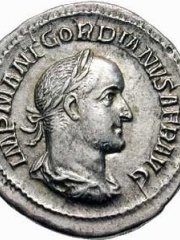
Gordian II
190 - 238
HPI: 75.62
Rank: 1,050

Arkan
1952 - 2000
HPI: 75.62
Rank: 1,051
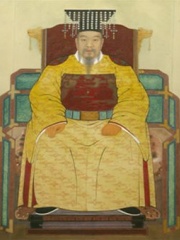
Taejo of Goryeo
877 - 943
HPI: 75.62
Rank: 1,052
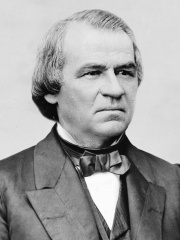
Andrew Johnson
1808 - 1875
HPI: 75.61
Rank: 1,053
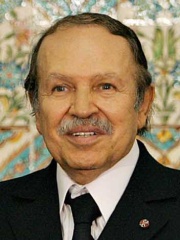
Abdelaziz Bouteflika
1937 - 2021
HPI: 75.61
Rank: 1,054
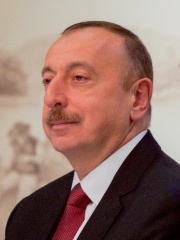
Ilham Aliyev
1961 - Present
HPI: 75.61
Rank: 1,055

Empress Gi
1315 - 1369
HPI: 75.60
Rank: 1,056
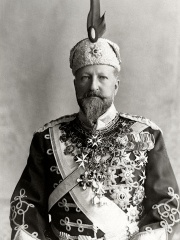
Ferdinand I of Bulgaria
1861 - 1948
HPI: 75.59
Rank: 1,057
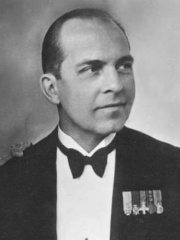
Paul of Greece
1901 - 1964
HPI: 75.58
Rank: 1,058
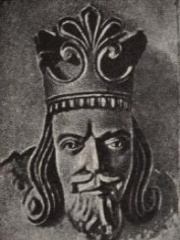
Magnus VI of Norway
1238 - 1280
HPI: 75.58
Rank: 1,059
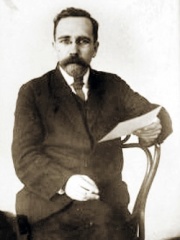
Lev Kamenev
1883 - 1936
HPI: 75.58
Rank: 1,060

Gyula Andrássy
1823 - 1890
HPI: 75.56
Rank: 1,061
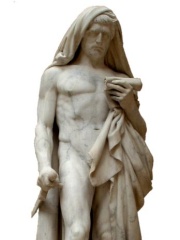
Cato the Younger
95 BC - 46 BC
HPI: 75.56
Rank: 1,062

Contemporaries
Among people born in 1315, Empress Gi ranks 1. After her are Bonne of Luxembourg, Orcagna, Louis V, Duke of Bavaria, Étienne Marcel, James III of Majorca, Chunghye of Goryeo, Irene Palaiologina of Trebizond, Muhammad IV of Granada, Basil of Trebizond, Constanza Manuel, and Eberhard II, Count of Württemberg. Among people deceased in 1369, Empress Gi ranks 2. Before her is Philippa of Hainault. After her are Peter of Castile, Peter I of Cyprus, Margaret, Countess of Tyrol, Magnus I, Duke of Brunswick-Lüneburg, Uthong, William II, Duke of Brunswick-Lüneburg, and Guido Gonzaga.
Others Born in 1315
Go to all RankingsEmpress Gi
POLITICIAN
1315 - 1369
HPI: 75.60
Rank: 1
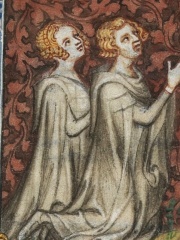
Bonne of Luxembourg
POLITICIAN
1315 - 1349
HPI: 72.43
Rank: 2
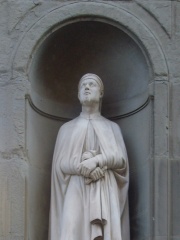
Orcagna
PAINTER
1315 - 1368
HPI: 67.02
Rank: 3
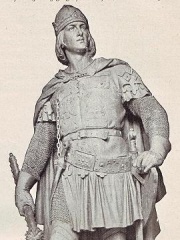
Louis V, Duke of Bavaria
POLITICIAN
1315 - 1361
HPI: 66.25
Rank: 4
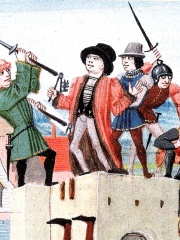
Étienne Marcel
POLITICIAN
1315 - 1358
HPI: 65.74
Rank: 5

James III of Majorca
POLITICIAN
1315 - 1349
HPI: 65.47
Rank: 6

Chunghye of Goryeo
POLITICIAN
1315 - 1344
HPI: 64.85
Rank: 7
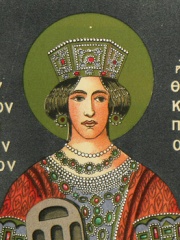
Irene Palaiologina of Trebizond
1315 - 1341
HPI: 64.32
Rank: 8
Muhammad IV of Granada
POLITICIAN
1315 - 1333
HPI: 63.86
Rank: 9
Basil of Trebizond
POLITICIAN
1315 - 1340
HPI: 63.83
Rank: 10
Constanza Manuel
POLITICIAN
1315 - 1345
HPI: 61.69
Rank: 11

Eberhard II, Count of Württemberg
POLITICIAN
1315 - 1392
HPI: 59.88
Rank: 12
Others Deceased in 1369
Go to all Rankings
Philippa of Hainault
COMPANION
1314 - 1369
HPI: 77.09
Rank: 1
Empress Gi
POLITICIAN
1315 - 1369
HPI: 75.60
Rank: 2
Peter of Castile
POLITICIAN
1334 - 1369
HPI: 73.17
Rank: 3
Peter I of Cyprus
POLITICIAN
1328 - 1369
HPI: 66.01
Rank: 4
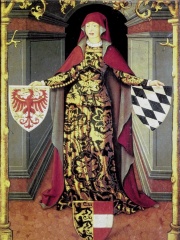
Margaret, Countess of Tyrol
POLITICIAN
1318 - 1369
HPI: 65.89
Rank: 5

Magnus I, Duke of Brunswick-Lüneburg
NOBLEMAN
1304 - 1369
HPI: 65.42
Rank: 6
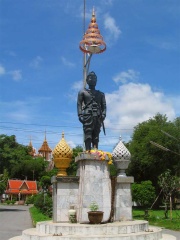
Uthong
POLITICIAN
1314 - 1369
HPI: 63.29
Rank: 7
William II, Duke of Brunswick-Lüneburg
POLITICIAN
1300 - 1369
HPI: 58.96
Rank: 8

Guido Gonzaga
POLITICIAN
1290 - 1369
HPI: 57.44
Rank: 9
In 韓国
Among people born in 韓国, Empress Gi ranks 16 out of NaN. Before her are Ban Ki-moon (1944), Roh Moo-hyun (1946), Jeongjo of Joseon (1752), Gojong of Korea (1852), Park Geun-hye (1952), and Lee Byung-chul (1910). After her are Roh Tae-woo (1932), Kim Young-sam (1927), Sunjong of Korea (1874), Yun Posun (1897), Yeongjo of Joseon (1694), and Sukjong of Joseon (1661).
Others born in 韓国
Go to all Rankings
Ban Ki-moon
DIPLOMAT
1944 - Present
HPI: 76.80
Rank: 10
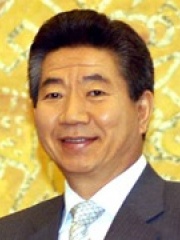
Roh Moo-hyun
POLITICIAN
1946 - 2009
HPI: 76.65
Rank: 11
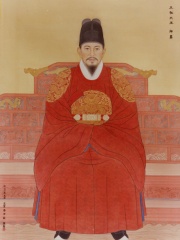
Jeongjo of Joseon
POLITICIAN
1752 - 1800
HPI: 76.44
Rank: 12
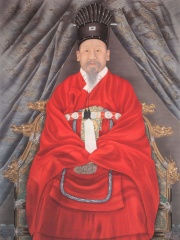
Gojong of Korea
POLITICIAN
1852 - 1919
HPI: 76.40
Rank: 13
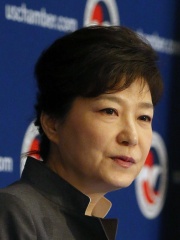
Park Geun-hye
POLITICIAN
1952 - Present
HPI: 76.28
Rank: 14
Lee Byung-chul
BUSINESSPERSON
1910 - 1987
HPI: 75.89
Rank: 15
Empress Gi
POLITICIAN
1315 - 1369
HPI: 75.60
Rank: 16
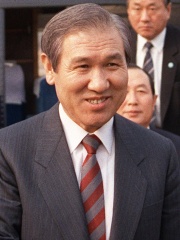
Roh Tae-woo
POLITICIAN
1932 - 2021
HPI: 75.38
Rank: 17
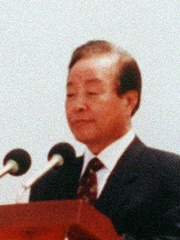
Kim Young-sam
POLITICIAN
1927 - 2015
HPI: 75.34
Rank: 18
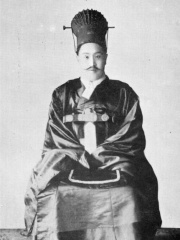
Sunjong of Korea
POLITICIAN
1874 - 1926
HPI: 75.28
Rank: 19
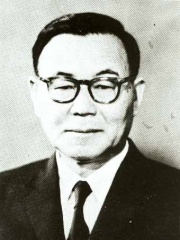
Yun Posun
POLITICIAN
1897 - 1990
HPI: 75.23
Rank: 20
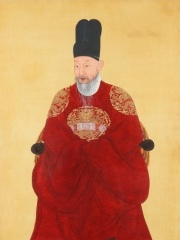
Yeongjo of Joseon
POLITICIAN
1694 - 1776
HPI: 75.21
Rank: 21
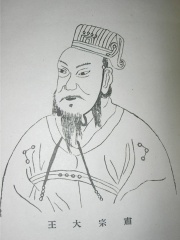
Sukjong of Joseon
POLITICIAN
1661 - 1720
HPI: 75.04
Rank: 22
Among 政治家 In 韓国
Among 政治家 born in 韓国, Empress Gi ranks 13. Before her are Moon Jae-in (1953), Chun Doo-hwan (1931), Roh Moo-hyun (1946), Jeongjo of Joseon (1752), Gojong of Korea (1852), and Park Geun-hye (1952). After her are Roh Tae-woo (1932), Kim Young-sam (1927), Sunjong of Korea (1874), Yun Posun (1897), Yeongjo of Joseon (1694), and Sukjong of Joseon (1661).
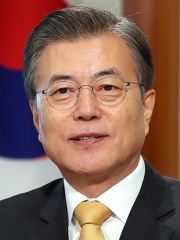
Moon Jae-in
1953 - Present
HPI: 77.26
Rank: 7
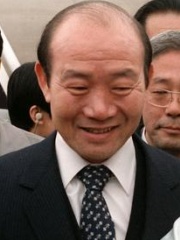
Chun Doo-hwan
1931 - 2021
HPI: 77.25
Rank: 8
Roh Moo-hyun
1946 - 2009
HPI: 76.65
Rank: 9
Jeongjo of Joseon
1752 - 1800
HPI: 76.44
Rank: 10
Gojong of Korea
1852 - 1919
HPI: 76.40
Rank: 11
Park Geun-hye
1952 - Present
HPI: 76.28
Rank: 12
Empress Gi
1315 - 1369
HPI: 75.60
Rank: 13
Roh Tae-woo
1932 - 2021
HPI: 75.38
Rank: 14
Kim Young-sam
1927 - 2015
HPI: 75.34
Rank: 15
Sunjong of Korea
1874 - 1926
HPI: 75.28
Rank: 16
Yun Posun
1897 - 1990
HPI: 75.23
Rank: 17
Yeongjo of Joseon
1694 - 1776
HPI: 75.21
Rank: 18
Sukjong of Joseon
1661 - 1720
HPI: 75.04
Rank: 19