哲学者
Eknath
1533 - 1599
 Eknath
Memorability Metrics
Page views of Eknath by language
Among 哲学者
Among 哲学者, Eknath ranks 809 out of 1,267. Before him are Axiothea of Phlius, Ludovico Antonio Muratori, Friedrich Adolf Trendelenburg, Isaac Israeli ben Solomon, Hayashi Razan, and Wonhyo. After him are Friedrich Pollock, Joseph Albo, Benito Jerónimo Feijóo y Montenegro, Vincenzo Gioberti, Volin, and Vladimir Jankélévitch.
Most Popular 哲学者 in Wikipedia
Go to all Rankings

Axiothea of Phlius
400 BC - 400 BC
HPI: 61.88
Rank: 803
Ludovico Antonio Muratori
1672 - 1750
HPI: 61.88
Rank: 804
Friedrich Adolf Trendelenburg
1802 - 1872
HPI: 61.86
Rank: 805
Isaac Israeli ben Solomon
832 - Present
HPI: 61.86
Rank: 806

Hayashi Razan
1583 - 1657
HPI: 61.86
Rank: 807
Wonhyo
617 - 686
HPI: 61.86
Rank: 808
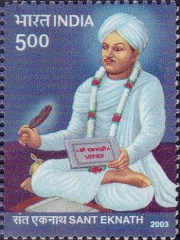
Eknath
1533 - 1599
HPI: 61.83
Rank: 809

Friedrich Pollock
1894 - 1970
HPI: 61.83
Rank: 810

Joseph Albo
1380 - 1444
HPI: 61.77
Rank: 811
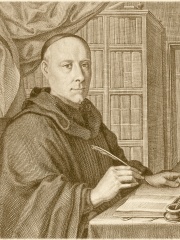
Benito Jerónimo Feijóo y Montenegro
1676 - 1764
HPI: 61.77
Rank: 812
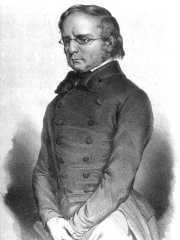
Vincenzo Gioberti
1801 - 1852
HPI: 61.74
Rank: 813
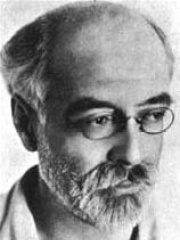
Volin
1882 - 1945
HPI: 61.72
Rank: 814
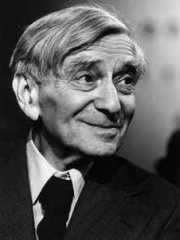
Vladimir Jankélévitch
1903 - 1985
HPI: 61.70
Rank: 815

Contemporaries
Among people born in 1533, Eknath ranks 20. Before him are Claudio Merulo, Hieronymus Fabricius, Alonso de Ercilla, Antonio Possevino, Joachim Beuckelaer, and Cornelis Cort. After him are Anna van Egmont, Ōmura Sumitada, Asakura Yoshikage, Valentin Weigel, and David Rizzio. Among people deceased in 1599, Eknath ranks 11. Before him are Maeda Toshiie, Andrew Báthory, Cornelis de Houtman, Chōsokabe Motochika, Chand Bibi, and Menocchio. After him are Archduchess Catherine Renata of Austria, Francisco Guerrero, Edzard II, Count of East Frisia, Simone Peterzano, Antoine Caron, and Pedro da Fonseca.
Others Born in 1533
Go to all Rankings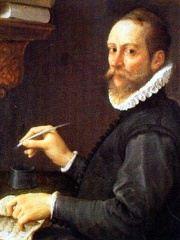
Claudio Merulo
COMPOSER
1533 - 1604
HPI: 64.05
Rank: 14
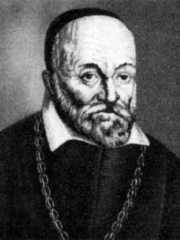
Hieronymus Fabricius
PHYSICIAN
1533 - 1619
HPI: 64.04
Rank: 15
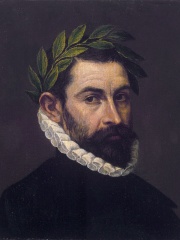
Alonso de Ercilla
WRITER
1533 - 1594
HPI: 63.77
Rank: 16
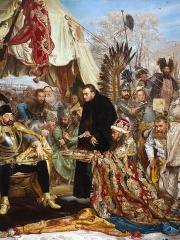
Antonio Possevino
POLITICIAN
1533 - 1611
HPI: 63.48
Rank: 17
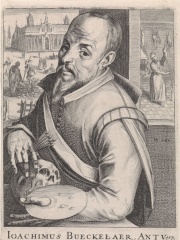
Joachim Beuckelaer
PAINTER
1533 - 1573
HPI: 62.53
Rank: 18
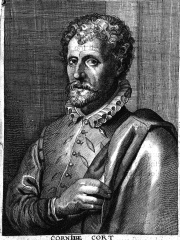
Cornelis Cort
PAINTER
1533 - 1578
HPI: 61.84
Rank: 19
Eknath
PHILOSOPHER
1533 - 1599
HPI: 61.83
Rank: 20
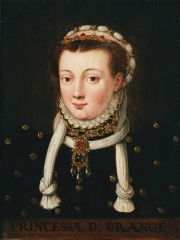
Anna van Egmont
POLITICIAN
1533 - 1558
HPI: 61.55
Rank: 21
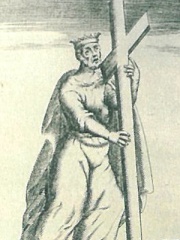
Ōmura Sumitada
POLITICIAN
1533 - 1587
HPI: 61.51
Rank: 22
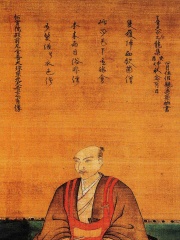
Asakura Yoshikage
POLITICIAN
1533 - 1573
HPI: 60.28
Rank: 23
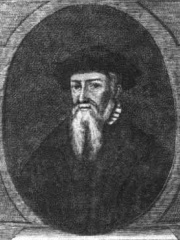
Valentin Weigel
PHILOSOPHER
1533 - 1588
HPI: 60.07
Rank: 24
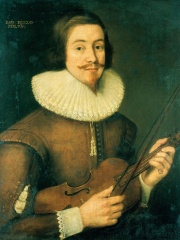
David Rizzio
NOBLEMAN
1533 - 1566
HPI: 59.37
Rank: 25
Others Deceased in 1599
Go to all Rankings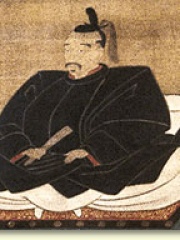
Maeda Toshiie
POLITICIAN
1538 - 1599
HPI: 66.42
Rank: 5

Andrew Báthory
POLITICIAN
1563 - 1599
HPI: 65.25
Rank: 6
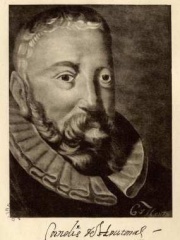
Cornelis de Houtman
EXPLORER
1565 - 1599
HPI: 64.72
Rank: 7
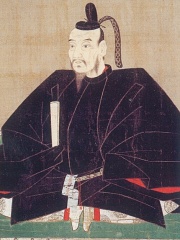
Chōsokabe Motochika
POLITICIAN
1539 - 1599
HPI: 63.09
Rank: 8
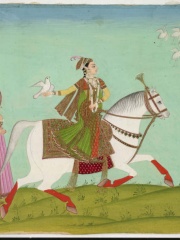
Chand Bibi
POLITICIAN
1550 - 1599
HPI: 63.09
Rank: 9

Menocchio
RELIGIOUS FIGURE
1532 - 1599
HPI: 62.79
Rank: 10
Eknath
PHILOSOPHER
1533 - 1599
HPI: 61.83
Rank: 11
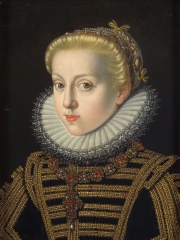
Archduchess Catherine Renata of Austria
NOBLEMAN
1576 - 1599
HPI: 61.62
Rank: 12
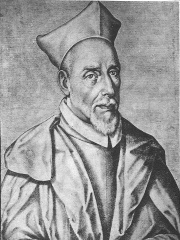
Francisco Guerrero
COMPOSER
1528 - 1599
HPI: 61.55
Rank: 13
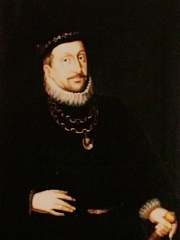
Edzard II, Count of East Frisia
POLITICIAN
1532 - 1599
HPI: 61.11
Rank: 14
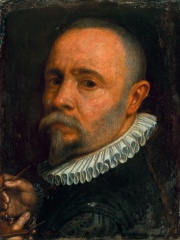
Simone Peterzano
PAINTER
1540 - 1599
HPI: 60.83
Rank: 15
Antoine Caron
PAINTER
1521 - 1599
HPI: 60.41
Rank: 16
Pedro da Fonseca
PHILOSOPHER
1528 - 1599
HPI: 59.04
Rank: 17
In インド
Among people born in インド, Eknath ranks 346 out of NaN. Before him are Amrapali (-450), Sikandar Jah (1768), Lindsay Anderson (1923), Narayana Guru (1855), Girija Prasad Koirala (1924), and Inayat Khan (1882). After him are Mala Sinha (1936), Rani Durgavati (1524), Nargis (1929), Aruna Shanbaug case (1948), Ranbir Kapoor (1982), and Wahiduddin Khan (1925).
Others born in インド
Go to all Rankings
Amrapali
POLITICIAN
450 BC - Present
HPI: 61.95
Rank: 340
Sikandar Jah
POLITICIAN
1768 - 1829
HPI: 61.93
Rank: 341
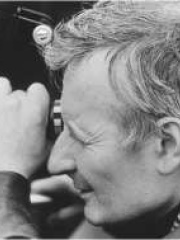
Lindsay Anderson
FILM DIRECTOR
1923 - 1994
HPI: 61.89
Rank: 342
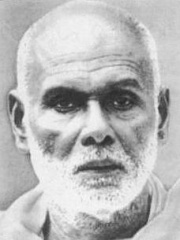
Narayana Guru
PHILOSOPHER
1855 - 1928
HPI: 61.88
Rank: 343
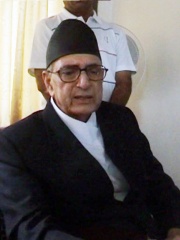
Girija Prasad Koirala
POLITICIAN
1924 - 2010
HPI: 61.88
Rank: 344
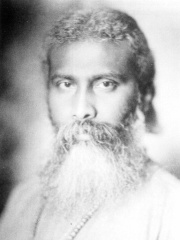
Inayat Khan
RELIGIOUS FIGURE
1882 - 1927
HPI: 61.88
Rank: 345
Eknath
PHILOSOPHER
1533 - 1599
HPI: 61.83
Rank: 346
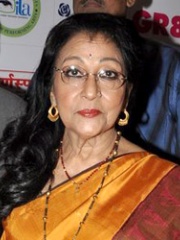
Mala Sinha
ACTOR
1936 - Present
HPI: 61.81
Rank: 347
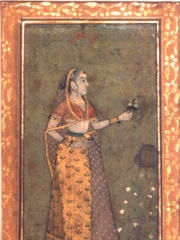
Rani Durgavati
POLITICIAN
1524 - 1564
HPI: 61.77
Rank: 348
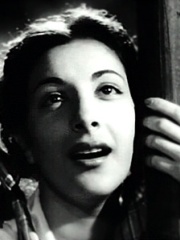
Nargis
ACTOR
1929 - 1981
HPI: 61.76
Rank: 349
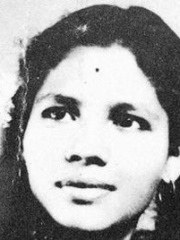
Aruna Shanbaug case
SOCIAL ACTIVIST
1948 - 2015
HPI: 61.75
Rank: 350

Ranbir Kapoor
ACTOR
1982 - Present
HPI: 61.72
Rank: 351
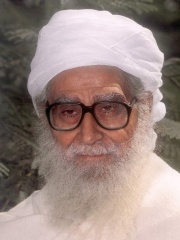
Wahiduddin Khan
RELIGIOUS FIGURE
1925 - 2021
HPI: 61.71
Rank: 352
Among 哲学者 In インド
Among 哲学者 born in インド, Eknath ranks 34. Before him are Hemachandra (1089), Ravidas (1450), Vallabha (1479), Thiruvalluvar (350), Nisargadatta Maharaj (1897), and Narayana Guru (1855). After him are Rishabhanatha (null), Kumārila Bhaṭṭa (700), Jaimini (-390), Debendranath Tagore (1817), Sarada Devi (1853), and Keshub Chandra Sen (1838).

Hemachandra
1089 - 1172
HPI: 64.00
Rank: 28
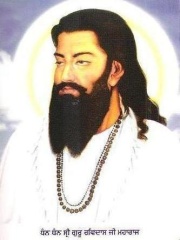
Ravidas
1450 - 1520
HPI: 63.85
Rank: 29
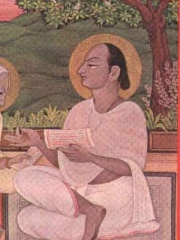
Vallabha
1479 - 1531
HPI: 63.23
Rank: 30
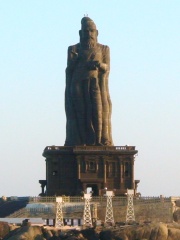
Thiruvalluvar
350 - 351
HPI: 62.34
Rank: 31
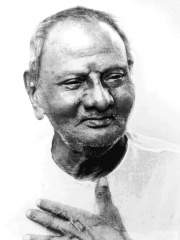
Nisargadatta Maharaj
1897 - 1981
HPI: 62.04
Rank: 32
Narayana Guru
1855 - 1928
HPI: 61.88
Rank: 33
Eknath
1533 - 1599
HPI: 61.83
Rank: 34
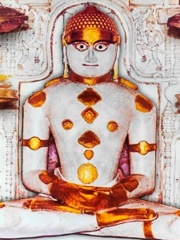
Rishabhanatha
HPI: 61.40
Rank: 35

Kumārila Bhaṭṭa
700 - 700
HPI: 61.09
Rank: 36

Jaimini
390 BC - Present
HPI: 60.42
Rank: 37
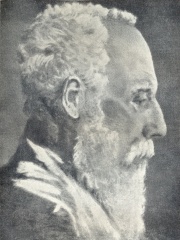
Debendranath Tagore
1817 - 1905
HPI: 59.69
Rank: 38
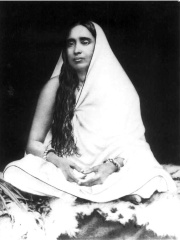
Sarada Devi
1853 - 1920
HPI: 59.61
Rank: 39
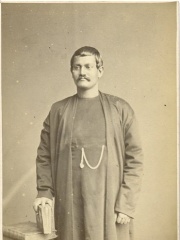
Keshub Chandra Sen
1838 - 1884
HPI: 59.58
Rank: 40