作家
アプレイウス
125 - 170
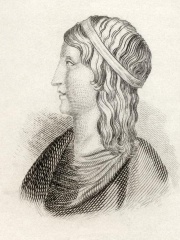
 アプレイウス
アプレイウス(羅: Lucius Apuleius Madaurensis, 123年頃 - ?)は、北アフリカ・マダウロス出身の帝政ローマの弁論作家。名前は長音表記ではアープレーイウス(ルーキウス・アープレーイウス)またはアープレイユスとなる。奇想天外な小説や極端に技巧的な弁論文によって名声を博した。著作に『黄金の驢馬』など。 ウィキペディアで詳細を読む
His biography is available in 72 different languages on Wikipedia. アプレイウス is the 128th most popular 作家 (down from 111th in 2024), the 4th most popular biography from Algeria (down from 3rd in 2019) and the 2nd most popular Algerian 作家.
Apuleius is most famous for writing the novel The Golden Ass, which tells the story of a man who is turned into an ass and then transformed back into a human.
Memorability Metrics
Page views of アプレイウス by language
Among 作家
Among 作家, アプレイウス ranks 128 out of 7,302. Before him are Federico García Lorca, Muhammad Iqbal, Ivo Andrić, Naguib Mahfouz, Jane Austen, and Ammianus Marcellinus. After him are Sully Prudhomme, Jean de La Fontaine, Ezra Pound, François Villon, Günter Grass, and Haruki Murakami.
Most Popular 作家 in Wikipedia
Go to all Rankings

Federico García Lorca
1898 - 1936
HPI: 80.92
Rank: 122
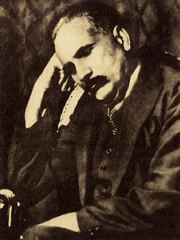
Muhammad Iqbal
1877 - 1938
HPI: 80.65
Rank: 123

Ivo Andrić
1892 - 1975
HPI: 80.64
Rank: 124

Naguib Mahfouz
1911 - 2006
HPI: 80.63
Rank: 125
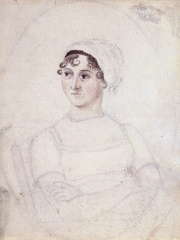
Jane Austen
1775 - 1817
HPI: 80.62
Rank: 126
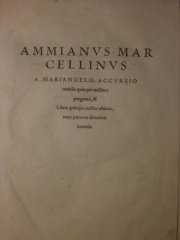
Ammianus Marcellinus
330 - 395
HPI: 80.61
Rank: 127
Apuleius
125 - 170
HPI: 80.60
Rank: 128
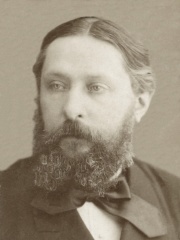
Sully Prudhomme
1839 - 1907
HPI: 80.51
Rank: 129
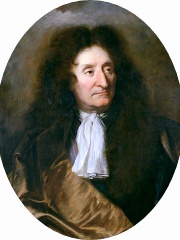
Jean de La Fontaine
1621 - 1695
HPI: 80.50
Rank: 130
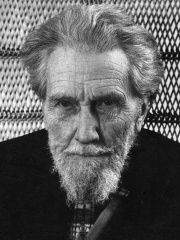
Ezra Pound
1885 - 1972
HPI: 80.47
Rank: 131
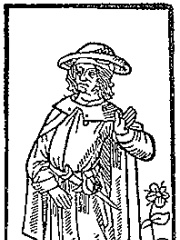
François Villon
1431 - 1463
HPI: 80.47
Rank: 132

Günter Grass
1927 - 2015
HPI: 80.42
Rank: 133

Haruki Murakami
1949 - Present
HPI: 80.40
Rank: 134

Contemporaries
Among people born in 125, アプレイウス ranks 1. After him are Faustina the Younger, and Polycrates of Ephesus. Among people deceased in 170, アプレイウス ranks 2. Before him is Ptolemy. After him are Salvius Julianus, Junius Rusticus, and Alexander of Abonoteichus.
Others Born in 125
Go to all RankingsApuleius
WRITER
125 - 170
HPI: 80.60
Rank: 1
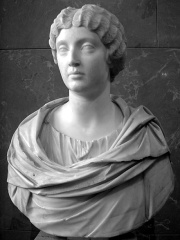
Faustina the Younger
POLITICIAN
125 - 175
HPI: 71.53
Rank: 2

Polycrates of Ephesus
RELIGIOUS FIGURE
125 - 196
HPI: 56.55
Rank: 3
Others Deceased in 170
Go to all Rankings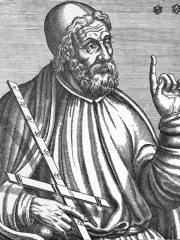
Ptolemy
ASTRONOMER
100 - 170
HPI: 87.07
Rank: 1
Apuleius
WRITER
125 - 170
HPI: 80.60
Rank: 2

Salvius Julianus
POLITICIAN
115 - 170
HPI: 63.83
Rank: 3
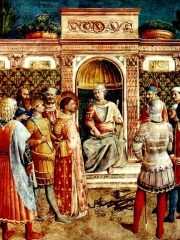
Junius Rusticus
POLITICIAN
100 - 170
HPI: 60.06
Rank: 4
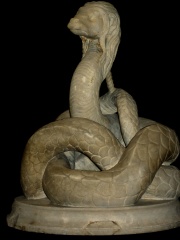
Alexander of Abonoteichus
WRITER
105 - 170
HPI: 57.19
Rank: 5
In Algeria
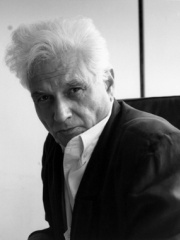
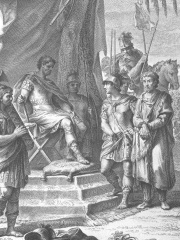
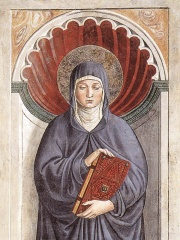
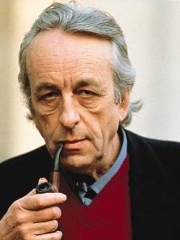
Among people born in Algeria, アプレイウス ranks 4 out of 213. Before him are Augustine of Hippo (354), Albert Camus (1913), and Macrinus (164). After him are Tariq ibn Ziyad (670), Jacques Derrida (1930), Yves Saint Laurent (1936), Jugurtha (-160), Saint Monica (332), Louis Althusser (1918), Édouard-Henri Avril (1849), and Ahmed Ben Bella (1916).
Others born in Algeria
Go to all Rankings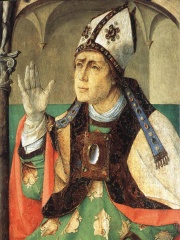
Augustine of Hippo
PHILOSOPHER
354 - 430
HPI: 90.39
Rank: 1
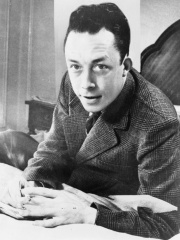
Albert Camus
WRITER
1913 - 1960
HPI: 86.77
Rank: 2
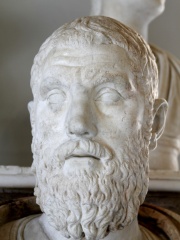
Macrinus
POLITICIAN
164 - 218
HPI: 81.02
Rank: 3
Apuleius
WRITER
125 - 170
HPI: 80.60
Rank: 4
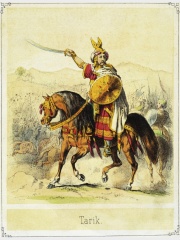
Tariq ibn Ziyad
MILITARY PERSONNEL
670 - 720
HPI: 79.15
Rank: 5
Jacques Derrida
PHILOSOPHER
1930 - 2004
HPI: 78.95
Rank: 6

Yves Saint Laurent
FASHION DESIGNER
1936 - 2008
HPI: 78.79
Rank: 7
Jugurtha
POLITICIAN
160 BC - 104 BC
HPI: 76.30
Rank: 8
Saint Monica
RELIGIOUS FIGURE
332 - 387
HPI: 75.84
Rank: 9
Louis Althusser
PHILOSOPHER
1918 - 1990
HPI: 75.82
Rank: 10
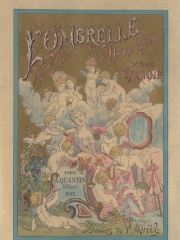
Édouard-Henri Avril
PAINTER
1849 - 1928
HPI: 74.17
Rank: 11
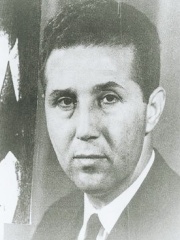
Ahmed Ben Bella
POLITICIAN
1916 - 2012
HPI: 74.11
Rank: 12
Among 作家 In Algeria
Among 作家 born in Algeria, アプレイウス ranks 2. Before him are Albert Camus (1913). After him are Hélène Cixous (1937), Bernard-Henri Lévy (1948), Assia Djebar (1936), Marcus Minucius Felix (110), Robert Merle (1908), Boualem Sansal (1949), Kateb Yacine (1929), Al-Busiri (1213), Isaac Alfasi (1013), and Mohammed Dib (1920).
Albert Camus
1913 - 1960
HPI: 86.77
Rank: 1
Apuleius
125 - 170
HPI: 80.60
Rank: 2

Hélène Cixous
1937 - Present
HPI: 68.36
Rank: 3
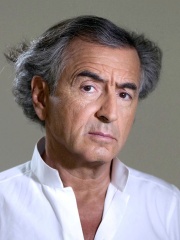
Bernard-Henri Lévy
1948 - Present
HPI: 67.63
Rank: 4

Assia Djebar
1936 - 2015
HPI: 67.24
Rank: 5

Marcus Minucius Felix
110 - 260
HPI: 67.16
Rank: 6
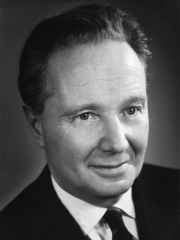
Robert Merle
1908 - 2004
HPI: 66.26
Rank: 7

Boualem Sansal
1949 - Present
HPI: 64.62
Rank: 8

Kateb Yacine
1929 - 1989
HPI: 63.11
Rank: 9

Al-Busiri
1213 - 1294
HPI: 62.37
Rank: 10
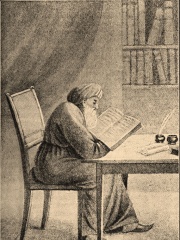
Isaac Alfasi
1013 - 1103
HPI: 61.99
Rank: 11
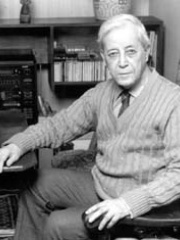
Mohammed Dib
1920 - 2003
HPI: 61.69
Rank: 12




