Matematico
Wendelin Werner
1968 - presente
IT.WIKIPEDIA PAGE VIEWS (PV)
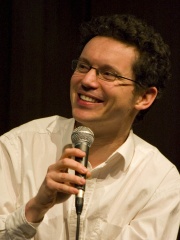
 Wendelin Werner
La sua biografia è disponibile in 35 lingue su Wikipedia (in aumento rispetto a 34 nel 2024). Wendelin Werner è il 787° matematico più popolare (in calo dal 772° nel 2024), la 4802ª biografia più popolare della Germania (in calo dal 4778ª nel 2019) e il 89° matematico più popolare della Germania.
Memorability Metrics
Page views of Wendelin Werner by language
Among Matematicos
Among matematicos, Wendelin Werner ranks 787 out of 1,004. Before him are E. T. Whittaker, Nikolai Chebotaryov, Yuri Linnik, Frank Morley, Giuseppe Vitali, and Daniel Lewin. After him are George Salmon, Dmitry Grave, Vladimir Voevodsky, Tadeusz Banachiewicz, Rudy Rucker, and Maryna Viazovska.
Most Popular Matematicos in Wikipedia
Go to all Rankings
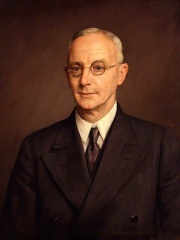
E. T. Whittaker
1873 - 1956
HPI: 55.61
Rank: 781
Nikolai Chebotaryov
1894 - 1947
HPI: 55.61
Rank: 782
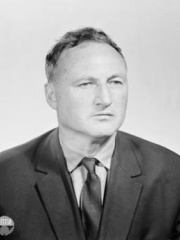
Yuri Linnik
1914 - 1972
HPI: 55.55
Rank: 783
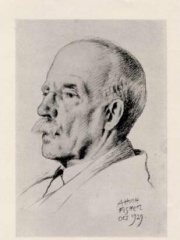
Frank Morley
1860 - 1937
HPI: 55.53
Rank: 784
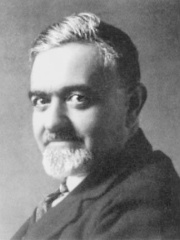
Giuseppe Vitali
1875 - 1932
HPI: 55.52
Rank: 785
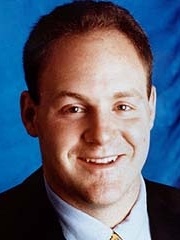
Daniel Lewin
1970 - 2001
HPI: 55.48
Rank: 786
Wendelin Werner
1968 - Present
HPI: 55.45
Rank: 787
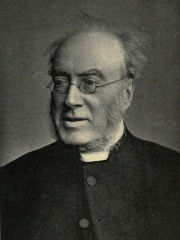
George Salmon
1819 - 1904
HPI: 55.43
Rank: 788
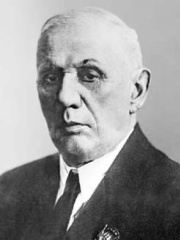
Dmitry Grave
1863 - 1939
HPI: 55.43
Rank: 789
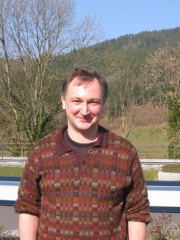
Vladimir Voevodsky
1966 - 2017
HPI: 55.32
Rank: 790
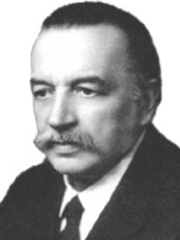
Tadeusz Banachiewicz
1882 - 1954
HPI: 55.25
Rank: 791

Rudy Rucker
1946 - Present
HPI: 55.23
Rank: 792
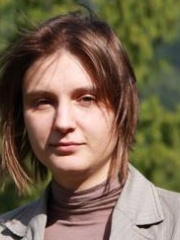
Maryna Viazovska
1984 - Present
HPI: 55.21
Rank: 793

Contemporaries
Among people born in 1968, Wendelin Werner ranks 220. Before him are Gianni Morbidelli, Oleh Tyahnybok, Princess Mabel of Orange-Nassau, Seth Gilliam, Katja K, and Yevgeny Shevchuk. After him are Molly Ringwald, Slaviša Jokanović, Zara Whites, Andreas Kisser, Vanessa Marcil, and Navid Negahban.
Others Born in 1968
Go to all Rankings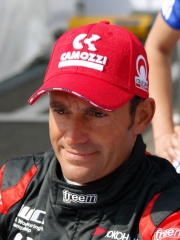
Gianni Morbidelli
RACING DRIVER
1968 - Present
HPI: 55.57
Rank: 214
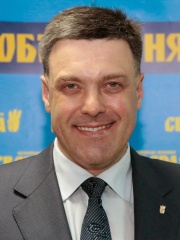
Oleh Tyahnybok
POLITICIAN
1968 - Present
HPI: 55.53
Rank: 215
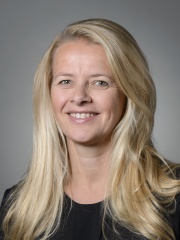
Princess Mabel of Orange-Nassau
POLITICIAN
1968 - Present
HPI: 55.53
Rank: 216
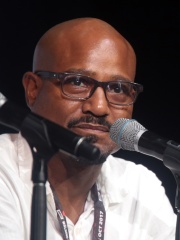
Seth Gilliam
ACTOR
1968 - Present
HPI: 55.51
Rank: 217
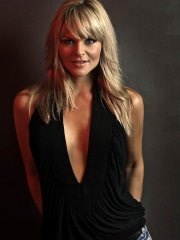
Katja K
PORNOGRAPHIC ACTOR
1968 - Present
HPI: 55.50
Rank: 218
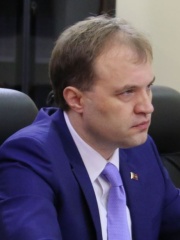
Yevgeny Shevchuk
POLITICIAN
1968 - Present
HPI: 55.48
Rank: 219
Wendelin Werner
MATHEMATICIAN
1968 - Present
HPI: 55.45
Rank: 220
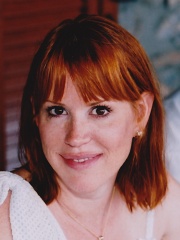
Molly Ringwald
ACTOR
1968 - Present
HPI: 55.43
Rank: 221

Slaviša Jokanović
SOCCER PLAYER
1968 - Present
HPI: 55.40
Rank: 222

Zara Whites
PORNOGRAPHIC ACTOR
1968 - Present
HPI: 55.40
Rank: 223
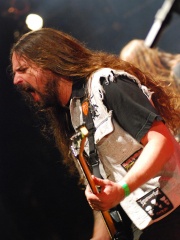
Andreas Kisser
MUSICIAN
1968 - Present
HPI: 55.38
Rank: 224

Vanessa Marcil
ACTOR
1968 - Present
HPI: 55.37
Rank: 225
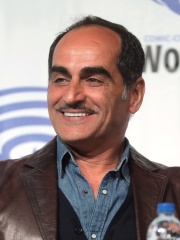
Navid Negahban
ACTOR
1968 - Present
HPI: 55.33
Rank: 226
In Germania
Among people born in Germania, Wendelin Werner ranks 4,805 out of NaN. Before him are Ulrich Matthes (1959), Marianne Hoppe (1909), Princess Marie of Hanover (1849), Paul Rudolf von Bilguer (1815), Johann August Ephraim Goeze (1731), and Siegmar Wätzlich (1947). After him are Gabriele Reinsch (1963), Klaus von Dohnanyi (1928), Ralph Kronig (1904), Heinrich Hax (1900), Francis Buchholz (1954), and Sarah Kirsch (1935).
Others born in Germania
Go to all Rankings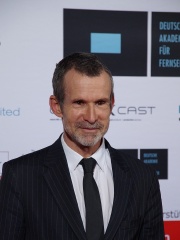
Ulrich Matthes
ACTOR
1959 - Present
HPI: 55.46
Rank: 4,799
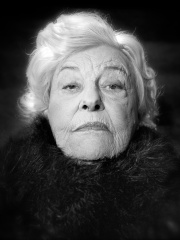
Marianne Hoppe
ACTOR
1909 - 2002
HPI: 55.46
Rank: 4,800
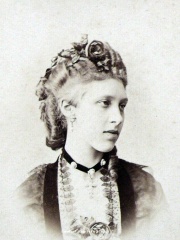
Princess Marie of Hanover
POLITICIAN
1849 - 1904
HPI: 55.46
Rank: 4,801
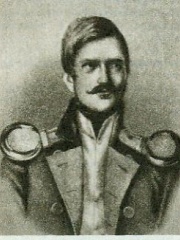
Paul Rudolf von Bilguer
POLITICIAN
1815 - 1840
HPI: 55.45
Rank: 4,802
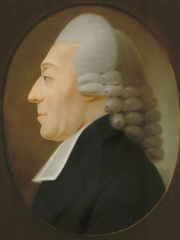
Johann August Ephraim Goeze
BIOLOGIST
1731 - 1793
HPI: 55.45
Rank: 4,803
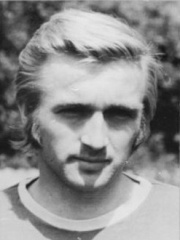
Siegmar Wätzlich
SOCCER PLAYER
1947 - 2019
HPI: 55.45
Rank: 4,804
Wendelin Werner
MATHEMATICIAN
1968 - Present
HPI: 55.45
Rank: 4,805
Gabriele Reinsch
ATHLETE
1963 - Present
HPI: 55.44
Rank: 4,806
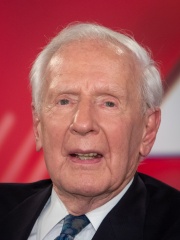
Klaus von Dohnanyi
POLITICIAN
1928 - Present
HPI: 55.44
Rank: 4,807
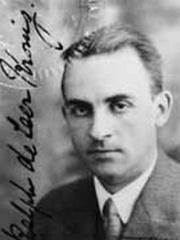
Ralph Kronig
PHYSICIST
1904 - 1995
HPI: 55.44
Rank: 4,808

Heinrich Hax
MILITARY PERSONNEL
1900 - 1969
HPI: 55.44
Rank: 4,809

Francis Buchholz
MUSICIAN
1954 - 2026
HPI: 55.43
Rank: 4,810
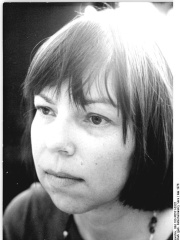
Sarah Kirsch
WRITER
1935 - 2013
HPI: 55.43
Rank: 4,811
Among Matematicos In Germania
Among matematicos born in Germania, Wendelin Werner ranks 89. Before him are Fritz Noether (1884), Wilhelm Killing (1847), Leonard Nelson (1882), Carl Hindenburg (1741), Johann Faulhaber (1580), and Christoph Gudermann (1798). After him are Oswald Teichmüller (1913), Paul du Bois-Reymond (1831), Hans Rademacher (1892), Friedrich Engel (1861), Oskar Perron (1880), and Erich Kähler (1906).
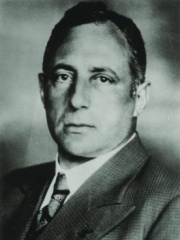
Fritz Noether
1884 - 1941
HPI: 56.87
Rank: 83
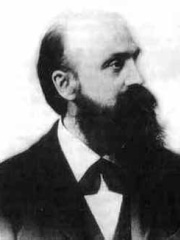
Wilhelm Killing
1847 - 1923
HPI: 56.37
Rank: 84
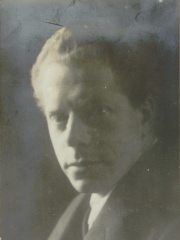
Leonard Nelson
1882 - 1927
HPI: 56.20
Rank: 85

Carl Hindenburg
1741 - 1808
HPI: 56.15
Rank: 86
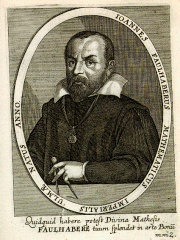
Johann Faulhaber
1580 - 1635
HPI: 56.07
Rank: 87

Christoph Gudermann
1798 - 1852
HPI: 55.69
Rank: 88
Wendelin Werner
1968 - Present
HPI: 55.45
Rank: 89
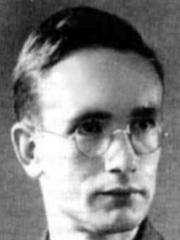
Oswald Teichmüller
1913 - 1943
HPI: 55.19
Rank: 90
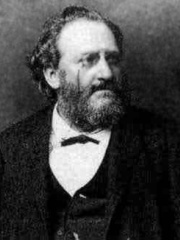
Paul du Bois-Reymond
1831 - 1889
HPI: 55.12
Rank: 91

Hans Rademacher
1892 - 1969
HPI: 54.47
Rank: 92
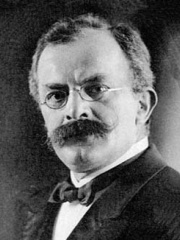
Friedrich Engel
1861 - 1941
HPI: 54.46
Rank: 93
Oskar Perron
1880 - 1975
HPI: 54.32
Rank: 94
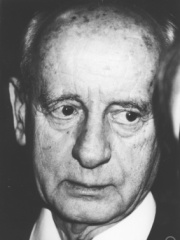
Erich Kähler
1906 - 2000
HPI: 54.29
Rank: 95