Matematico
Liu Hui
225 - 295
IT.WIKIPEDIA PAGE VIEWS (PV)
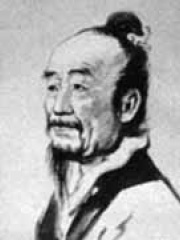
 Liu Hui
Liu Hui (Regno Wei, 220 circa – 280 circa) è stato un matematico cinese. Vissuto nel Regno Wei, nel 263 scrisse e pubblicò un libro con soluzioni a problemi matematici. Fu il primo ad utilizzare l'algoritmo oggi noto come metodo di eliminazione di Gauss. Leggi di più su Wikipedia
La sua biografia è disponibile in 36 lingue su Wikipedia (in aumento rispetto a 35 nel 2024). Liu Hui è il 136° matematico più popolare (in calo dal 128° nel 2024), la 189ª biografia più popolare della Cina (in aumento dal 237ª nel 2019) e il 2° matematico più popolare della Cina.
Memorability Metrics
Page views of Liu Hui by language
Among Matematicos
Among matematicos, Liu Hui ranks 136 out of 1,004. Before him are Maurice René Fréchet, Charles Hermite, Émile Borel, Theon of Alexandria, Andrew Wiles, and Meton of Athens. After him are Hermann Weyl, Hermann of Reichenau, Annie S. D. Maunder, Zu Chongzhi, Henri Lebesgue, and Ferdinand von Lindemann.
Most Popular Matematicos in Wikipedia
Go to all Rankings
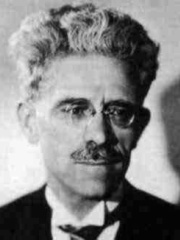
Maurice René Fréchet
1878 - 1973
HPI: 70.25
Rank: 130
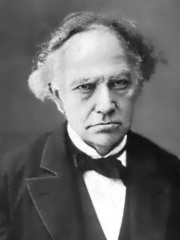
Charles Hermite
1822 - 1901
HPI: 70.19
Rank: 131
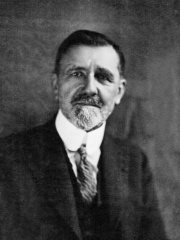
Émile Borel
1871 - 1956
HPI: 70.00
Rank: 132

Theon of Alexandria
335 - 405
HPI: 70.00
Rank: 133

Andrew Wiles
1953 - Present
HPI: 69.99
Rank: 134

Meton of Athens
500 BC - 460 BC
HPI: 69.92
Rank: 135
Liu Hui
225 - 295
HPI: 69.90
Rank: 136
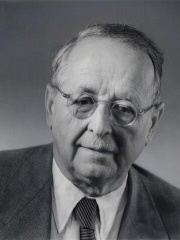
Hermann Weyl
1885 - 1955
HPI: 69.71
Rank: 137
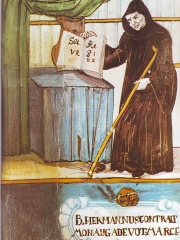
Hermann of Reichenau
1013 - 1054
HPI: 69.62
Rank: 138
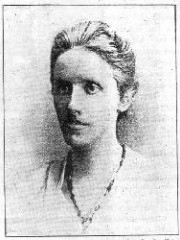
Annie S. D. Maunder
1868 - 1947
HPI: 69.62
Rank: 139

Zu Chongzhi
429 - 500
HPI: 69.57
Rank: 140
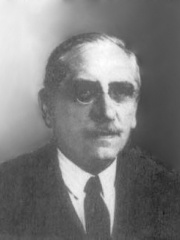
Henri Lebesgue
1875 - 1941
HPI: 69.44
Rank: 141
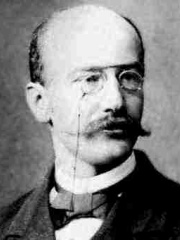
Ferdinand von Lindemann
1852 - 1939
HPI: 69.36
Rank: 142

Contemporaries
Among people born in 225, Liu Hui ranks 3. Before him are Saint Lawrence, and Gordian III. After him are Zhong Hui, Lady Triệu, and Tranquillina. Among people deceased in 295, Liu Hui ranks 1. After him are Saint Susanna, and Maximilian of Tebessa.
Others Born in 225
Go to all Rankings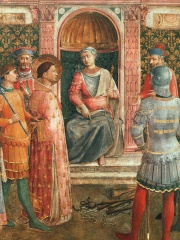
Saint Lawrence
RELIGIOUS FIGURE
225 - 258
HPI: 83.00
Rank: 1
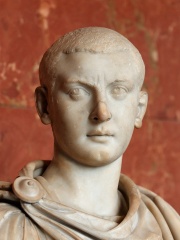
Gordian III
POLITICIAN
225 - 244
HPI: 77.14
Rank: 2
Liu Hui
MATHEMATICIAN
225 - 295
HPI: 69.90
Rank: 3
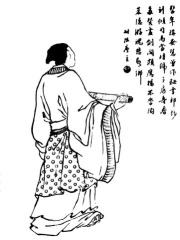
Zhong Hui
POLITICIAN
225 - 264
HPI: 65.78
Rank: 4

Lady Triệu
MILITARY PERSONNEL
225 - 248
HPI: 63.31
Rank: 5
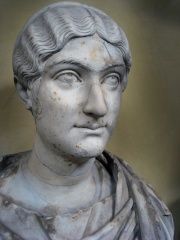
Tranquillina
COMPANION
225 - 244
HPI: 59.91
Rank: 6
Others Deceased in 295
Go to all RankingsLiu Hui
MATHEMATICIAN
225 - 295
HPI: 69.90
Rank: 1

Saint Susanna
RELIGIOUS FIGURE
280 - 295
HPI: 66.46
Rank: 2

Maximilian of Tebessa
RELIGIOUS FIGURE
274 - 295
HPI: 65.17
Rank: 3
In Cina
Among people born in Cina, Liu Hui ranks 189 out of NaN. Before him are Jayaatu Khan Tugh Temür (1304), Cao Xueqin (1724), Emperor Taizong of Song (939), King Wen of Zhou (-1112), Yuan Shu (155), and Ban Gu (32). After him are Benedict Anderson (1936), Ma Chao (176), Han Yu (768), Lin Zexu (1785), King Wu of Zhou (-1150), and Zhao Yun (168).
Others born in Cina
Go to all Rankings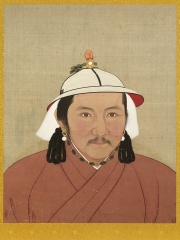
Jayaatu Khan Tugh Temür
POLITICIAN
1304 - 1332
HPI: 70.13
Rank: 183
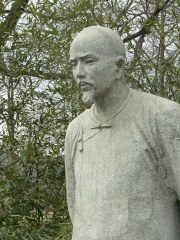
Cao Xueqin
WRITER
1724 - 1763
HPI: 70.07
Rank: 184
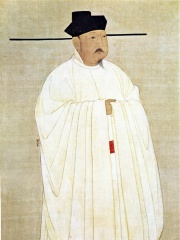
Emperor Taizong of Song
POLITICIAN
939 - 997
HPI: 70.02
Rank: 185
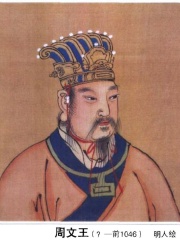
King Wen of Zhou
POLITICIAN
1112 BC - 1050 BC
HPI: 70.02
Rank: 186
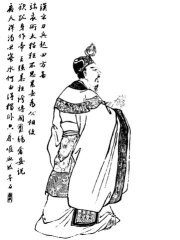
Yuan Shu
POLITICIAN
155 - 199
HPI: 69.92
Rank: 187
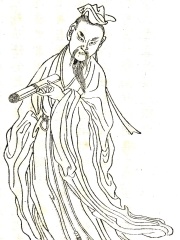
Ban Gu
WRITER
32 - 92
HPI: 69.92
Rank: 188
Liu Hui
MATHEMATICIAN
225 - 295
HPI: 69.90
Rank: 189

Benedict Anderson
POLITICAL SCIENTIST
1936 - 2015
HPI: 69.90
Rank: 190

Ma Chao
POLITICIAN
176 - 222
HPI: 69.84
Rank: 191
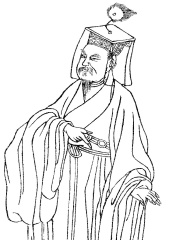
Han Yu
PHILOSOPHER
768 - 824
HPI: 69.83
Rank: 192
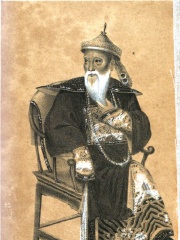
Lin Zexu
POLITICIAN
1785 - 1850
HPI: 69.83
Rank: 193
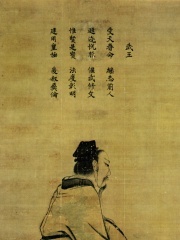
King Wu of Zhou
POLITICIAN
1150 BC - 1043 BC
HPI: 69.82
Rank: 194
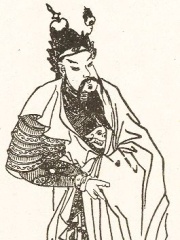
Zhao Yun
MILITARY PERSONNEL
168 - 229
HPI: 69.82
Rank: 195
Among Matematicos In Cina
Among matematicos born in Cina, Liu Hui ranks 2. Before him are Zhang Heng (78). After him are Zu Chongzhi (429), Wang Chong (27), Xu Guangqi (1562), Shing-Tung Yau (1949), Guo Shoujing (1231), Yi Xing (683), Liu Xin (-50), Shiing-Shen Chern (1911), Zhu Shijie (1249), and Qin Jiushao (1201).
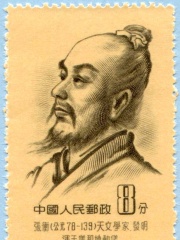
Zhang Heng
78 - 139
HPI: 73.62
Rank: 1
Liu Hui
225 - 295
HPI: 69.90
Rank: 2
Zu Chongzhi
429 - 500
HPI: 69.57
Rank: 3

Wang Chong
27 - 97
HPI: 68.45
Rank: 4
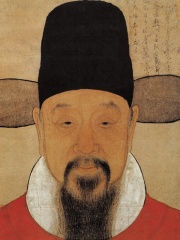
Xu Guangqi
1562 - 1633
HPI: 66.30
Rank: 5

Shing-Tung Yau
1949 - Present
HPI: 64.73
Rank: 6
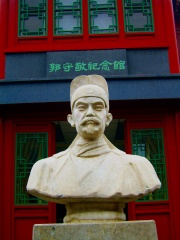
Guo Shoujing
1231 - 1316
HPI: 64.09
Rank: 7
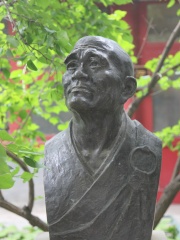
Yi Xing
683 - 727
HPI: 63.66
Rank: 8

Liu Xin
50 BC - 23
HPI: 63.40
Rank: 9
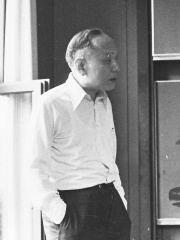
Shiing-Shen Chern
1911 - 2004
HPI: 63.11
Rank: 10
Zhu Shijie
1249 - 1314
HPI: 63.07
Rank: 11
Qin Jiushao
1201 - 1261
HPI: 62.34
Rank: 12