Escritor
Lucan
39 - 65
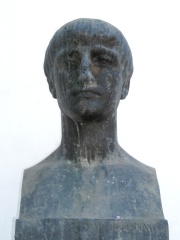
 Lucan
Lucan
Marco Anneo Lucano (Corduba, 39-Roma, 65) fue un poeta romano, de origen hispano, autor del poema épico Farsalia. Leer más en Wikipedia
His biography is available in 59 different languages on Wikipedia. Lucan is the 729th most popular escritor (down from 300th in 2024), the 218th most popular biography from Spain (down from 73rd in 2019) and the 23rd most popular Spanish Escritor.
Lucan is most famous for his poem "Pharsalia" which tells the story of the civil war between Julius Caesar and Pompey.
Memorability Metrics
Page views of Lucan by language
Among Escritors
Among escritors, Lucan ranks 729 out of 7,302. Before him are Pietro Bembo, Nikolay Chernyshevsky, Tirso de Molina, Ed McBain, Columella, and Theodore the Studite. After him are Jerry Falwell, Robert Burton, Clemens Brentano, Geoffrey of Monmouth, Abai Qunanbaiuly, and Judah Halevi.
Most Popular Escritors in Wikipedia
Go to all Rankings
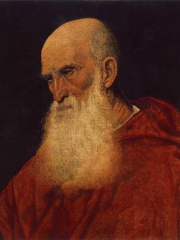
Pietro Bembo
1470 - 1547
HPI: 70.40
Rank: 723
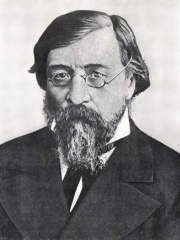
Nikolay Chernyshevsky
1828 - 1889
HPI: 70.40
Rank: 724
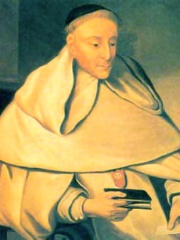
Tirso de Molina
1579 - 1648
HPI: 70.39
Rank: 725
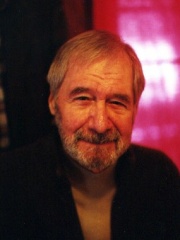
Ed McBain
1926 - 2005
HPI: 70.39
Rank: 726
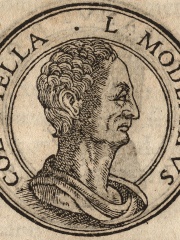
Columella
4 - 70
HPI: 70.39
Rank: 727
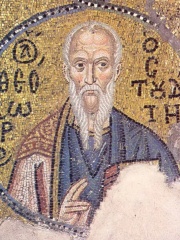
Theodore the Studite
759 - 826
HPI: 70.35
Rank: 728
Lucan
39 - 65
HPI: 70.35
Rank: 729
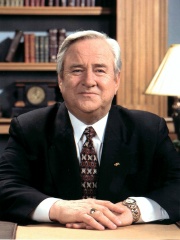
Jerry Falwell
1933 - 2007
HPI: 70.35
Rank: 730
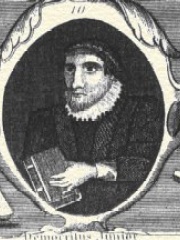
Robert Burton
1577 - 1640
HPI: 70.35
Rank: 731
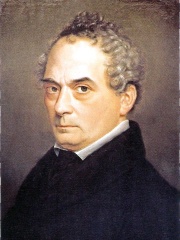
Clemens Brentano
1778 - 1842
HPI: 70.33
Rank: 732
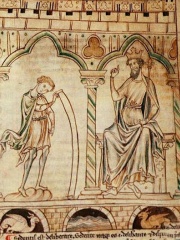
Geoffrey of Monmouth
1090 - 1155
HPI: 70.31
Rank: 733
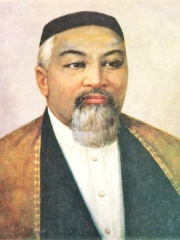
Abai Qunanbaiuly
1845 - 1904
HPI: 70.31
Rank: 734
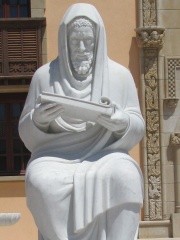
Judah Halevi
1079 - 1141
HPI: 70.30
Rank: 735

Contemporaries
Among people born in 39, Lucan ranks 1. After him is Julia Drusilla. Among people deceased in 65, Lucan ranks 4. Before him are Seneca the Younger, Poppaea Sabina, and Simon Magus. After him are Lucius Junius Gallio Annaeanus, and Gaius Calpurnius Piso.
Others Born in 39
Go to all Rankings
Others Deceased in 65
Go to all Rankings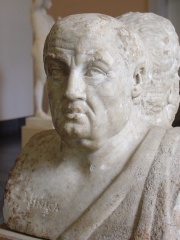
Seneca the Younger
PHILOSOPHER
4 BC - 65
HPI: 86.81
Rank: 1
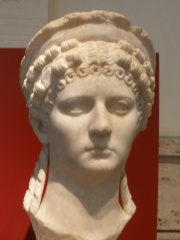
Poppaea Sabina
COMPANION
30 - 65
HPI: 72.57
Rank: 2
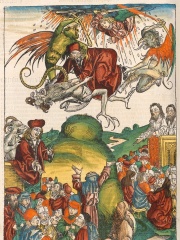
Simon Magus
RELIGIOUS FIGURE
50 - 65
HPI: 71.90
Rank: 3
Lucan
WRITER
39 - 65
HPI: 70.35
Rank: 4

Lucius Junius Gallio Annaeanus
POLITICIAN
3 BC - 65
HPI: 69.99
Rank: 5

Gaius Calpurnius Piso
POLITICIAN
50 - 65
HPI: 69.52
Rank: 6
In Spain
Among people born in Spain, Lucan ranks 218 out of 3,355. Before him are Penélope Cruz (1974), Columella (4), Mariano Rajoy (1955), John, Prince of Asturias (1478), Diego Velázquez de Cuéllar (1465), and Miguel Muñoz (1922). After him are Alfonso III of Asturias (848), Judah Halevi (1079), Eulalia of Mérida (290), Henry III of Castile (1379), Balthasar Charles, Prince of Asturias (1629), and Manuel Castells (1942).
Others born in Spain
Go to all Rankings
Penélope Cruz
ACTOR
1974 - Present
HPI: 70.39
Rank: 212
Columella
WRITER
4 - 70
HPI: 70.39
Rank: 213
Mariano Rajoy
POLITICIAN
1955 - Present
HPI: 70.38
Rank: 214
John, Prince of Asturias
POLITICIAN
1478 - 1497
HPI: 70.38
Rank: 215
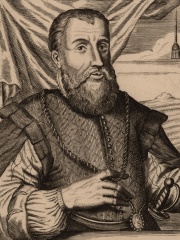
Diego Velázquez de Cuéllar
EXPLORER
1465 - 1524
HPI: 70.37
Rank: 216
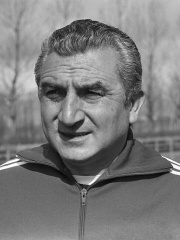
Miguel Muñoz
SOCCER PLAYER
1922 - 1990
HPI: 70.36
Rank: 217
Lucan
WRITER
39 - 65
HPI: 70.35
Rank: 218
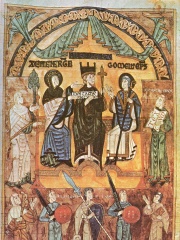
Alfonso III of Asturias
POLITICIAN
848 - 910
HPI: 70.34
Rank: 219
Judah Halevi
WRITER
1079 - 1141
HPI: 70.30
Rank: 220
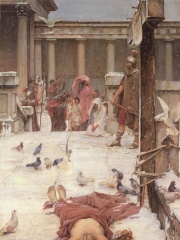
Eulalia of Mérida
RELIGIOUS FIGURE
290 - 304
HPI: 70.29
Rank: 221
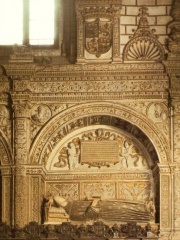
Henry III of Castile
POLITICIAN
1379 - 1406
HPI: 70.25
Rank: 222
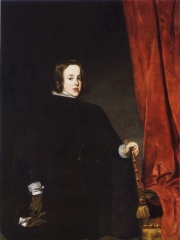
Balthasar Charles, Prince of Asturias
POLITICIAN
1629 - 1646
HPI: 70.21
Rank: 223
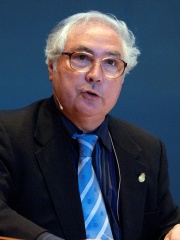
Manuel Castells
SOCIOLOGIST
1942 - Present
HPI: 70.08
Rank: 224
Among Escritors In Spain
Among escritors born in Spain, Lucan ranks 23. Before him are Francisco de Quevedo (1584), Vicente Aleixandre (1898), Luis de Góngora (1561), Leo Africanus (1494), Tirso de Molina (1579), and Columella (4). After him are Judah Halevi (1079), Joseph of Anchieta (1534), Antonio Machado (1875), Mercè Rodoreda (1908), Prudentius (348), and Vicente Blasco Ibáñez (1867).
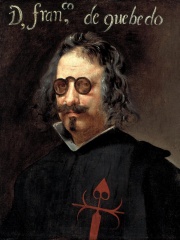
Francisco de Quevedo
1584 - 1645
HPI: 71.34
Rank: 17
Vicente Aleixandre
1898 - 1984
HPI: 71.07
Rank: 18
Luis de Góngora
1561 - 1627
HPI: 70.93
Rank: 19
Leo Africanus
1494 - 1554
HPI: 70.83
Rank: 20
Tirso de Molina
1579 - 1648
HPI: 70.39
Rank: 21
Columella
4 - 70
HPI: 70.39
Rank: 22
Lucan
39 - 65
HPI: 70.35
Rank: 23
Judah Halevi
1079 - 1141
HPI: 70.30
Rank: 24
Joseph of Anchieta
1534 - 1597
HPI: 69.43
Rank: 25
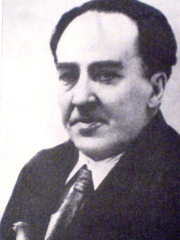
Antonio Machado
1875 - 1939
HPI: 69.23
Rank: 26
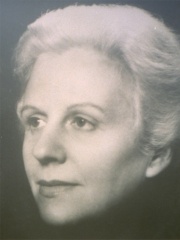
Mercè Rodoreda
1908 - 1983
HPI: 68.70
Rank: 27
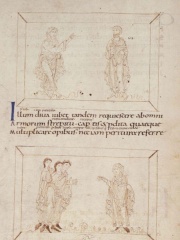
Prudentius
348 - 413
HPI: 68.49
Rank: 28
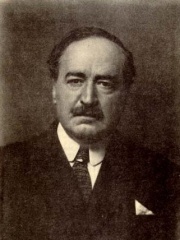
Vicente Blasco Ibáñez
1867 - 1928
HPI: 68.43
Rank: 29