Writer
Columella
4 - 70
EN.WIKIPEDIA PAGE VIEWS (PV)
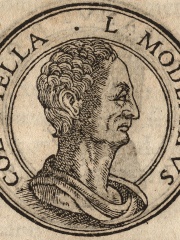
 Columella
Columella, meaning little column, may refer to: Read more on Wikipedia
His biography is available in 36 different languages on Wikipedia. Columella is the 727th most popular writer (down from 608th in 2024), the 213th most popular biography from Spain (down from 177th in 2019) and the 22nd most popular Spanish Writer.
The columella is most famous for its role in the formation of the nasal septum.
Memorability Metrics
Page views of Columella by language
Among Writers
Among writers, Columella ranks 727 out of 7,302. Before him are Jean Anthelme Brillat-Savarin, Witold Gombrowicz, Pietro Bembo, Nikolay Chernyshevsky, Tirso de Molina, and Ed McBain. After him are Theodore the Studite, Lucan, Jerry Falwell, Robert Burton, Clemens Brentano, and Geoffrey of Monmouth.
Most Popular Writers in Wikipedia
Go to all Rankings
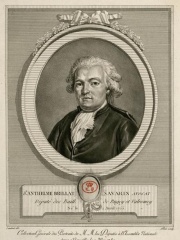
Jean Anthelme Brillat-Savarin
1755 - 1826
HPI: 70.41
Rank: 721
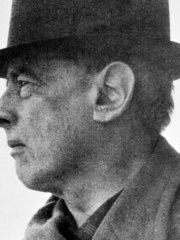
Witold Gombrowicz
1904 - 1969
HPI: 70.40
Rank: 722
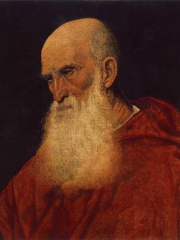
Pietro Bembo
1470 - 1547
HPI: 70.40
Rank: 723
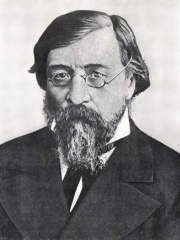
Nikolay Chernyshevsky
1828 - 1889
HPI: 70.40
Rank: 724
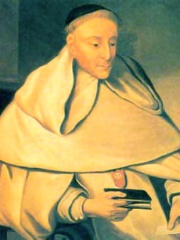
Tirso de Molina
1579 - 1648
HPI: 70.39
Rank: 725
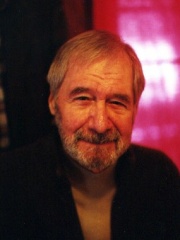
Ed McBain
1926 - 2005
HPI: 70.39
Rank: 726
Columella
4 - 70
HPI: 70.39
Rank: 727
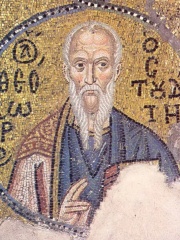
Theodore the Studite
759 - 826
HPI: 70.35
Rank: 728
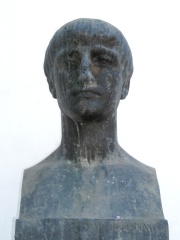
Lucan
39 - 65
HPI: 70.35
Rank: 729
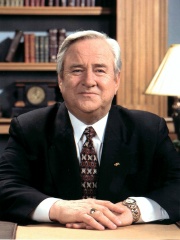
Jerry Falwell
1933 - 2007
HPI: 70.35
Rank: 730
Robert Burton
1577 - 1640
HPI: 70.35
Rank: 731
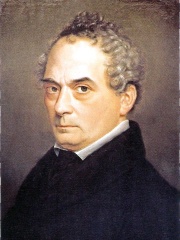
Clemens Brentano
1778 - 1842
HPI: 70.33
Rank: 732
Geoffrey of Monmouth
1090 - 1155
HPI: 70.31
Rank: 733

Contemporaries
Among people born in 4, Columella ranks 1. After him is Daemusin of Goguryeo. Among people deceased in 70, Columella ranks 3. Before him are Andrew the Apostle, and Jude the Apostle. After him are Emperor Suinin, Yohanan ben Zakkai, and Simon bar Giora.
Others Born in 4
Go to all Rankings
Others Deceased in 70
Go to all Rankings
Andrew the Apostle
RELIGIOUS FIGURE
6 BC - 70
HPI: 89.10
Rank: 1
Jude the Apostle
RELIGIOUS FIGURE
15 - 70
HPI: 81.66
Rank: 2
Columella
WRITER
4 - 70
HPI: 70.39
Rank: 3
Emperor Suinin
POLITICIAN
69 BC - 70
HPI: 68.89
Rank: 4

Yohanan ben Zakkai
RELIGIOUS FIGURE
50 - 70
HPI: 63.81
Rank: 5

Simon bar Giora
SOCIAL ACTIVIST
100 - 70
HPI: 61.73
Rank: 6
In Spain
Among people born in Spain, Columella ranks 213 out of 3,355. Before him are John I of Castile (1358), Alfonso IX of León (1171), Ferdinand I of León (1016), Almanzor (930), Tirso de Molina (1579), and Penélope Cruz (1974). After him are Mariano Rajoy (1955), John, Prince of Asturias (1478), Diego Velázquez de Cuéllar (1465), Miguel Muñoz (1922), Lucan (39), and Alfonso III of Asturias (848).
Others born in Spain
Go to all Rankings
John I of Castile
POLITICIAN
1358 - 1390
HPI: 70.51
Rank: 207
Alfonso IX of León
POLITICIAN
1171 - 1230
HPI: 70.51
Rank: 208
Ferdinand I of León
POLITICIAN
1016 - 1065
HPI: 70.48
Rank: 209
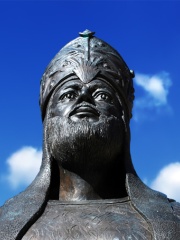
Almanzor
POLITICIAN
930 - 1002
HPI: 70.48
Rank: 210
Tirso de Molina
WRITER
1579 - 1648
HPI: 70.39
Rank: 211
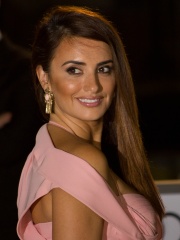
Penélope Cruz
ACTOR
1974 - Present
HPI: 70.39
Rank: 212
Columella
WRITER
4 - 70
HPI: 70.39
Rank: 213
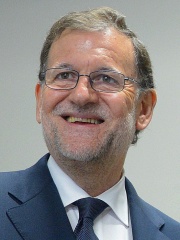
Mariano Rajoy
POLITICIAN
1955 - Present
HPI: 70.38
Rank: 214
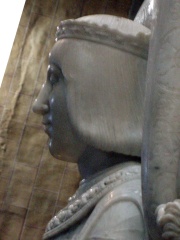
John, Prince of Asturias
POLITICIAN
1478 - 1497
HPI: 70.38
Rank: 215
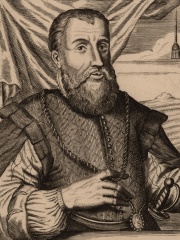
Diego Velázquez de Cuéllar
EXPLORER
1465 - 1524
HPI: 70.37
Rank: 216
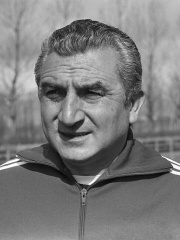
Miguel Muñoz
SOCCER PLAYER
1922 - 1990
HPI: 70.36
Rank: 217
Lucan
WRITER
39 - 65
HPI: 70.35
Rank: 218
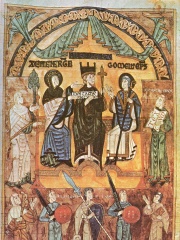
Alfonso III of Asturias
POLITICIAN
848 - 910
HPI: 70.34
Rank: 219
Among Writers In Spain
Among writers born in Spain, Columella ranks 22. Before him are Joan Fuster (1922), Francisco de Quevedo (1584), Vicente Aleixandre (1898), Luis de Góngora (1561), Leo Africanus (1494), and Tirso de Molina (1579). After him are Lucan (39), Judah Halevi (1079), Joseph of Anchieta (1534), Antonio Machado (1875), Mercè Rodoreda (1908), and Prudentius (348).
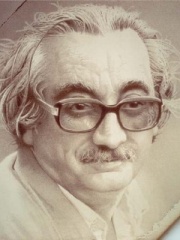
Joan Fuster
1922 - 1992
HPI: 71.38
Rank: 16
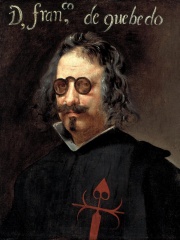
Francisco de Quevedo
1584 - 1645
HPI: 71.34
Rank: 17
Vicente Aleixandre
1898 - 1984
HPI: 71.07
Rank: 18
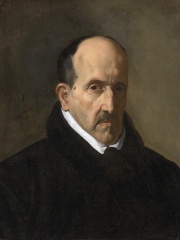
Luis de Góngora
1561 - 1627
HPI: 70.93
Rank: 19
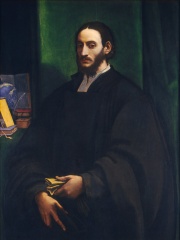
Leo Africanus
1494 - 1554
HPI: 70.83
Rank: 20
Tirso de Molina
1579 - 1648
HPI: 70.39
Rank: 21
Columella
4 - 70
HPI: 70.39
Rank: 22
Lucan
39 - 65
HPI: 70.35
Rank: 23
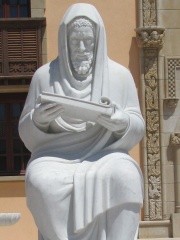
Judah Halevi
1079 - 1141
HPI: 70.30
Rank: 24
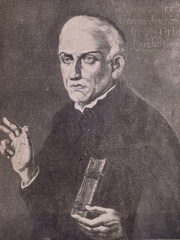
Joseph of Anchieta
1534 - 1597
HPI: 69.43
Rank: 25
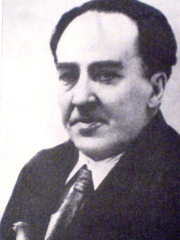
Antonio Machado
1875 - 1939
HPI: 69.23
Rank: 26
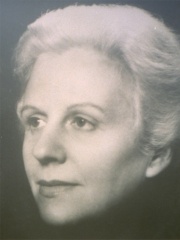
Mercè Rodoreda
1908 - 1983
HPI: 68.70
Rank: 27
Prudentius
348 - 413
HPI: 68.49
Rank: 28