Philosopher
Ammonius Hermiae
440 - 523
EN.WIKIPEDIA PAGE VIEWS (PV)
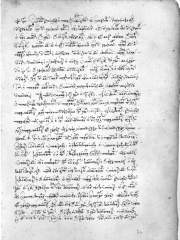
 Ammonius Hermiae
His biography is available in 27 different languages on Wikipedia (up from 25 in 2024). Ammonius Hermiae is the 541st most popular philosopher (up from 552nd in 2024), the 250th most popular biography from Egypt (up from 253rd in 2019) and the 12th most popular Egyptian Philosopher.
Memorability Metrics
Page views of Ammonius Hermiae by language
Among Philosophers
Among philosophers, Ammonius Hermiae ranks 541 out of 1,267. Before him are Myia, Charles W. Morris, Marpa Lotsawa, Crates of Athens, Jan Patočka, and Annemarie Schimmel. After him are Salomon Maimon, Luis de Molina, Albert of Saxony, Karl Leonhard Reinhold, P. D. Ouspensky, and Gersonides.
Most Popular Philosophers in Wikipedia
Go to all Rankings

Myia
600 BC - 560 BC
HPI: 65.59
Rank: 535

Charles W. Morris
1903 - 1979
HPI: 65.55
Rank: 536

Marpa Lotsawa
1012 - 1097
HPI: 65.55
Rank: 537

Crates of Athens
400 BC - 268 BC
HPI: 65.54
Rank: 538
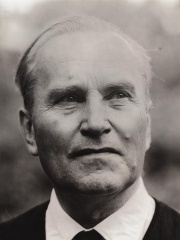
Jan Patočka
1907 - 1977
HPI: 65.54
Rank: 539
Annemarie Schimmel
1922 - 2003
HPI: 65.53
Rank: 540
Ammonius Hermiae
440 - 523
HPI: 65.51
Rank: 541

Salomon Maimon
1754 - 1800
HPI: 65.50
Rank: 542

Luis de Molina
1535 - 1600
HPI: 65.49
Rank: 543

Albert of Saxony
1316 - 1390
HPI: 65.47
Rank: 544
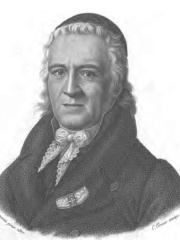
Karl Leonhard Reinhold
1757 - 1823
HPI: 65.45
Rank: 545
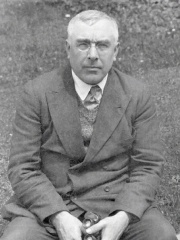
P. D. Ouspensky
1878 - 1947
HPI: 65.44
Rank: 546

Gersonides
1288 - 1344
HPI: 65.44
Rank: 547

Contemporaries
Among people born in 440, Ammonius Hermiae ranks 4. Before him are Pope Felix III, Childeric I, and Euric. After him are Vakhtang I of Iberia, Shushanik, Emperor Wu of Southern Qi, and Philoxenus of Mabbug. Among people deceased in 523, Ammonius Hermiae ranks 3. Before him are Pope Hormisdas, and Thrasamund. After him are Muryeong of Baekje, Euphemia, Dhu Nuwas, and Philoxenus of Mabbug.
Others Born in 440
Go to all Rankings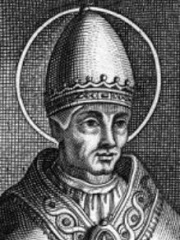
Pope Felix III
RELIGIOUS FIGURE
440 - 492
HPI: 77.20
Rank: 1
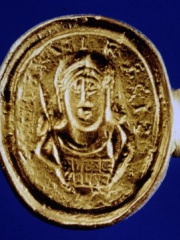
Childeric I
POLITICIAN
440 - 481
HPI: 75.38
Rank: 2
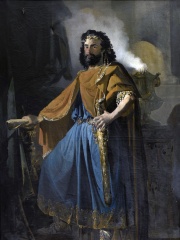
Euric
POLITICIAN
440 - 484
HPI: 71.73
Rank: 3
Ammonius Hermiae
PHILOSOPHER
440 - 523
HPI: 65.51
Rank: 4
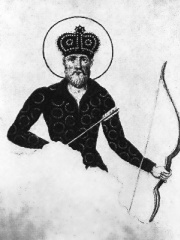
Vakhtang I of Iberia
POLITICIAN
440 - 502
HPI: 65.38
Rank: 5
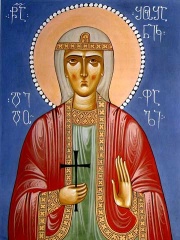
Shushanik
RELIGIOUS FIGURE
440 - 475
HPI: 62.26
Rank: 6

Emperor Wu of Southern Qi
POLITICIAN
440 - 493
HPI: 61.53
Rank: 7

Philoxenus of Mabbug
WRITER
440 - 523
HPI: 56.80
Rank: 8
Others Deceased in 523
Go to all Rankings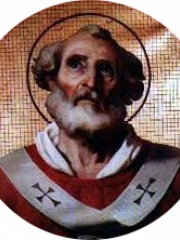
Pope Hormisdas
RELIGIOUS FIGURE
450 - 523
HPI: 76.89
Rank: 1
Thrasamund
POLITICIAN
450 - 523
HPI: 67.19
Rank: 2
Ammonius Hermiae
PHILOSOPHER
440 - 523
HPI: 65.51
Rank: 3
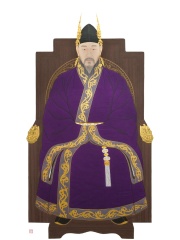
Muryeong of Baekje
POLITICIAN
462 - 523
HPI: 65.32
Rank: 4
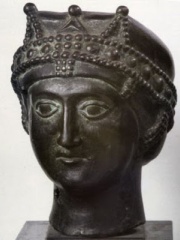
Euphemia
POLITICIAN
500 - 523
HPI: 62.93
Rank: 5
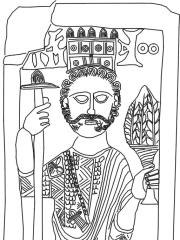
Dhu Nuwas
POLITICIAN
450 - 523
HPI: 61.60
Rank: 6
Philoxenus of Mabbug
WRITER
440 - 523
HPI: 56.80
Rank: 7
In Egypt
Among people born in Egypt, Ammonius Hermiae ranks 250 out of NaN. Before him are Nahshon (null), Pope Dioscorus I of Alexandria (444), Iry-Hor (-3101), Jehan Sadat (1933), Bintanath (-1300), and Neferirkare Kakai (-2483). After him are Mariamne (-100), Mary the Jewess (100), Takelot II (-900), Neferneferure (-1400), Ahmed Shafik (1941), and Didymus the Blind (313).
Others born in Egypt
Go to all Rankings
Nahshon
RELIGIOUS FIGURE
HPI: 65.96
Rank: 244
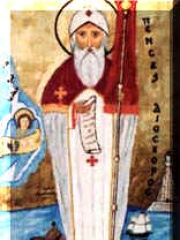
Pope Dioscorus I of Alexandria
RELIGIOUS FIGURE
444 - 454
HPI: 65.93
Rank: 245
Iry-Hor
POLITICIAN
3101 BC - Present
HPI: 65.89
Rank: 246

Jehan Sadat
POLITICIAN
1933 - 2021
HPI: 65.79
Rank: 247
Bintanath
COMPANION
1300 BC - 1300 BC
HPI: 65.76
Rank: 248
Neferirkare Kakai
NOBLEMAN
2483 BC - 2480 BC
HPI: 65.66
Rank: 249
Ammonius Hermiae
PHILOSOPHER
440 - 523
HPI: 65.51
Rank: 250

Mariamne
POLITICIAN
100 BC - 60 BC
HPI: 65.48
Rank: 251
Mary the Jewess
INVENTOR
100 - 100
HPI: 65.39
Rank: 252
Takelot II
POLITICIAN
900 BC - 825 BC
HPI: 65.32
Rank: 253
Neferneferure
POLITICIAN
1400 BC - 1400 BC
HPI: 65.31
Rank: 254
Ahmed Shafik
POLITICIAN
1941 - Present
HPI: 65.31
Rank: 255
Didymus the Blind
RELIGIOUS FIGURE
313 - 398
HPI: 65.25
Rank: 256
Among Philosophers In Egypt
Among philosophers born in Egypt, Ammonius Hermiae ranks 12. Before him are Muhammad Abduh (1849), Ammonius Saccas (175), John Philoponus (490), Saadia Gaon (882), Dhul-Nun al-Misri (796), and Valentinus (100). After him are Syrianus (400), Olympiodorus the Younger (495), Hermias (401), Ahmad al-Tayyeb (1946), Nasr Abu Zayd (1943), and Isaac Israeli ben Solomon (832).
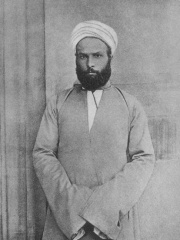
Muhammad Abduh
1849 - 1905
HPI: 73.35
Rank: 6

Ammonius Saccas
175 - 242
HPI: 71.27
Rank: 7

John Philoponus
490 - 570
HPI: 69.25
Rank: 8

Saadia Gaon
882 - 942
HPI: 68.42
Rank: 9

Dhul-Nun al-Misri
796 - 859
HPI: 67.23
Rank: 10

Valentinus
100 - 160
HPI: 66.01
Rank: 11
Ammonius Hermiae
440 - 523
HPI: 65.51
Rank: 12

Syrianus
400 - 437
HPI: 64.23
Rank: 13

Olympiodorus the Younger
495 - 570
HPI: 64.18
Rank: 14

Hermias
401 - 450
HPI: 62.70
Rank: 15

Ahmad al-Tayyeb
1946 - Present
HPI: 62.69
Rank: 16

Nasr Abu Zayd
1943 - 2010
HPI: 62.08
Rank: 17
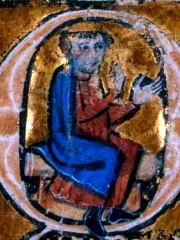
Isaac Israeli ben Solomon
832 - Present
HPI: 61.86
Rank: 18