فيلسوف
Paulo Freire
1921 - 1997
AR.WIKIPEDIA PAGE VIEWS (PV)
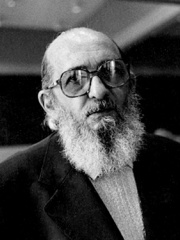
 Paulo Freire
سيرته الذاتية متاحة بـ46 لغة مختلفة على ويكيبيديا (زيادة من 44 في 2024). يحتل Paulo Freire المرتبة 225 بين أكثر فيلسوف شعبيةً (تراجعًا من 204 في 2024)، والمرتبة 31 بين أكثر السير الذاتية شعبيةً في البرازيل (تراجعًا من 27 في 2019)، كما يحتل المرتبة الأولى بين أكثر فيلسوف من البرازيل شعبيةً.
Memorability Metrics
Page views of Paulo Freire by language
Among فيلسوف
Among فيلسوف, Paulo Freire ranks 225 out of 1,267. Before him are Muhammad Abduh, Solomon ibn Gabirol, Benjamin Constant, Xenocrates, Julius Evola, and Francisco Suárez. After him are Joseph de Maistre, Ernst Bloch, Gaston Bachelard, Benedetto Croce, Al-Ash'ari, and Iamblichus.
Most Popular فيلسوف in Wikipedia
Go to all Rankings
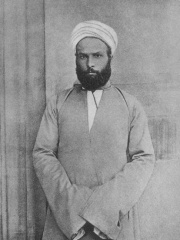
Muhammad Abduh
1849 - 1905
HPI: 73.35
Rank: 219
Solomon ibn Gabirol
1021 - 1058
HPI: 73.35
Rank: 220
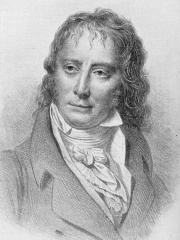
Benjamin Constant
1767 - 1830
HPI: 73.28
Rank: 221
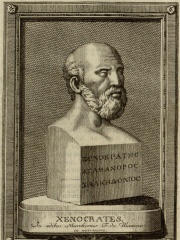
Xenocrates
396 BC - 314 BC
HPI: 73.16
Rank: 222
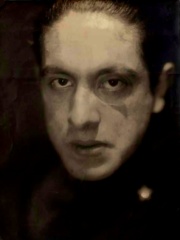
Julius Evola
1898 - 1974
HPI: 73.16
Rank: 223
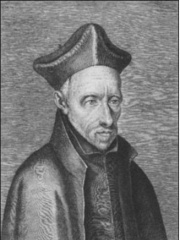
Francisco Suárez
1548 - 1617
HPI: 73.14
Rank: 224
Paulo Freire
1921 - 1997
HPI: 73.10
Rank: 225
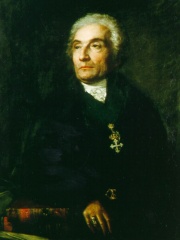
Joseph de Maistre
1753 - 1821
HPI: 73.09
Rank: 226
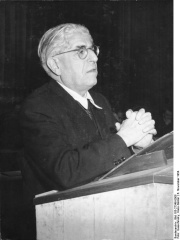
Ernst Bloch
1885 - 1977
HPI: 73.08
Rank: 227
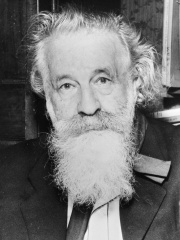
Gaston Bachelard
1884 - 1962
HPI: 72.94
Rank: 228
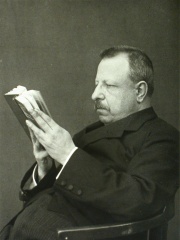
Benedetto Croce
1866 - 1952
HPI: 72.94
Rank: 229
Al-Ash'ari
873 - 936
HPI: 72.85
Rank: 230
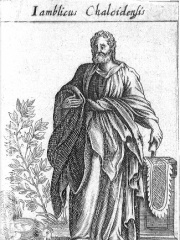
Iamblichus
245 - 330
HPI: 72.85
Rank: 231

Contemporaries
Among people born in 1921, Paulo Freire ranks 29. Before him are P. V. Narasimha Rao, Gunnar Nordahl, Sophie Scholl, Aaron T. Beck, Joseph Beuys, and Ágnes Keleti. After him are Arthur Leonard Schawlow, Fawzia Fuad of Egypt, Vasily Smyslov, Gianni Agnelli, Yoichiro Nambu, and Patricia Highsmith. Among people deceased in 1997, Paulo Freire ranks 18. Before him are Gianni Versace, Nusrat Fateh Ali Khan, Victor Vasarely, Bảo Đại, John Kendrew, and Sviatoslav Richter. After him are Melvin Calvin, The Notorious B.I.G., Robert Mitchum, Hugo Gunckel Lüer, Israel Kamakawiwoʻole, and William S. Burroughs.
Others Born in 1921
Go to all Rankings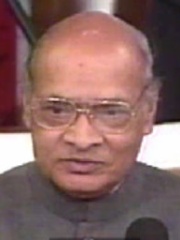
P. V. Narasimha Rao
POLITICIAN
1921 - 2004
HPI: 74.27
Rank: 23
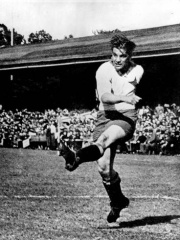
Gunnar Nordahl
SOCCER PLAYER
1921 - 1995
HPI: 74.23
Rank: 24
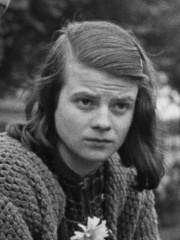
Sophie Scholl
SOCIAL ACTIVIST
1921 - 1943
HPI: 73.94
Rank: 25
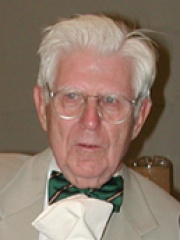
Aaron T. Beck
PSYCHOLOGIST
1921 - 2021
HPI: 73.89
Rank: 26
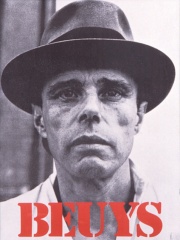
Joseph Beuys
ARTIST
1921 - 1986
HPI: 73.86
Rank: 27
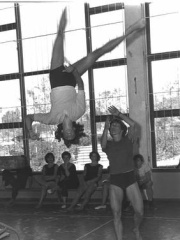
Ágnes Keleti
GYMNAST
1921 - 2025
HPI: 73.73
Rank: 28
Paulo Freire
PHILOSOPHER
1921 - 1997
HPI: 73.10
Rank: 29
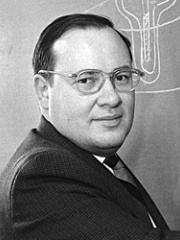
Arthur Leonard Schawlow
PHYSICIST
1921 - 1999
HPI: 72.45
Rank: 30
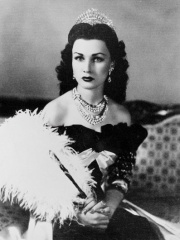
Fawzia Fuad of Egypt
COMPANION
1921 - 2013
HPI: 72.31
Rank: 31
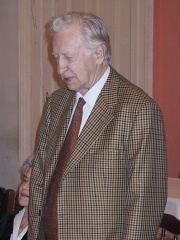
Vasily Smyslov
CHESS PLAYER
1921 - 2010
HPI: 72.03
Rank: 32
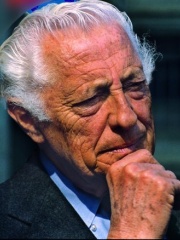
Gianni Agnelli
POLITICIAN
1921 - 2003
HPI: 71.64
Rank: 33
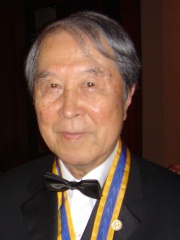
Yoichiro Nambu
PHYSICIST
1921 - 2015
HPI: 71.40
Rank: 34
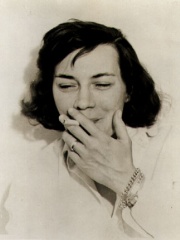
Patricia Highsmith
WRITER
1921 - 1995
HPI: 71.31
Rank: 35
Others Deceased in 1997
Go to all Rankings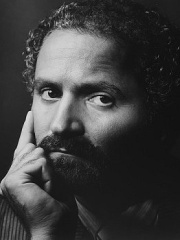
Gianni Versace
DESIGNER
1946 - 1997
HPI: 76.76
Rank: 12
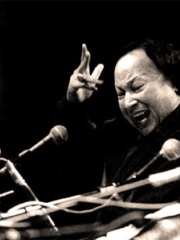
Nusrat Fateh Ali Khan
SINGER
1948 - 1997
HPI: 75.67
Rank: 13
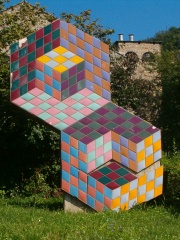
Victor Vasarely
ARTIST
1906 - 1997
HPI: 74.76
Rank: 14
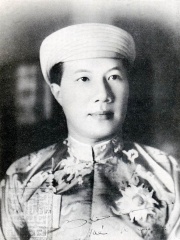
Bảo Đại
POLITICIAN
1913 - 1997
HPI: 74.74
Rank: 15
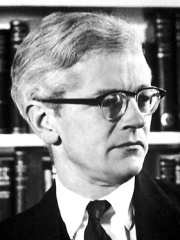
John Kendrew
PHYSICIST
1917 - 1997
HPI: 73.65
Rank: 16
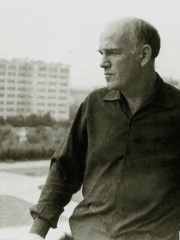
Sviatoslav Richter
MUSICIAN
1915 - 1997
HPI: 73.27
Rank: 17
Paulo Freire
PHILOSOPHER
1921 - 1997
HPI: 73.10
Rank: 18
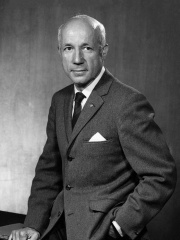
Melvin Calvin
CHEMIST
1911 - 1997
HPI: 73.09
Rank: 19
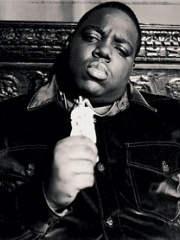
The Notorious B.I.G.
SINGER
1972 - 1997
HPI: 72.97
Rank: 20
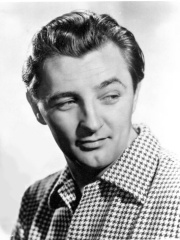
Robert Mitchum
ACTOR
1917 - 1997
HPI: 72.96
Rank: 21
Hugo Gunckel Lüer
BIOLOGIST
1901 - 1997
HPI: 72.86
Rank: 22

Israel Kamakawiwoʻole
MUSICIAN
1959 - 1997
HPI: 72.47
Rank: 23
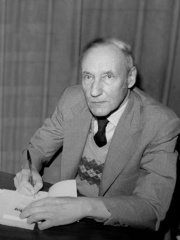
William S. Burroughs
WRITER
1914 - 1997
HPI: 72.47
Rank: 24
In البرازيل
Among people born in البرازيل, Paulo Freire ranks 31 out of NaN. Before him are João Havelange (1916), Antônio Carlos Jobim (1927), Ronaldinho (1980), Romário (1966), Michel Temer (1940), and Maria II of Portugal (1819). After him are Heitor Villa-Lobos (1887), Vavá (1934), Djalma Santos (1929), Carlos Alberto Parreira (1943), Nílton Santos (1925), and Arthur Friedenreich (1892).
Others born in البرازيل
Go to all Rankings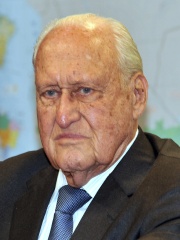
João Havelange
BUSINESSPERSON
1916 - 2016
HPI: 73.88
Rank: 25
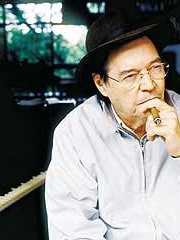
Antônio Carlos Jobim
MUSICIAN
1927 - 1994
HPI: 73.87
Rank: 26

Ronaldinho
SOCCER PLAYER
1980 - Present
HPI: 73.81
Rank: 27
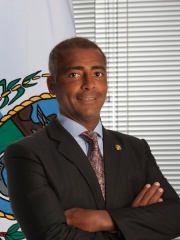
Romário
SOCCER PLAYER
1966 - Present
HPI: 73.43
Rank: 28
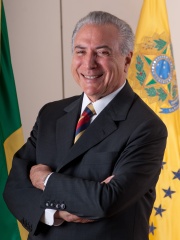
Michel Temer
POLITICIAN
1940 - Present
HPI: 73.35
Rank: 29
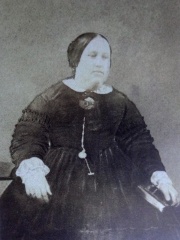
Maria II of Portugal
POLITICIAN
1819 - 1853
HPI: 73.31
Rank: 30
Paulo Freire
PHILOSOPHER
1921 - 1997
HPI: 73.10
Rank: 31
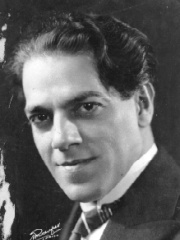
Heitor Villa-Lobos
COMPOSER
1887 - 1959
HPI: 73.01
Rank: 32
Vavá
SOCCER PLAYER
1934 - 2002
HPI: 72.60
Rank: 33
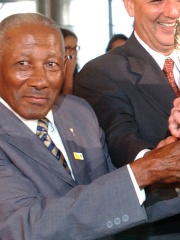
Djalma Santos
SOCCER PLAYER
1929 - 2013
HPI: 72.48
Rank: 34
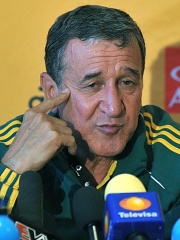
Carlos Alberto Parreira
COACH
1943 - Present
HPI: 72.47
Rank: 35
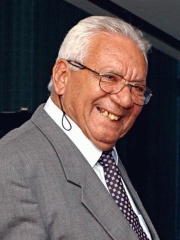
Nílton Santos
SOCCER PLAYER
1925 - 2013
HPI: 71.84
Rank: 36
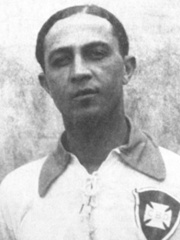
Arthur Friedenreich
SOCCER PLAYER
1892 - 1969
HPI: 71.77
Rank: 37
Among فيلسوف In البرازيل
Among فيلسوف born in البرازيل, Paulo Freire ranks 1. After him are Michael Löwy (1938), Olavo de Carvalho (1947), Roberto Mangabeira Unger (1947), Vicente Ferreira da Silva (1916), and Djamila Ribeiro (1980).
Paulo Freire
1921 - 1997
HPI: 73.10
Rank: 1
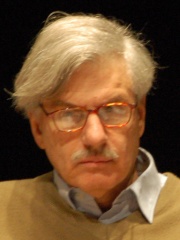
Michael Löwy
1938 - Present
HPI: 59.81
Rank: 2
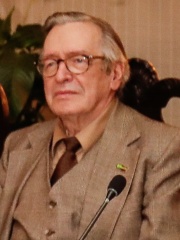
Olavo de Carvalho
1947 - 2022
HPI: 59.26
Rank: 3
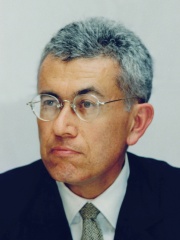
Roberto Mangabeira Unger
1947 - Present
HPI: 55.33
Rank: 4
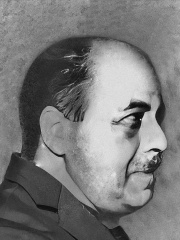
Vicente Ferreira da Silva
1916 - 1963
HPI: 52.64
Rank: 5
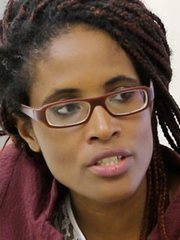
Djamila Ribeiro
1980 - Present
HPI: 39.30
Rank: 6