政治家
Toghrul
1130 - 1203
ZH.WIKIPEDIA PAGE VIEWS (PV)
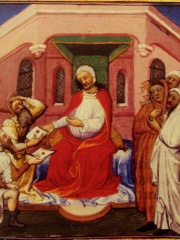
 Toghrul
王汗(《元史》作汪罕,蒙古语:ᠣᠩ ᠬᠠᠨ,鲍培转写:ong qan,秘史记音:王 中罕,?—1203年),名脱里或脫斡鄰勒(蒙古语:ᠲᠣᠭᠣᠷᠢᠯ,秘史记音:脫斡舌鄰勒,西里尔字母:Тоорил),是克烈末代首领,因受金國册封为王,故称王汗,清代史料記作「翁罕」。 王汗为了争夺克烈部族的汗位,在也速该的帮助下,战胜了自己的弟弟、叔叔。为了感谢也速该,王汗与蒙古首领也速该结为安答,也速该死后,其子铁木真与蔑儿乞部发生冲突,向其求援。 在维基百科上阅读更多
他的传记在维基百科上提供 29 种语言版本。Toghrul在最受欢迎的政治家中排名第1997位(较 2024 年的第2180位上升),在蒙古人物传记中排名第13位(较 2019 年的第14位上升),并在最受欢迎的蒙古政治家中排名第10位。
Memorability Metrics
Page views of Toghrul by language
Among 政治家
Among 政治家, Toghrul ranks 1,997 out of 19,576. Before him are Gaston, Duke of Orléans, Abdullah Yusuf Azzam, Anisa Makhlouf, Ismail Ibn Sharif, Keir Starmer, and Uzun Hasan. After him are Munjong of Joseon, Olybrius, Robert Ley, Charles II of Naples, Béla I of Hungary, and Catherine Jagiellon.
Most Popular 政治家 in Wikipedia
Go to all Rankings
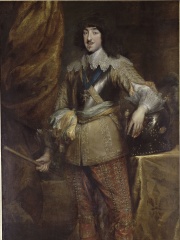
Gaston, Duke of Orléans
1608 - 1660
HPI: 72.21
Rank: 1,992
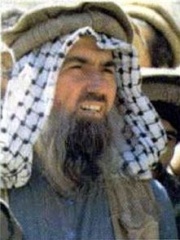
Abdullah Yusuf Azzam
1941 - 1989
HPI: 72.21
Rank: 1,993
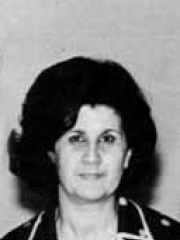
Anisa Makhlouf
1930 - 2016
HPI: 72.20
Rank: 1,994
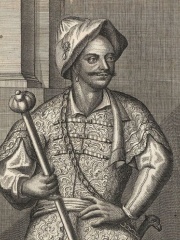
Ismail Ibn Sharif
1646 - 1727
HPI: 72.19
Rank: 1,995
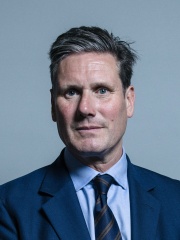
Keir Starmer
1962 - Present
HPI: 72.19
Rank: 1,996
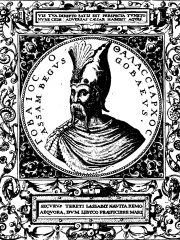
Uzun Hasan
1423 - 1478
HPI: 72.19
Rank: 1,997
Toghrul
1130 - 1203
HPI: 72.19
Rank: 1,998

Munjong of Joseon
1414 - 1452
HPI: 72.19
Rank: 1,999
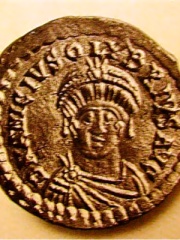
Olybrius
400 - 472
HPI: 72.19
Rank: 2,000
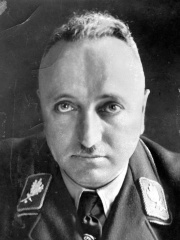
Robert Ley
1890 - 1945
HPI: 72.18
Rank: 2,001
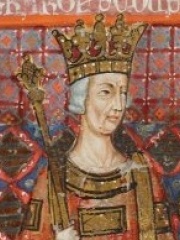
Charles II of Naples
1254 - 1309
HPI: 72.18
Rank: 2,002
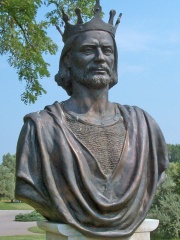
Béla I of Hungary
1016 - 1063
HPI: 72.18
Rank: 2,003
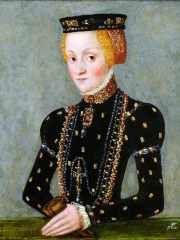
Catherine Jagiellon
1526 - 1583
HPI: 72.18
Rank: 2,004

Contemporaries
Among people born in 1130, Toghrul ranks 6. Before him are Zhu Xi, Pope Clement III, William of Tyre, Saint Rosalia, and Baldwin III of Jerusalem. After him are Géza II of Hungary, Charles VII of Sweden, Rashid ad-Din Sinan, Benjamin of Tudela, Magnus II of Sweden, and Euphrosyne of Kiev. Among people deceased in 1203, Toghrul ranks 1. After him are Arthur I, Duke of Brittany, Dirk VII, Count of Holland, Eudokia Komnene, Lady of Montpellier, and Alexios Palaiologos.
Others Born in 1130
Go to all Rankings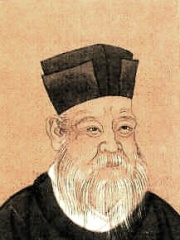
Zhu Xi
PHILOSOPHER
1130 - 1200
HPI: 81.27
Rank: 1
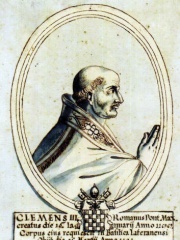
Pope Clement III
RELIGIOUS FIGURE
1130 - 1191
HPI: 76.61
Rank: 2
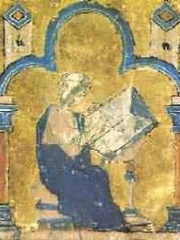
William of Tyre
HISTORIAN
1130 - 1186
HPI: 75.84
Rank: 3

Saint Rosalia
RELIGIOUS FIGURE
1130 - 1166
HPI: 72.61
Rank: 4
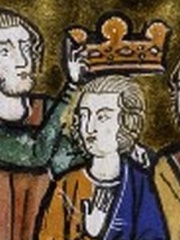
Baldwin III of Jerusalem
POLITICIAN
1130 - 1163
HPI: 72.52
Rank: 5
Toghrul
POLITICIAN
1130 - 1203
HPI: 72.19
Rank: 6
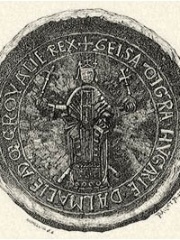
Géza II of Hungary
POLITICIAN
1130 - 1162
HPI: 71.49
Rank: 7
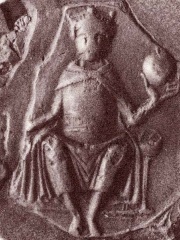
Charles VII of Sweden
POLITICIAN
1130 - 1167
HPI: 69.50
Rank: 8
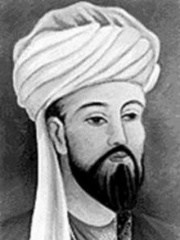
Rashid ad-Din Sinan
SOCIAL ACTIVIST
1130 - 1192
HPI: 68.74
Rank: 9
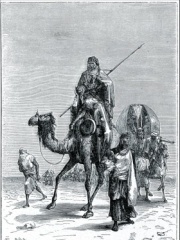
Benjamin of Tudela
EXPLORER
1130 - 1173
HPI: 68.08
Rank: 10
Magnus II of Sweden
POLITICIAN
1130 - 1161
HPI: 68.06
Rank: 11
Euphrosyne of Kiev
COMPANION
1130 - 1186
HPI: 67.52
Rank: 12
Others Deceased in 1203
Go to all RankingsToghrul
POLITICIAN
1130 - 1203
HPI: 72.19
Rank: 1
Arthur I, Duke of Brittany
NOBLEMAN
1187 - 1203
HPI: 66.26
Rank: 2
Dirk VII, Count of Holland
POLITICIAN
1200 - 1203
HPI: 62.20
Rank: 3

Eudokia Komnene, Lady of Montpellier
NOBLEMAN
1162 - 1203
HPI: 56.37
Rank: 4

Alexios Palaiologos
NOBLEMAN
1200 - 1203
HPI: 54.16
Rank: 5
In 蒙古
Among people born in 蒙古, Toghrul ranks 13 out of NaN. Before him are Subutai (1175), Modu Chanyu (-234), Berke (1209), Börte (1161), Ariq Böke (1219), and Abaqa Khan (1234). After him are Jebe (1137), Sorghaghtani Beki (1190), Damdin Sükhbaatar (1893), Punsalmaagiin Ochirbat (1942), Yumjaagiin Tsedenbal (1916), and Dayan Khan (1464).
Others born in 蒙古
Go to all Rankings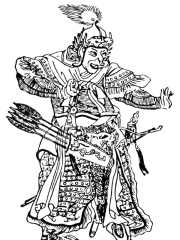
Subutai
MILITARY PERSONNEL
1175 - 1248
HPI: 75.70
Rank: 7
Modu Chanyu
POLITICIAN
234 BC - 174 BC
HPI: 75.23
Rank: 8
Berke
POLITICIAN
1209 - 1266
HPI: 75.07
Rank: 9
Börte
POLITICIAN
1161 - 1230
HPI: 74.50
Rank: 10
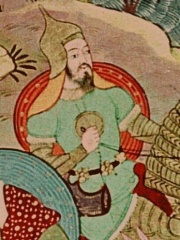
Ariq Böke
POLITICIAN
1219 - 1266
HPI: 73.98
Rank: 11
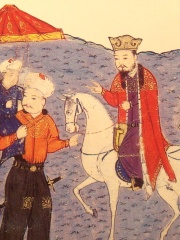
Abaqa Khan
POLITICIAN
1234 - 1282
HPI: 73.66
Rank: 12
Toghrul
POLITICIAN
1130 - 1203
HPI: 72.19
Rank: 13

Jebe
POLITICIAN
1137 - 1225
HPI: 71.90
Rank: 14
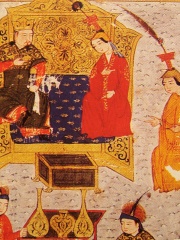
Sorghaghtani Beki
NOBLEMAN
1190 - 1252
HPI: 71.23
Rank: 15
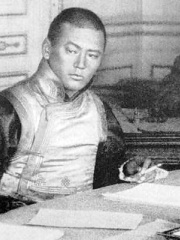
Damdin Sükhbaatar
POLITICIAN
1893 - 1923
HPI: 70.61
Rank: 16
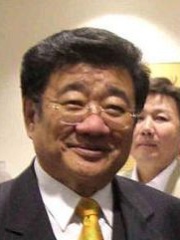
Punsalmaagiin Ochirbat
POLITICIAN
1942 - 2025
HPI: 68.80
Rank: 17
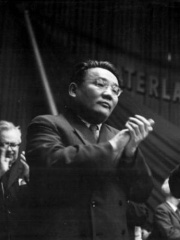
Yumjaagiin Tsedenbal
POLITICIAN
1916 - 1991
HPI: 68.74
Rank: 18

Dayan Khan
POLITICIAN
1464 - 1517
HPI: 68.05
Rank: 19
Among 政治家 In 蒙古
Among 政治家 born in 蒙古, Toghrul ranks 10. Before him are Tolui (1191), Modu Chanyu (-234), Berke (1209), Börte (1161), Ariq Böke (1219), and Abaqa Khan (1234). After him are Jebe (1137), Damdin Sükhbaatar (1893), Punsalmaagiin Ochirbat (1942), Yumjaagiin Tsedenbal (1916), Dayan Khan (1464), and Baydu (1300).
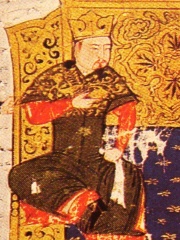
Tolui
1191 - 1232
HPI: 79.05
Rank: 4
Modu Chanyu
234 BC - 174 BC
HPI: 75.23
Rank: 5
Berke
1209 - 1266
HPI: 75.07
Rank: 6
Börte
1161 - 1230
HPI: 74.50
Rank: 7
Ariq Böke
1219 - 1266
HPI: 73.98
Rank: 8
Abaqa Khan
1234 - 1282
HPI: 73.66
Rank: 9
Toghrul
1130 - 1203
HPI: 72.19
Rank: 10
Jebe
1137 - 1225
HPI: 71.90
Rank: 11
Damdin Sükhbaatar
1893 - 1923
HPI: 70.61
Rank: 12
Punsalmaagiin Ochirbat
1942 - 2025
HPI: 68.80
Rank: 13
Yumjaagiin Tsedenbal
1916 - 1991
HPI: 68.74
Rank: 14
Dayan Khan
1464 - 1517
HPI: 68.05
Rank: 15
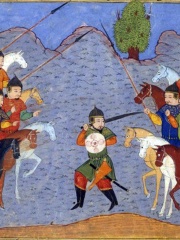
Baydu
1300 - 1295
HPI: 67.58
Rank: 16