哲学家
Syrianus
400 - 437
ZH.WIKIPEDIA PAGE VIEWS (PV)

 Syrianus
叙亚努(古希臘語:Συριανός, Syrianos;卒于437年),新柏拉图主义哲学家,431/432年接替乃师雅典的普鲁塔克成为雅典的柏拉图学园的掌门。现存最有名的著作是对亚里士多德《形而上学》的评注。 在维基百科上阅读更多
他的传记在维基百科上提供 23 种语言版本(较 2024 年的 21 种增加)。Syrianus在最受欢迎的哲学家中排名第632位(较 2024 年的第731位上升),在埃及人物传记中排名第285位(较 2019 年的第327位上升),并在最受欢迎的埃及哲学家中排名第13位。
Memorability Metrics
Page views of Syrianus by language
Among 哲学家
Among 哲学家, Syrianus ranks 632 out of 1,267. Before him are Eugen Fink, Diogenes of Babylon, Yuri Lotman, Margaret Cavendish, Duchess of Newcastle-upon-Tyne, Yan Hui, and Étienne Balibar. After him are Andreas Karlstadt, Maurice Blondel, Aristo of Chios, Yves Bonnefoy, Olympiodorus the Younger, and Alexander of Hales.
Most Popular 哲学家 in Wikipedia
Go to all Rankings
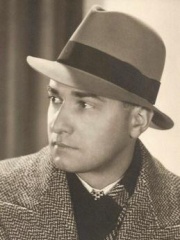
Eugen Fink
1905 - 1975
HPI: 64.30
Rank: 626
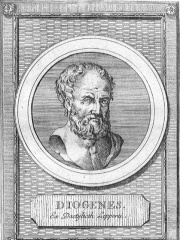
Diogenes of Babylon
240 BC - 150 BC
HPI: 64.30
Rank: 627
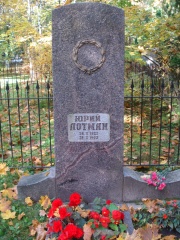
Yuri Lotman
1922 - 1993
HPI: 64.28
Rank: 628
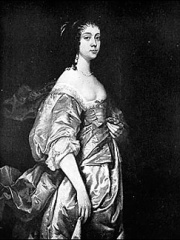
Margaret Cavendish, Duchess of Newcastle-upon-Tyne
1623 - 1673
HPI: 64.27
Rank: 629
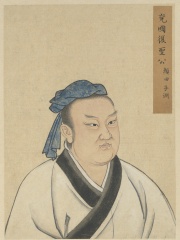
Yan Hui
521 BC - 490 BC
HPI: 64.26
Rank: 630
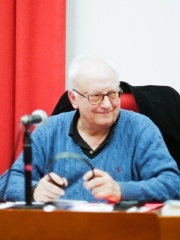
Étienne Balibar
1942 - Present
HPI: 64.24
Rank: 631
Syrianus
400 - 437
HPI: 64.23
Rank: 632
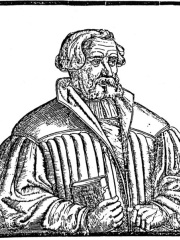
Andreas Karlstadt
1486 - 1541
HPI: 64.23
Rank: 633
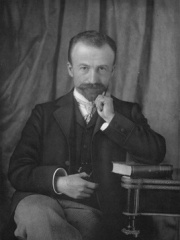
Maurice Blondel
1861 - 1949
HPI: 64.22
Rank: 634

Aristo of Chios
300 BC - 300 BC
HPI: 64.22
Rank: 635
Yves Bonnefoy
1923 - 2016
HPI: 64.20
Rank: 636

Olympiodorus the Younger
495 - 570
HPI: 64.18
Rank: 637
Alexander of Hales
1175 - 1245
HPI: 64.17
Rank: 638

Contemporaries
Among people born in 400, Syrianus ranks 35. Before him are Vincent of Lérins, Flavius Bauto, Meletius of Antioch, Quintus Smyrnaeus, Gunther, and Maximus of Hispania. After him are Julius Firmicus Maternus, Maruthas of Martyropolis, Gaius Julius Solinus, Priscus Attalus, Mawiyya, and Varazdat. Among people deceased in 437, Syrianus ranks 1. After him is Possidius.
Others Born in 400
Go to all Rankings
Vincent of Lérins
RELIGIOUS FIGURE
400 - 450
HPI: 65.37
Rank: 29

Flavius Bauto
POLITICIAN
400 - 388
HPI: 64.69
Rank: 30
Meletius of Antioch
RELIGIOUS FIGURE
400 - 381
HPI: 64.68
Rank: 31

Quintus Smyrnaeus
WRITER
400 - 400
HPI: 64.58
Rank: 32
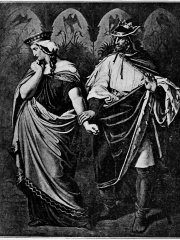
Gunther
POLITICIAN
400 - 436
HPI: 64.40
Rank: 33
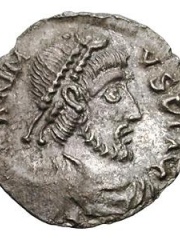
Maximus of Hispania
POLITICIAN
400 - 422
HPI: 64.29
Rank: 34
Syrianus
PHILOSOPHER
400 - 437
HPI: 64.23
Rank: 35

Julius Firmicus Maternus
WRITER
400 - 400
HPI: 64.23
Rank: 36
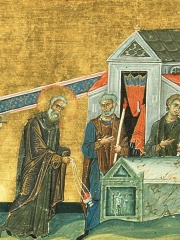
Maruthas of Martyropolis
RELIGIOUS FIGURE
400 - 422
HPI: 63.98
Rank: 37

Gaius Julius Solinus
WRITER
400 - 400
HPI: 63.98
Rank: 38
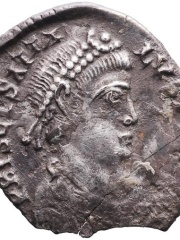
Priscus Attalus
POLITICIAN
400 - 401
HPI: 63.89
Rank: 39

Mawiyya
POLITICIAN
400 - 425
HPI: 63.49
Rank: 40
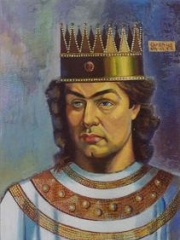
Varazdat
POLITICIAN
400 - 400
HPI: 63.39
Rank: 41
Others Deceased in 437
Go to all Rankings
In 埃及
Among people born in 埃及, Syrianus ranks 285 out of NaN. Before him are Alexander II Zabinas (-190), Bakenranef (-700), Didymus Chalcenterus (-63), Samir Amin (1931), Muhammad Sayyid Tantawy (1928), and Huda Sha'arawi (1879). After him are Olympiodorus the Younger (495), Dina bint Abdul-Hamid (1929), John Tristan, Count of Valois (1250), Hassan Fathy (1900), Al-Amir bi-Ahkam Allah (1096), and Barsanuphius (401).
Others born in 埃及
Go to all Rankings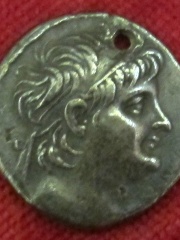
Alexander II Zabinas
POLITICIAN
190 BC - 123 BC
HPI: 64.38
Rank: 279
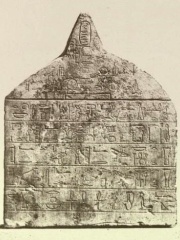
Bakenranef
POLITICIAN
700 BC - 800 BC
HPI: 64.35
Rank: 280

Didymus Chalcenterus
WRITER
63 BC - 10
HPI: 64.34
Rank: 281

Samir Amin
POLITICIAN
1931 - 2018
HPI: 64.32
Rank: 282

Muhammad Sayyid Tantawy
WRITER
1928 - 2010
HPI: 64.30
Rank: 283
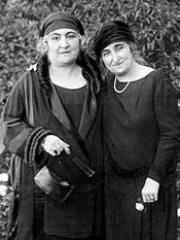
Huda Sha'arawi
SOCIAL ACTIVIST
1879 - 1947
HPI: 64.25
Rank: 284
Syrianus
PHILOSOPHER
400 - 437
HPI: 64.23
Rank: 285
Olympiodorus the Younger
PHILOSOPHER
495 - 570
HPI: 64.18
Rank: 286

Dina bint Abdul-Hamid
NOBLEMAN
1929 - 2019
HPI: 64.15
Rank: 287
John Tristan, Count of Valois
POLITICIAN
1250 - 1270
HPI: 64.09
Rank: 288
Hassan Fathy
ARCHITECT
1900 - 1989
HPI: 64.09
Rank: 289
Al-Amir bi-Ahkam Allah
POLITICIAN
1096 - 1130
HPI: 64.08
Rank: 290
Barsanuphius
RELIGIOUS FIGURE
401 - 540
HPI: 64.08
Rank: 291
Among 哲学家 In 埃及
Among 哲学家 born in 埃及, Syrianus ranks 13. Before him are Ammonius Saccas (175), John Philoponus (490), Saadia Gaon (882), Dhul-Nun al-Misri (796), Valentinus (100), and Ammonius Hermiae (440). After him are Olympiodorus the Younger (495), Hermias (401), Ahmad al-Tayyeb (1946), Nasr Abu Zayd (1943), Isaac Israeli ben Solomon (832), and Julius Pollux (200).

Ammonius Saccas
175 - 242
HPI: 71.27
Rank: 7

John Philoponus
490 - 570
HPI: 69.25
Rank: 8

Saadia Gaon
882 - 942
HPI: 68.42
Rank: 9

Dhul-Nun al-Misri
796 - 859
HPI: 67.23
Rank: 10

Valentinus
100 - 160
HPI: 66.01
Rank: 11
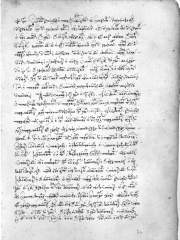
Ammonius Hermiae
440 - 523
HPI: 65.51
Rank: 12
Syrianus
400 - 437
HPI: 64.23
Rank: 13
Olympiodorus the Younger
495 - 570
HPI: 64.18
Rank: 14

Hermias
401 - 450
HPI: 62.70
Rank: 15
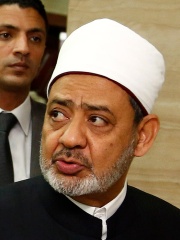
Ahmad al-Tayyeb
1946 - Present
HPI: 62.69
Rank: 16

Nasr Abu Zayd
1943 - 2010
HPI: 62.08
Rank: 17
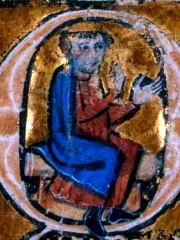
Isaac Israeli ben Solomon
832 - Present
HPI: 61.86
Rank: 18

Julius Pollux
200 - 238
HPI: 60.80
Rank: 19