政治家
Puyi
1906 - 1967
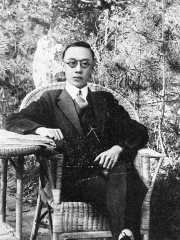
 Puyi
Puyi
溥(pǔ)儀(满语:ᡦᡠ ᡳ,1906年2月7日—1967年10月17日),爱新觉罗氏,是清朝及中国歷史上最後一位皇帝,也是满洲国的唯一一位君主。 溥仪为道光帝的曾孙,光绪帝的侄子。其生父为醇亲王載灃,生母幼兰是晚清重臣荣禄之女。1908年11月,光绪帝驾崩,慈禧太后在临终之际立年近3岁的溥仪为帝,兼祧同治帝和光绪帝;同年12月2日,溥仪正式即位,于翌年改元“宣統”。 在维基百科上阅读更多
他的传记在维基百科上提供 77 种语言版本(较 2024 年的 75 种增加)。Puyi在最受欢迎的政治家中排名第188位(较 2024 年的第440位上升),在中国人物传记中排名第12位(较 2019 年的第33位上升),并在最受欢迎的中国政治家中排名第5位。
Memorability Metrics
Page views of Puyi by language
Among 政治家
Among 政治家, Puyi ranks 188 out of 19,576. Before him are Bayezid I, Harry S. Truman, Recep Tayyip Erdoğan, Christina, Queen of Sweden, Murad I, and Christian IX of Denmark. After him are Simón Bolívar, Philip IV of France, Pepin the Short, Salman of Saudi Arabia, Napoleon II, and Lee Kuan Yew.
Most Popular 政治家 in Wikipedia
Go to all Rankings
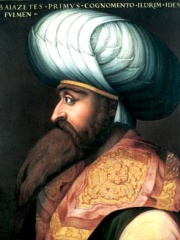
Bayezid I
1354 - 1403
HPI: 83.62
Rank: 182
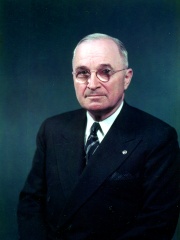
Harry S. Truman
1884 - 1972
HPI: 83.61
Rank: 183
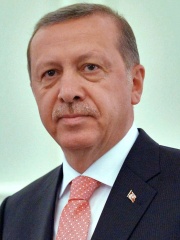
Recep Tayyip Erdoğan
1954 - Present
HPI: 83.60
Rank: 184
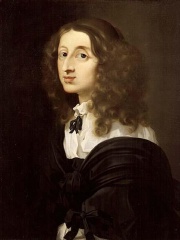
Christina, Queen of Sweden
1626 - 1689
HPI: 83.60
Rank: 185
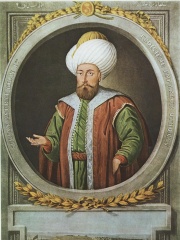
Murad I
1326 - 1389
HPI: 83.53
Rank: 186
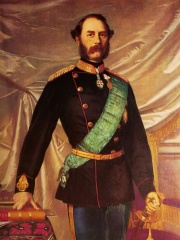
Christian IX of Denmark
1818 - 1906
HPI: 83.50
Rank: 187
Puyi
1906 - 1967
HPI: 83.41
Rank: 188
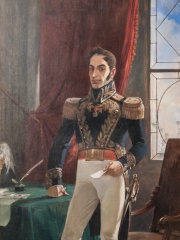
Simón Bolívar
1783 - 1830
HPI: 83.41
Rank: 189
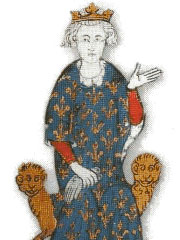
Philip IV of France
1268 - 1314
HPI: 83.39
Rank: 190
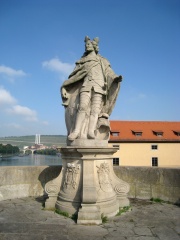
Pepin the Short
715 - 768
HPI: 83.38
Rank: 191
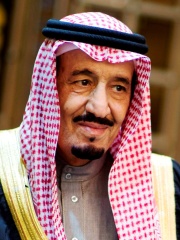
Salman of Saudi Arabia
1935 - Present
HPI: 83.36
Rank: 192
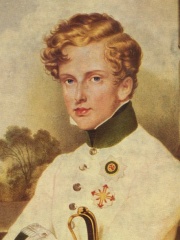
Napoleon II
1811 - 1832
HPI: 83.31
Rank: 193
Lee Kuan Yew
1923 - 2015
HPI: 83.27
Rank: 194

Contemporaries
Among people born in 1906, Puyi ranks 2. Before him is Leonid Brezhnev. After him are Adolf Eichmann, Maria Goeppert Mayer, Hannah Arendt, Dmitri Shostakovich, Grace Hopper, Kurt Gödel, Samuel Beckett, Aristotle Onassis, Ernst Chain, and Faisal of Saudi Arabia. Among people deceased in 1967, Puyi ranks 3. Before him are Che Guevara, and J. Robert Oppenheimer. After him are Konrad Adenauer, René Magritte, Vivien Leigh, John Nance Garner, Albert Lutuli, Cyril Norman Hinshelwood, Ed White, Spencer Tracy, and Mohammad Mosaddegh.
Others Born in 1906
Go to all Rankings
Leonid Brezhnev
POLITICIAN
1906 - 1982
HPI: 85.38
Rank: 1
Puyi
POLITICIAN
1906 - 1967
HPI: 83.41
Rank: 2
Adolf Eichmann
MILITARY PERSONNEL
1906 - 1962
HPI: 83.12
Rank: 3
Maria Goeppert Mayer
PHYSICIST
1906 - 1972
HPI: 82.73
Rank: 4
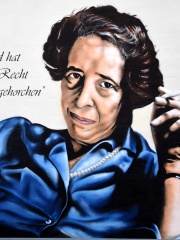
Hannah Arendt
PHILOSOPHER
1906 - 1975
HPI: 82.29
Rank: 5
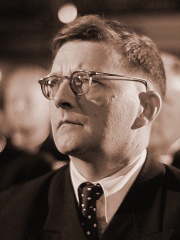
Dmitri Shostakovich
COMPOSER
1906 - 1975
HPI: 82.02
Rank: 6

Grace Hopper
COMPUTER SCIENTIST
1906 - 1992
HPI: 80.29
Rank: 7
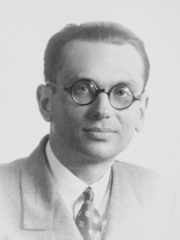
Kurt Gödel
MATHEMATICIAN
1906 - 1978
HPI: 79.53
Rank: 8
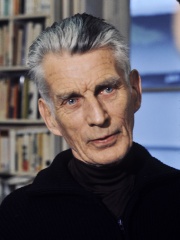
Samuel Beckett
WRITER
1906 - 1989
HPI: 79.46
Rank: 9
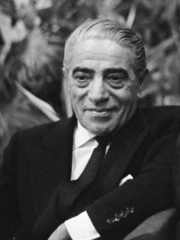
Aristotle Onassis
BUSINESSPERSON
1906 - 1975
HPI: 79.38
Rank: 10
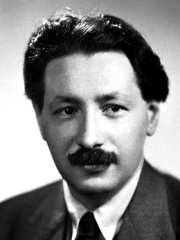
Ernst Chain
CHEMIST
1906 - 1979
HPI: 78.79
Rank: 11
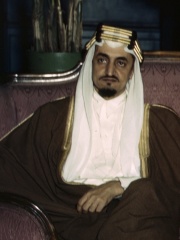
Faisal of Saudi Arabia
POLITICIAN
1906 - 1975
HPI: 78.51
Rank: 12
Others Deceased in 1967
Go to all Rankings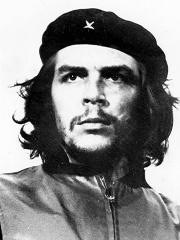
Che Guevara
SOCIAL ACTIVIST
1928 - 1967
HPI: 93.09
Rank: 1
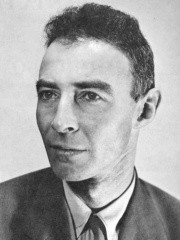
J. Robert Oppenheimer
PHYSICIST
1904 - 1967
HPI: 90.85
Rank: 2
Puyi
POLITICIAN
1906 - 1967
HPI: 83.41
Rank: 3
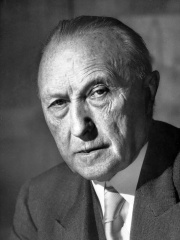
Konrad Adenauer
POLITICIAN
1876 - 1967
HPI: 81.91
Rank: 4
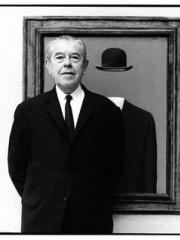
René Magritte
PAINTER
1898 - 1967
HPI: 80.07
Rank: 5

Vivien Leigh
ACTOR
1913 - 1967
HPI: 78.87
Rank: 6
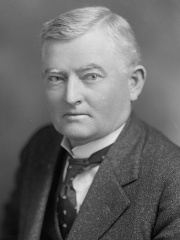
John Nance Garner
POLITICIAN
1868 - 1967
HPI: 78.15
Rank: 7
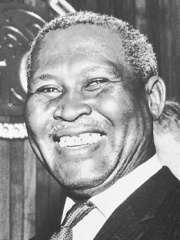
Albert Lutuli
POLITICIAN
1898 - 1967
HPI: 77.77
Rank: 8
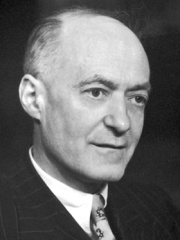
Cyril Norman Hinshelwood
CHEMIST
1897 - 1967
HPI: 76.52
Rank: 9

Ed White
ASTRONAUT
1930 - 1967
HPI: 75.22
Rank: 10
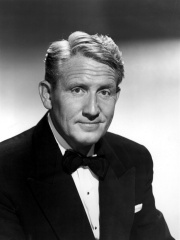
Spencer Tracy
ACTOR
1900 - 1967
HPI: 75.18
Rank: 11
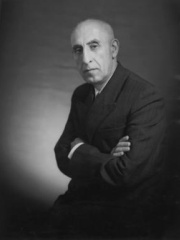
Mohammad Mosaddegh
POLITICIAN
1882 - 1967
HPI: 74.80
Rank: 12
In 中国
Among people born in 中国, Puyi ranks 12 out of NaN. Before him are Mao Zedong (1893), Chiang Kai-shek (1887), Zheng He (1387), Li Bai (701), Sun Tzu (-544), and Sima Qian (-145). After him are 14th Dalai Lama (1935), Xi Jinping (1953), Sun Yat-sen (1866), Deng Xiaoping (1904), Du Fu (712), and Ip Man (1893).
Others born in 中国
Go to all Rankings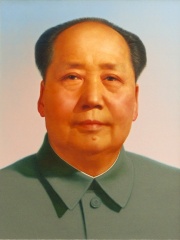
Mao Zedong
POLITICIAN
1893 - 1976
HPI: 88.70
Rank: 6
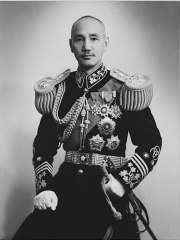
Chiang Kai-shek
MILITARY PERSONNEL
1887 - 1975
HPI: 86.25
Rank: 7
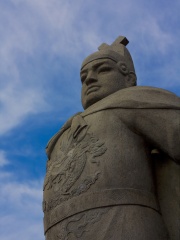
Zheng He
EXPLORER
1387 - 1433
HPI: 84.21
Rank: 8
Li Bai
WRITER
701 - 762
HPI: 84.11
Rank: 9
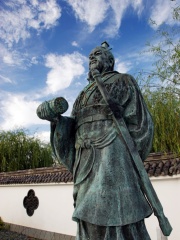
Sun Tzu
PHILOSOPHER
544 BC - 496 BC
HPI: 83.60
Rank: 10
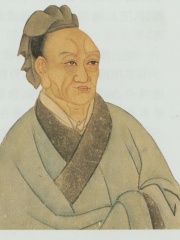
Sima Qian
HISTORIAN
145 BC - 86 BC
HPI: 83.52
Rank: 11
Puyi
POLITICIAN
1906 - 1967
HPI: 83.41
Rank: 12
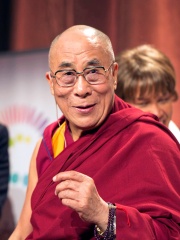
14th Dalai Lama
RELIGIOUS FIGURE
1935 - Present
HPI: 83.17
Rank: 13
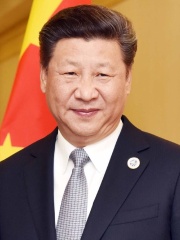
Xi Jinping
POLITICIAN
1953 - Present
HPI: 82.81
Rank: 14
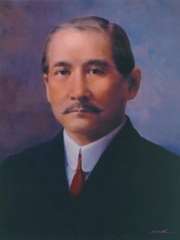
Sun Yat-sen
POLITICIAN
1866 - 1925
HPI: 82.77
Rank: 15
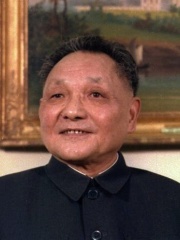
Deng Xiaoping
POLITICIAN
1904 - 1997
HPI: 82.61
Rank: 16
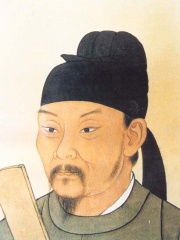
Du Fu
WRITER
712 - 770
HPI: 82.41
Rank: 17
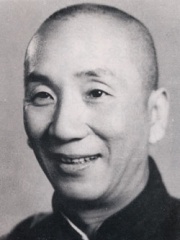
Ip Man
MARTIAL ARTS
1893 - 1972
HPI: 82.04
Rank: 18
Among 政治家 In 中国
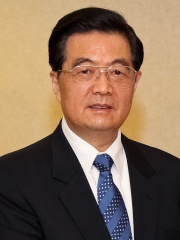
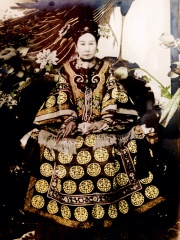
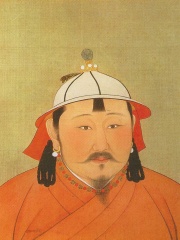
Among 政治家 born in 中国, Puyi ranks 5. Before him are Kublai Khan (1215), Qin Shi Huang (-258), Huang Xianfan (1899), and Mao Zedong (1893). After him are Xi Jinping (1953), Sun Yat-sen (1866), Deng Xiaoping (1904), Wu Zetian (624), Hu Jintao (1942), Empress Dowager Cixi (1835), and Temür Khan (1265).
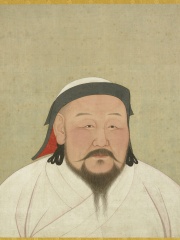
Kublai Khan
1215 - 1294
HPI: 91.15
Rank: 1
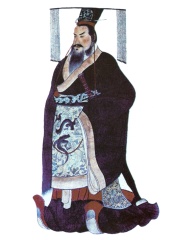
Qin Shi Huang
258 BC - 210 BC
HPI: 90.99
Rank: 2
Huang Xianfan
1899 - 1982
HPI: 89.40
Rank: 3
Mao Zedong
1893 - 1976
HPI: 88.70
Rank: 4
Puyi
1906 - 1967
HPI: 83.41
Rank: 5
Xi Jinping
1953 - Present
HPI: 82.81
Rank: 6
Sun Yat-sen
1866 - 1925
HPI: 82.77
Rank: 7
Deng Xiaoping
1904 - 1997
HPI: 82.61
Rank: 8
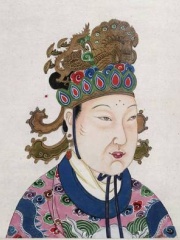
Wu Zetian
624 - 705
HPI: 81.68
Rank: 9
Hu Jintao
1942 - Present
HPI: 81.29
Rank: 10
Empress Dowager Cixi
1835 - 1908
HPI: 80.65
Rank: 11
Temür Khan
1265 - 1307
HPI: 79.82
Rank: 12