作家
Kekaumenos
1020 - 1080
 Kekaumenos
Memorability Metrics
Page views of Kekaumenos by language
Among 作家
Among 作家, Kekaumenos ranks 2,777 out of 7,302. Before him are Jonas Jonasson, Fleur Jaeggy, Ben Hecht, Budd Schulberg, Olympiodorus of Thebes, and Commodian. After him are Thomas Otway, Sextus Pompeius Festus, Leandro Fernández de Moratín, Salama Moussa, Countess of Ségur, and Shakuntala Devi.
Most Popular 作家 in Wikipedia
Go to all Rankings

Jonas Jonasson
1961 - Present
HPI: 60.94
Rank: 2,771

Fleur Jaeggy
1940 - Present
HPI: 60.94
Rank: 2,772
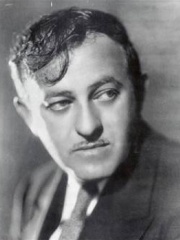
Ben Hecht
1893 - 1964
HPI: 60.94
Rank: 2,773
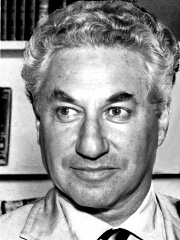
Budd Schulberg
1914 - 2009
HPI: 60.94
Rank: 2,774

Olympiodorus of Thebes
301 - 401
HPI: 60.94
Rank: 2,775

Commodian
300 - 300
HPI: 60.94
Rank: 2,776

Kekaumenos
1020 - 1080
HPI: 60.93
Rank: 2,777
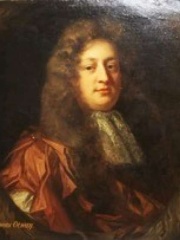
Thomas Otway
1652 - 1685
HPI: 60.93
Rank: 2,778
Sextus Pompeius Festus
150 - 350
HPI: 60.93
Rank: 2,779
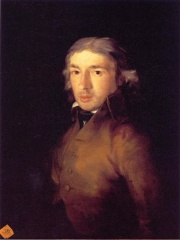
Leandro Fernández de Moratín
1760 - 1828
HPI: 60.93
Rank: 2,780
Salama Moussa
1887 - 1958
HPI: 60.93
Rank: 2,781
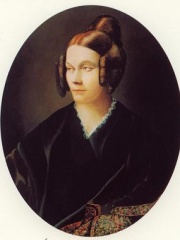
Countess of Ségur
1799 - 1874
HPI: 60.93
Rank: 2,782

Shakuntala Devi
1929 - 2013
HPI: 60.93
Rank: 2,783

Contemporaries
Among people born in 1020, Kekaumenos ranks 15. Before him are Gunhilda of Denmark, Vladimir of Novgorod, Zhang Zai, Henry II, Count of Louvain, Adelaide of Susa, and Otto of Nordheim. After him are Conrad I, Duke of Bavaria, William FitzOsbern, 1st Earl of Hereford, William of Poitiers, and Hallvard Vebjørnsson. Among people deceased in 1080, Kekaumenos ranks 6. Before him are Harald III of Denmark, Adam of Bremen, Rudolf of Rheinfelden, Amadeus II, Count of Savoy, and Michael Attaleiates. After him are Herbert IV, Count of Vermandois, and Ísleifur Gissurarson.
Others Born in 1020
Go to all Rankings
Gunhilda of Denmark
COMPANION
1020 - 1038
HPI: 63.00
Rank: 9
Vladimir of Novgorod
POLITICIAN
1020 - 1052
HPI: 62.47
Rank: 10
Zhang Zai
PHILOSOPHER
1020 - 1077
HPI: 62.28
Rank: 11

Henry II, Count of Louvain
NOBLEMAN
1020 - 1078
HPI: 62.05
Rank: 12
Adelaide of Susa
POLITICIAN
1020 - 1091
HPI: 61.78
Rank: 13

Otto of Nordheim
NOBLEMAN
1020 - 1083
HPI: 61.17
Rank: 14
Kekaumenos
WRITER
1020 - 1080
HPI: 60.93
Rank: 15

Conrad I, Duke of Bavaria
POLITICIAN
1020 - 1055
HPI: 60.68
Rank: 16

William FitzOsbern, 1st Earl of Hereford
MILITARY PERSONNEL
1020 - 1071
HPI: 58.18
Rank: 17

William of Poitiers
WRITER
1020 - 1090
HPI: 56.12
Rank: 18

Hallvard Vebjørnsson
RELIGIOUS FIGURE
1020 - 1043
HPI: 54.72
Rank: 19
Others Deceased in 1080
Go to all Rankings
Harald III of Denmark
POLITICIAN
1041 - 1080
HPI: 73.51
Rank: 1

Adam of Bremen
HISTORIAN
1100 - 1080
HPI: 72.91
Rank: 2
Rudolf of Rheinfelden
POLITICIAN
1025 - 1080
HPI: 66.68
Rank: 3
Amadeus II, Count of Savoy
POLITICIAN
1050 - 1080
HPI: 66.61
Rank: 4
Michael Attaleiates
HISTORIAN
1021 - 1080
HPI: 63.62
Rank: 5
Kekaumenos
WRITER
1020 - 1080
HPI: 60.93
Rank: 6

Herbert IV, Count of Vermandois
POLITICIAN
1032 - 1080
HPI: 57.71
Rank: 7

Ísleifur Gissurarson
RELIGIOUS FIGURE
1006 - 1080
HPI: 56.44
Rank: 8
In 土耳其
Among people born in 土耳其, Kekaumenos ranks 835 out of NaN. Before him are Audoin (541), Idris Bitlisi (1452), Çiçek Hatun (1431), Babylas of Antioch (238), George Mouzalon (1220), and Sait Faik Abasıyanık (1906). After him are Alec Issigonis (1906), Stephen I of Constantinople (867), Euphorbus (null), Aristides Quintilianus (150), Silahdar Damat Ali Pasha (1667), and Alexander Ypsilantis (1726).
Others born in 土耳其
Go to all Rankings
Audoin
POLITICIAN
541 - 560
HPI: 61.07
Rank: 829

Idris Bitlisi
WRITER
1452 - 1520
HPI: 61.05
Rank: 830

Çiçek Hatun
COMPANION
1431 - 1498
HPI: 61.04
Rank: 831
Babylas of Antioch
RELIGIOUS FIGURE
238 - 251
HPI: 61.03
Rank: 832

George Mouzalon
POLITICIAN
1220 - 1258
HPI: 60.97
Rank: 833

Sait Faik Abasıyanık
WRITER
1906 - 1954
HPI: 60.96
Rank: 834
Kekaumenos
WRITER
1020 - 1080
HPI: 60.93
Rank: 835

Alec Issigonis
ENGINEER
1906 - 1988
HPI: 60.92
Rank: 836
Stephen I of Constantinople
RELIGIOUS FIGURE
867 - 893
HPI: 60.92
Rank: 837
Euphorbus
POLITICIAN
HPI: 60.91
Rank: 838

Aristides Quintilianus
COMPOSER
150 - 250
HPI: 60.90
Rank: 839
Silahdar Damat Ali Pasha
POLITICIAN
1667 - 1716
HPI: 60.90
Rank: 840
Alexander Ypsilantis
POLITICIAN
1726 - 1807
HPI: 60.90
Rank: 841
Among 作家 In 土耳其
Among 作家 born in 土耳其, Kekaumenos ranks 83. Before him are Timotheus of Miletus (-450), Polemon I of Pontus (-65), John of Ephesus (507), Antimachus (-400), Idris Bitlisi (1452), and Sait Faik Abasıyanık (1906). After him are Theodore Prodromos (1115), Aristeas (-600), Parthenius of Nicaea (-1), Fatma Aliye Topuz (1862), Xanthus (-500), and Zabel Yesayan (1878).

Timotheus of Miletus
450 BC - 360 BC
HPI: 61.45
Rank: 77

Polemon I of Pontus
65 BC - 8 BC
HPI: 61.43
Rank: 78

John of Ephesus
507 - 588
HPI: 61.32
Rank: 79
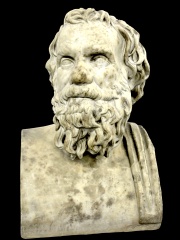
Antimachus
400 BC - 348 BC
HPI: 61.32
Rank: 80
Idris Bitlisi
1452 - 1520
HPI: 61.05
Rank: 81
Sait Faik Abasıyanık
1906 - 1954
HPI: 60.96
Rank: 82
Kekaumenos
1020 - 1080
HPI: 60.93
Rank: 83

Theodore Prodromos
1115 - 1160
HPI: 60.73
Rank: 84

Aristeas
600 BC - Present
HPI: 60.49
Rank: 85

Parthenius of Nicaea
1 BC - 14
HPI: 60.47
Rank: 86
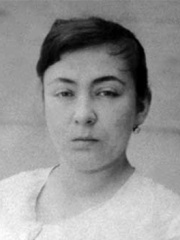
Fatma Aliye Topuz
1862 - 1936
HPI: 60.44
Rank: 87

Xanthus
500 BC - 500 BC
HPI: 60.39
Rank: 88
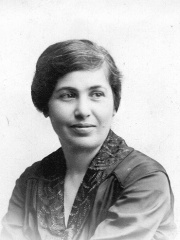
Zabel Yesayan
1878 - 1943
HPI: 60.36
Rank: 89