宗教人物
Blessed Gerard
1047 - 1120
ZH.WIKIPEDIA PAGE VIEWS (PV)
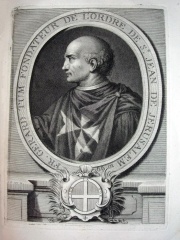
 Blessed Gerard
受祝福的杰拉德 ( 约1040年– 1120年9月3日)是一位意大利本笃会修士,大约1080年,他就開始管理医院区的醫院。 1099年第一次十字军东征成功后,他創辦了医院骑士团。 受祝福的杰拉德死后,医院骑士团試圖保存他的遗体,起初他的遺體躺在耶路撒冷的修道院中,耶路撒冷陷落后,他的遗体移至阿卡。後來他的遗体又轉移至西方。 在维基百科上阅读更多
他的传记在维基百科上提供 23 种语言版本(较 2024 年的 21 种增加)。Blessed Gerard在最受欢迎的宗教人物中排名第815位(较 2024 年的第842位上升),在意大利人物传记中排名第1048位(较 2019 年的第1182位上升),并在最受欢迎的意大利宗教人物中排名第277位。
Memorability Metrics
Page views of Blessed Gerard by language
Among 宗教人物
Among 宗教人物, Blessed Gerard ranks 815 out of 3,187. Before him are Josaphat Kuntsevych, Haran, Ibrahim ibn Adham, Giuseppe Siri, Mahinda, and John of Ávila. After him are Thomas Wolsey, Catherine of Vadstena, Agabus, Margot Frank, Marc Ouellet, and Joanna, wife of Chuza.
Most Popular 宗教人物 in Wikipedia
Go to all Rankings
Josaphat Kuntsevych
1580 - 1623
HPI: 69.06
Rank: 809

Haran
HPI: 69.05
Rank: 810

Ibrahim ibn Adham
718 - 782
HPI: 69.04
Rank: 811
Giuseppe Siri
1906 - 1989
HPI: 69.02
Rank: 812

Mahinda
285 BC - 205 BC
HPI: 69.02
Rank: 813
John of Ávila
1500 - 1569
HPI: 69.02
Rank: 814
Blessed Gerard
1047 - 1120
HPI: 69.00
Rank: 815
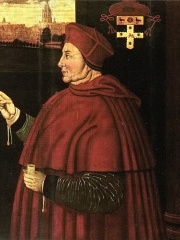
Thomas Wolsey
1473 - 1530
HPI: 68.97
Rank: 816
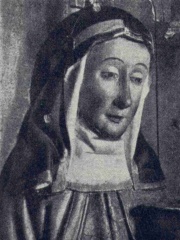
Catherine of Vadstena
1331 - 1381
HPI: 68.97
Rank: 817

Agabus
100 - 100
HPI: 68.95
Rank: 818
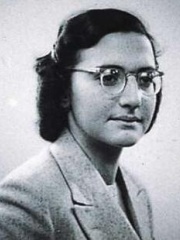
Margot Frank
1926 - 1945
HPI: 68.95
Rank: 819
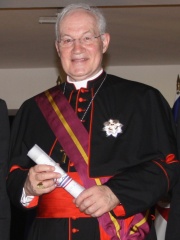
Marc Ouellet
1944 - Present
HPI: 68.95
Rank: 820
Joanna, wife of Chuza
1 - 100
HPI: 68.94
Rank: 821

Contemporaries
Among people born in 1047, Blessed Gerard ranks 1. After him is Sunjong of Goryeo. Among people deceased in 1120, Blessed Gerard ranks 1. After him are William Adelin, Albert of Aix, Ingegerd of Norway, Welf II, Duke of Bavaria, Baldwin III, Count of Hainaut, Bahya ibn Paquda, and Eadmer.
Others Born in 1047
Go to all RankingsBlessed Gerard
RELIGIOUS FIGURE
1047 - 1120
HPI: 69.00
Rank: 1

Sunjong of Goryeo
POLITICIAN
1047 - 1083
HPI: 63.17
Rank: 2
Others Deceased in 1120
Go to all RankingsBlessed Gerard
RELIGIOUS FIGURE
1047 - 1120
HPI: 69.00
Rank: 1
William Adelin
1103 - 1120
HPI: 66.90
Rank: 2

Albert of Aix
WRITER
1060 - 1120
HPI: 65.43
Rank: 3

Ingegerd of Norway
NOBLEMAN
1100 - 1120
HPI: 64.07
Rank: 4
Welf II, Duke of Bavaria
POLITICIAN
1072 - 1120
HPI: 62.37
Rank: 5

Baldwin III, Count of Hainaut
POLITICIAN
1088 - 1120
HPI: 62.14
Rank: 6

Bahya ibn Paquda
PHILOSOPHER
1050 - 1120
HPI: 59.86
Rank: 7
Eadmer
HISTORIAN
1060 - 1120
HPI: 54.94
Rank: 8
In 意大利
Among people born in 意大利, Blessed Gerard ranks 1,048 out of NaN. Before him are Renata Tebaldi (1922), Gaius Lucilius (-180), Eleanor de' Medici (1567), Giuliano da Sangallo (1445), Eduard von Böhm-Ermolli (1856), and Giuseppe Siri (1906). After him are Vincenzo Viviani (1622), Niccolò dell'Abbate (1512), Richard Rogers (1933), Charles Felix of Sardinia (1765), Maria Theresa of Austria-Este, Queen of Sardinia (1773), and Vibia Sabina (86).
Others born in 意大利
Go to all Rankings
Renata Tebaldi
SINGER
1922 - 2004
HPI: 69.06
Rank: 1,042

Gaius Lucilius
WRITER
180 BC - 102 BC
HPI: 69.05
Rank: 1,043
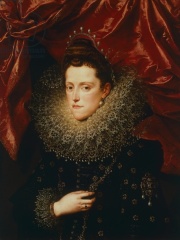
Eleanor de' Medici
POLITICIAN
1567 - 1611
HPI: 69.05
Rank: 1,044
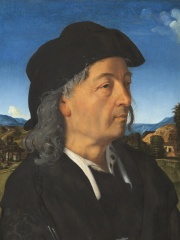
Giuliano da Sangallo
ARCHITECT
1445 - 1516
HPI: 69.04
Rank: 1,045
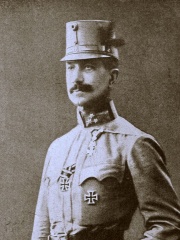
Eduard von Böhm-Ermolli
MILITARY PERSONNEL
1856 - 1941
HPI: 69.02
Rank: 1,046
Giuseppe Siri
RELIGIOUS FIGURE
1906 - 1989
HPI: 69.02
Rank: 1,047
Blessed Gerard
RELIGIOUS FIGURE
1047 - 1120
HPI: 69.00
Rank: 1,048
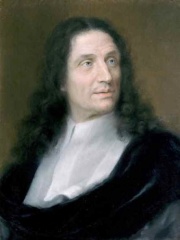
Vincenzo Viviani
MATHEMATICIAN
1622 - 1703
HPI: 69.00
Rank: 1,049

Niccolò dell'Abbate
PAINTER
1512 - 1571
HPI: 68.99
Rank: 1,050

Richard Rogers
ARCHITECT
1933 - 2021
HPI: 68.99
Rank: 1,051
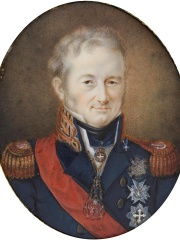
Charles Felix of Sardinia
POLITICIAN
1765 - 1831
HPI: 68.97
Rank: 1,052
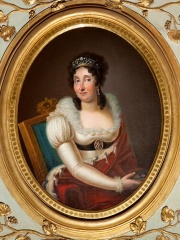
Maria Theresa of Austria-Este, Queen of Sardinia
POLITICIAN
1773 - 1832
HPI: 68.97
Rank: 1,053
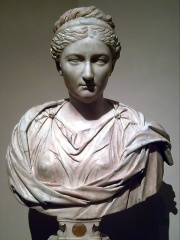
Vibia Sabina
COMPANION
86 - 136
HPI: 68.96
Rank: 1,054
Among 宗教人物 In 意大利
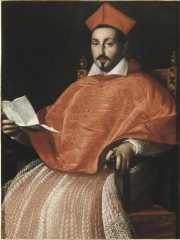
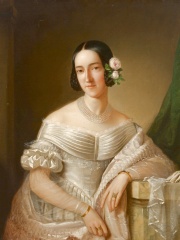
Among 宗教人物 born in 意大利, Blessed Gerard ranks 277. Before him are Giovanni Angelo Becciu (1948), Antipope Paschal III (1110), Augustine of Canterbury (510), Antipope Anacletus II (1090), Emma Morano (1899), and Giuseppe Siri (1906). After him are John of Capistrano (1386), Romuald (951), Justus (600), Giuseppe Caspar Mezzofanti (1774), Scipione Borghese (1577), and Maria Cristina of Savoy (1812).
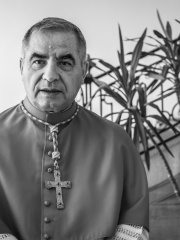
Giovanni Angelo Becciu
1948 - Present
HPI: 69.64
Rank: 271
Antipope Paschal III
1110 - 1168
HPI: 69.59
Rank: 272
Augustine of Canterbury
510 - 604
HPI: 69.53
Rank: 273
Antipope Anacletus II
1090 - 1138
HPI: 69.26
Rank: 274
Emma Morano
1899 - 2017
HPI: 69.23
Rank: 275
Giuseppe Siri
1906 - 1989
HPI: 69.02
Rank: 276
Blessed Gerard
1047 - 1120
HPI: 69.00
Rank: 277
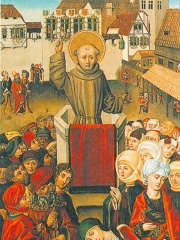
John of Capistrano
1386 - 1456
HPI: 68.90
Rank: 278
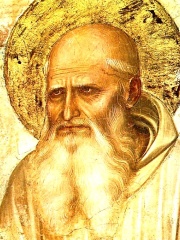
Romuald
951 - 1027
HPI: 68.86
Rank: 279
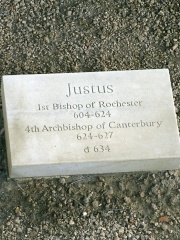
Justus
600 - 631
HPI: 68.85
Rank: 280
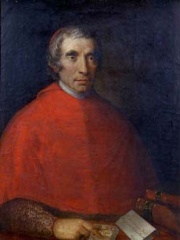
Giuseppe Caspar Mezzofanti
1774 - 1849
HPI: 68.84
Rank: 281
Scipione Borghese
1577 - 1633
HPI: 68.74
Rank: 282
Maria Cristina of Savoy
1812 - 1836
HPI: 68.73
Rank: 283