Философ
Vyasa
390 BC - 310 BC
RU.WIKIPEDIA PAGE VIEWS (PV)
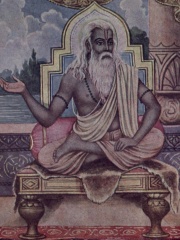
 Vyasa
Vyasa
Его биография доступна на 62 различных языках в Википедии. Vyasa занимает 320-е место среди самых популярных философ (снижение с 226-е места в 2024 году), занимает 112-е место среди самых популярных биографий из Индии (снижение с 56-е места в 2019 году) и занимает 15-е место среди философ Индия.
Memorability Metrics
Page views of Vyasa by language
Among Философ
Among философ, Vyasa ranks 320 out of 1,267. Before him are Lucien Lévy-Bruhl, Alfred Schütz, Abu Yusuf, Mazdak, Pietro Pomponazzi, and Moritz Schlick. After him are Ari Thorgilsson, Hipparchia of Maroneia, Aenesidemus, Gennadius Scholarius, Cleobulus, and G. E. Moore.
Most Popular Философ in Wikipedia
Go to all Rankings
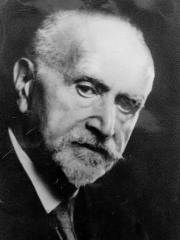
Lucien Lévy-Bruhl
1857 - 1939
HPI: 70.40
Rank: 314
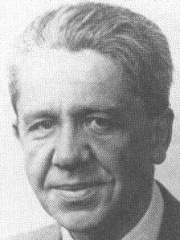
Alfred Schütz
1899 - 1959
HPI: 70.35
Rank: 315

Abu Yusuf
731 - 798
HPI: 70.34
Rank: 316
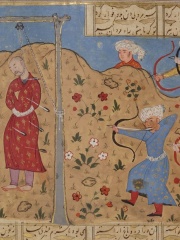
Mazdak
450 - 529
HPI: 70.30
Rank: 317
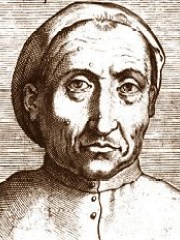
Pietro Pomponazzi
1462 - 1525
HPI: 70.27
Rank: 318
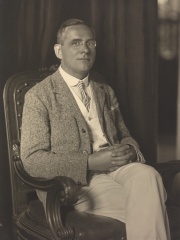
Moritz Schlick
1882 - 1936
HPI: 70.25
Rank: 319
Vyasa
390 BC - 310 BC
HPI: 70.22
Rank: 320

Ari Thorgilsson
1067 - 1148
HPI: 70.13
Rank: 321

Hipparchia of Maroneia
350 BC - 300 BC
HPI: 70.13
Rank: 322

Aenesidemus
80 BC - 10 BC
HPI: 70.04
Rank: 323

Gennadius Scholarius
1400 - 1473
HPI: 70.01
Rank: 324
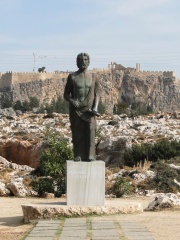
Cleobulus
590 BC - 510 BC
HPI: 70.00
Rank: 325
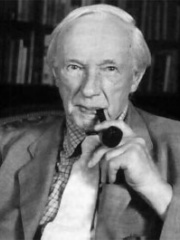
G. E. Moore
1873 - 1958
HPI: 70.00
Rank: 326

Contemporaries
Among people born in 390 BC, Vyasa ranks 3. Before him are Lysippos, and Shang Yang. After him are Lycurgus of Athens, Hieronymus of Cardia, Hakor, Hypereides, Alexander V of Macedon, Peucestas, Tiberius Coruncanius, Manius Curius Dentatus, and Jaimini. Among people deceased in 310 BC, Vyasa ranks 4. Before him are Roxana, Pytheas, and Phryne. After him are Pharnabazus III, Bian Que, Hui Shi, and Nicanor.
Others Born in 390 BC
Go to all Rankings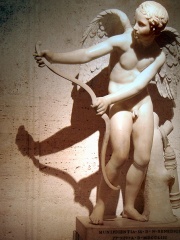
Lysippos
SCULPTOR
390 BC - 300 BC
HPI: 75.87
Rank: 1
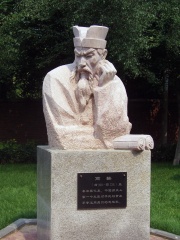
Shang Yang
POLITICIAN
390 BC - 338 BC
HPI: 74.02
Rank: 2
Vyasa
PHILOSOPHER
390 BC - 310 BC
HPI: 70.22
Rank: 3

Lycurgus of Athens
POLITICIAN
390 BC - 324 BC
HPI: 66.69
Rank: 4

Hieronymus of Cardia
WRITER
390 BC - 250 BC
HPI: 66.32
Rank: 5
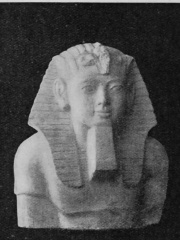
Hakor
POLITICIAN
390 BC - 380 BC
HPI: 65.53
Rank: 6
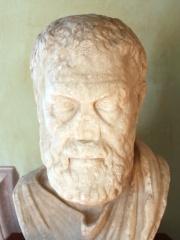
Hypereides
POLITICIAN
390 BC - 322 BC
HPI: 65.30
Rank: 7

Alexander V of Macedon
POLITICIAN
390 BC - 294 BC
HPI: 65.23
Rank: 8
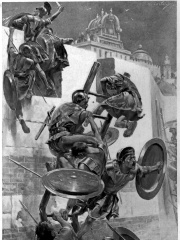
Peucestas
MILITARY PERSONNEL
390 BC - 330 BC
HPI: 65.02
Rank: 9

Tiberius Coruncanius
POLITICIAN
390 BC - 243 BC
HPI: 62.27
Rank: 10

Manius Curius Dentatus
POLITICIAN
390 BC - 270 BC
HPI: 62.11
Rank: 11

Jaimini
PHILOSOPHER
390 BC - Present
HPI: 60.42
Rank: 12
Others Deceased in 310 BC
Go to all Rankings
Roxana
COMPANION
347 BC - 310 BC
HPI: 78.55
Rank: 1
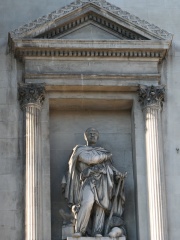
Pytheas
EXPLORER
380 BC - 310 BC
HPI: 74.06
Rank: 2

Phryne
MODEL
371 BC - 310 BC
HPI: 73.16
Rank: 3
Vyasa
PHILOSOPHER
390 BC - 310 BC
HPI: 70.22
Rank: 4
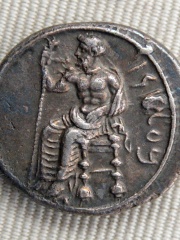
Pharnabazus III
POLITICIAN
365 BC - 310 BC
HPI: 65.98
Rank: 5
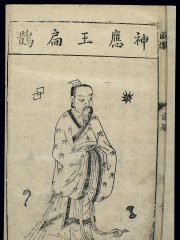
Bian Que
PHYSICIAN
401 BC - 310 BC
HPI: 62.93
Rank: 6

Hui Shi
PHILOSOPHER
370 BC - 310 BC
HPI: 62.18
Rank: 7

Nicanor
MILITARY PERSONNEL
400 BC - 310 BC
HPI: 59.70
Rank: 8
In Индия
Among people born in Индия, Vyasa ranks 112 out of NaN. Before him are Nizam-ul-Mulk, Asaf Jah I (1671), Satyajit Ray (1921), Dayananda Saraswati (1824), C. R. Rao (1920), Rajiv Gandhi (1944), and Chaitanya Mahaprabhu (1486). After him are Ram Nath Kovind (1945), Pervez Musharraf (1943), Muhammad Azam Shah (1653), Tipu Sultan (1750), Bal Gangadhar Tilak (1856), and Baji Rao I (1700).
Others born in Индия
Go to all Rankings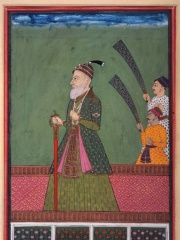
Nizam-ul-Mulk, Asaf Jah I
POLITICIAN
1671 - 1748
HPI: 70.50
Rank: 106
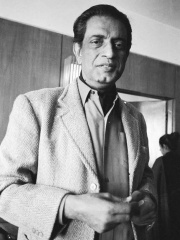
Satyajit Ray
FILM DIRECTOR
1921 - 1992
HPI: 70.38
Rank: 107
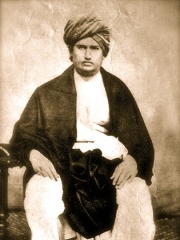
Dayananda Saraswati
RELIGIOUS FIGURE
1824 - 1883
HPI: 70.37
Rank: 108
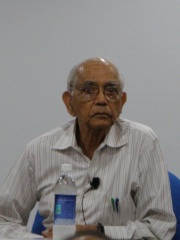
C. R. Rao
STATISTICIAN
1920 - 2023
HPI: 70.33
Rank: 109
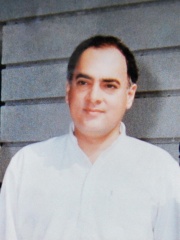
Rajiv Gandhi
POLITICIAN
1944 - 1991
HPI: 70.28
Rank: 110

Chaitanya Mahaprabhu
RELIGIOUS FIGURE
1486 - 1534
HPI: 70.26
Rank: 111
Vyasa
PHILOSOPHER
390 BC - 310 BC
HPI: 70.22
Rank: 112
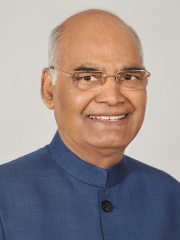
Ram Nath Kovind
POLITICIAN
1945 - Present
HPI: 70.16
Rank: 113
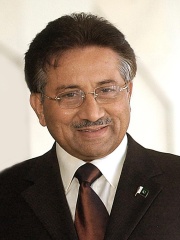
Pervez Musharraf
POLITICIAN
1943 - 2023
HPI: 70.12
Rank: 114
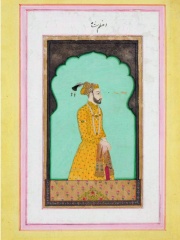
Muhammad Azam Shah
POLITICIAN
1653 - 1707
HPI: 70.10
Rank: 115
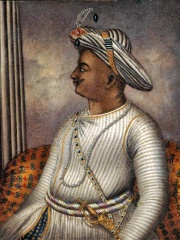
Tipu Sultan
POLITICIAN
1750 - 1799
HPI: 70.09
Rank: 116
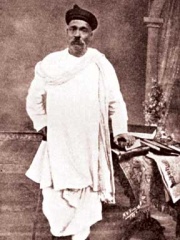
Bal Gangadhar Tilak
SOCIAL ACTIVIST
1856 - 1920
HPI: 70.04
Rank: 117
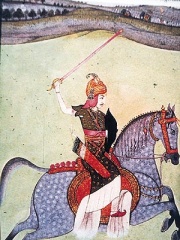
Baji Rao I
MILITARY PERSONNEL
1700 - 1740
HPI: 69.90
Rank: 118
Among Философ In Индия
Among философ born in Индия, Vyasa ranks 15. Before him are Ram Mohan Roy (1772), Kabir (1440), Paramahansa Yogananda (1893), Aśvaghoṣa (80), Sri Aurobindo (1872), and Ramana Maharshi (1879). After him are Abul A'la Maududi (1903), Ramanuja (1017), Chandrakirti (600), Shah Waliullah Dehlawi (1703), Jyotirao Phule (1827), and Shantideva (685).
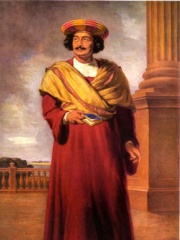
Ram Mohan Roy
1772 - 1833
HPI: 75.03
Rank: 9
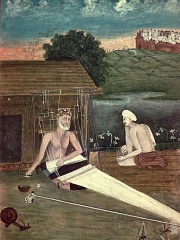
Kabir
1440 - 1518
HPI: 74.51
Rank: 10
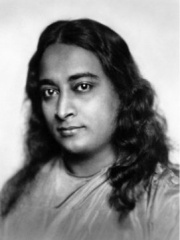
Paramahansa Yogananda
1893 - 1952
HPI: 71.62
Rank: 11
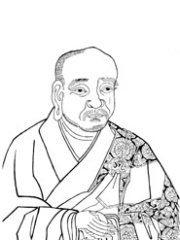
Aśvaghoṣa
80 - 150
HPI: 71.30
Rank: 12
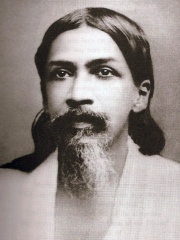
Sri Aurobindo
1872 - 1950
HPI: 71.21
Rank: 13
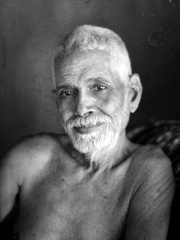
Ramana Maharshi
1879 - 1950
HPI: 71.16
Rank: 14
Vyasa
390 BC - 310 BC
HPI: 70.22
Rank: 15
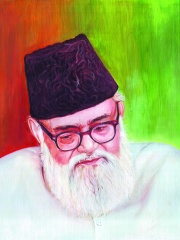
Abul A'la Maududi
1903 - 1979
HPI: 69.30
Rank: 16
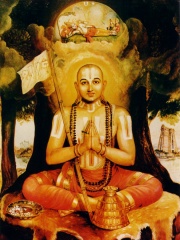
Ramanuja
1017 - 1137
HPI: 69.10
Rank: 17

Chandrakirti
600 - 650
HPI: 68.88
Rank: 18

Shah Waliullah Dehlawi
1703 - 1762
HPI: 67.42
Rank: 19
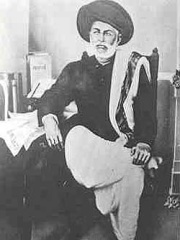
Jyotirao Phule
1827 - 1890
HPI: 67.24
Rank: 20

Shantideva
685 - 763
HPI: 67.07
Rank: 21