Политик
Tolui
1191 - 1232
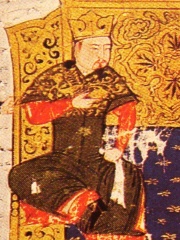
 Tolui
Tolui
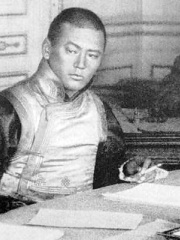
Толу́й, Тулу́й (монг. Толуй?, ᠲᠤᠯᠤᠢ?, кит. 拖雷; 1186/1190 или ок. 1193 — 1232) — государственный деятель Монгольской империи, военачальник. Подробнее в Википедии
His biography is available in 53 different languages on Wikipedia. Tolui is the 506th most popular политик (up from 606th in 2024), the 6th most popular biography from Mongolia and the 4th most popular Mongolian Политик.
Tolui is most famous for being the son of Genghis Khan and the father of Möngke Khan.
Memorability Metrics
Page views of Tolui by language
Among Политик
Among политик, Tolui ranks 506 out of 19,576. Before him are Otho, Georgy Malenkov, Louis VII of France, Ahmed II, Abdullah of Saudi Arabia, and Simeon Saxe-Coburg-Gotha. After him are Kocheril R. Narayanan, Arcadius, Razia Sultana, Eduard Shevardnadze, Omar al-Bashir, and Jawaharlal Nehru.
Most Popular Политик in Wikipedia
Go to all Rankings
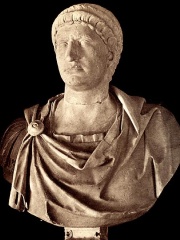
Otho
32 - 69
HPI: 79.11
Rank: 500
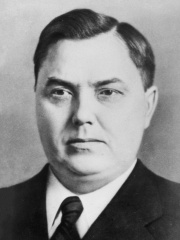
Georgy Malenkov
1902 - 1988
HPI: 79.10
Rank: 501
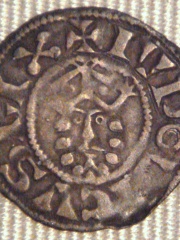
Louis VII of France
1120 - 1180
HPI: 79.10
Rank: 502
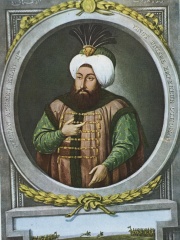
Ahmed II
1643 - 1695
HPI: 79.09
Rank: 503
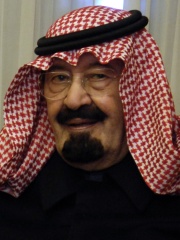
Abdullah of Saudi Arabia
1924 - 2015
HPI: 79.06
Rank: 504

Simeon Saxe-Coburg-Gotha
1937 - Present
HPI: 79.05
Rank: 505
Tolui
1191 - 1232
HPI: 79.05
Rank: 506
Kocheril R. Narayanan
1921 - 2005
HPI: 79.03
Rank: 507
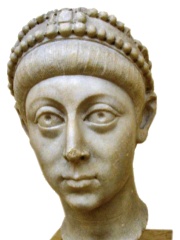
Arcadius
377 - 408
HPI: 79.01
Rank: 508
Razia Sultana
1205 - 1240
HPI: 79.00
Rank: 509
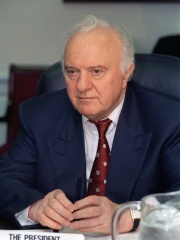
Eduard Shevardnadze
1928 - 2014
HPI: 79.00
Rank: 510
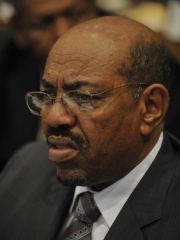
Omar al-Bashir
1944 - Present
HPI: 79.00
Rank: 511
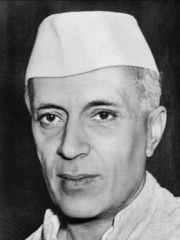
Jawaharlal Nehru
1889 - 1964
HPI: 78.99
Rank: 512

Contemporaries
Among people born in 1191, Tolui ranks 1. After him are Yaroslav II of Vladimir, George IV of Georgia, Peter I, Duke of Brittany, Eleanor of Castile, Joan I, Countess of Burgundy, Beatrice II, Countess of Burgundy, Theobald I, Duke of Lorraine, and Joan, Lady of Wales. Among people deceased in 1232, Tolui ranks 1. After him are Peire de Montagut, Rudolf II, Count of Habsburg, Idris al-Ma'mun, and Michael Scot.
Others Born in 1191
Go to all RankingsTolui
POLITICIAN
1191 - 1232
HPI: 79.05
Rank: 1
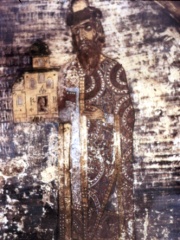
Yaroslav II of Vladimir
POLITICIAN
1191 - 1246
HPI: 65.91
Rank: 2
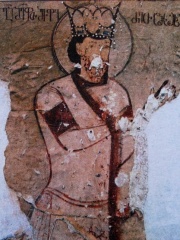
George IV of Georgia
POLITICIAN
1191 - 1223
HPI: 64.38
Rank: 3
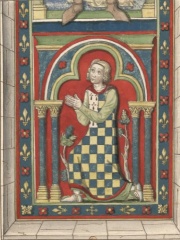
Peter I, Duke of Brittany
POLITICIAN
1191 - 1250
HPI: 63.28
Rank: 4
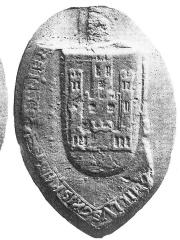
Eleanor of Castile
POLITICIAN
1191 - 1244
HPI: 62.78
Rank: 5

Joan I, Countess of Burgundy
POLITICIAN
1191 - 1205
HPI: 61.84
Rank: 6

Beatrice II, Countess of Burgundy
POLITICIAN
1191 - 1231
HPI: 60.29
Rank: 7
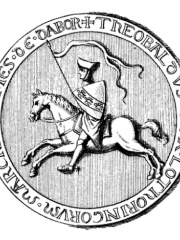
Theobald I, Duke of Lorraine
NOBLEMAN
1191 - 1220
HPI: 59.11
Rank: 8
Joan, Lady of Wales
POLITICIAN
1191 - 1237
HPI: 54.42
Rank: 9
Others Deceased in 1232
Go to all RankingsTolui
POLITICIAN
1191 - 1232
HPI: 79.05
Rank: 1

Peire de Montagut
POLITICIAN
1200 - 1232
HPI: 66.30
Rank: 2
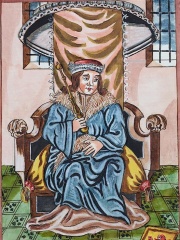
Rudolf II, Count of Habsburg
NOBLEMAN
1168 - 1232
HPI: 66.12
Rank: 3

Idris al-Ma'mun
POLITICIAN
1186 - 1232
HPI: 63.33
Rank: 4
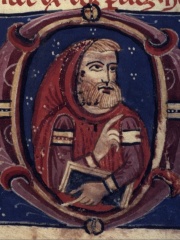
Michael Scot
OCCULTIST
1175 - 1232
HPI: 62.42
Rank: 5
In Mongolia
Among people born in Mongolia, Tolui ranks 6 out of 71. Before him are Genghis Khan (1162), Hulagu Khan (1217), Jochi (1181), Batu Khan (1207), and Chagatai Khan (1183). After him are Subutai (1175), Modu Chanyu (-234), Berke (1209), Börte (1161), Ariq Böke (1219), and Abaqa Khan (1234).
Others born in Mongolia
Go to all Rankings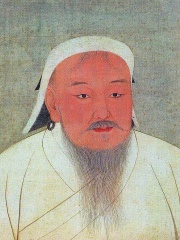
Genghis Khan
MILITARY PERSONNEL
1162 - 1227
HPI: 98.43
Rank: 1
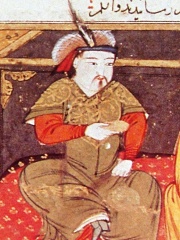
Hulagu Khan
POLITICIAN
1217 - 1265
HPI: 84.69
Rank: 2
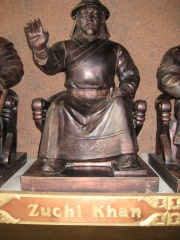
Jochi
MILITARY PERSONNEL
1181 - 1227
HPI: 81.23
Rank: 3
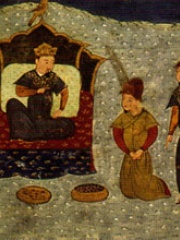
Batu Khan
POLITICIAN
1207 - 1255
HPI: 81.22
Rank: 4
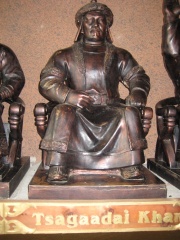
Chagatai Khan
POLITICIAN
1183 - 1242
HPI: 79.21
Rank: 5
Tolui
POLITICIAN
1191 - 1232
HPI: 79.05
Rank: 6
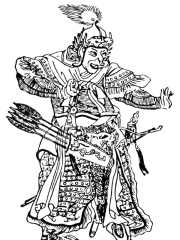
Subutai
MILITARY PERSONNEL
1175 - 1248
HPI: 75.70
Rank: 7
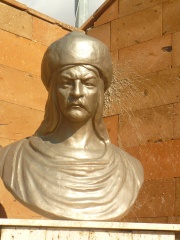
Modu Chanyu
POLITICIAN
234 BC - 174 BC
HPI: 75.23
Rank: 8
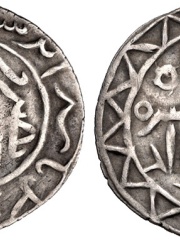
Berke
POLITICIAN
1209 - 1266
HPI: 75.07
Rank: 9
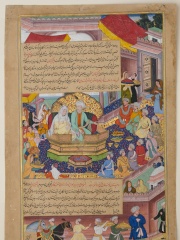
Börte
POLITICIAN
1161 - 1230
HPI: 74.50
Rank: 10
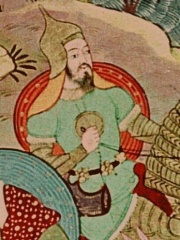
Ariq Böke
POLITICIAN
1219 - 1266
HPI: 73.98
Rank: 11
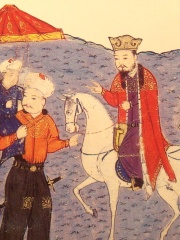
Abaqa Khan
POLITICIAN
1234 - 1282
HPI: 73.66
Rank: 12
Among Политик In Mongolia
Among политик born in Mongolia, Tolui ranks 4. Before him are Hulagu Khan (1217), Batu Khan (1207), and Chagatai Khan (1183). After him are Modu Chanyu (-234), Berke (1209), Börte (1161), Ariq Böke (1219), Abaqa Khan (1234), Toghrul (1130), Jebe (1137), and Damdin Sükhbaatar (1893).
Hulagu Khan
1217 - 1265
HPI: 84.69
Rank: 1
Batu Khan
1207 - 1255
HPI: 81.22
Rank: 2
Chagatai Khan
1183 - 1242
HPI: 79.21
Rank: 3
Tolui
1191 - 1232
HPI: 79.05
Rank: 4
Modu Chanyu
234 BC - 174 BC
HPI: 75.23
Rank: 5
Berke
1209 - 1266
HPI: 75.07
Rank: 6
Börte
1161 - 1230
HPI: 74.50
Rank: 7
Ariq Böke
1219 - 1266
HPI: 73.98
Rank: 8
Abaqa Khan
1234 - 1282
HPI: 73.66
Rank: 9
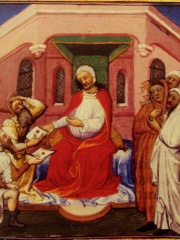
Toghrul
1130 - 1203
HPI: 72.19
Rank: 10

Jebe
1137 - 1225
HPI: 71.90
Rank: 11
Damdin Sükhbaatar
1893 - 1923
HPI: 70.61
Rank: 12