Figura religiosa
Justin Welby
1956 - presente
PT.WIKIPEDIA PAGE VIEWS (PV)
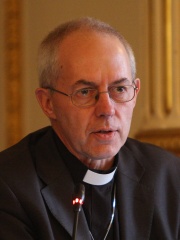
 Justin Welby
Sua biografia está disponível em 37 idiomas na Wikipédia (aumento em relação a 33 em 2024). Justin Welby é o 2538º figura religiosa mais popular (subiu do 2548º em 2024), a 3231ª biografia mais popular do Reino Unido (subiu do 3312ª em 2019) e o 77º figura religiosa mais popular do Reino Unido.
Memorability Metrics
Page views of Justin Welby by language
Among Figura religiosas
Among figura religiosas, Justin Welby ranks 2,538 out of 3,187. Before him are Theudas, Friedrich Gustav Piffl, Sisinnius II of Constantinople, Joseph Höffner, Caterina Volpicelli, and Jaime Sin. After him are Abundius, Ignatius Gabriel I Tappouni, Junia Tertia, Giovanni Cagliero, Paul Yoshigoro Taguchi, and Austromoine.
Most Popular Figura Religiosas in Wikipedia
Go to all Rankings

Theudas
50 BC - 46
HPI: 57.79
Rank: 2,532
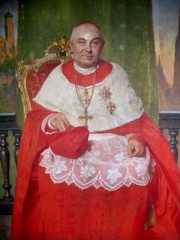
Friedrich Gustav Piffl
1864 - 1932
HPI: 57.78
Rank: 2,533

Sisinnius II of Constantinople
HPI: 57.78
Rank: 2,534
Joseph Höffner
1906 - 1987
HPI: 57.78
Rank: 2,535
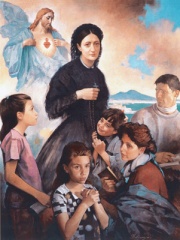
Caterina Volpicelli
1839 - 1894
HPI: 57.77
Rank: 2,536
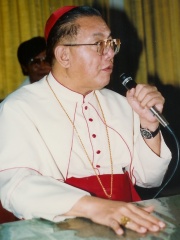
Jaime Sin
1928 - 2005
HPI: 57.77
Rank: 2,537
Justin Welby
1956 - Present
HPI: 57.76
Rank: 2,538
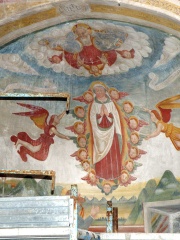
Abundius
HPI: 57.76
Rank: 2,539

Ignatius Gabriel I Tappouni
1879 - 1968
HPI: 57.76
Rank: 2,540

Junia Tertia
70 BC - 22
HPI: 57.74
Rank: 2,541
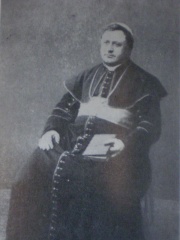
Giovanni Cagliero
1838 - 1926
HPI: 57.73
Rank: 2,542
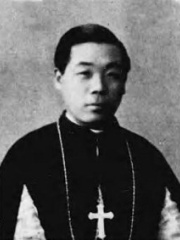
Paul Yoshigoro Taguchi
1902 - 1978
HPI: 57.73
Rank: 2,543
Austromoine
300 - 300
HPI: 57.73
Rank: 2,544

Contemporaries
Among people born in 1956, Justin Welby ranks 246. Before him are Emmanuel Kundé, Bernd Förster, Cynthia Rhodes, David Card, Roberto Malone, and Vladislav Listyev. After him are Pierre-Louis Lions, Yiannis Kouros, Shah Mahmood Qureshi, Mark St. John, Thomas Wassberg, and Takeshi Okada.
Others Born in 1956
Go to all Rankings
Emmanuel Kundé
SOCCER PLAYER
1956 - 2025
HPI: 57.97
Rank: 240

Bernd Förster
SOCCER PLAYER
1956 - Present
HPI: 57.95
Rank: 241

Cynthia Rhodes
ACTOR
1956 - Present
HPI: 57.95
Rank: 242

David Card
ECONOMIST
1956 - Present
HPI: 57.95
Rank: 243

Roberto Malone
PORNOGRAPHIC ACTOR
1956 - Present
HPI: 57.87
Rank: 244
Vladislav Listyev
JOURNALIST
1956 - 1995
HPI: 57.87
Rank: 245
Justin Welby
RELIGIOUS FIGURE
1956 - Present
HPI: 57.76
Rank: 246
Pierre-Louis Lions
MATHEMATICIAN
1956 - Present
HPI: 57.75
Rank: 247

Yiannis Kouros
ATHLETE
1956 - Present
HPI: 57.66
Rank: 248

Shah Mahmood Qureshi
POLITICIAN
1956 - Present
HPI: 57.65
Rank: 249
Mark St. John
MUSICIAN
1956 - 2007
HPI: 57.64
Rank: 250

Thomas Wassberg
SKIER
1956 - Present
HPI: 57.60
Rank: 251

Takeshi Okada
SOCCER PLAYER
1956 - Present
HPI: 57.56
Rank: 252
In Reino Unido
Among people born in Reino Unido, Justin Welby ranks 3,232 out of NaN. Before him are Kate Greenaway (1846), Thomas Telford (1757), David Watson (1946), James Somerville (1882), Richard Dadd (1817), and John Pond (1767). After him are Richard Cobden (1804), Jimmy Bain (1947), Nobby Stiles (1942), James Legge (1815), Ida of Bernicia (450), and Ralph Erskine (1914).
Others born in Reino Unido
Go to all Rankings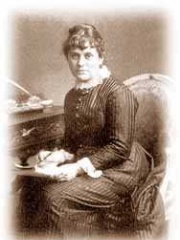
Kate Greenaway
PAINTER
1846 - 1901
HPI: 57.78
Rank: 3,226
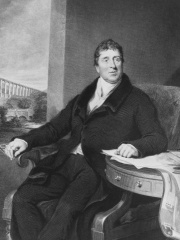
Thomas Telford
ARCHITECT
1757 - 1834
HPI: 57.78
Rank: 3,227

David Watson
SOCCER PLAYER
1946 - Present
HPI: 57.77
Rank: 3,228
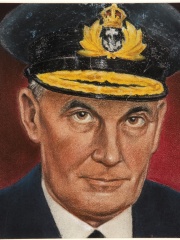
James Somerville
MILITARY PERSONNEL
1882 - 1949
HPI: 57.77
Rank: 3,229
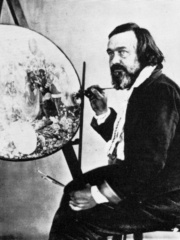
Richard Dadd
PAINTER
1817 - 1886
HPI: 57.77
Rank: 3,230

John Pond
ASTRONOMER
1767 - 1836
HPI: 57.77
Rank: 3,231
Justin Welby
RELIGIOUS FIGURE
1956 - Present
HPI: 57.76
Rank: 3,232
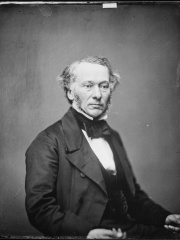
Richard Cobden
POLITICIAN
1804 - 1865
HPI: 57.76
Rank: 3,233
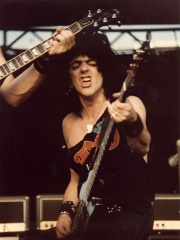
Jimmy Bain
MUSICIAN
1947 - 2016
HPI: 57.76
Rank: 3,234
Nobby Stiles
SOCCER PLAYER
1942 - 2020
HPI: 57.76
Rank: 3,235
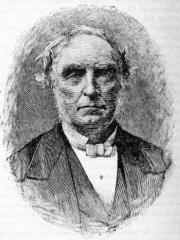
James Legge
LINGUIST
1815 - 1897
HPI: 57.76
Rank: 3,236
Ida of Bernicia
POLITICIAN
450 - 559
HPI: 57.75
Rank: 3,237
Ralph Erskine
ARCHITECT
1914 - 2005
HPI: 57.75
Rank: 3,238
Among Figura religiosas In Reino Unido
Among figura religiosas born in Reino Unido, Justin Welby ranks 77. Before him are Matthew Stewart, 4th Earl of Lennox (1516), Arthur Roche (1950), Wulfhere of Mercia (650), Lullus (710), Andrew Bell (1753), and Richard Hooker (1554). After him are Edmund Campion (1540), Æthelthryth (636), George Abbot (1562), Henry Edward Manning (1808), Samson of Dol (490), and Hugh Latimer (1485).
Matthew Stewart, 4th Earl of Lennox
1516 - 1571
HPI: 59.04
Rank: 71
Arthur Roche
1950 - Present
HPI: 58.99
Rank: 72
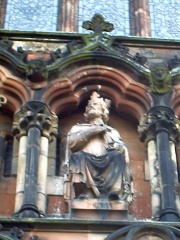
Wulfhere of Mercia
650 - 675
HPI: 58.49
Rank: 73
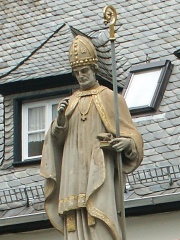
Lullus
710 - 786
HPI: 58.43
Rank: 74

Andrew Bell
1753 - 1832
HPI: 58.13
Rank: 75
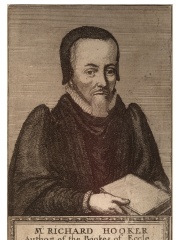
Richard Hooker
1554 - 1600
HPI: 58.04
Rank: 76
Justin Welby
1956 - Present
HPI: 57.76
Rank: 77
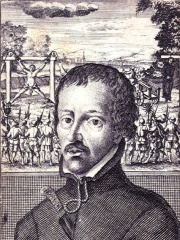
Edmund Campion
1540 - 1581
HPI: 57.60
Rank: 78
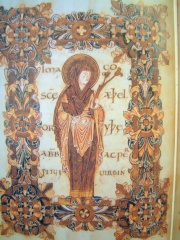
Æthelthryth
636 - 679
HPI: 57.19
Rank: 79
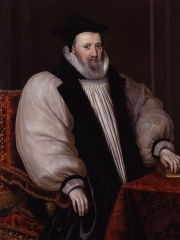
George Abbot
1562 - 1633
HPI: 57.15
Rank: 80
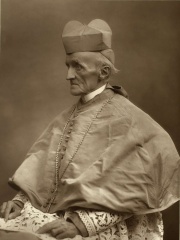
Henry Edward Manning
1808 - 1892
HPI: 56.95
Rank: 81
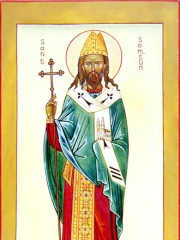
Samson of Dol
490 - 565
HPI: 56.94
Rank: 82
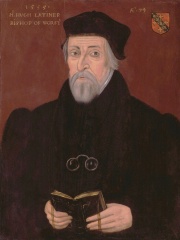
Hugh Latimer
1485 - 1555
HPI: 56.88
Rank: 83