Escritor
George Lillo
1691 - 1739
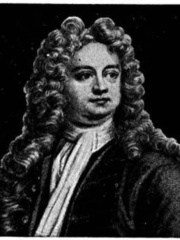
 George Lillo
Sua biografia está disponível em 16 idiomas na Wikipédia. George Lillo é o 5565º escritor mais popular (subiu do 5589º em 2024), a 4493ª biografia mais popular do Reino Unido (caiu do 4292ª em 2019) e o 487º escritor mais popular do Reino Unido.
Memorability Metrics
Page views of George Lillo by language
Among Escritors
Among escritors, George Lillo ranks 5,565 out of 7,302. Before him are Michel Deguy, Fredric Wertham, Thomas Bailey Aldrich, Irmtraud Morgner, Patrick Rothfuss, and Clara Reeve. After him are James C. Collins, Delfina Bunge, Norman Cousins, Warren Farrell, El-Registan, and Catharine Trotter Cockburn.
Most Popular Escritors in Wikipedia
Go to all Rankings
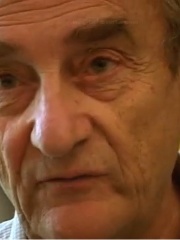
Michel Deguy
1930 - 2022
HPI: 54.19
Rank: 5,559
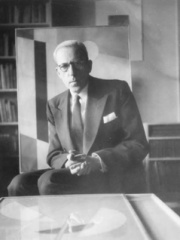
Fredric Wertham
1895 - 1981
HPI: 54.19
Rank: 5,560
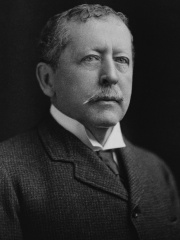
Thomas Bailey Aldrich
1836 - 1907
HPI: 54.19
Rank: 5,561
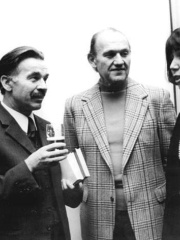
Irmtraud Morgner
1933 - 1990
HPI: 54.18
Rank: 5,562
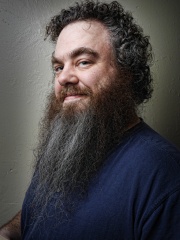
Patrick Rothfuss
1973 - Present
HPI: 54.17
Rank: 5,563
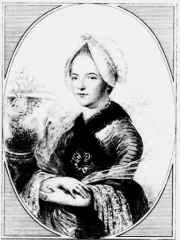
Clara Reeve
1729 - 1807
HPI: 54.17
Rank: 5,564
George Lillo
1691 - 1739
HPI: 54.16
Rank: 5,565

James C. Collins
1958 - Present
HPI: 54.16
Rank: 5,566
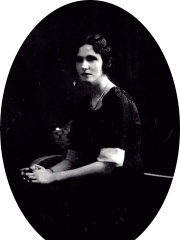
Delfina Bunge
1881 - 1952
HPI: 54.16
Rank: 5,567
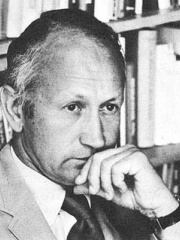
Norman Cousins
1915 - 1990
HPI: 54.16
Rank: 5,568
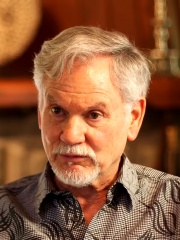
Warren Farrell
1943 - Present
HPI: 54.16
Rank: 5,569

El-Registan
1899 - 1945
HPI: 54.15
Rank: 5,570
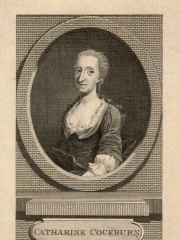
Catharine Trotter Cockburn
1674 - 1749
HPI: 54.14
Rank: 5,571

Contemporaries
Among people born in 1691, George Lillo ranks 12. Before him are Edward Cave, Princess Dorothea Wilhelmine of Saxe-Zeitz, Mir Jafar, Francesco Feo, Wilhelm Heinrich, Duke of Saxe-Eisenach, and Alessandro Galilei. Among people deceased in 1739, George Lillo ranks 12. Before him are James Anderson, Reinhard Keiser, Ernest Louis, Landgrave of Hesse-Darmstadt, Johann Gottfried Bernhard Bach, Cosmas Damian Asam, and Dick Turpin.
Others Born in 1691
Go to all Rankings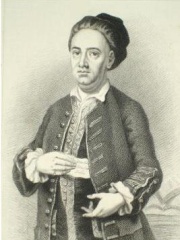
Edward Cave
BUSINESSPERSON
1691 - 1754
HPI: 61.95
Rank: 6

Princess Dorothea Wilhelmine of Saxe-Zeitz
NOBLEMAN
1691 - 1743
HPI: 61.93
Rank: 7
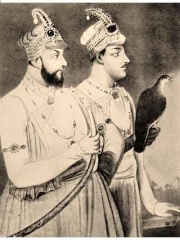
Mir Jafar
POLITICIAN
1691 - 1765
HPI: 60.33
Rank: 8
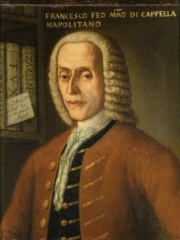
Francesco Feo
COMPOSER
1691 - 1761
HPI: 60.17
Rank: 9
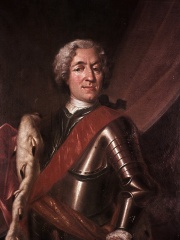
Wilhelm Heinrich, Duke of Saxe-Eisenach
POLITICIAN
1691 - 1741
HPI: 58.11
Rank: 10
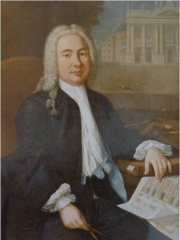
Alessandro Galilei
MATHEMATICIAN
1691 - 1737
HPI: 58.04
Rank: 11
George Lillo
WRITER
1691 - 1739
HPI: 54.16
Rank: 12
Others Deceased in 1739
Go to all Rankings
James Anderson
WRITER
1680 - 1739
HPI: 65.59
Rank: 6
Reinhard Keiser
COMPOSER
1674 - 1739
HPI: 63.68
Rank: 7
Ernest Louis, Landgrave of Hesse-Darmstadt
POLITICIAN
1667 - 1739
HPI: 62.70
Rank: 8

Johann Gottfried Bernhard Bach
MUSICIAN
1715 - 1739
HPI: 59.45
Rank: 9
Cosmas Damian Asam
PAINTER
1686 - 1739
HPI: 57.91
Rank: 10
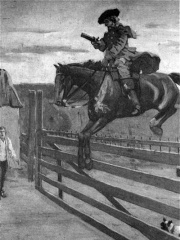
Dick Turpin
EXTREMIST
1705 - 1739
HPI: 57.52
Rank: 11
George Lillo
WRITER
1691 - 1739
HPI: 54.16
Rank: 12
In Reino Unido
Among people born in Reino Unido, George Lillo ranks 4,494 out of NaN. Before him are Francis Leggatt Chantrey (1781), Kenneth Frampton (1930), Scott Brown (1985), Emily Davies (1830), Clara Reeve (1729), and Astley Cooper (1768). After him are William Primrose (1904), Frederick Grace (1884), Ronnie Lane (1946), Sarah Harding (1981), David Beaton (1494), and Lonnie Donegan (1931).
Others born in Reino Unido
Go to all Rankings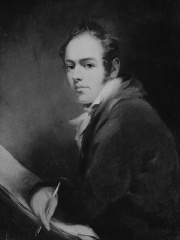
Francis Leggatt Chantrey
SCULPTOR
1781 - 1841
HPI: 54.18
Rank: 4,488

Kenneth Frampton
ARCHITECT
1930 - Present
HPI: 54.18
Rank: 4,489

Scott Brown
SOCCER PLAYER
1985 - Present
HPI: 54.17
Rank: 4,490
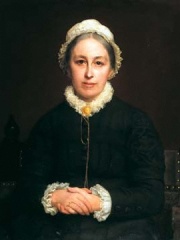
Emily Davies
SOCIAL ACTIVIST
1830 - 1921
HPI: 54.17
Rank: 4,491
Clara Reeve
WRITER
1729 - 1807
HPI: 54.17
Rank: 4,492
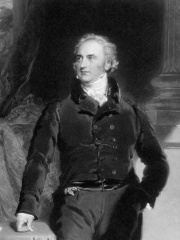
Astley Cooper
PHYSICIAN
1768 - 1841
HPI: 54.17
Rank: 4,493
George Lillo
WRITER
1691 - 1739
HPI: 54.16
Rank: 4,494
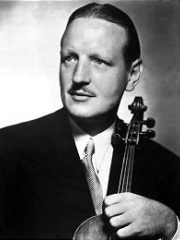
William Primrose
MUSICIAN
1904 - 1982
HPI: 54.16
Rank: 4,495

Frederick Grace
BOXER
1884 - 1964
HPI: 54.16
Rank: 4,496
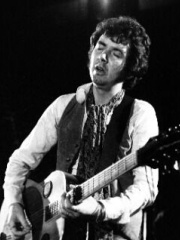
Ronnie Lane
MUSICIAN
1946 - 1997
HPI: 54.16
Rank: 4,497

Sarah Harding
ACTOR
1981 - 2021
HPI: 54.15
Rank: 4,498
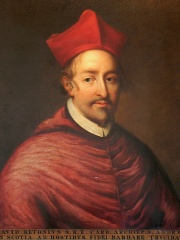
David Beaton
RELIGIOUS FIGURE
1494 - 1546
HPI: 54.15
Rank: 4,499
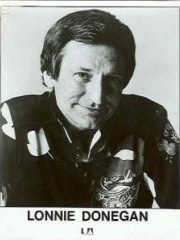
Lonnie Donegan
SINGER
1931 - 2002
HPI: 54.15
Rank: 4,500
Among Escritors In Reino Unido
Among escritors born in Reino Unido, George Lillo ranks 487. Before him are Joanne Harris (1964), William Tenn (1920), Val McDermid (1955), Steven Moffat (1961), George Chapman (1559), and Clara Reeve (1729). After him are Catharine Trotter Cockburn (1674), Robert Herrick (1591), Thomas Linacre (1460), William Martin Leake (1777), Sam Houser (1972), and Henry Lincoln (1930).
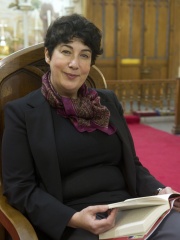
Joanne Harris
1964 - Present
HPI: 54.32
Rank: 481
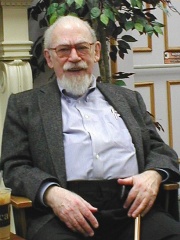
William Tenn
1920 - 2010
HPI: 54.29
Rank: 482
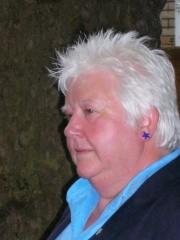
Val McDermid
1955 - Present
HPI: 54.29
Rank: 483
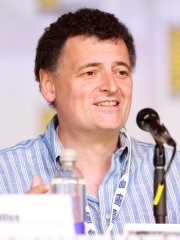
Steven Moffat
1961 - Present
HPI: 54.27
Rank: 484
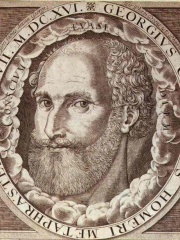
George Chapman
1559 - 1634
HPI: 54.24
Rank: 485
Clara Reeve
1729 - 1807
HPI: 54.17
Rank: 486
George Lillo
1691 - 1739
HPI: 54.16
Rank: 487
Catharine Trotter Cockburn
1674 - 1749
HPI: 54.14
Rank: 488
Robert Herrick
1591 - 1674
HPI: 54.08
Rank: 489
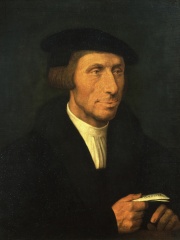
Thomas Linacre
1460 - 1524
HPI: 54.08
Rank: 490
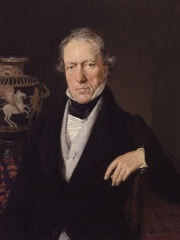
William Martin Leake
1777 - 1860
HPI: 54.03
Rank: 491
Sam Houser
1972 - Present
HPI: 53.98
Rank: 492

Henry Lincoln
1930 - 2022
HPI: 53.98
Rank: 493